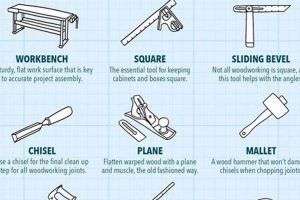
Implements employed to maintain and restore wooden surfaces and structures are essential for preserving their integrity and aesthetic appeal. These items range from simple cloths and brushes to specialized solutions and applicators, each designed for specific cleaning tasks and wood types. For example, a soft-bristled brush can remove dust from intricate carvings, while a pH-neutral cleaner can gently lift grime without damaging the finish.
Regular use of appropriate articles extends the lifespan of woodwork, preventing decay, discoloration, and structural compromise. Historically, natural oils and waxes were utilized for care. Modern formulations offer enhanced protection against moisture, UV radiation, and everyday wear. Such proactive care preserves value, enhances appearance, and maintains historical significance in heritage settings.
The subsequent sections will delve into the specific types of implements, their respective applications, and best practices for achieving optimal results in maintaining wooden fixtures and furniture. This includes a discussion of appropriate cleaning agents, techniques for different wood finishes, and safety considerations when using specialized products.
Preserving Woodwork
Effective maintenance necessitates adherence to established protocols. The following guidance will aid in achieving optimal cleanliness and preservation of wooden surfaces.
Tip 1: Dust Regularly: Employ a soft cloth or brush to remove loose particles. Routine dusting minimizes the accumulation of grime and prevents scratching during subsequent cleaning procedures.
Tip 2: Select Appropriate Cleaning Agents: Opt for pH-neutral solutions specifically designed for wood. Avoid abrasive substances or harsh chemicals that can damage the finish.
Tip 3: Test in an Inconspicuous Area: Prior to applying any cleaning product, assess its compatibility with the wood finish by testing it on a hidden section.
Tip 4: Apply Moisture Sparingly: Excessive moisture can lead to warping or damage. Use a lightly dampened cloth and promptly dry the surface after cleaning.
Tip 5: Utilize Appropriate Brushes: Choose soft-bristled brushes for delicate carvings and intricate details. Stiffer brushes may be required for removing stubborn stains, but exercise caution.
Tip 6: Consider the Grain: When wiping or brushing, follow the direction of the wood grain to prevent streaking or scratching.
Tip 7: Protect with Wax or Polish: After cleaning, apply a high-quality wax or polish to provide a protective barrier against moisture and wear. This also enhances the wood’s natural luster.
Consistent and careful application of these techniques will ensure the longevity and beauty of wooden fixtures and furniture.
The concluding section will provide information on advanced restoration techniques and professional services for addressing more significant damage or deterioration.
1. Appropriate Applicators

The selection of appropriate applicators is fundamental to the effectiveness and safety of any regimen aimed at maintaining or restoring wooden surfaces. The applicator directly interfaces with the wood and cleaning agent, dictating the potential for damage or successful grime removal.
- Cloth Materials and Their Impact
The texture and composition of cloth used for cleaning profoundly influence the outcome. Microfiber cloths, known for their fine weave, are effective at trapping dust and loose debris without abrading the finish. Conversely, coarser materials may scratch delicate surfaces or leave behind lint, diminishing the aesthetic appeal and potentially embedding particles that accelerate wear.
- Brush Bristle Characteristics
The bristle type and density of brushes designed for cleaning serve specific functions. Soft-bristled brushes made from natural fibers are suitable for gently removing surface contaminants from intricate carvings or detailed moldings. Stiffer synthetic bristles may be necessary for dislodging stubborn grime, but require careful application to prevent scratching or finish removal. A brushs handle design is also vital for reaching tight spots and providing necessary leverage.
- Sponge Composition and Absorption
Sponges, while useful for applying cleaning solutions, must be chosen judiciously. Natural sponges, possessing a softer texture, are preferable for delicate finishes. Synthetic sponges can be more abrasive and should be used with caution. The sponge’s absorbency dictates the amount of moisture applied to the wood, a critical factor in preventing water damage.
- Specialized Applicators and Their Purpose
Beyond standard cloths, brushes, and sponges, specialized applicators cater to niche cleaning tasks. Applicator pads, often made of foam or felt, are used for applying polishes and waxes evenly, ensuring a uniform protective layer. Detail brushes, with fine points, access minute crevices. These tools maximize effectiveness when employed for their intended function.
The correlation between applicator choice and the long-term preservation of wooden surfaces is undeniable. Selecting the incorrect implement introduces the risk of irreversible damage, highlighting the importance of informed decision-making when engaging in any cleaning or restoration endeavor.
2. Solution Compatibility

The intersection of cleaning solutions and wooden surfaces is a complex relationship governed by chemical interactions and material properties. The efficacy and safety of any cleaning regimen hinge upon the compatibility between the selected cleaning solution and the wood species, its finish, and its prior treatment. An incompatible solution can lead to discoloration, finish degradation, swelling, or even structural weakening of the wood. For instance, using an alkaline cleaner on an acid-cured finish can cause the finish to soften, dissolve, or discolor, rendering the surface vulnerable to further damage. Therefore, understanding the chemical properties of both the cleaning solution and the wood is paramount to ensuring long-term preservation.
Real-world examples underscore the importance of informed selection. The application of ammonia-based cleaners on oak furniture, often intended to remove grime, can result in a darkening of the wood due to the reaction between ammonia and the tannins present in oak. Similarly, solvent-based cleaners, while effective at removing certain types of stains, can strip away delicate wax or oil finishes, leaving the wood unprotected and susceptible to moisture absorption. Consequently, a conservative approach dictates the use of pH-neutral solutions specifically formulated for wood, coupled with rigorous testing in inconspicuous areas prior to widespread application. When employing specialized implements, such as applicators, these should also be compatible with the cleaning solution to avoid any adverse chemical reactions that might harm the wood or the applicator itself.
In summary, solution compatibility is a non-negotiable prerequisite for any effective wood cleaning process. Failure to consider this factor can precipitate irreversible damage, negating the intended benefits of cleaning and potentially necessitating costly repairs or replacements. The challenges inherent in navigating the diverse array of cleaning solutions and wood finishes highlight the need for diligent research, cautious experimentation, and, in certain cases, consultation with a professional restorer. Adhering to these principles serves to safeguard the integrity and longevity of wooden surfaces, ensuring their continued aesthetic and functional value.
3. Surface Sensitivity

The effectiveness of implements designed for maintaining woodwork hinges on a crucial understanding of surface sensitivity. This sensitivity encompasses the material composition of the wood, the type and integrity of any applied finish, and the presence of prior damage or deterioration. The interaction between implements and these surfaces dictates the potential for either successful cleaning and preservation or irreversible harm. The inappropriate use of cleaning devices, irrespective of their cleaning power, can exacerbate existing damage or create new imperfections, thereby defeating the intended purpose of maintenance. For example, the application of a stiff-bristled brush on a delicate, hand-rubbed varnish can result in scratching and dulling of the finish, necessitating costly restoration.
Specific examples further illustrate the practical significance of accounting for surface sensitivity. On antique furniture, where finishes are often fragile and irreplaceable, the use of harsh chemical cleaners or abrasive cloths can strip away layers of patina, diminishing the object’s historical value and aesthetic appeal. Similarly, in modern woodwork, the presence of veneers necessitates extreme caution, as excessive moisture or aggressive scrubbing can cause the veneer to lift or delaminate. The selection of appropriate implements, such as soft cloths, pH-neutral cleaners, and gentle brushing techniques, becomes paramount in mitigating these risks and ensuring the safe and effective removal of dirt and grime. Furthermore, a proper assessment of surface condition allows for the targeted application of specific cleaning solutions and techniques, optimizing the cleaning process while minimizing the potential for damage. The knowledge of which tools to use in different situations leads to an overall better quality of woodwork preservation.
In summary, the concept of surface sensitivity serves as a critical foundation for informed woodwork maintenance. The ability to accurately assess the characteristics of the surface and select implements accordingly is essential for achieving optimal cleaning results without compromising the integrity or value of the wooden object. While various tools and techniques exist for addressing diverse cleaning challenges, their success is contingent upon a deep understanding of surface sensitivity and a commitment to employing the most appropriate methods for each specific situation. The challenges are in accurately identifying what cleaning tools should be applied in various situations for long-term benefits of wooden fixtures.
4. Technique Precision

Technique precision, in the context of woodwork maintenance, refers to the execution of cleaning and restoration procedures with meticulous attention to detail, ensuring the preservation and enhancement of wooden surfaces. The appropriate selection and application of implements are integral to this precision. Improper or imprecise techniques can inflict damage, negating the benefits of even the highest quality implements.
- Controlled Moisture Application
The introduction of moisture during cleaning requires careful regulation. Excessive moisture can lead to warping, swelling, or the lifting of veneers. Technique precision involves using dampened cloths rather than saturated ones, applying cleaning solutions sparingly, and promptly drying the surface. For instance, when cleaning an antique desk with shellac finish, a barely damp cloth should be used to prevent damage to the finish.
- Appropriate Pressure Modulation
The amount of pressure applied during cleaning influences the outcome. Excessive pressure can abrade the finish, especially on softer woods or aged surfaces. Technique precision dictates using light, even strokes and adjusting pressure based on the surface’s condition. A feather duster is the best approach to prevent damage to soft and delicate woodwork. In the case of removing stubborn grime, increasing pressure must be applied cautiously.
- Directional Cleaning Strategies
The direction of cleaning strokes relative to the wood grain significantly impacts the aesthetic result. Cleaning against the grain can leave visible scratches or streaks. Technique precision involves cleaning in the direction of the grain, ensuring a uniform appearance and minimizing the risk of damage. This is especially crucial for items like hardwood floors where incorrect technique can lead to visible imperfections.
- Targeted Application of Cleaning Agents
Precision extends to the application of cleaning agents. Applying solutions only to the soiled areas, avoiding excessive saturation, and ensuring even distribution are essential. Imprecise application can lead to uneven cleaning or damage to surrounding areas. For example, when removing a water stain from a tabletop, only the stained area should be treated to prevent further damage to the surrounding finish.
These facets of technique precision are interconnected and critical for achieving optimal results in woodwork maintenance. Mastery of these techniques ensures the effective use of implements, protecting the integrity and enhancing the aesthetic appeal of wooden surfaces. The application of precision techniques is necessary for all woodworking projects. Otherwise, the projects may become damaged or unsafe.
5. Finish Preservation
The longevity and aesthetic appeal of wooden surfaces are intrinsically linked to the preservation of their finish. Protective coatings, whether varnish, lacquer, shellac, oil, or wax, shield the underlying wood from moisture, UV radiation, scratches, and other environmental stressors. Appropriate implements and techniques are essential to maintaining the integrity of these finishes and preventing premature degradation.
- Selection of Non-Abrasive Materials
The use of abrasive materials during cleaning can inflict irreversible damage on delicate finishes. Microfiber cloths, soft-bristled brushes, and natural sponges are preferred for their non-abrasive properties. These implements effectively remove surface contaminants without scratching or dulling the finish. Real-world examples include using a microfiber cloth to dust a French-polished antique table or a soft brush to clean intricate carvings on a varnished surface. Improper tool choices can result in damage, potentially diminishing the value and attractiveness of wooden items.
- Application of pH-Neutral Cleaning Solutions
The chemical composition of cleaning solutions directly impacts finish preservation. Alkaline or acidic cleaners can etch, dissolve, or discolor certain finishes. pH-neutral solutions formulated specifically for wood are recommended to prevent such damage. For instance, cleaning an oil-based finish with an alkaline solution can strip away the oil, leaving the wood unprotected. Similarly, acidic cleaners can damage shellac finishes. An appropriate solution ensures effective cleaning without compromising the finish’s integrity.
- Controlled Moisture Exposure
Excessive moisture is detrimental to most wood finishes, leading to swelling, blistering, or delamination. Technique precision involves applying moisture sparingly and drying surfaces promptly. For example, cleaning a lacquered surface with a saturated cloth can cause moisture to penetrate the finish, resulting in clouding or blistering. A slightly damp cloth, followed by thorough drying, minimizes this risk and preserves the finish.
- Regular Maintenance and Preventative Measures
Proactive maintenance is crucial for extending the lifespan of wood finishes. Regular dusting, prompt removal of spills, and the application of protective waxes or polishes contribute to finish preservation. Neglecting maintenance can result in the accumulation of grime, scratches, and stains that compromise the finish’s integrity. Consistent care, involving the use of appropriate implements and techniques, safeguards the finish against premature wear and degradation. The frequency depends on the environment and the use of wooden equipment. The better the condition, the better the chance to be safe.
The selection and application of implements are pivotal to preserving wood finishes. Non-abrasive materials, pH-neutral solutions, controlled moisture exposure, and regular maintenance are essential components of a comprehensive finish preservation strategy. By adhering to these principles, the beauty and longevity of wooden surfaces are assured, enhancing their value and aesthetic appeal for years to come. If these implements are used with the right approaches, then the wood finishing will be guaranteed a high-quality and long-lasting condition.
6. Material Safety

Material safety constitutes a critical consideration in the selection and utilization of implements for maintaining woodwork. The inherent risk of exposure to hazardous substances necessitates a thorough understanding of the potential dangers associated with cleaning solutions, applicators, and protective measures. Inadequate attention to material safety can result in adverse health effects, environmental contamination, and damage to the very surfaces intended for preservation. The choice of implements, therefore, must be informed by a comprehensive assessment of their safety profiles.
Specifically, cleaning solutions may contain volatile organic compounds (VOCs), corrosive agents, or allergens that pose inhalation, skin contact, or ingestion hazards. The selection of appropriate applicators, such as gloves, masks, and eye protection, serves as a crucial barrier against these risks. For example, when using a solvent-based cleaner to remove stubborn stains, the proper use of a respirator mask mitigates the risk of inhaling harmful fumes. Similarly, the application of protective gloves prevents skin irritation or chemical burns. Moreover, the disposal of used cleaning materials must adhere to stringent environmental regulations to prevent soil and water contamination. Disregarding these precautions can lead to immediate health consequences and long-term environmental damage.
In conclusion, material safety is an indispensable element of responsible woodwork maintenance. The careful selection of implements, coupled with the consistent implementation of protective measures, minimizes the potential for harm to individuals, the environment, and the integrity of the treated surfaces. Prioritizing material safety not only safeguards against immediate risks but also promotes sustainable and ethical practices in the care and preservation of wooden structures. The awareness of what materials and tools will be safe is important to perform woodworking properly.
Frequently Asked Questions
The following addresses common inquiries regarding the selection and application of implements used for cleaning and maintaining woodwork.
Question 1: What constitutes an appropriate cloth material for dusting delicate wooden surfaces?
Microfiber cloths are generally recommended for dusting delicate wooden surfaces due to their fine weave, which effectively traps dust and debris without causing abrasion. Avoid using coarser materials that may scratch the finish or leave lint behind.
Question 2: How does one select the appropriate brush bristle type for cleaning intricate wood carvings?
Soft-bristled brushes made from natural fibers are typically suitable for removing surface contaminants from intricate wood carvings. Stiffer synthetic bristles may be necessary for dislodging stubborn grime, but caution must be exercised to prevent scratching or finish removal.
Question 3: What is the recommended approach for testing a cleaning solution on a wooden surface before widespread application?
Prior to applying any cleaning solution to an entire wooden surface, it is imperative to test its compatibility in an inconspicuous area. This allows for observation of any adverse reactions, such as discoloration or finish degradation, before irreversible damage occurs.
Question 4: How can excessive moisture exposure be minimized during the cleaning of wooden furniture?
To minimize moisture exposure, use a lightly dampened cloth rather than a saturated one when cleaning wooden furniture. Apply cleaning solutions sparingly and promptly dry the surface after cleaning to prevent warping, swelling, or other moisture-related damage.
Question 5: What factors should be considered when selecting a cleaning solution for use on antique wooden furniture?
When selecting a cleaning solution for antique wooden furniture, prioritize pH-neutral formulations specifically designed for wood. Avoid alkaline or acidic cleaners that may damage delicate finishes or alter the wood’s natural patina. Consult with a professional restorer if uncertain about the appropriate cleaning solution.
Question 6: What safety precautions should be observed when using cleaning solutions that contain volatile organic compounds (VOCs)?
When using cleaning solutions containing VOCs, ensure adequate ventilation to minimize inhalation exposure. Wear appropriate personal protective equipment, such as a respirator mask, gloves, and eye protection, to prevent skin contact and respiratory irritation. Dispose of used cleaning materials in accordance with environmental regulations.
In summary, proper selection, testing, and application of implements, along with adherence to safety guidelines, are essential for maintaining the integrity and aesthetic appeal of wooden surfaces.
The subsequent section will explore advanced restoration techniques for addressing significant damage to wooden structures.
woodwork cleaning tools
The preceding analysis has underscored the critical role of woodwork cleaning tools in preserving the structural integrity and aesthetic value of wooden surfaces. From the careful selection of appropriate applicators to the stringent consideration of solution compatibility and material safety, a meticulous approach is paramount. Surface sensitivity, technique precision, and finish preservation emerge as key determinants of success, guiding the informed application of these instruments.
Continued diligence in understanding and applying these principles is essential. The longevity and beauty of wooden structures depend on a commitment to informed practices and the judicious use of woodwork cleaning tools. This dedication not only safeguards investments but also ensures the enduring appreciation of these valuable resources.

![Best Multi Tool Woodworking Station [Guide] | Step-by-Step Guides, Tools & Inspiration to Build Beautiful Wooden Decor on a Budget](https://woodfromhome.com/wp-content/uploads/2026/04/th-259-300x200.jpg "Best Multi Tool Woodworking Station [Guide] Step-by-Step Guides, Tools & Inspiration to Build Beautiful Wooden Decor on a Budget")