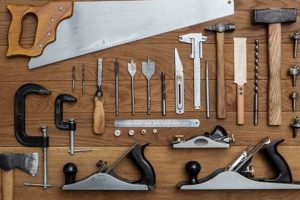
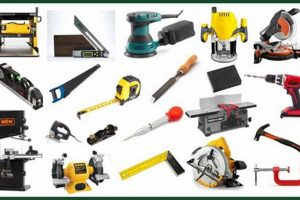
The determination of a superior manufacturer of implements for shaping wood is a complex matter, dependent on factors such as intended use, budget, and user preference. Professional cabinetmakers, hobbyist woodworkers, and construction professionals each possess distinct needs and priorities when selecting equipment. Therefore, a definitive declaration of supremacy proves elusive. For example, a fine furniture maker might prioritize hand tools from Lie-Nielsen, valuing their precision and craftsmanship, while a construction crew might favor the durability and power of DeWalt or Milwaukee power tools.
The selection of high-quality tools impacts efficiency, precision, and safety in woodworking projects. Investing in reliable equipment can reduce project completion time, minimize material waste, and decrease the risk of injury. Throughout history, innovation in tool manufacturing has driven advancements in woodworking techniques, leading to increasingly intricate and sophisticated designs. The availability of specialized tools has expanded creative possibilities, allowing artisans to achieve previously unattainable levels of detail and complexity.
The following sections will examine various manufacturers prominent in the woodworking industry, considering their strengths, weaknesses, and suitability for diverse applications. A thorough analysis of brands such as SawStop, Festool, Veritas, and others will provide a framework for informed decision-making. This evaluation will also explore the trade-offs between cost, performance, and longevity when choosing the appropriate equipment for a specific task or workshop.
Guidance on Selecting Woodworking Implements
Considerations when evaluating various providers of woodworking equipment are presented below. These tips are intended to guide informed decisions based on individual needs and project requirements.
Tip 1: Define Project Requirements: Clearly articulate the scope and nature of anticipated woodworking tasks. Different projects necessitate distinct tool capabilities and specifications.
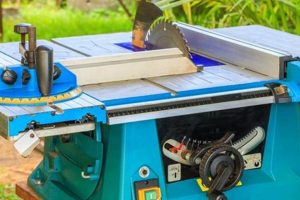
Tip 2: Prioritize Safety Features: Evaluate the safety mechanisms incorporated into power tools, such as blade guards and emergency stop switches. SawStop, for example, features a patented flesh-detecting technology.
Tip 3: Assess Ergonomics and Comfort: Hand tools should feel comfortable and balanced in the hand to minimize fatigue and maximize control. Consider handle materials, weight distribution, and grip design.
Tip 4: Research Brand Reputation: Investigate the historical performance and reliability of different manufacturers. Consult industry reviews and user testimonials to gain insights into product durability and customer support.
Tip 5: Evaluate Power and Performance: Power tools should possess sufficient power and speed to efficiently handle the intended materials. Match the tool’s capabilities to the demands of the work.
Tip 6: Determine Budget Constraints: Establish a realistic budget that accounts for both initial purchase price and potential long-term maintenance costs. Higher-priced tools may offer superior performance and longevity.
Tip 7: Inspect Construction Quality: Examine the materials and construction techniques employed in the manufacturing of the tools. High-quality materials and precision engineering contribute to increased durability.
The above considerations are critical when navigating the diverse landscape of woodworking equipment providers. Informed decision-making ensures that the selected tools meet the specific demands of the user and contribute to successful project outcomes.
The next section will offer concluding remarks and suggestions for further research and evaluation.
1. Durability

Durability constitutes a critical factor when evaluating woodworking tools. A tool’s capacity to withstand repeated use and challenging conditions directly impacts its long-term value and overall cost-effectiveness. Therefore, the inherent robustness of implements shapes the assessment of superior woodworking brands.
- Material Composition and Construction
The materials employed in tool manufacturing significantly influence durability. High-carbon steel blades, hardened tool bodies, and impact-resistant casings contribute to enhanced resistance against wear and tear. Brands known for using premium materials and robust construction techniques often exhibit superior longevity. For example, certain hand plane manufacturers utilize cryogenically treated steel for blades, extending their sharpness and resistance to deformation.
- Resistance to Environmental Factors
Exposure to moisture, temperature fluctuations, and chemical agents can degrade woodworking tools over time. Brands that incorporate protective coatings, corrosion-resistant materials, or sealed components enhance a tool’s ability to withstand adverse environmental conditions. Consider the impact of humidity on cast iron surfaces; manufacturers that apply effective rust-preventative coatings offer a durability advantage.
- Wear and Tear on Moving Parts
Moving parts within power tools and hand tools are susceptible to wear and tear. The quality of bearings, gears, and other mechanical components directly affects the tool’s lifespan. Brands that prioritize precision engineering and utilize durable materials for these components contribute to prolonged operational reliability. Regular maintenance and lubrication also mitigate wear and extend the tool’s service life.
- Impact of Usage Intensity
The intensity and frequency of tool usage influence the rate of wear and tear. Tools subjected to heavy-duty applications require greater inherent durability to withstand the demands of constant operation. Brands that cater to professional woodworkers typically emphasize durability to meet the rigorous requirements of daily use. In contrast, tools designed for occasional hobbyist use may prioritize other factors such as affordability.
The correlation between material selection, environmental resistance, component quality, and usage intensity underscores the significance of durability in assessing the best brand of woodworking tools. Brands exhibiting exceptional performance across these facets offer a compelling value proposition, ensuring long-term reliability and cost-effectiveness for woodworkers of all skill levels.
2. Precision

Precision constitutes a fundamental attribute in the evaluation of woodworking tools. The capacity of a tool to perform accurate cuts, shape materials with exacting tolerances, and consistently replicate desired dimensions directly impacts the quality and complexity of woodworking projects. Therefore, manufacturers achieving superior precision are invariably prominent contenders for “what is the best brand of woodworking tools.”
The inherent accuracy of a tool dictates the level of detail and intricacy achievable in woodworking endeavors. Consider the example of dovetail joints: precise cuts are essential for creating tight-fitting, structurally sound connections. A manufacturer that produces saws with minimal blade runout and consistent tooth set enables the creation of dovetails with unparalleled accuracy. Similarly, precision in measuring tools, such as calipers and squares, reduces the accumulation of errors throughout the project, ultimately yielding a higher quality finished product. The Festool track saw system, for instance, provides a guided cutting mechanism that minimizes splintering and ensures straight, accurate cuts, showcasing the correlation between tool design and precision.
Moreover, precision reduces material waste and minimizes rework, leading to increased efficiency and cost savings. Inaccurate cuts often necessitate corrections or even scrapping entire workpieces, resulting in increased material consumption and labor costs. Manufacturers who prioritize precision engineering and quality control contribute to minimizing these inefficiencies. The selection of a manufacturer known for precision offers a practical advantage, enhancing project outcomes, reducing waste, and contributing to a more professional and efficient workflow. Understanding this relationship helps professionals and hobbyists alike to select the most effective and valuable tool brands for their specific needs, ensuring “what is the best brand of woodworking tools” is defined by accuracy and reliability.
3. Ergonomics

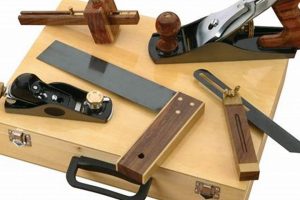
Ergonomics plays a crucial role in determining the optimal brand of woodworking tools. Prolonged or repetitive use of poorly designed tools leads to musculoskeletal strain, fatigue, and potentially, long-term injuries. The physical demands of woodworking necessitate equipment that minimizes stress on the user’s body, enabling extended periods of work without compromising health or performance. A manufacturer’s commitment to ergonomic design directly influences user comfort, safety, and overall productivity. For example, a hand plane with a poorly shaped handle will cause hand and wrist fatigue, reducing accuracy and efficiency. Conversely, a well-designed hand plane, with a comfortable grip and balanced weight distribution, allows for greater control and reduces the risk of repetitive strain injuries.
Effective ergonomic design extends beyond handle shape and weight distribution. It encompasses factors such as vibration reduction in power tools, intuitive control layouts, and adjustable features to accommodate various body types and working postures. Power tools with vibration dampening systems, like those found in certain sanders and routers, minimize hand-arm vibration syndrome (HAVS), a debilitating condition affecting blood vessels, nerves, and joints. Similarly, tools with adjustable handles and grips allow users to customize the fit and optimize their working position, reducing strain on specific muscle groups. The integration of ergonomic principles throughout the design process reflects a brand’s commitment to user well-being, impacting the perception of quality and value. A brand that prioritizes ergonomics demonstrates an understanding of the physical demands of woodworking and strives to create tools that enhance, rather than hinder, the user’s capabilities.
In summary, ergonomic design constitutes a key consideration when evaluating woodworking tool brands. The link between tool ergonomics and user health, safety, and productivity cannot be overstated. Brands incorporating ergonomic principles into their design process offer a distinct advantage, promoting sustainable working practices and maximizing the potential of woodworkers. The absence of such considerations increases the risk of injury and reduces overall efficiency, highlighting the practical significance of selecting tools designed with the user’s physical well-being in mind. Therefore, ergonomic features are essential components that define “what is the best brand of woodworking tools.”
4. Power
The correlation between power and a top-tier woodworking tool brand is substantial. The capacity of a power tool to efficiently perform its intended function is a primary determinant of its overall value and suitability for professional or hobbyist applications. Insufficient power translates to reduced cutting speed, increased risk of stalling, and compromised finish quality. Conversely, adequate power allows for smooth, controlled operation, leading to faster project completion times and improved results. For example, a router lacking sufficient horsepower will struggle to maintain consistent bit speed when cutting hardwoods, resulting in uneven edges and potential burning. A brand recognized for providing ample power, therefore, gains a competitive advantage in the woodworking market.
The significance of power extends beyond raw performance metrics. It also influences the versatility of a tool. A table saw with a robust motor can handle a wider range of materials and thicknesses, expanding its usability across diverse projects. Similarly, a powerful sander can remove material more quickly, reducing the time required for surface preparation. Furthermore, consistent power delivery, even under heavy load, is a hallmark of high-quality power tools. Brands that invest in advanced motor technology and robust electrical systems are more likely to deliver consistent performance over extended periods. This reliability is crucial for professional woodworkers who depend on their tools for their livelihood. Consider the difference between a budget circular saw that bogs down when cutting thick lumber and a professional-grade saw that maintains consistent speed and torque, regardless of the material being cut.
In conclusion, the presence of adequate and reliable power is a critical factor in assessing “what is the best brand of woodworking tools.” Power not only dictates the efficiency and speed of operation but also influences the versatility and long-term reliability of the tool. Brands that consistently deliver ample power, coupled with robust construction and advanced motor technology, are better positioned to meet the demands of professional woodworkers and discerning hobbyists alike. Consequently, a thorough understanding of power specifications and performance characteristics is essential when selecting woodworking tools.
5. Safety

Safety constitutes a non-negotiable element in the assessment of superior woodworking tool manufacturers. The inherent hazards associated with woodworking, including potential for lacerations, amputations, and respiratory damage, necessitate prioritizing equipment designed with robust safety features. A manufacturer’s dedication to safety directly correlates with its standing among woodworkers. Consider the frequency and severity of injuries sustained when using table saws, for example. SawStop’s patented blade-stopping technology dramatically reduces the risk of severe injury, positioning it as a leader in safety innovation. The adoption of such technologies directly influences a brand’s perceived value and its reputation for prioritizing user well-being. This emphasis on safety transcends mere regulatory compliance; it reflects a commitment to ethical manufacturing practices and a genuine concern for the health and safety of woodworkers.
Effective safety measures extend beyond reactive technologies like blade-stopping mechanisms. They encompass proactive design considerations, such as ergonomic handles to reduce fatigue, efficient dust collection systems to minimize respiratory hazards, and clear, comprehensive operating manuals. Power tools with integrated dust collection ports, when connected to appropriate filtration systems, significantly reduce the concentration of airborne particulate matter, mitigating the risk of respiratory illnesses. Similarly, tools with well-placed guards and interlocks prevent accidental contact with moving parts, minimizing the potential for injury. Furthermore, the availability of readily accessible safety training materials and comprehensive customer support further contributes to a safer woodworking environment. Brands investing in these proactive measures demonstrate a holistic approach to safety, encompassing not only the design of the tools but also the education and support of the users.
In summary, safety is inextricably linked to the concept of “what is the best brand of woodworking tools.” Manufacturers who prioritize safety innovation, proactive design considerations, and comprehensive user support are demonstrably superior in mitigating the inherent risks associated with woodworking. The adoption of safety technologies, coupled with a commitment to user education, not only reduces the incidence of injuries but also fosters a culture of safety within the woodworking community. Consequently, a thorough evaluation of safety features and safety-related resources is essential when selecting woodworking tools and determining the relative merits of different manufacturers.
6. Value
The intersection of “value” and the determination of superior woodworking implement manufacturers is a pivotal consideration. Value, in this context, transcends mere cost; it encompasses a synthesis of performance, durability, features, and long-term ownership expenses. Manufacturers recognized as offering exceptional value deliver a superior return on investment by providing tools that combine reliability, precision, and longevity with reasonable pricing. For instance, a less expensive tool that requires frequent repairs or replacements ultimately carries a higher cost than a more durable, initially expensive option. A manufacturer’s ability to strike a favorable balance between these elements directly influences its perceived value proposition.
The influence of value is evident in the purchasing decisions of both professional woodworkers and hobbyists. Professionals, who rely on their tools for income generation, often prioritize durability and performance over initial cost, recognizing that reliable equipment minimizes downtime and maximizes productivity. Conversely, hobbyists might place greater emphasis on affordability, seeking tools that adequately meet their needs without exceeding budget constraints. The availability of comprehensive warranty programs, accessible repair services, and readily available replacement parts further enhances the perceived value of a woodworking tool brand. A manufacturer that offers robust customer support demonstrates a commitment to customer satisfaction and fosters long-term brand loyalty. A practical example can be found when comparing hand tools; while a low-cost set might seem appealing, the time spent sharpening and adjusting inferior blades can quickly negate any initial savings when compared to a higher quality brand that holds an edge longer and requires less maintenance.
In summary, value is a multifaceted attribute that profoundly impacts the assessment of “what is the best brand of woodworking tools.” It represents a complex interplay of factors that extend beyond mere price, encompassing performance, durability, features, and long-term ownership costs. Manufacturers delivering a superior balance of these elements offer enhanced value and are consequently more likely to be considered among the leading brands in the woodworking industry. The challenge lies in accurately assessing the relative weight of these factors, a task that requires careful consideration of individual needs, project requirements, and budget limitations. The significance of value underscores the need for informed decision-making when selecting woodworking tools, emphasizing the importance of conducting thorough research and evaluating the long-term benefits of different brands and models.
7. Availability

Availability significantly influences the perceived value and practical utility of woodworking tools, playing a critical role in determining the optimal brand. A tool, irrespective of its performance or features, is rendered impractical if access to purchase, service, or replacement parts is limited. Therefore, the ease with which woodworking implements can be acquired and maintained becomes a crucial factor in assessing a brand’s overall merit.
- Distribution Network
A well-established distribution network ensures convenient access to tools for prospective buyers. Manufacturers with widespread retail presence, online sales platforms, and partnerships with independent distributors enhance product accessibility. Limited distribution restricts availability, potentially deterring customers who value immediate acquisition. A broad network also facilitates timely access to repair services and replacement parts, minimizing downtime and maximizing the tool’s useful life.
- Parts and Service Accessibility
The ready availability of replacement parts and competent service centers is essential for maintaining woodworking tools over their lifespan. Manufacturers that stock commonly needed components and offer accessible repair services contribute to reduced downtime and extended tool longevity. Limited parts availability can render otherwise high-quality tools unusable, diminishing their overall value. An efficient service network provides assurance that tools can be promptly repaired and maintained, minimizing disruptions to woodworking projects.
- Online Presence and Information Resources
A comprehensive online presence, including detailed product specifications, instructional materials, and customer support resources, enhances a brand’s accessibility. Accessible online information empowers potential buyers to make informed decisions and facilitates troubleshooting for existing users. Limited online resources can hinder the user experience and restrict the ability to resolve technical issues independently. A robust online presence reflects a commitment to customer service and provides valuable support throughout the tool’s lifespan.
- Geographic Limitations
Regional variations in product availability can significantly impact brand selection. Manufacturers with limited presence in certain geographic areas may be less appealing to customers residing in those regions. Overcoming geographic limitations often requires establishing partnerships with local distributors or expanding online sales capabilities. Global accessibility contributes to brand recognition and fosters a wider customer base, enhancing long-term viability.
The cumulative effect of distribution networks, parts and service accessibility, online resources, and geographic limitations underscores the importance of availability in assessing “what is the best brand of woodworking tools.” A tool’s performance characteristics are rendered inconsequential if it cannot be readily acquired, maintained, or repaired. Manufacturers that prioritize accessibility demonstrate a commitment to customer satisfaction and build brand loyalty by ensuring that their products remain useful and reliable throughout their operational lifespan.
Frequently Asked Questions
This section addresses common inquiries and misconceptions pertaining to the selection of superior woodworking implements. The following questions and answers are intended to provide clarity and inform decision-making.
Question 1: Is there a single manufacturer definitively recognized as providing the best woodworking tools across all categories?
A universal consensus regarding a single, definitively superior manufacturer remains elusive. The optimal choice depends on individual requirements, project types, budget constraints, and prioritized features, such as safety or precision. Certain manufacturers excel in specific categories, such as SawStop in table saw safety or Festool in dust extraction and precision.
Question 2: How significantly does initial tool cost correlate with long-term value in woodworking implements?
The correlation between initial cost and long-term value is not always linear. While higher-priced tools often exhibit superior durability and performance, less expensive options may suffice for infrequent or light-duty use. Evaluating the tool’s projected lifespan, maintenance requirements, and potential repair costs is crucial in determining its overall value.
Question 3: What role does tool ergonomics play in selecting woodworking implements, and how is it assessed?
Ergonomics profoundly influences user comfort, reduces fatigue, and minimizes the risk of musculoskeletal injuries. Assessment involves evaluating handle design, weight distribution, vibration dampening, and adjustability features. Tools designed to minimize stress on the user’s body contribute to enhanced productivity and long-term health.
Question 4: To what extent does a manufacturer’s warranty impact the selection of woodworking tools?
A comprehensive warranty provides assurance against manufacturing defects and component failures, mitigating potential financial risks. The scope of coverage, duration of the warranty, and ease of claim processing are critical factors to consider. A robust warranty reflects the manufacturer’s confidence in product quality and enhances the perceived value of the tool.
Question 5: How important is tool availability, and what factors influence accessibility?
Tool availability profoundly impacts practicality. Accessibility is influenced by the manufacturer’s distribution network, online presence, parts and service availability, and geographic limitations. Tools that are readily available, easily serviced, and supported by comprehensive online resources offer a distinct advantage.
Question 6: What are some reliable sources of information for researching and comparing woodworking tools?
Reliable sources include independent product reviews, industry publications, professional woodworking forums, and user testimonials. Consulting multiple sources and comparing specifications, performance data, and user experiences provides a comprehensive basis for informed decision-making.
The responses above offer a condensed overview of critical considerations in selecting woodworking tools. Further investigation and hands-on evaluation are recommended for making informed choices aligned with specific needs and preferences.
The ensuing section will delve into detailed brand comparisons and specific tool recommendations based on distinct applications.
Determining the Superior Manufacturer of Woodworking Tools
The preceding analysis has explored the multifaceted considerations inherent in identifying the superior manufacturer of implements for shaping wood. The factors of durability, precision, ergonomics, power, safety, value, and availability are paramount in assessing the overall merit of various brands. No single entity emerges as universally superior across all metrics; the optimal selection is contingent upon the specific requirements of the end-user and the nature of the intended application. Manufacturers excelling in targeted areas, such as SawStop’s safety innovations or Festool’s precision and dust extraction capabilities, offer distinct advantages within their respective domains. A comprehensive evaluation, encompassing both quantitative specifications and qualitative user feedback, is essential for informed decision-making.
The selection of woodworking tools represents a significant investment in both resources and creative potential. Continued advancements in materials science, engineering, and safety technologies promise to further refine the capabilities and longevity of these instruments. Diligent research, coupled with a thorough understanding of project needs, empowers woodworkers to optimize their tool selection, fostering both efficiency and the realization of creative visions. The pursuit of knowledge in this domain remains a continuous endeavor, demanding ongoing evaluation and adaptation to emerging technologies and evolving industry standards. The careful selection of such vital equipment is a cornerstone of successful and safe practice.