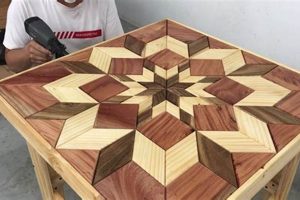
The creation of handcrafted items from wood, intended as presents or decorations for the holiday season, represents a thoughtful and personalized approach to gift-giving. These projects range from simple ornaments and small toys to more complex furniture pieces and decorative displays. An example is constructing a wooden advent calendar, personalized cutting board, or a set of miniature wooden reindeer for festive decoration.
The appeal of these handcrafted presents stems from their unique character, durability, and the inherent value associated with handmade goods. Historically, creating bespoke gifts was a common practice, reflecting a time when mass-produced items were less prevalent. The benefits include fostering creativity, developing practical skills, and offering recipients meaningful items that often hold sentimental value far beyond their monetary cost. Such personalized creations provide a tangible connection to the giver.
The following sections will explore specific examples of potential projects suited for various skill levels. It will also provide guidance on selecting appropriate materials, techniques, and finishing methods to ensure the successful completion of durable and visually appealing items for the holidays. Furthermore, safety considerations when working with wood and associated tools will be addressed.
Essential Guidance for Holiday Woodworking Projects
The successful execution of seasonal woodworking endeavors requires careful planning, material selection, and adherence to safety protocols. The following guidelines serve to enhance project outcomes and minimize potential complications.
Tip 1: Prioritize Project Planning: A detailed plan, including dimensions, material lists, and step-by-step instructions, is critical. Begin with simpler projects to build confidence and skill before undertaking more complex designs.
Tip 2: Select Appropriate Wood: The choice of wood impacts both the aesthetic appeal and structural integrity of the finished piece. Softwoods like pine are easier to work with for beginners, while hardwoods such as maple or walnut offer superior durability and visual richness.
Tip 3: Emphasize Accurate Measurements and Cuts: Precision is paramount in woodworking. Utilize accurate measuring tools and cutting techniques to ensure components fit together seamlessly. A miter saw and a good quality hand saw are invaluable for achieving precise cuts.
Tip 4: Employ Secure Joinery Methods: The strength of a woodworking project depends on the quality of its joinery. Common methods include mortise and tenon, dovetails, and simple screw-and-glue joints. Select the method appropriate for the project’s structural requirements and skill level.
Tip 5: Focus on Sanding and Finishing: A smooth, well-finished surface elevates the overall appearance of a woodworking project. Sand progressively from coarser to finer grits, and apply finishes such as varnish, lacquer, or oil to protect the wood and enhance its natural grain.
Tip 6: Maintain a Safe Workshop Environment: Safety should be a primary concern. Wear appropriate personal protective equipment, including safety glasses and dust masks. Ensure adequate ventilation and keep the work area free of clutter.
Tip 7: Consider Personalization Options: Enhance projects with personalized details, such as engraving names or dates, to create truly unique and memorable items.
Adherence to these principles will significantly increase the likelihood of producing high-quality, aesthetically pleasing holiday creations that can be treasured for years to come.
The subsequent sections will address specific project ideas in greater detail, offering detailed instructions and illustrative examples.
1. Simple ornament designs

The crafting of simple ornament designs represents an accessible entry point into seasonal woodworking projects. These designs provide opportunities for individuals of varying skill levels to create personalized decorations for the holiday season.
- Ease of Construction
Simple designs, characterized by basic shapes and minimal detailing, reduce the complexity of the woodworking process. Common examples include stars, snowflakes, and geometric patterns, often requiring only basic cuts and assembly. This accessibility allows beginners to develop fundamental woodworking skills while producing tangible results.
- Material Efficiency
Ornament designs frequently utilize small pieces of wood, optimizing material usage and minimizing waste. Scrap wood from larger projects can be repurposed, contributing to cost-effectiveness and environmentally conscious practices. This characteristic makes ornaments suitable for individuals with limited resources or storage space.
- Personalization Potential
Despite their simplicity, these designs offer ample opportunities for customization. Ornaments can be painted, stained, or embellished with various decorative elements to reflect individual preferences or commemorate specific events. This personalization enhances the sentimental value of the finished products.
- Educational Applications
Simple ornament designs serve as valuable educational tools for introducing woodworking techniques to children and novices. The projects provide hands-on experience with measuring, cutting, sanding, and finishing, fostering an understanding of basic woodworking principles. These projects can be adapted to suit various age groups and skill levels.
The construction of uncomplicated wooden ornaments not only fosters creative expression but also contributes to a unique and personalized holiday aesthetic. The low barrier to entry and versatile design options make these projects an ideal starting point for individuals seeking to engage in seasonal woodworking activities.
2. Functional gift options

The creation of functional gifts as seasonal presents using woodworking represents a practical and thoughtful approach to holiday gift-giving. These items transcend mere decorative value, providing recipients with durable, usable objects that reflect craftsmanship and personalization.
- Cutting Boards and Serving Trays
Wooden cutting boards and serving trays offer a combination of utility and aesthetic appeal. Constructed from hardwoods such as maple, walnut, or cherry, these items provide durable surfaces for food preparation and presentation. The integration of personalized engravings or unique wood grain patterns enhances their value as gifts, catering to culinary enthusiasts and home entertainers alike.
- Wooden Boxes and Organizers
Handcrafted wooden boxes and organizers serve diverse purposes, from storing jewelry and keepsakes to managing office supplies. The selection of wood species, joinery techniques, and finishing methods influences their durability and visual character. Customization through carving, inlay work, or unique hardware elevates these items beyond simple storage solutions, transforming them into cherished possessions.
- Coasters and Drinkware Accessories
Wooden coasters and drinkware accessories provide protection for furniture surfaces while offering opportunities for creative design. Ranging from simple geometric shapes to intricate mosaic patterns, these items can be tailored to individual preferences. The application of waterproof finishes ensures their longevity and practicality in everyday use, making them ideal for gifting to individuals who appreciate both form and function.
- Small Furniture Pieces
Small, functional furniture pieces, such as bedside tables, step stools, or magazine racks, represent more ambitious woodworking projects suitable for experienced craftspeople. These items require careful planning, precise execution, and a thorough understanding of joinery techniques. The choice of wood species and finish affects their durability and integration into existing home dcor, providing recipients with lasting, practical additions to their living spaces.
The incorporation of functional elements into handcrafted wooden gifts elevates their perceived value and practical utility, rendering them both cherished keepsakes and useful household items. By focusing on durability, design, and personalization, woodworkers can create presents that resonate with recipients long after the holiday season concludes.
3. Wood species selection

The selection of appropriate wood species constitutes a critical factor in the successful execution of seasonal woodworking projects. The species directly impacts the aesthetic appeal, structural integrity, and longevity of items intended for the holiday season. For example, crafting delicate ornaments necessitates a lightweight, easily workable wood like basswood or pine to facilitate intricate cuts without fracturing. Conversely, constructing a robust toy intended for child’s play demands a hardwood such as maple or oak, ensuring resistance to impact and wear. The improper selection of wood can lead to project failure, diminishing both the visual impact and practical utility of the finished item. Therefore, understanding the properties of different wood types is essential.
In practical terms, the choice of wood determines the feasibility of certain design elements. Carving intricate details into dense hardwoods like ebony may prove challenging for novice woodworkers, whereas the same task would be considerably more manageable in softer woods. Furthermore, the wood’s natural color and grain pattern influence the need for staining or painting. Projects aiming for a natural, rustic aesthetic might utilize woods with pronounced grain patterns, like reclaimed barn wood, while those seeking a more refined appearance may opt for smoother-grained woods like birch or maple. Considering the intended use of the item also guides the selection process; cutting boards require hardwoods that are non-toxic and resistant to bacterial growth.
In summary, effective wood species selection represents an indispensable component of woodworking endeavors, particularly when creating items for seasonal holidays. Understanding the properties of various wood types, considering the intended application, and anticipating potential challenges are crucial for achieving desired outcomes. Careful planning in this area directly translates to durable, visually appealing, and functionally appropriate holiday creations.
4. Safe tool operation

The creation of handcrafted wooden items for holiday decoration or gifting necessitates a rigorous adherence to safe tool operation practices. Unsafe practices elevate the risk of severe injury, rendering any creative endeavor detrimental. The correlation between proper tool handling and successful woodworking outcomes is undeniable; negligence results not only in potential physical harm but also compromises the quality and completion of projects intended for festive purposes. For instance, improperly using a power saw while crafting wooden reindeer figures can lead to lacerations or amputations, halting the project and causing lasting damage. Ensuring a safe working environment is therefore paramount when engaging in woodworking projects intended for the holidays.
The application of safety protocols extends beyond the mere physical handling of tools. It encompasses the appropriate use of personal protective equipment, such as safety glasses to prevent eye injuries from flying debris, and dust masks to mitigate the inhalation of wood particles. Furthermore, maintaining a clean and organized workspace reduces the likelihood of accidents caused by tripping or entanglement. Real-world examples underscore the importance of these precautions: neglecting to secure a workpiece properly before using a router can result in the tool slipping, causing injury and damaging the material. A comprehensive understanding of tool manuals and safety guidelines is indispensable for safe and effective operation.
In conclusion, safe tool operation forms an integral component of any woodworking activity, particularly those undertaken for the holiday season. The absence of vigilant safety practices introduces unacceptable risks, potentially undermining the creative process and causing harm. By prioritizing safety through proper training, the consistent use of protective equipment, and the maintenance of a secure workspace, individuals can enjoy the rewarding experience of crafting unique wooden items for the holidays while minimizing the potential for accidents and injuries. The ability to safely operate woodworking tools is not merely a prerequisite but a fundamental responsibility for all craftspeople.
5. Finishing techniques importance
The application of appropriate finishing techniques represents a critical stage in the creation of wooden items for holiday-themed applications. Finishing methods directly impact the aesthetic appeal, durability, and longevity of projects, serving as a determining factor in whether an item becomes a cherished heirloom or a quickly discarded novelty. For example, inadequate sealant application on a wooden toy intended for a young child may expose the child to potentially harmful substances leaching from the wood or paints. Therefore, selecting and executing appropriate finishing techniques is essential to completing any wooden Christmas project.
The connection between finishing processes and woodworking achievements for the holidays manifest in several ways. A properly applied clear coat varnish on a wooden ornament enhances the natural grain of the wood, adding depth and luster while protecting the surface from scratches and moisture. Conversely, a poorly applied finish, such as uneven staining or brush marks, detracts from the overall appearance and diminishes the perceived value of the piece. In practical terms, food-safe finishes are imperative for wooden serving trays or cutting boards designed for holiday feasts, ensuring the safety and well-being of users. The specific finish used can create a lasting impact on the gift.
In summary, effective finishing techniques serve as a critical component in woodworking endeavors centered around holiday themes. The implementation of appropriate finishes enhances visual appeal, strengthens structural integrity, and ensures the safety and longevity of the completed product. Recognizing the importance of finishing techniques transforms mere woodworking projects into cherished keepsakes. These skills are integral to transforming raw materials into meaningful gifts that can be passed down for years to come.
Frequently Asked Questions About Woodworking Christmas Ideas
The following questions address common inquiries and misconceptions surrounding woodworking projects undertaken for the holiday season. Accurate information contributes to safer and more successful outcomes.
Question 1: What are the essential safety precautions to observe when undertaking woodworking projects intended for Christmas gifts or decorations?
The mandatory use of safety glasses prevents eye injuries from flying debris. Hearing protection is necessary when operating loud machinery. Dust masks or respirators mitigate the inhalation of fine wood particles. Secure workpieces to prevent movement during cutting or shaping operations. Thoroughly review the operating manuals for all power tools before use. Maintaining a clean and organized workspace minimizes tripping hazards.
Question 2: What types of wood are most suitable for creating durable and visually appealing Christmas decorations?
Hardwoods such as maple, oak, and cherry offer superior durability for ornaments and decorative items intended for long-term use. Softwoods like pine and fir are easier to work with but may be more prone to dents and scratches. The species selection depends on the desired aesthetic and the intended application of the finished product.
Question 3: What are some simple woodworking projects that are appropriate for beginners during the Christmas season?
Basic wooden ornaments, such as stars, snowflakes, or simple animal shapes, provide an accessible entry point for novice woodworkers. Coasters, small picture frames, and candle holders represent other projects that can be completed with minimal tools and experience.
Question 4: What types of finishes are appropriate for wooden items that may come into contact with food, such as serving trays or cutting boards intended as Christmas gifts?
Food-safe finishes, such as mineral oil or beeswax, are essential for wooden items that will be used for food preparation or serving. These finishes are non-toxic and prevent the absorption of bacteria or odors into the wood. The finish should comply with regulations set by entities such as the Food and Drug Administration.
Question 5: How can one personalize woodworking projects to create unique and memorable Christmas gifts?
Personalization can be achieved through various techniques, including carving names or dates, incorporating unique wood grain patterns, adding custom paint or stain finishes, or using decorative inlays. The integration of personal details enhances the sentimental value of the finished product.
Question 6: What steps should be taken to prevent wood warping or cracking after completing a woodworking Christmas project?
Ensure the wood is properly dried before use. Apply a sealant or finish to all surfaces to prevent moisture absorption. Store finished items in a stable environment with consistent temperature and humidity levels. Avoid exposing wood items to direct sunlight or extreme temperature fluctuations.
The information provided in these FAQs contributes to more informed decision-making and enhances the likelihood of safe and successful completion of holiday woodworking projects. Understanding these basics is crucial for crafting meaningful gifts.
The next segment will elaborate on advanced woodworking techniques suitable for experienced craftspeople seeking to create complex holiday items.
Conclusion
The preceding discussion has elucidated various facets of seasonal crafting involving wood. Emphasis has been placed on safety, material selection, design considerations, and the importance of finishing techniques. Furthermore, common inquiries regarding project planning and execution have been addressed. Woodworking Christmas ideas, executed with diligence and informed decision-making, can yield tangible expressions of thoughtfulness and craftsmanship. The application of recommended practices enhances the probability of producing enduring and aesthetically pleasing gifts and decorations.
The creation of handcrafted items, while demanding attention to detail and adherence to safety guidelines, represents a rewarding endeavor. It encourages the development of practical skills and provides opportunities for personalized expression. Prospective woodworkers are encouraged to approach holiday projects with careful planning and a commitment to quality. The legacy of skilled craftsmanship extends beyond the holiday season, enriching both the creator and the recipient of thoughtfully made wooden objects.