Visual representations that capture the essence of crafting with wood are essential for businesses in this sector. These designs often incorporate elements like trees, tools (saws, planes, chisels), wood grain patterns, and classic fonts to communicate quality, craftsmanship, and the natural origin of the products or services offered. For instance, a carpenter might use a logo featuring a stylized hammer and chisel forming the outline of a house, while a furniture maker could opt for a design showcasing intricate wood grain patterns within a geometric shape.
A well-conceived emblem offers numerous advantages, including improved brand recognition, enhanced customer perception, and a sense of established credibility. In the past, woodworking businesses often relied on simple signage or word-of-mouth. Today, a distinctive and memorable symbol is crucial for standing out in a competitive market, attracting new clients, and fostering customer loyalty. The symbolic representation on business cards, websites, and marketing materials can significantly impact the public’s view of a business and its commitment to quality.
The following sections will examine key considerations in developing effective visual identities for businesses centered on the transformation of timber. Attention will be directed towards fundamental principles of design, common stylistic approaches, and practical tips for selecting a symbol that effectively represents a company’s unique values and expertise.
Design Recommendations for Woodworking Emblems
This section provides several recommendations to facilitate the development of effective and impactful emblems for woodworking businesses.
Tip 1: Prioritize Simplicity. Avoid overly complex designs that can appear cluttered or difficult to reproduce across various media. A clean and concise emblem ensures better recognition and scalability.
Tip 2: Incorporate Relevant Imagery. Utilize symbols that clearly connect to the woodworking craft, such as stylized tools, trees, or wood grain patterns. This immediate visual association helps potential customers understand the business’s nature.
Tip 3: Select Appropriate Typography. Choose fonts that reflect the desired brand aesthetic, whether it’s a classic serif font for a traditional feel or a modern sans-serif font for a more contemporary approach. Ensure legibility across all sizes and applications.
Tip 4: Consider Color Psychology. Colors evoke different emotions and associations. Earthy tones like browns and greens often convey a sense of nature, warmth, and reliability, which can be fitting for woodworking businesses. Use colors strategically to reinforce the desired brand message.
Tip 5: Ensure Versatility. The chosen emblem must be adaptable for use on various platforms, including business cards, websites, signage, and social media profiles. Test the design in different sizes and formats to ensure it remains clear and effective.
Tip 6: Research Competitor Designs. Conduct an analysis of existing symbols used by other woodworking businesses in the target market. This analysis can help differentiate a business and avoid unintentional similarities.
Tip 7: Seek Professional Design Assistance. For optimal results, consider collaborating with a professional graphic designer. A designer possesses the expertise to translate business goals into a visually compelling and effective emblem.
Adhering to these guidelines can significantly increase the likelihood of developing a strong and memorable representation for any enterprise involved in the transformation and manipulation of wood.
The following section will address examples and showcase effective emblems to inspire the visual representation for businesses.
1. Craftsmanship representation

The successful portrayal of skill and quality is a fundamental objective when developing visual identities for businesses involved in woodworking. Specifically, the visual emblems should effectively communicate the dedication to precision, detail, and the artful manipulation of wood. Failure to adequately represent this attribute within the design can result in a diluted brand identity and a diminished perception of the company’s capabilities. Visual motifs such as interlocking wood joints, precisely rendered tools, or intricate carvings can serve as effective symbols of craftsmanship. A real-world example includes a furniture maker whose emblem features a stylized dovetail joint, instantly conveying the quality and structural integrity of their products.
The manner in which craftsmanship is represented also influences the selection of fonts and the overall design aesthetic. For instance, a company specializing in traditional woodworking techniques might choose a classic serif font and a more ornate design to reflect the timeless nature of their craft. Conversely, a contemporary woodworking studio focusing on minimalist designs may opt for a clean, sans-serif font and a more streamlined symbol. A carefully selected emblem can also instill trust and confidence in potential clients, assuring them of the business’s commitment to excellence. A company selling hand-turned wooden bowls would choose a symbol showing fine, meticulous details of those hand-turned works.
In summary, effective craftsmanship representation is critical within emblem development for woodworking enterprises. It acts as a direct visual cue that communicates values, techniques, and the caliber of workmanship to potential clients. The challenge lies in translating the tactile and nuanced elements of the craft into a concise and readily recognizable visual form, ultimately contributing to a stronger brand identity and enhanced market perception.
2. Tool symbolism

The utilization of tools in visual representations offers a powerful means of conveying the essence and function of woodworking businesses. Careful selection and strategic depiction of implements associated with the trade, effectively communicate the nature of the enterprise and its area of expertise. This approach resonates with potential customers by establishing an immediate and easily understandable connection to the core activities of the business.
- Saw Representation
A saw, whether a hand saw, a circular saw, or a stylized representation thereof, immediately communicates the act of cutting and shaping wood. The saw can indicate both the traditional and the modern aspect of the business, depending on the design used. A hand saw typically evokes an image of traditional practices, while a circular saw represents a more modern, efficient approach. The direction and angle of the saw’s blade can also imply a specific technique or the types of products created.
- Hammer and Chisel Integration
The combination of a hammer and chisel serves as a potent symbol of precision and detailed craftsmanship. This pair is often associated with carving, shaping, and joinery work, indicating a business that values accuracy and artistry. The depiction of these tools, particularly with intricate detail, reinforces the notion of skilled handiwork and a commitment to producing high-quality products.
- Plane Illustration
A plane, whether a hand plane or a power planer, symbolizes the smoothing and refining of wood surfaces. Its presence suggests a focus on achieving flawless finishes and a dedication to creating visually appealing results. A hand plane especially emphasizes a commitment to traditional methods and high standards, while power planes can refer to businesses who produce large quantities efficiently.
- Measuring Tools Display
The inclusion of measuring tools such as rulers, squares, or calipers emphasizes the importance of precision and accuracy. This symbol suggests a meticulous approach to woodworking and a dedication to producing work that adheres to exact specifications. It signals a commitment to quality control and attention to detail, assuring potential customers of the business’s competence and professionalism.
The skillful incorporation of tool symbols into emblems significantly strengthens their effectiveness. These visuals not only communicate the core activities of the business, but also convey deeper values such as craftsmanship, precision, and dedication to quality. Consequently, the thoughtful integration of tool symbols can significantly enhance brand recognition and contribute to a more favorable perception of the woodworking enterprise.
3. Wood textures/patterns

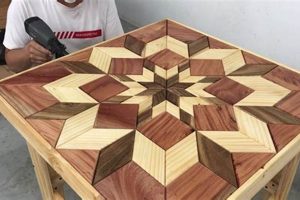
The effective incorporation of wood textures and patterns within emblems for woodworking businesses constitutes a strategic design element. The use of natural surface representations provides a direct visual link to the primary material, immediately associating the business with the inherent qualities and aesthetic appeal of wood. Specific patterns, such as those found in oak, maple, or walnut, can convey distinct characteristics related to durability, elegance, or warmth, depending on the desired brand message. For instance, a furniture maker specializing in rustic designs might feature a prominent oak grain pattern in their symbol, while a high-end cabinetry firm might opt for the refined texture of walnut.
The successful implementation of these textures requires careful consideration of scale and detail. Overly intricate representations can become visually cluttered, particularly when reduced in size for applications such as business cards or website favicons. Conversely, simplified or stylized patterns can offer a more versatile and recognizable option, particularly if the goal is to emphasize the general connection to wood rather than a specific species. Adobe Illustrator, for example, allows designers to create custom wood grain patterns, to control the density and size of the rings. Many design software can be used to render wood textures. Therefore, the aesthetic impact of these visual elements goes beyond mere decoration; they enhance brand recognition and communicate the values inherent to the core product or service.
In conclusion, the strategic integration of wood textures and patterns is an essential component. These elements directly enhance the recognisability and effectiveness of brand communication. While challenges exist in balancing visual complexity with practical considerations, the resulting emblem can serve as a powerful and immediate symbol of the business’s connection to its core material.
4. Font selection

Font selection represents a critical component within the broader scope of visual branding for woodworking businesses. The chosen typeface directly impacts the perception of craftsmanship, quality, and the overall aesthetic identity of the company. A poorly selected font can undermine an otherwise well-designed emblem, while a suitable typeface reinforces the desired message and enhances brand recognition. Consider, for example, a company specializing in hand-carved furniture. A highly stylized, ornate font might suggest elegance and tradition, while a clean, sans-serif font would be unsuitable, implying modernity but losing the intended classical and hand-crafted sentiment. Conversely, a modern woodworking shop could use a sans-serif font to showcase their contemporary focus.
Specific font characteristics, such as weight, kerning, and style (serif, sans-serif, script), influence the visual impact of the business name or tagline within the emblem. Serif fonts are often associated with tradition, reliability, and established businesses, aligning well with companies emphasizing heritage or classic designs. Sans-serif fonts project a more modern, minimalist, and approachable image, appealing to businesses targeting a contemporary clientele. Script fonts, while potentially conveying elegance and artistry, must be carefully selected to maintain legibility across various sizes and media. A real-world example includes a woodworking business named “The Woodwright’s Shop,” whose logo features a slightly distressed serif font to evoke a sense of history and authenticity. This selection reinforces the image of a time-honored, reliable establishment.
In summary, the careful consideration of font selection significantly impacts the overall success of visual branding efforts. The chosen typeface should accurately reflect the business’s values, target audience, and the style of woodworking it practices. By aligning the font with the broader design elements and brand identity, a woodworking business can create a memorable and effective emblem that resonates with potential customers and reinforces its position in the market. Challenges include choosing a typeface that is both aesthetically pleasing and legible in all applications. Therefore, the ideal font selection contributes significantly to the creation of a recognizable brand.
5. Color palette

The selection of an appropriate color palette is paramount in developing effective visual representations for woodworking businesses. Colors evoke specific emotions and associations, thus influencing the perception of a brand’s identity and values. The successful application of color reinforces the intended message and enhances the overall appeal of the visual emblem.
- Earthy Tones and Natural Association
Earthy tones, such as browns, greens, and muted yellows, are frequently employed in woodworking emblems due to their direct association with nature and wood itself. Brown shades communicate stability, reliability, and a sense of tradition, aligning well with the craft’s historical roots. Green hues suggest growth, sustainability, and a connection to the natural environment, appealing to businesses emphasizing eco-friendly practices. These colors create an immediate visual connection to the materials and processes involved in woodworking.
- Accents and Contrast
The strategic use of accent colors, such as deep reds, blacks, or metallic tones, adds visual interest and enhances the contrast within the emblem. A subtle red accent can convey passion and energy, while black provides a sense of sophistication and modernity. Metallic shades, such as gold or silver, can signify quality, craftsmanship, and premium materials. These accents should be used sparingly to avoid overpowering the dominant earthy tones and to maintain a cohesive aesthetic.
- Color Consistency and Brand Identity
Maintaining color consistency across all branding materials, including the emblem, website, and marketing collateral, is crucial for establishing a recognizable brand identity. The chosen color palette should be documented and consistently applied to ensure a unified and professional appearance. This consistency reinforces brand recognition and allows customers to easily associate specific colors with the woodworking business.
- Color Psychology and Target Audience
Consideration of color psychology and the target audience is essential during the color palette selection process. Different colors evoke varying emotional responses, and understanding these associations is critical for effectively communicating the desired message. For example, a woodworking business targeting a younger demographic may opt for brighter, more vibrant colors to convey a sense of energy and innovation, while one focused on a more mature audience may prefer a more subdued and sophisticated palette.
In conclusion, the strategic selection and application of a color palette significantly impact the effectiveness of visual representations. By carefully considering the associations, and target audience, the chosen colors will reinforce the brand identity of woodworking enterprises. Color psychology will contribute a memorability emblem and create a more favorable image.
6. Design simplicity
The principle of design simplicity holds significant importance within the context of visual representations for woodworking businesses. A direct correlation exists between a simplified emblem and enhanced brand recognition. Complex visual elements, while potentially aesthetically appealing in isolation, often result in diminished clarity and memorability when applied across various platforms. The result is an emblem that fails to effectively communicate the essence of the business, leading to a weakened brand identity. An intricate wood carving, for instance, might be visually stunning, but translating this detail into a small emblem often renders it indistinguishable, failing to convey the intended message of craftsmanship. In contrast, a streamlined design, such as a single, well-defined tool silhouette or a stylized wood grain pattern, can be instantly recognizable and readily adaptable for use on business cards, websites, and signage.
The application of design simplicity extends beyond mere aesthetic considerations. It directly impacts the functionality and versatility of the visual representation. A simplified emblem is easier to reproduce at different sizes, ensuring legibility and clarity regardless of the medium. A company specializing in fine woodworking, whose emblem features an intricate depiction of a dovetail joint, might find that the design becomes muddled when scaled down for use on social media profiles. Conversely, if the company’s emblem features a simple and elegant interlocking “V” shape representing the dovetail, it maintains its clarity and impact across all platforms. Simplified designs also offer greater flexibility for incorporating the emblem into diverse marketing materials, allowing for seamless integration with existing branding guidelines.
Ultimately, design simplicity is an essential element. The simplification enhances memorability and application flexibility. It demands a discerning approach, prioritizing the core message and eliminating superfluous details. This prioritization strengthens brand recognition and ensures consistent communication across all customer touchpoints. The challenge lies in distilling the essence of the woodworking business into a concise and readily recognizable visual form, contributing to a stronger brand identity and an enhanced market perception.
7. Brand identity

The creation of effective visual representations for woodworking businesses is inextricably linked to the broader concept of brand identity. An emblem does not exist in isolation; it is a visual articulation of the company’s values, mission, and unique selling proposition. Therefore, successful designs for woodworking businesses must be deeply rooted in a well-defined brand identity.
- Defining Core Values
An initial step involves articulating the core values that define the woodworking business. Does the company prioritize sustainability, tradition, innovation, or craftsmanship? These values should inform the selection of colors, typography, and imagery in the emblem. For instance, a company committed to sustainable practices might choose earthy tones and incorporate imagery of trees or recycled wood. Conversely, a business focused on modern designs might opt for a minimalist emblem with clean lines and a contemporary font. Failing to define these values before undertaking the design process can result in an emblem that lacks authenticity and resonance with the target audience.
- Target Audience Alignment
Understanding the target audience is crucial for ensuring that the emblem effectively communicates with potential customers. Consider the demographics, psychographics, and preferences of the intended clientele. Are they seeking rustic, handcrafted furniture, or sleek, modern designs? The emblem should reflect the aesthetic sensibilities and values of the target audience. An emblem designed for a high-end clientele might incorporate sophisticated typography and luxurious materials, while one targeting a more budget-conscious market might opt for a simpler and more approachable design.
- Competitive Differentiation
A strong brand identity enables a woodworking business to differentiate itself from competitors in a crowded market. The emblem should highlight the unique aspects of the business, whether it’s a specialized skill, a particular style of woodworking, or a commitment to exceptional customer service. Researching competitor emblems and identifying opportunities to stand out is essential. A business specializing in custom wood carvings might incorporate an intricate, hand-drawn element into its emblem to emphasize its artistic capabilities. Conversely, a company focused on mass-produced furniture might choose a more streamlined design to convey efficiency and affordability.
- Consistent Visual Language
The emblem should function as a cornerstone of a consistent visual language that extends across all aspects of the brand. This includes the website, marketing materials, social media profiles, and even the physical storefront. Using the same colors, typography, and imagery consistently across all platforms reinforces brand recognition and creates a cohesive brand experience. A woodworking business whose emblem features a specific shade of green and a particular sans-serif font should ensure that these elements are consistently used in all other branding materials.
In conclusion, woodworking emblem design is not merely about aesthetics; it’s about visually representing a carefully crafted brand identity. The success of any emblem hinges on its ability to accurately reflect the company’s values, resonate with the target audience, differentiate it from competitors, and contribute to a consistent visual language. The most effective visual representation are designed with a full knowledge about Brand Identity.
Frequently Asked Questions
This section addresses common inquiries regarding the development and implementation of effective visual representations for woodworking businesses. The aim is to clarify key considerations and provide actionable insights to inform the design process.
Question 1: Is it necessary for a woodworking business to have a professionally designed emblem?
While not strictly mandatory, a professionally designed emblem significantly enhances brand perception and credibility. A well-crafted emblem communicates professionalism, expertise, and attention to detail, factors which influence customer trust and purchasing decisions.
Question 2: What are the key elements to consider when selecting colors for a woodworking emblem?
The color palette should reflect the brand’s values and target audience. Earthy tones (browns, greens) typically convey a sense of nature, reliability, and tradition. Accents of contrasting colors (red, black, metallic) can add visual interest and sophistication. Color psychology should guide decisions, ensuring the selected colors evoke the desired emotional response.
Question 3: How important is simplicity in a woodworking emblem design?
Simplicity is paramount. Overly complex designs can appear cluttered and difficult to reproduce across various media. A clean, concise emblem ensures better recognition, scalability, and memorability.
Question 4: Should the emblem incorporate images of woodworking tools?
The incorporation of tool images depends on the specific brand identity and target audience. Tools can effectively communicate the nature of the business and its area of expertise. However, the tools should be stylized and integrated thoughtfully to avoid a cluttered or generic appearance.
Question 5: What role does typography play in visual brand construction?
Typography is crucial in conveying the brand’s personality and values. The selected font should be legible, visually appealing, and consistent with the overall design aesthetic. Serif fonts often suggest tradition and reliability, while sans-serif fonts project a more modern and approachable image.
Question 6: How can a woodworking business ensure its emblem is unique and memorable?
Conduct thorough research of competitor designs, identify unique aspects of the business, and consider incorporating personalized elements that reflect the company’s history or values. Professional design assistance can also help create a distinctive and memorable emblem.
In summary, the development of an effective visual representation for a woodworking business involves careful consideration of design principles, color psychology, typography, and brand identity. Simplicity, consistency, and a clear understanding of the target audience are essential for creating a memorable and impactful emblem.
The following section will provide a concluding summary.
Conclusion
Effective “woodworking logo design ideas” have been thoroughly explored. This includes considering craftsmanship representation, tool symbolism, wood textures, typography, and color palettes. Simplicity in design and the alignment with a defined brand identity are crucial for success.
The integration of these design considerations will determine the visual representation for enterprises transforming timber. Businesses should carefully evaluate the options to create a lasting image. This will support brand recognition, enhance customer perception, and generate lasting credibility.