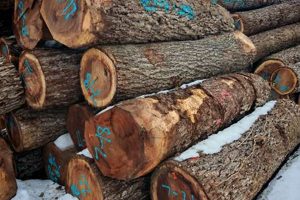
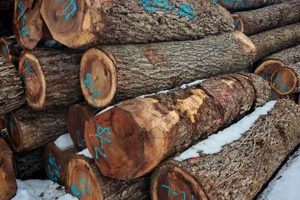
The acquisition of timber and lumber constitutes a fundamental aspect of woodworking. The sources from which craftspeople obtain this essential material are diverse, ranging from specialized suppliers to direct procurement from the natural environment. This access is paramount to the feasibility and character of woodworking projects.
Sourcing practices impact the economic viability, environmental sustainability, and aesthetic qualities of finished pieces. Historically, woodworkers relied heavily on locally available resources. Modern woodworking benefits from global supply chains, offering a wider selection of species and grades, yet simultaneously necessitates consideration of ethical and ecological implications.
The following sections will explore various avenues through which woodworkers secure their necessary materials, including lumberyards, specialty dealers, salvage operations, and direct harvesting, along with the associated considerations for each option.
Sourcing Strategies for Woodworkers
Effective procurement of wood significantly influences project outcomes. Implementing informed sourcing strategies is crucial for managing cost, quality, and ethical considerations.
Tip 1: Establish Clear Project Requirements: Before acquiring material, define the specific wood type, dimensions, and grade necessary for the project. Precise specifications prevent waste and ensure compatibility.
Tip 2: Research Local Lumberyards: Investigate local lumber suppliers to identify those offering the required species and grades. In-person inspection allows for a direct assessment of wood quality and grain patterns.
Tip 3: Explore Specialty Wood Dealers: For exotic or highly figured wood, consult specialty dealers. These suppliers typically offer a wider selection and expertise in handling less common species.
Tip 4: Consider Salvaged or Reclaimed Wood: Investigate sources of salvaged or reclaimed wood. This option promotes sustainability and often yields unique character and historical value.
Tip 5: Evaluate Online Vendors: Online vendors provide access to a broader market, but require careful consideration of shipping costs and return policies. Verify vendor reputation through reviews and certifications.
Tip 6: Prioritize Sustainable Sourcing: Seek wood certified by organizations promoting responsible forestry practices, such as the Forest Stewardship Council (FSC). Sustainable sourcing mitigates environmental impact.
Tip 7: Account for Moisture Content: Wood’s moisture content affects its stability and workability. Acquire wood that has been properly dried and acclimatized to the workshop environment.
Strategic wood procurement ensures projects are completed efficiently, ethically, and with optimal material quality. By carefully considering sourcing options and prioritizing sustainability, woodworkers can contribute to responsible resource management.
The subsequent sections will delve deeper into specific sourcing channels and the practical considerations associated with each approach.
1. Local Lumberyards

Local lumberyards serve as a foundational resource for many woodworkers, representing a readily accessible point of procurement for essential materials. Their significance stems from their ability to provide a consistent supply of common wood species and associated products.
- Accessibility and Convenience
Local lumberyards are geographically convenient, allowing woodworkers to directly inspect the material before purchase. This proximity reduces transportation costs and facilitates immediate access to supplies, essential for projects with tight timelines.
- Standard Lumber Selection
These yards typically stock a range of commonly used lumber species, such as pine, oak, maple, and poplar, in standard dimensions. This selection caters to a broad spectrum of woodworking projects, from basic construction to furniture making.
- Hardware and Supplies Integration
Lumberyards often offer complementary hardware, fasteners, and finishing products. This integrated supply chain streamlines the purchasing process, allowing woodworkers to acquire all necessary materials in a single location.
- Expertise and Advice
Many lumberyards employ knowledgeable staff who can provide advice on wood selection, project planning, and proper handling techniques. This expertise is particularly valuable for novice woodworkers and complex projects.
The reliance on local lumberyards underscores a balance between immediate availability, standardized product offerings, and access to expert consultation. While specialty projects may necessitate alternative sourcing, local lumberyards remain a cornerstone in the acquisition of materials for a substantial portion of woodworking endeavors.
2. Specialty Dealers

Specialty dealers represent a distinct tier in the network of wood suppliers, catering to niche markets and project requirements that extend beyond the offerings of conventional lumberyards. These suppliers are crucial for woodworkers seeking specific wood species, figured lumber, or unique characteristics not readily available elsewhere.
- Exotic and Rare Species
Specialty dealers frequently stock imported hardwoods, such as ebony, rosewood, and mahogany, as well as domestic species with limited availability. These materials cater to high-end furniture construction, instrument making, and other specialized applications where distinct aesthetic or performance properties are essential.
- Figured Lumber and Burls
These suppliers often specialize in lumber displaying unique grain patterns, such as birdseye maple, quilted maple, and various burl formations. Such materials are highly sought after for decorative inlays, accent pieces, and custom woodworking projects where visual appeal is paramount.
- Specific Grades and Dimensions
Specialty dealers may offer lumber graded according to exacting standards, ensuring consistent quality and minimal defects. They can also provide custom milling services, producing lumber to precise dimensions that accommodate specific project requirements, thereby reducing waste and labor.
- Kiln Drying Expertise
Proper kiln drying is crucial for lumber stability and workability. Specialty dealers often possess advanced kiln-drying facilities and expertise, ensuring that their lumber has been dried to optimal moisture content for the intended application. This expertise minimizes the risk of warping, cracking, and other problems that can compromise the quality of woodworking projects.
The role of specialty dealers is pivotal in enabling woodworkers to realize ambitious and distinctive projects. Their specialized inventory and expertise offer avenues for creativity and craftsmanship that standard lumber sources cannot provide, albeit often at a higher cost reflective of the premium materials and services offered.
3. Salvage operations
Salvage operations represent a significant, and increasingly important, source of timber for woodworkers. These operations recover wood from various sources, diverting it from landfills or other forms of disposal. The connection between salvage operations and timber acquisition lies in the reintroduction of usable wood into the market, thereby offering an alternative to newly harvested lumber. This has implications for both sustainability and the aesthetic qualities of woodworking projects. For instance, deconstructed barns often yield old-growth lumber with unique character and tight grain patterns, highly valued for furniture making. The dismantling of older homes can provide access to heart pine flooring, prized for its durability and rich patina.
The viability of salvage operations as a source depends on several factors. Logistical considerations, such as transportation and handling of reclaimed materials, play a crucial role. Additionally, the presence of contaminants, such as nails or paint, requires careful processing and preparation before the wood can be used. Legal considerations also apply, ensuring proper ownership and adherence to environmental regulations. Despite these challenges, many woodworkers actively seek out salvaged wood due to its unique aesthetic properties and the environmental benefits it offers. Some woodworkers specialize in creating furniture and other items exclusively from reclaimed materials, highlighting the potential for specialized craftsmanship and a commitment to sustainable practices.
In summary, salvage operations constitute a valuable, albeit complex, avenue for woodworkers to acquire materials. The process not only reduces demand for newly harvested timber but also offers access to wood with distinctive characteristics and historical significance. Understanding the practical and legal considerations associated with salvaged wood is paramount for woodworkers aiming to incorporate this resource into their practice responsibly and effectively.
4. Direct harvesting

Direct harvesting, as a component of wood acquisition, represents a pathway where woodworkers procure timber directly from its source, bypassing conventional supply chains. This often entails felling trees on privately owned land, with permission, or from designated areas under specific permits. The cause-and-effect relationship is clear: the need for a particular type or quality of wood that is not readily available commercially compels woodworkers to engage in direct harvesting. The importance of this method stems from its ability to provide access to unique species, specific dimensions, or wood with particular grain characteristics not typically offered by lumberyards.
For example, a woodworker specializing in crafting traditional bows might require specific lengths of Osage orange, a dense hardwood not commonly stocked in lumberyards. Obtaining this material necessitates direct harvesting, often in collaboration with landowners who have stands of this tree on their property. Similarly, a sculptor might require a large, knot-free piece of a particular species for a commissioned artwork, making direct harvesting the only feasible option. The practical significance of this understanding lies in recognizing that direct harvesting is not merely an alternative but sometimes the sole avenue for procuring essential materials, enabling specialized craftsmanship and artistic expression. The woodworker becomes responsible for the entire process, including selective tree felling, log transportation, milling, and seasoning. Furthermore, Direct harvesting empowers woodworkers with autonomy over timber selection, allowing them to choose trees based on grain structure and overall health.
Direct harvesting requires knowledge of forestry practices, including sustainable harvesting techniques and local regulations governing timber removal. Neglecting these considerations can lead to environmental damage, legal repercussions, and unsustainable resource utilization. Ethical considerations are paramount; woodworkers must ensure they are harvesting timber responsibly, minimizing impact on the ecosystem and adhering to all applicable laws. Direct harvesting is not a panacea; it demands significant investment in time, equipment, and knowledge. It can be a practical option for woodworkers with access to suitable land and the requisite skills, offering a direct connection to the source of their materials and the potential for unique and sustainable wood sourcing. By adhering to ethical and sustainable harvesting practices, woodworkers can minimize their environmental footprint and ensure long-term availability of resources.
5. Online retailers

Online retailers constitute an increasingly significant channel for wood acquisition, extending the geographic reach of material sourcing for woodworkers. The rise of e-commerce has fundamentally altered the landscape of lumber and timber procurement, introducing both advantages and challenges. A direct consequence of this shift is expanded access to specialty woods, rare species, and large quantities that may not be locally available.
The importance of online retailers stems from their ability to connect woodworkers with suppliers across national and international boundaries. For example, a woodworker in a rural area with limited local lumberyards can now readily access a diverse selection of hardwoods from specialty mills located hundreds or even thousands of miles away. The practical significance of this is the removal of geographic constraints, enabling projects that would have been previously impossible due to material limitations. However, purchasing lumber online introduces complexities related to quality assessment and transportation. Accurate grading, verifiable certifications of sustainability, and secure shipping arrangements become critical considerations. Many retailers provide detailed product descriptions, photographs, and even videos to mitigate the risk of misrepresentation. Established online marketplaces, such as Etsy or specialized woodworking supply websites, offer platforms for smaller suppliers to reach a wider audience, fostering niche markets for artisan wood products.
Despite the expanded accessibility, woodworkers must carefully evaluate online retailers based on their reputation, return policies, and shipping costs. The inability to physically inspect the lumber prior to purchase necessitates a higher degree of due diligence. Furthermore, the environmental impact of long-distance shipping should be factored into sourcing decisions, particularly when considering sustainable forestry practices. The increasing reliance on online retailers has redefined the scope of material acquisition, offering woodworkers unprecedented choice and convenience while simultaneously demanding a more informed and cautious approach to procurement.
6. Private landowners

Private landowners represent a potentially significant, yet often overlooked, avenue for woodworkers seeking materials. Access to timber on private land can offer unique opportunities not typically available through conventional commercial channels, but also entails specific considerations and responsibilities.
- Direct Access to Specific Species
Private landowners may possess stands of timber containing specific species or unique characteristics desired by woodworkers. This direct access bypasses the limitations of standard lumber inventories, allowing for the procurement of materials tailored to specialized projects. For example, a furniture maker seeking cherry wood with specific grain patterns might negotiate directly with a landowner who has mature cherry trees on their property.
- Potential for Cost Savings
In some instances, acquiring timber from private landowners can offer cost advantages compared to purchasing from lumberyards or specialty dealers. This is particularly true when landowners are looking to manage their timber resources or clear land for other purposes. However, these cost savings must be balanced against the expenses associated with felling, milling, and transporting the timber, which are typically the responsibility of the woodworker.
- Negotiation and Contractual Agreements
Procuring timber from private landowners necessitates clear and legally sound agreements. These agreements should outline the specific trees to be harvested, the price, the timeframe for removal, and any responsibilities for cleanup or environmental remediation. Failure to establish a formal contract can lead to disputes and legal complications.
- Sustainability and Ethical Considerations
Engaging with private landowners presents both opportunities and responsibilities in terms of sustainability. Woodworkers must ensure that harvesting practices are environmentally responsible, minimizing impact on the ecosystem and adhering to any applicable regulations. This may involve selective logging, replanting efforts, or consultation with forestry experts.
The utilization of private landowners as a source of timber requires a balanced approach, considering both the potential benefits and the inherent responsibilities. By establishing clear agreements, prioritizing sustainable practices, and possessing the necessary skills and equipment, woodworkers can leverage this avenue to access unique materials and contribute to responsible forest management.
Frequently Asked Questions
This section addresses common inquiries concerning the sourcing of materials for woodworking projects, clarifying key aspects of the acquisition process.
Question 1: What are the primary considerations when selecting a lumber supplier?
The selection of a lumber supplier necessitates evaluating several factors, including the supplier’s reputation, the quality and variety of wood species offered, the accuracy of grading, the availability of kiln-drying services, and the overall cost, including transportation.
Question 2: How does one assess the sustainability of a wood source?
Assessing sustainability involves verifying certifications from recognized forestry organizations, such as the Forest Stewardship Council (FSC). Additionally, investigating the supplier’s harvesting practices and commitment to responsible forest management provides valuable insight.
Question 3: Is it feasible for a hobbyist woodworker to engage in direct harvesting?
Direct harvesting can be feasible for hobbyist woodworkers, but requires access to suitable land, knowledge of forestry practices, and adherence to all relevant regulations. Careful consideration should be given to the time, equipment, and expertise required.
Question 4: What are the potential drawbacks of purchasing lumber from online retailers?
Potential drawbacks include the inability to physically inspect the lumber prior to purchase, the risk of misrepresentation in product descriptions, the complexities of shipping and handling, and the potential for increased environmental impact due to long-distance transportation.
Question 5: How does one determine the appropriate moisture content for woodworking lumber?
The appropriate moisture content depends on the intended application and the environmental conditions of the workshop. Generally, lumber should be acclimatized to the workshop environment to achieve a stable moisture content, typically between 6% and 8% for interior projects.
Question 6: What are the legal implications of acquiring salvaged wood?
Acquiring salvaged wood requires verifying legal ownership and compliance with any applicable environmental regulations. It is crucial to ensure that the salvaged wood was obtained legally and that its use does not violate any restrictions or ordinances.
These FAQs provide a foundational understanding of key considerations in wood sourcing. Careful planning and informed decision-making are essential for successful woodworking projects.
The subsequent section will delve into the practical steps involved in preparing acquired wood for use in woodworking projects.
Conclusion
This exploration has examined the diverse channels that answer the question of where do woodworkers get their wood. From established lumberyards and specialty dealers to salvage operations, direct harvesting, online retailers, and private landowners, the sources are varied. Strategic material procurement necessitates careful consideration of species, grades, costs, and ethical implications.
Effective sourcing remains integral to the success and sustainability of woodworking endeavors. Continued attention to responsible forestry practices and informed decision-making will ensure access to quality materials for future generations of craftspeople.