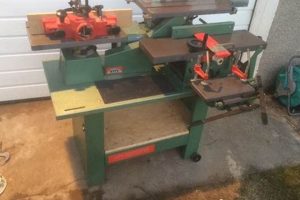
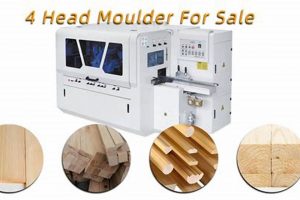
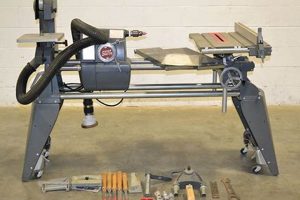
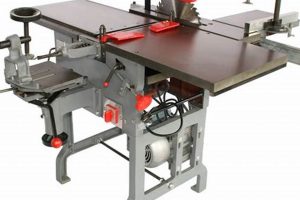
The cost associated with acquiring a comprehensive tool capable of performing several woodworking operations, such as sawing, planing, jointing, and routing, represents a significant factor in equipment investment decisions. These machines consolidate functionalities traditionally found in separate, dedicated tools, offering a space-saving alternative. The financial outlay for such a unit can vary greatly based on features, build quality, brand reputation, and included accessories. An example is that entry-level models with limited capacity may be suitable for hobbyists, while professional-grade machines with larger tables and more powerful motors command a higher price.
Understanding the expenditure related to a consolidated woodworking solution is crucial for both amateur woodworkers and professional workshops. These versatile units offer potential cost savings by eliminating the need to purchase and maintain multiple single-purpose machines. Historically, such machines were bulky and less precise, but advancements in engineering have led to more accurate and reliable models, making them a valuable asset. The convenience of having several operations available in a single footprint often outweighs the initial investment, increasing efficiency and workflow in woodworking projects.
The following sections will delve into the factors that influence the expense, the advantages and disadvantages associated with such systems, and provide a guide to navigate the market effectively.
The subsequent advice aims to assist in making informed decisions regarding the monetary aspect of acquiring a combination woodworking machine.
Tip 1: Define Project Requirements: Accurately assess the size and type of projects typically undertaken. A larger shop requiring heavy stock removal and frequent operations will necessitate a more robust and, consequently, more expensive machine than a hobbyist’s workshop.
Tip 2: Evaluate Motor Power: The horsepower of the motor directly impacts the machine’s ability to handle demanding tasks. Sufficient power prevents stalling and ensures clean cuts, particularly when working with hardwoods. Lower-powered machines are typically associated with lower upfront costs, but may lead to operational limitations.
Tip 3: Assess Feature Set and Functionality: Consider which operations are essential. Some machines offer a wide range of functions, while others focus on core operations. Prioritize functionalities relevant to your woodworking practices to avoid paying for unused features.
Tip 4: Examine Build Quality and Materials: Opt for machines constructed with durable materials, such as cast iron or heavy-gauge steel. Superior construction enhances stability, reduces vibration, and extends the lifespan of the equipment, justifying a higher initial investment in some instances.
Tip 5: Research Brand Reputation and Warranty: Investigate the manufacturer’s reputation for reliability and customer support. A comprehensive warranty provides protection against defects and malfunctions, reducing potential repair costs. Established brands often command a premium due to their proven track record.
Tip 6: Compare Vendor Options: Obtain quotations from multiple suppliers to identify the most competitive pricing. Negotiate terms and inquire about potential discounts or financing options.
Tip 7: Consider Used Equipment: Explore the market for used, professionally refurbished machines. These can offer significant savings compared to new equipment, provided the machine is thoroughly inspected for wear and tear and has been properly maintained.
These strategies emphasize the importance of carefully analyzing needs and product features, rather than solely focusing on the initial expenditure, to maximize the value and longevity of the equipment.
The following section will provide a conclusion for the information provided.
1. Initial investment cost

The initial investment cost is a primary consideration when evaluating the acquisition of a multipurpose woodworking machine. It encompasses the total expenditure required at the point of purchase and represents a significant barrier to entry for many prospective users. Understanding the contributing factors to this initial expense is crucial for making informed financial decisions.
- Machine Complexity and Functionality
More complex machines with a wider array of functions typically incur higher initial investment costs. Machines offering sawing, planing, jointing, routing, and sanding capabilities in a single unit demand more intricate engineering and manufacturing processes, increasing the overall production cost. For example, a machine that combines a jointer, planer, and table saw will inherently be more expensive than a standalone table saw due to the added complexity and functionalities. This complexity translates to a higher price tag.
- Brand Reputation and Manufacturing Quality
Established brands with a reputation for durability and precision often command a premium in the market, impacting the initial investment. Manufacturers employing high-quality materials, stringent quality control measures, and advanced manufacturing techniques produce machines with greater longevity and accuracy. A machine constructed with cast iron components and precision-ground surfaces will generally cost more than one made with lighter, less durable materials. The brand’s commitment to quality directly influences the expenditure required for acquisition.
- Included Accessories and Features
The inclusion of various accessories and features significantly contributes to the initial investment cost. Machines bundled with items such as dado blades, mortising attachments, or digital readouts inherently carry a higher price. For example, a machine with a built-in dust collection system or a variable-speed motor will typically be more expensive than a comparable model lacking these features. The perceived value and necessity of these bundled additions influence the overall purchase decision.
- Technological Advancements and Automation
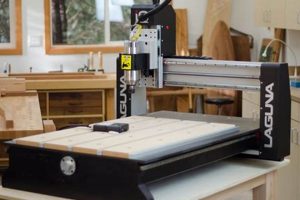
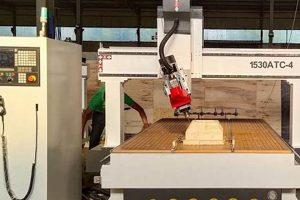
Machines incorporating advanced technological features and automation systems contribute to increased initial investment. Models with CNC capabilities, automated material feeds, or integrated safety systems require sophisticated software and hardware components. The integration of such technologies enhances precision and efficiency but also increases the manufacturing cost, reflected in the price. A CNC-controlled multipurpose machine, for example, will be substantially more expensive than a manually operated model.
In summary, the initial investment required for a multipurpose woodworking machine is multifaceted. Considering these aspects in relation to specific needs and budgets ensures responsible financial planning and facilitates the selection of a machine that aligns with both operational requirements and investment capacity. Evaluating the trade-offs between cost, functionality, and quality ensures a balanced and informed purchase.
2. Operational expenses

Operational expenses represent a recurring cost associated with maintaining and utilizing a multipurpose woodworking machine. These costs are intrinsically linked to the initial acquisition, influencing the overall long-term investment. The acquisition cost, however, does not fully encapsulate the financial implications of owning and operating such a machine. Underestimating or ignoring operational expenses can lead to inaccurate financial planning and potentially unsustainable woodworking practices.
Components of operational expenditure include electricity consumption, maintenance and repair costs, tooling expenses, and material waste. Higher-priced machines often incorporate energy-efficient motors and robust components, potentially reducing long-term energy bills and maintenance requirements. Conversely, cheaper units may exhibit higher failure rates and consume more power, increasing the cumulative cost over time. Tooling, such as saw blades, router bits, and planer knives, requires periodic replacement or sharpening. The frequency of replacement depends on material usage, machine precision, and tooling quality. The operational consequences of inefficient tooling include wasted material, increased machining time, and diminished surface quality. For example, a dull planer knife may require multiple passes to achieve a smooth surface, thereby consuming additional electricity and generating excess sawdust. Dust collection is also relevant. Poor extraction leads to health risks and potentially diminished machine performance.
In conclusion, although the purchase amount is an immediate expenditure, the impact of operational expenses accumulates over the machine’s lifespan. Evaluating these costs alongside the initial purchase can optimize the value and sustainability of a multipurpose woodworking machine investment. A holistic understanding of cost, including both upfront and recurring expenses, is vital for making a fiscally sound and practical woodworking machinery choice.
3. Machine capabilities

The operational breadth of a multipurpose woodworking machine, characterized by its diverse capabilities, directly influences its market cost. This correlation stems from the intricate engineering, advanced components, and expanded functionality embedded within units designed to perform multiple woodworking tasks.
- Number of Integrated Functions
The quantity of operations a single machine can perform correlates positively with its expense. A machine that combines sawing, planing, jointing, routing, and sanding necessitates more complex mechanisms and control systems. For instance, a model capable of both horizontal and vertical routing will command a higher market price than one limited to a single routing orientation. This increased functionality inherently reflects a greater engineering and manufacturing investment.
- Precision and Accuracy of Operations
The level of precision attainable in each function significantly impacts machine price. Models designed to maintain tight tolerances during sawing, planing, or jointing incorporate more robust construction and advanced measurement systems. A machine capable of achieving +/- 0.001″ accuracy in cuts demands higher-quality components and precision calibration, factors contributing to a higher price. This focus on precision represents a key differentiator between entry-level and professional-grade machines.
- Material Capacity and Versatility
The ability to process a range of material types and dimensions affects the cost. A machine designed to handle hardwoods, softwoods, and composite materials of varying thicknesses requires more powerful motors and adaptable feed systems. A multipurpose unit capable of planing boards up to 12 inches wide and sawing lumber up to 6 inches thick will command a higher price than one with more limited capacity. This versatility in material handling reflects the machine’s ability to adapt to diverse project requirements.
- Automation and Control Systems
The integration of automated features and advanced control systems contributes to the increased cost. Machines equipped with CNC capabilities, digital readouts, and automated blade height adjustments enhance precision and efficiency. For example, a machine with a programmable rip fence or automated mortising function will carry a higher price tag due to the incorporated technology. These features streamline operations and improve repeatability, but also contribute to a higher initial investment.
In summary, machine capabilities, encompassing the range of functions, precision, material versatility, and automation, directly influence the cost of a multipurpose woodworking machine. A judicious assessment of project requirements and operational needs is vital to align machine capabilities with budgetary constraints and maximize the return on investment.
4. Long-term reliability

The correlation between long-term reliability and the expenditure on a multipurpose woodworking machine is significant. A higher initial capital outlay often translates to increased operational longevity and reduced downtime, fundamentally impacting the machine’s overall economic value. The reliability factor incorporates several elements, including the quality of materials used in construction, the precision of manufacturing processes, and the robustness of the machine’s design. A machine built with high-grade cast iron components, for example, will generally exhibit greater resistance to wear and tear than one constructed from lighter, less durable materials. The consequence is reduced instances of mechanical failure and diminished maintenance demands over the machine’s operational life. A commercial woodworking shop relying on a combination machine for daily production tasks exemplifies this relationship. Investing in a higher-priced, more robust machine minimizes the risk of production halts due to breakdowns, thereby safeguarding revenue streams.
Furthermore, long-term reliability directly influences the indirect costs associated with machine ownership. Frequent repairs necessitate the purchase of replacement parts, consumption of labor hours dedicated to maintenance, and potential disruptions to project timelines. Conversely, a reliable machine minimizes these ancillary expenditures. Moreover, manufacturers who prioritize long-term reliability often provide more extensive warranties and readily available technical support, offering additional financial protection and peace of mind. The selection of a machine should, therefore, involve a careful assessment of the manufacturer’s reputation for building durable, dependable equipment. Examining user reviews, scrutinizing warranty terms, and assessing the availability of spare parts are essential steps in evaluating the long-term reliability of a given machine model.
Ultimately, the relationship between machine cost and long-term dependability highlights the importance of considering lifetime value rather than solely focusing on the initial purchase outlay. A more expensive machine that operates reliably for an extended period may prove to be a more cost-effective investment than a cheaper alternative prone to frequent breakdowns and costly repairs. This long-term perspective is crucial for maximizing productivity, minimizing operational disruptions, and ensuring the continued success of woodworking ventures.
5. Resale value

The resale value of a multipurpose woodworking machine is intrinsically linked to its initial acquisition cost and serves as a crucial consideration in the overall investment assessment. A higher initial expenditure often correlates with a greater retained value over time, assuming proper maintenance and care. This relationship stems from the durable construction, advanced features, and brand reputation often associated with more expensive machines. For instance, a machine from a well-established European manufacturer, known for its robust build and precision engineering, typically commands a higher resale price compared to a less reputable, budget-friendly alternative. This difference reflects the market’s perception of quality, longevity, and continued operational capability.
The practical significance of understanding this connection lies in its influence on the total cost of ownership. While the initial purchase may represent a significant capital outlay, the potential to recoup a substantial portion of that investment through resale mitigates the overall financial burden. This is particularly relevant for professional workshops or woodworking businesses that periodically upgrade their equipment. By selecting a machine with a strong resale market, these entities can effectively reduce their long-term capital expenditure and maintain a modern, efficient operational setup. Conversely, a machine with poor resale value essentially becomes a sunk cost, diminishing the return on the original investment.
Ultimately, the resale value is a key component of the total cost of ownership for a multipurpose woodworking machine, necessitating careful consideration during the initial purchasing decision. Factors such as brand reputation, build quality, maintenance records, and market demand all contribute to the machine’s ability to retain its value over time. Ignoring this aspect can lead to inaccurate financial planning and a diminished return on investment, underscoring the importance of evaluating both the immediate and long-term economic implications of acquiring a specific woodworking machine.
Frequently Asked Questions
The following section addresses common inquiries concerning the pricing structure and cost-related considerations for multipurpose woodworking machines. These questions are designed to provide clarity and facilitate informed purchasing decisions.
Question 1: What are the primary factors influencing the expense of a multipurpose woodworking machine?
The overall cost is affected by numerous elements, including the number of integrated functions (sawing, planing, jointing, routing, etc.), the precision and accuracy of these functions, the machine’s material capacity and versatility, the quality of construction materials, the brand reputation, and the inclusion of advanced features such as digital readouts or CNC capabilities.
Question 2: How does motor power impact the expenditure?
Motor horsepower significantly affects the price. Higher horsepower motors enable the machine to handle more demanding tasks and process tougher materials. A machine with insufficient motor power may experience stalling or produce inconsistent results, potentially negating any initial cost savings.
Question 3: Are there significant operational costs associated with these machines beyond the initial purchase?
Yes. Operational costs include electricity consumption, maintenance and repair expenses, tooling (saw blades, router bits, planer knives) replacement, and potential material waste due to machine inefficiency. These recurring expenditures should be factored into the overall cost assessment.
Question 4: Is purchasing a used machine a viable option to reduce capital expenditure?
Acquiring a used or professionally refurbished machine can substantially reduce the initial investment. However, a thorough inspection is essential to verify the machine’s condition, operational functionality, and maintenance history. Factor in potential repair costs and reduced lifespan when evaluating a used machine.
Question 5: How does brand reputation influence pricing?
Established brands known for producing reliable, high-quality woodworking machines often command a premium. These brands typically offer superior warranties, readily available technical support, and greater parts availability, contributing to a higher perceived value.
Question 6: Does the inclusion of accessories or advanced features justify a higher market price?
The value of included accessories and advanced features, such as digital readouts or automated systems, depends on individual needs and workflow requirements. Carefully assess whether these features are essential for planned projects to avoid paying for unused capabilities.
In summary, comprehending the variables influencing pricing enables a judicious evaluation of value relative to specific woodworking needs.
The subsequent section will provide concluding remarks for this documentation.
Conclusion
The preceding discussion has thoroughly examined the elements contributing to the expense associated with multipurpose woodworking machines. Key determinants include the number and precision of integrated functions, material capacity, build quality, brand reputation, and the inclusion of advanced features. Operational expenditures, long-term reliability, and potential resale value also significantly impact the total cost of ownership. Evaluating these interrelated factors is essential for informed decision-making.
Recognizing the complex interplay of variables that define the multipurpose woodworking machine price empowers prospective buyers to make strategic investments aligned with their specific needs and budgetary constraints. A holistic cost-benefit analysis, considering both upfront and long-term implications, is crucial for maximizing productivity and ensuring the enduring value of this significant capital investment.