A mobile platform designed for woodworking tasks provides a stable and versatile workspace. This type of bench often incorporates features such as integrated storage, a robust work surface, and locking casters to ensure stability during use. For example, a craftsman might use such a platform to assemble intricate joinery, then easily reposition the entire setup within the shop to optimize workflow.
The utility of a portable workstation in woodworking stems from its ability to enhance efficiency and flexibility. The capacity to relocate a project in progress allows for better access to tools, improved lighting conditions, and simplified cleanup. Historically, woodworking benches were stationary fixtures, but the integration of mobility addresses space constraints and workflow optimization needs in modern workshops.
The subsequent sections will delve into the crucial design considerations, material choices, and construction techniques involved in building a durable and functional woodworking platform. Topics will include selecting appropriate casters, optimizing work surface dimensions, and incorporating effective storage solutions.
Construction and Usage Guidance
The following guidance addresses key considerations for the creation and effective employment of a mobile woodworking station. These tips aim to maximize the utility, durability, and safety of such a unit.
Tip 1: Caster Selection is Paramount: Employ heavy-duty, locking casters rated for a load capacity exceeding the anticipated weight of the bench and its contents. Failure to do so can compromise stability and maneuverability.
Tip 2: Prioritize Work Surface Stability: Construct the work surface from a rigid material such as hardwood or laminated plywood of sufficient thickness (at least 1.5 inches) to minimize deflection under load. Ensure secure attachment to the frame.
Tip 3: Optimize Dimensions for Intended Use: Tailor the bench’s height and surface area to accommodate the specific types of projects and tools typically used. A height that promotes ergonomic posture is crucial for prolonged use.
Tip 4: Integrate Robust Frame Construction: Utilize mortise-and-tenon joints or other strong joinery methods to ensure the frame’s structural integrity. The frame must withstand the stresses of movement and heavy loads.
Tip 5: Implement Effective Braking Mechanisms: Locking casters should be easily accessible and reliably engage to prevent unintended movement during operation. Regular inspection and maintenance of the braking system are essential.
Tip 6: Storage Solutions Enhance Functionality: Incorporate drawers, shelves, or cabinets to store tools and materials within easy reach. Optimize the layout for efficient organization and access.
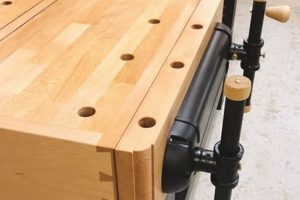
Tip 7: Consider a Built-In Vise: Integrating a vise, securely mounted to the work surface, expands the bench’s versatility for clamping and holding workpieces.
Adherence to these guidelines will result in a mobile woodworking platform that provides a stable, versatile, and safe working environment, enhancing productivity and workflow within the workshop.
The final segment of this document will offer a summary of best practices and offer recommendations for long-term maintenance and care.
1. Mobility

Mobility, in the context of a woodworking platform, transcends simple relocation; it represents a strategic advantage in optimizing workshop workflow and adapting to dynamic project requirements. The ability to readily reposition a workstation fundamentally alters the organization and efficiency of woodworking processes.
- Enhanced Workflow Adaptability
A mobile woodworking bench facilitates a flexible workshop layout, allowing for rearrangement to suit the evolving demands of different projects. This adaptability is particularly valuable in smaller workshops where space is at a premium, enabling the creation of temporary work zones tailored to specific tasks. The relocation of the bench can significantly improve the overall workflow in a dynamic environment.
- Improved Access to Resources
The capability to move the bench closer to power outlets, specialized machinery, or natural light sources is a significant benefit. This reduces the need for long extension cords, minimizes tripping hazards, and provides improved visibility for intricate work. Optimal placement relative to resources can directly impact productivity and safety.
- Facilitated Material Handling
Mobility simplifies the movement of heavy materials and components. A bench can be positioned directly adjacent to lumber storage or assembly areas, reducing the physical strain associated with lifting and carrying. This is particularly beneficial when working with large or awkward pieces.
- Streamlined Cleanup Procedures
Relocating the bench to a dedicated cleanup area streamlines waste management. Sawdust and debris can be efficiently collected and disposed of, maintaining a cleaner and safer working environment. This reduces the risk of accidents and promotes overall shop hygiene.
The strategic integration of mobility into a woodworking platform directly translates to increased efficiency, improved safety, and greater adaptability within the workshop. The capacity to readily adjust the work environment optimizes workflows, enhancing the overall woodworking experience. The choice of appropriate casters is paramount to realizing the benefits of mobility without compromising stability.
2. Stability

The stability of a mobile woodworking platform is paramount to its functionality and safety. While mobility offers flexibility, it must not compromise the security of the work surface. Instability during woodworking tasks can lead to inaccurate cuts, damaged materials, or potential injury. The inherent challenge lies in reconciling the mobile nature of the bench with the need for a solid, vibration-free working environment. The design and construction of the bench must, therefore, prioritize mechanisms and structural elements that counteract the destabilizing effects of its mobile base. For example, a bench without adequate locking casters might shift unexpectedly during planing operations, resulting in uneven surfaces and requiring rework.
Achieving stability in these platforms involves a combination of factors. Heavy-duty locking casters are essential, effectively transforming the mobile unit into a stationary one when engaged. A robust frame, often constructed from hardwood or steel, provides a rigid base that resists flexing and vibration. Weight distribution is also critical; a lower center of gravity enhances stability by reducing the likelihood of tipping. Furthermore, features like adjustable leveling feet compensate for uneven floor surfaces, ensuring a level work area. The absence of any of these elements can significantly detract from the bench’s utility, rendering it unsuitable for precision woodworking tasks.
In conclusion, the connection between stability and a mobile woodworking bench is critical. It is achieved through proper material selection, design implementation, and the inclusion of robust locking mechanisms. A stable workbench facilitates precision, safety, and efficiency. The importance of understanding this connection allows craftsmen to build or select benches that meet the rigorous demands of woodworking. Neglecting this fundamental aspect undermines the very purpose of the workbench, reducing its effectiveness and increasing the risk of accidents.
3. Work Surface
The work surface constitutes the primary interface between the craftsman and the material being worked upon. In the context of a mobile woodworking platform, the properties of this surface directly influence the precision, efficiency, and safety of woodworking operations. The selection and construction of the work surface must, therefore, align with the demands of typical woodworking tasks.
- Material Composition and Rigidity
The material of the work surface dictates its resistance to deflection under load and its ability to dampen vibrations. Hardwoods like maple or beech, as well as laminated plywood of sufficient thickness, are commonly employed due to their rigidity and stability. A work surface exhibiting excessive flex can compromise the accuracy of cuts and joinery. For instance, a thin or poorly supported surface might deflect when planing, resulting in an uneven finished product. Conversely, a rigid surface provides a stable platform for precision work.
- Surface Area and Dimensions
The dimensions of the work surface must accommodate the typical size of projects undertaken. An inadequately sized surface can limit the scope of achievable tasks and hinder workflow. A larger surface allows for the layout of multiple components or the accommodation of larger workpieces. However, excessive size can compromise maneuverability in confined spaces. The optimal dimensions represent a balance between usability and practicality within the intended workshop environment.
- Surface Texture and Finish
The texture and finish of the work surface impact the ease of material handling and cleaning. A smooth, sealed surface facilitates the sliding of workpieces and simplifies the removal of glue and sawdust. However, excessive smoothness can reduce friction, potentially leading to slippage during clamping or machining. A carefully considered finish balances the need for ease of cleaning with the requirement for adequate grip.
- Integration of Workholding Features
The work surface often serves as a mounting point for vises, clamping tracks, and other workholding devices. The secure integration of these features is crucial for maintaining stability and accuracy during operations. A poorly mounted vise can introduce vibrations or shift under load, compromising the precision of cuts and joinery. The work surface must, therefore, provide a robust and stable platform for these essential tools.
In summary, the work surface is a defining element of a functional platform. Its material, dimensions, finish, and integration with workholding features directly influence the effectiveness and versatility of the bench. The selection and construction of the work surface must be carefully considered to ensure that it meets the demands of the intended woodworking tasks and contributes to a safe and productive working environment.
4. Storage
Integrated storage in a rolling woodworking bench addresses a critical need for organization and efficiency in woodworking environments. The availability of readily accessible storage directly impacts workflow, minimizing the time spent searching for tools and materials. This reduces idle time, enhancing overall productivity. For example, a bench with drawers dedicated to specific tools, such as chisels or measuring instruments, allows a craftsman to quickly retrieve the necessary items without disrupting the task at hand. The presence of storage is not merely a convenience; it is an essential element that transforms the workbench into a self-contained, mobile workspace.
The design and configuration of storage within such a bench can vary widely, depending on the craftsman’s preferences and the nature of the woodworking tasks performed. Options range from open shelving for larger items to drawers with custom dividers for smaller tools and fasteners. Cabinets with doors can provide secure storage for sensitive equipment or hazardous materials. The optimal configuration depends on the frequency of use of different tools and materials, as well as the available space. For instance, a bench used primarily for carving might benefit from numerous small drawers for gouges and carving knives, while a bench used for assembly might prioritize larger compartments for clamps and hardware. The integration of a dust collection system can further enhance the functionality of the storage area, keeping tools clean and ready for use.
Incorporating the storage capacity within the design offers significant practical advantages. Minimizing time wasted looking for tools and components. Maintaining a cleaner, more organized workspace. Securing tools and materials effectively when the bench is not in use. Therefore, storage is a critical attribute. Its absence diminishes the bench’s potential. The careful thought into integrating effective storage solutions is fundamental to maximizing efficiency.
5. Durability
The durability of a mobile woodworking platform directly correlates with its long-term utility and cost-effectiveness. A woodworking bench subjected to frequent relocation, heavy loads, and exposure to workshop conditions requires robust construction and resilient materials to withstand wear and tear. Premature failure of components, such as casters, work surfaces, or frame members, negates the benefits of mobility and necessitates costly repairs or replacements. For example, a bench constructed with low-quality plywood might exhibit warping or delamination under humid conditions, rendering it unsuitable for precision work. Similarly, casters with inadequate load ratings could fail under the weight of tools and materials, compromising the bench’s mobility and stability.
Several factors contribute to the overall durability of a mobile woodworking platform. The selection of appropriate materials, such as hardwoods, steel, or high-density laminates, is paramount. Robust joinery techniques, such as mortise-and-tenon joints or welded connections, ensure the structural integrity of the frame. Protective finishes, such as polyurethane or epoxy coatings, shield the work surface from scratches, spills, and chemical exposure. Regular maintenance, including lubrication of casters and tightening of fasteners, further extends the lifespan of the bench. The absence of these factors leads to rapid degradation, undermining the initial investment in the platform.
In summary, durability is not merely a desirable attribute of a mobile woodworking platform; it is a fundamental requirement for sustained performance and value. A well-constructed and properly maintained bench provides a reliable and adaptable workspace for years to come, contributing to increased productivity and reduced costs. Conversely, a poorly constructed bench represents a false economy, ultimately resulting in higher expenses and diminished utility. Therefore, prioritizing quality materials, robust construction, and regular maintenance is essential for maximizing the long-term benefits of such a woodworking platform.
6. Ergonomics

The ergonomic design of a mobile woodworking platform directly affects user comfort, productivity, and long-term physical health. A poorly designed bench can lead to musculoskeletal disorders, reduced efficiency, and increased fatigue. Conversely, a bench optimized for ergonomic principles minimizes strain, promotes proper posture, and enhances the overall woodworking experience. The height of the work surface is a primary ergonomic consideration; a surface that is too low or too high forces the user to bend or reach excessively, leading to back pain and shoulder strain. Similarly, the placement of storage compartments and tools can impact ease of access and reduce the need for awkward movements. The integration of features like adjustable height mechanisms and strategically positioned vises further contributes to ergonomic optimization. For example, an individual of shorter stature might experience significant discomfort using a bench designed for a taller person, highlighting the importance of adjustability.
Ergonomic design principles extend beyond basic dimensions and encompass factors such as vibration damping and the reduction of repetitive motions. The use of materials that minimize vibration transfer from power tools to the user’s hands and arms can mitigate the risk of carpal tunnel syndrome and other repetitive stress injuries. The arrangement of tools and materials within easy reach minimizes the need for excessive reaching and bending, reducing strain on the back and shoulders. Furthermore, the inclusion of features like footrests can promote proper posture and reduce fatigue during prolonged periods of standing. The absence of these considerations can transform woodworking from a pleasurable activity into a physically demanding and potentially harmful occupation.
In conclusion, ergonomics is an indispensable component of a well-designed mobile woodworking platform. Ignoring ergonomic principles compromises user well-being and diminishes the overall effectiveness of the workbench. The integration of adjustable features, thoughtful storage solutions, and vibration damping materials creates a workspace that is both comfortable and efficient, promoting long-term health and productivity. The careful application of ergonomic principles transforms the workbench from a mere platform into a tool that enhances the craft and protects the craftsman.
Frequently Asked Questions
The following section addresses common inquiries regarding mobile woodworking platforms, aiming to clarify prevalent misconceptions and provide succinct, factual responses.
Question 1: What is the typical load capacity of a mobile woodworking platform?
Load capacities vary significantly depending on the construction and caster ratings. Heavy-duty models may support upwards of 500 pounds, while lighter-duty benches may be limited to 200 pounds. Always consult the manufacturer’s specifications before exceeding the stated weight limit.
Question 2: Are rolling woodworking benches stable enough for precision woodworking tasks?
Stability depends largely on the quality of the casters and the overall design. Locking casters are essential to prevent movement during use. A robust frame and a low center of gravity also contribute to enhanced stability. Prioritize models with these features for precision work.
Question 3: What materials are best suited for the work surface of a mobile woodworking platform?
Hardwoods, such as maple or beech, and laminated plywood of sufficient thickness are commonly used due to their rigidity and durability. The selected material should resist warping and deflection under load.
Question 4: Can a rolling woodworking bench be easily adapted to different workshop layouts?
A primary advantage of a mobile bench is its adaptability. It can be readily repositioned to accommodate changing project requirements or to optimize workflow in dynamic workshop environments.
Question 5: How does the integration of storage enhance the functionality of a mobile woodworking platform?
Integrated storage provides convenient access to tools and materials, reducing the time spent searching for items and streamlining workflow. Drawers, shelves, and cabinets should be strategically placed for optimal organization.
Question 6: What maintenance procedures are necessary to ensure the longevity of a mobile woodworking bench?
Regular maintenance includes lubricating casters, tightening fasteners, and inspecting the work surface for damage. Protective finishes should be reapplied periodically to prevent deterioration.
In summary, the effectiveness of a mobile woodworking platform hinges on its stability, load capacity, material selection, and integration of features such as locking casters and storage solutions. Proper maintenance is also crucial for long-term performance.
The subsequent section provides a detailed comparison of commercially available mobile woodworking platforms, highlighting their respective strengths and weaknesses.
Conclusion
This exploration has underscored the multifaceted nature of the rolling woodworking bench. A comprehensive consideration of stability, durability, ergonomics, and integrated storage proves essential in maximizing the utility of these platforms. The correct material selection, robust construction, and careful maintenance are crucial for any craftsman to ensure consistent and effective utilization.
Adherence to these principles transforms a simple piece of equipment into a valuable asset, significantly enhancing productivity and workflow. It is recommended that any individual interested in maximizing efficiency and organization should carefully review the features of available platforms before making a final selection, ensuring that the chosen solution aligns with his or her particular needs. The longevity and efficacy of any setup are inextricably linked to a thoughtful approach to design and diligent care.