



The creation of a surface designed for communal meals, employing techniques of shaping and joining wood, represents a functional art form central to domestic life. Such a piece is characterized by its construction from various timber species, assembled to provide a stable and aesthetically pleasing platform for dining. For instance, a craftsman might utilize hardwoods like oak or maple for the tabletop to ensure durability, while employing softer woods such as pine or cedar for the legs and supporting structure, balancing cost and structural integrity.
The significance of a handcrafted meal surface extends beyond its utilitarian purpose. It embodies a connection to traditional skills, offering a tangible contrast to mass-produced furniture. Historically, these items have served as focal points within homes, gathering families and facilitating social interaction. The choice of wood, the joinery methods employed, and the overall design reflect cultural values and individual craftsmanship, resulting in a unique and often heirloom-quality object.
The subsequent sections will delve into the specific processes involved in its creation, including material selection, joinery techniques, finishing options, and considerations for design and ergonomics. Further exploration will focus on the different styles and variations that exist, catering to diverse aesthetic preferences and functional needs.
Tips for Constructing a Durable and Aesthetically Pleasing Meal Surface
The following guidelines offer valuable insights for woodworking endeavors focused on creating a lasting and visually appealing structure for dining.
Tip 1: Material Selection is Paramount: Employ hardwoods, such as maple or walnut, for the tabletop to ensure resistance to scratches, dents, and water damage. Consider softer woods for the legs and aprons to optimize cost without compromising structural integrity.
Tip 2: Master Joinery Techniques: Utilize mortise and tenon joints, dovetail joints, or robust dowel construction for securing the legs and apron. These methods provide superior strength and stability compared to simple screw-and-glue connections.
Tip 3: Proper Wood Preparation is Essential: Allow the wood to acclimate to the environment for several weeks before commencing the project. This minimizes warping and cracking after assembly.
Tip 4: Apply a Protective Finish: Select a durable finish, such as polyurethane or varnish, to protect the wood from moisture, stains, and wear. Multiple coats, with light sanding between each application, will yield a smoother, more resilient surface.
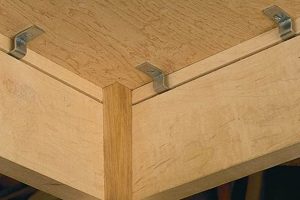
Tip 5: Ensure Structural Stability: Incorporate corner braces or gussets to reinforce the connection between the legs and the tabletop, preventing wobble and extending the lifespan of the unit.
Tip 6: Consider Ergonomics: Design the height of the dining surface to accommodate comfortable seating. A standard height of 30 inches is generally appropriate, but adjustments may be necessary based on chair dimensions.
Tip 7: Implement Breadboard Ends: Employ breadboard ends on solid wood tabletops to mitigate warping and cupping. This technique allows the main tabletop to expand and contract with seasonal changes in humidity.
Adhering to these recommendations will contribute to the creation of a durable, aesthetically pleasing, and functional structure, a dining surface designed to withstand years of use.
The subsequent section will explore specific design considerations for creating a unique and personalized structure for dining.
1. Wood Species Selection

The choice of wood fundamentally determines the longevity, aesthetic appeal, and functional suitability of any handcrafted surface intended for dining. The inherent characteristics of different timber typesincluding hardness, grain pattern, density, and resistance to moisturedirectly influence its ability to withstand daily use and environmental factors. For instance, a surface constructed from a soft wood like pine is more susceptible to dents and scratches from cutlery and dishes compared to one crafted from a hardwood such as maple or oak. Therefore, understanding the properties of various wood species is paramount in the initial stages of design and construction. The appropriate selection mitigates premature wear and maintains the piece’s structural integrity and visual appearance over time. A craftsman creating a robust, long-lasting piece would favor hardwoods known for their resilience, while one prioritizing cost-effectiveness might opt for a softwood, accepting the trade-off in durability.
Practical applications of wood species selection extend beyond simple material choice. The grain pattern of the wood contributes significantly to the aesthetic. A highly figured wood, like burl or quilted maple, can create a stunning visual focal point, demanding careful consideration of how it is incorporated into the overall design. Furthermore, some wood species contain natural oils or resins that offer inherent protection against moisture and decay. Teak, for example, is often favored for outdoor furniture due to its natural water resistance. Similarly, the density of the wood affects its weight, which is a crucial factor when considering the portability or permanent placement of the dining surface. Improper selection can lead to structural issues, such as warping or cracking, particularly if the wood is exposed to significant humidity fluctuations. Proper acclimatization of the chosen wood to the environment mitigates this potential for future instability.
In summary, wood species selection constitutes a critical determinant in the success of creating a durable and visually appealing dining surface. Challenges arise in balancing cost, aesthetic preferences, and functional requirements. A comprehensive understanding of wood properties, coupled with informed decision-making, is essential for optimizing the performance and lifespan of the finished piece. Moreover, sustainable sourcing practices are increasingly relevant, influencing the ethical and environmental impact of wood choices.
2. Joinery Method Strength

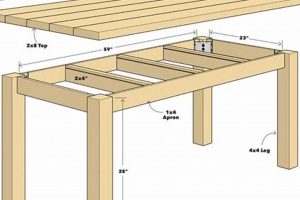
The structural integrity of a dining surface created through woodworking is directly contingent upon the strength of the joinery methods employed. These methods, which involve connecting individual pieces of wood to form a cohesive whole, bear the burden of supporting weight, resisting stress from daily use, and maintaining the table’s shape over time. A failure in a joint can result in instability, weakening, or even complete collapse of the piece. Strong joinery is thus not merely an aesthetic detail; it is a fundamental requirement for a functional and durable dining table. Examples of robust joinery techniques include mortise and tenon joints, dovetail joints, and various forms of lap joints. Each of these techniques, when executed properly, distributes stress across a larger surface area, thereby increasing the overall strength of the connection. The choice of joinery method must be appropriate for the specific design, the type of wood being used, and the expected load the table will bear.
The selection of a particular joinery method influences both the assembly process and the long-term performance of the furniture. For instance, dovetail joints, often used in drawer construction, provide exceptional resistance to pulling forces due to their interlocking shape. Similarly, a well-executed mortise and tenon joint, common in leg-to-apron connections, offers substantial strength and stability. When designing a dining table, woodworkers carefully consider the types of stresses that the piece will encounter. Tables with removable leaves, for example, require specialized joinery systems to ensure seamless alignment and consistent support across the extended surface. Furthermore, the precision of the joinery directly impacts the fit and finish of the table. Poorly executed joints can lead to gaps, uneven surfaces, and structural weaknesses that detract from both the aesthetic appeal and the functional utility of the piece.
In conclusion, the strength of joinery methods is an indispensable component in the construction of woodworking dining surfaces. From selecting appropriate techniques to ensuring precise execution, the mastery of joinery is crucial for producing tables that can withstand the rigors of daily use and endure for generations. Challenges in this area include the complexity of certain joinery techniques, the need for specialized tools and equipment, and the potential for human error during the assembly process. Understanding the principles of joinery strength is therefore essential for both amateur and professional woodworkers seeking to create durable and aesthetically pleasing dining tables.
3. Surface Finish Durability
Surface finish durability is a critical attribute directly impacting the longevity and aesthetic appeal of a woodworking dining table. The finish serves as a protective barrier against moisture, scratches, stains, and general wear, directly influencing the table’s ability to withstand the demands of daily use.
- Protection Against Moisture Intrusion
The finish acts as a sealant, preventing water and other liquids from penetrating the wood fibers. This is essential as moisture absorption can lead to warping, swelling, and ultimately, structural damage. Examples include spilled beverages or humid environments. A durable finish mitigates these risks, preserving the table’s integrity.
- Resistance to Abrasions and Scratches
Daily use of a dining table involves contact with cutlery, dishes, and other objects that can cause scratches and abrasions. A robust finish, such as polyurethane or conversion varnish, provides a hard, resilient surface that resists these types of damage, maintaining the table’s aesthetic appearance. Lower quality finishes are more susceptible to scratching, requiring frequent refinishing.
- Chemical Stain Resistance
Dining tables are frequently exposed to staining agents, such as food spills, wine, and cleaning products. A durable finish forms a barrier against these chemicals, preventing them from penetrating the wood and causing permanent stains. The level of stain resistance depends on the type of finish applied, with some finishes offering superior protection compared to others.
- UV Light Protection
Exposure to ultraviolet (UV) light can cause fading and discoloration of the wood over time. Certain finishes contain UV inhibitors that help to protect the wood from these effects, preserving its original color and tone. This is particularly important for tables placed in areas with significant sunlight exposure.
The interplay between these facets dictates the overall durability and lifespan of the surface finish on a woodworking dining table. Selecting an appropriate finish, coupled with proper application techniques, is paramount in ensuring that the table remains aesthetically pleasing and structurally sound for years to come. The choice of finish impacts the maintenance requirements, with some finishes necessitating more frequent upkeep than others. Ultimately, surface finish durability represents a crucial investment in the long-term value and utility of a handcrafted dining table.
4. Design Style Harmony

The aesthetic success of a woodworking dining table resides significantly in its adherence to design style harmony, ensuring that the tables visual characteristics align cohesively with its intended environment. The integration of a table lacking stylistic congruity within a space can disrupt the overall aesthetic, diminishing the perceived value of both the table and the surrounding dcor. A rustic-style table, for instance, crafted from reclaimed wood with visible joinery, would appear incongruous within a minimalist, modern dining room characterized by clean lines and polished surfaces. Conversely, a sleek, glass-topped table with chrome legs would be equally out of place in a room designed with a traditional, farmhouse aesthetic. The failure to consider design style harmony diminishes the table’s potential to serve as a focal point, instead relegating it to a discordant element within the room.
Practical application of design style harmony involves careful consideration of several elements. The material selection, finish, shape, and detailing must coalesce to reflect a specific design vocabulary. A mid-century modern table, typically characterized by tapered legs, clean lines, and a walnut finish, requires accurate replication of these features to maintain stylistic integrity. Similarly, a Shaker-style table, known for its simplicity, functionality, and use of natural materials, demands adherence to these principles. The selection of chairs, lighting, and other dining room elements must also complement the table’s design style to create a unified and visually appealing space. The degree of ornamentation, the color palette, and the scale of the table relative to the room’s dimensions are all critical factors in achieving design harmony.
In summary, design style harmony is a paramount consideration in the construction and integration of a woodworking dining table. The selection of materials, joinery, and finish must align with the intended aesthetic to create a cohesive and visually pleasing environment. Failure to prioritize design harmony results in a piece that detracts from the overall aesthetic of the space. Understanding and implementing these principles is essential for achieving a successful outcome. Challenges in this area include accurately identifying the prevailing design style, sourcing appropriate materials, and executing the design with precision. However, when achieved, design harmony elevates the woodworking dining table from a mere functional object to a significant element that enhances the overall aesthetic of the room.
5. Ergonomic Height Compliance

Ergonomic height compliance is a fundamental consideration in the design and construction of woodworking dining tables. The dimensions of the table must align with established ergonomic principles to ensure comfortable and safe use by individuals of varying heights, promoting proper posture and minimizing physical strain.
- Standard Height Considerations
The industry standard for dining table height is approximately 30 inches (76 cm). This dimension is predicated on accommodating the average adult seated height and allowing adequate legroom. Deviations from this standard, either higher or lower, can result in discomfort, back pain, and compromised dining posture. Consistent adherence to this standard promotes universal usability.
- Chair Height Interdependence
Ergonomic height compliance extends beyond the table itself to encompass the relationship between table height and chair seat height. A general guideline dictates that there should be approximately 12 inches (30 cm) between the seat of the chair and the underside of the table apron. Insufficient clearance restricts legroom, forcing individuals to adopt awkward postures. Excessive clearance, conversely, necessitates reaching upward, straining the shoulders and neck. Harmonizing these dimensions optimizes comfort and reduces the risk of musculoskeletal discomfort.
- Accommodating Diverse Populations
While adhering to standard dimensions is beneficial, recognizing the diversity of user heights is crucial. Custom woodworking projects offer the opportunity to tailor table height to accommodate specific individuals or populations with unique needs. For example, taller individuals may benefit from a slightly higher table to prevent slouching, while shorter individuals may require a lower table for comfortable reach. Adjusting the table height to suit the intended users reflects a commitment to ergonomic principles.
- Impact on Posture and Comfort
The ergonomic correctness of a dining table directly influences posture and comfort during mealtime. A table of appropriate height allows individuals to sit upright with their shoulders relaxed and their elbows resting comfortably on the table. Incorrect table height can lead to slouching, hunching, and other postural deviations that contribute to discomfort and long-term health issues. Prioritizing ergonomic height compliance promotes healthy posture and enhances the overall dining experience.
In conclusion, ergonomic height compliance represents a critical aspect of woodworking dining table design, impacting both the physical well-being and the overall dining experience. While standard dimensions provide a useful baseline, customization to accommodate diverse user needs and careful consideration of chair height interdependence are essential for achieving optimal ergonomic performance. Failure to prioritize ergonomic principles can result in discomfort, poor posture, and potential long-term health consequences.
Frequently Asked Questions
The following addresses prevalent inquiries concerning dining surfaces crafted through woodworking, providing clarity on key aspects of their construction, maintenance, and value.
Question 1: What wood species are most suitable for the construction of a durable dining surface?
Hardwoods, such as oak, maple, walnut, and cherry, are generally recommended due to their inherent density and resistance to wear and tear. Softwoods, such as pine or fir, can be used for less critical components, but are not ideal for the tabletop itself.
Question 2: Which joinery methods provide the most robust connections in a woodworking dining table?
Mortise and tenon joints, dovetail joints, and well-executed dowel joints offer superior strength and stability compared to simple screw-and-glue connections. The selection of joinery method depends on the specific design and the anticipated stress loads.
Question 3: How can the finish on a woodworking dining table be protected from damage?
Applying a durable finish, such as polyurethane or varnish, provides a protective barrier against moisture, scratches, and stains. Regular cleaning with appropriate cleaning products and the use of placemats and coasters can further extend the lifespan of the finish.
Question 4: What factors influence the ergonomic comfort of a woodworking dining table?
The table height, chair height, and the available legroom are critical factors. A standard table height of 30 inches is generally recommended, but adjustments may be necessary based on the chair dimensions and the user’s height.
Question 5: How does the design style of a woodworking dining table impact its value?
A design style that aligns with current aesthetic trends and the preferences of the intended market can significantly increase the table’s value. The quality of craftsmanship and the uniqueness of the design also contribute to its perceived worth.
Question 6: What maintenance is required to preserve a woodworking dining table?
Regular cleaning with a damp cloth, prompt removal of spills, and periodic application of furniture polish can help maintain the table’s appearance and protect the finish. Avoid placing hot objects directly on the surface, and consider using a tablecloth for added protection.
These FAQs provide a foundational understanding of key considerations for woodworking dining tables, addressing common concerns and offering insights into best practices. Understanding these aspects contributes to informed decision-making, promoting the acquisition and care of high-quality, enduring furniture.
The succeeding section delves into the economic considerations associated with acquiring a crafted surface for dining.
Woodworking Dining Table
This exploration has illuminated the multi-faceted nature of the woodworking dining table. From the crucial selection of appropriate wood species and the implementation of robust joinery techniques to the application of durable surface finishes and the adherence to ergonomic standards, each element contributes significantly to the final product’s longevity, functionality, and aesthetic value. Furthermore, the necessity of design style harmony ensures the seamless integration of the piece into its intended environment, enhancing its overall appeal.
The acquisition of such a table represents more than a mere purchase; it signifies an investment in enduring quality and timeless design. Whether a craftsman, a buyer, or simply an enthusiast, a thorough understanding of these considerations is paramount in appreciating the value and significance of the woodworking dining table as a functional art form destined to serve as a focal point for gathering and connection for generations to come. Further research and diligence in material selection and craftsmanship evaluation are strongly encouraged.

![Best Multi Function Woodworking Table [Guide] + Tips | Step-by-Step Guides, Tools & Inspiration to Build Beautiful Wooden Decor on a Budget](https://woodfromhome.com/wp-content/uploads/2026/04/th-222-300x200.jpg "Best Multi Function Woodworking Table [Guide] + Tips Step-by-Step Guides, Tools & Inspiration to Build Beautiful Wooden Decor on a Budget")
![Best Woodworking Assembly Table Guide - [Your Brand] | Step-by-Step Guides, Tools & Inspiration to Build Beautiful Wooden Decor on a Budget](https://woodfromhome.com/wp-content/uploads/2026/04/th-194-300x200.jpg "Best Woodworking Assembly Table Guide - [Your Brand] Step-by-Step Guides, Tools & Inspiration to Build Beautiful Wooden Decor on a Budget")