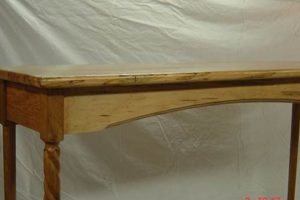
The crafting of individualized wooden structures and furnishings represents a specialized area within the broader woodworking industry. This niche focuses on producing items tailored to specific client requirements and aesthetic preferences, diverging from mass-produced, standardized options. For example, a client might commission a uniquely designed dining table crafted from a particular type of wood, finished to match existing decor.
This approach offers several advantages, including the ability to perfectly fit specific spaces, incorporate personal design elements, and utilize high-quality materials. Historically, such bespoke craftsmanship was the standard, with artisans creating pieces designed to last for generations. The resurgence of interest in personalized items reflects a desire for quality, durability, and individuality in home furnishings and architectural details.
The subsequent sections will delve into the various aspects of this personalized woodworking approach, examining the design process, material selection, fabrication techniques, and the overall value proposition it presents to discerning clients.
Guidance for Commissioning Bespoke Woodwork
The following recommendations aim to assist individuals seeking custom-designed and fabricated wooden elements for residential or commercial spaces. Careful consideration of these points can contribute to a successful and satisfying outcome.
Tip 1: Define Project Scope and Requirements: Prior to initiating discussions with a woodworking professional, clearly articulate the project’s objectives, dimensions, desired functionality, and aesthetic preferences. Provide detailed sketches or reference images to facilitate accurate communication.
Tip 2: Research and Select Qualified Professionals: Thoroughly investigate the credentials, experience, and portfolio of potential woodworking firms or individual artisans. Seek evidence of past projects similar in scope and style to the intended commission. Verify licensing and insurance coverage.
Tip 3: Prioritize Material Selection: Wood species selection significantly impacts the final product’s appearance, durability, and cost. Evaluate options based on grain pattern, hardness, resistance to moisture, and suitability for the intended application. Consider sustainably sourced materials.
Tip 4: Establish a Detailed Contract: A comprehensive written agreement is essential. This document should specify the scope of work, materials to be used, payment schedule, project timeline, and procedures for addressing potential changes or disputes. Review the contract with legal counsel if necessary.
Tip 5: Maintain Clear Communication Throughout the Project: Regularly communicate with the woodworking professional to monitor progress, address concerns, and ensure adherence to the agreed-upon specifications. Request updates and photographs at key milestones.
Tip 6: Account for Installation and Finishing: Factor in the costs associated with installation, finishing (staining, painting, sealing), and any necessary site preparation. Ensure that the chosen finishes are compatible with the wood species and the intended use environment.
Tip 7: Understand Maintenance Requirements: Different wood species and finishes require varying levels of maintenance to preserve their appearance and integrity. Inquire about recommended cleaning procedures and preventive measures to ensure long-term satisfaction.
Adhering to these guidelines promotes a well-defined project, minimizes potential misunderstandings, and maximizes the likelihood of receiving a custom woodwork piece that meets expectations and provides lasting value.
The subsequent stages will focus on the finalization and preservation aspects of bespoke wooden creations.
1. Design

The design phase constitutes the foundational element in the creation of specialized wooden products. It is the genesis of the form, function, and aesthetic qualities inherent in custom woodworking. A well-defined design directly dictates material selection, fabrication techniques, and ultimately, the overall success of the project. Consider, for example, the design of a complex, curved staircase. This necessitates a comprehensive understanding of structural mechanics, material properties, and spatial constraints to ensure both visual appeal and load-bearing capacity. Without a robust design, the resulting structure could compromise safety and aesthetics.
Furthermore, the design process facilitates effective communication between the client and the woodworking professional. Detailed plans, elevations, and 3D models provide a tangible representation of the intended outcome, minimizing potential misinterpretations and costly rework. For instance, in the design of bespoke kitchen cabinetry, specific hardware placement, internal storage configurations, and stylistic details are meticulously documented. This collaborative approach ensures the final product aligns precisely with the client’s needs and expectations, highlighting the critical role of thorough pre-construction planning.
In summation, design is not merely an aesthetic consideration but a pragmatic necessity in specialized woodworking. It serves as the blueprint for translating conceptual ideas into tangible realities, ensuring structural integrity, functional efficacy, and client satisfaction. Overlooking the design phases importance often results in projects that fall short of expectations or, worse, pose safety hazards. Therefore, a systematic and meticulous approach to design is paramount in the personalized woodworking sector.
2. Materials
The selection of materials forms a critical juncture in personalized woodworking. Material choice impacts structural integrity, aesthetic presentation, longevity, and overall cost. The properties inherent in different wood species directly influence the suitability for a particular application. For instance, a project requiring high resistance to moisture, such as outdoor furniture, might necessitate the use of teak or cedar, known for their natural oils and resistance to decay. Conversely, intricate carvings or delicate detailing might be best executed using softer woods like basswood or pine, which offer ease of manipulation.
Furthermore, the origin and sustainability of materials are increasingly relevant considerations. The use of reclaimed wood or wood sourced from sustainably managed forests reflects an ethical commitment and can contribute to a unique aesthetic. The grain pattern, color, and texture of the wood also play a significant role in the overall design. For example, the rich, dark tones of walnut might be selected for a formal dining table, while the lighter hues of maple could be chosen for a contemporary kitchen. The selection process involves a careful balancing of functional requirements, aesthetic preferences, and ethical considerations. The material selected is also heavily affected by the cost, availability, or specific needs of the project.
In summary, material selection in specialized woodworking is not merely a superficial decision but a fundamental aspect that dictates the final product’s characteristics and lifespan. A comprehensive understanding of material properties and sourcing practices is essential for achieving optimal results and ensuring long-term value. Careful consideration of these factors transforms material selection into a conscious and integral component of the personalized woodworking endeavor.
3. Craftsmanship
Craftsmanship serves as the linchpin of any successful venture centered on personalized wooden creations. The degree of skill and precision applied directly influences the quality, durability, and aesthetic appeal of the finished product. Imprecise joinery, for example, compromises the structural integrity of a custom-built cabinet, leading to premature failure. Conversely, meticulous attention to detail, such as hand-rubbed finishes and precisely fitted components, elevates the piece to a work of art. Consequently, the pursuit of high-caliber woodwork demands a commitment to excellence and a mastery of traditional techniques and innovative technologies.
The tangible manifestation of superior craftsmanship can be observed in various applications. Consider a complexly carved wooden headboard. A skilled artisan will seamlessly blend intricate details with structural stability, creating a piece that is both visually stunning and built to last. Similarly, in the creation of custom-designed kitchen islands, precise measurements, seamless transitions between different materials, and durable finishes are critical. These elements demonstrate not only technical proficiency but also a deep understanding of wood properties and the nuances of woodworking.
In conclusion, the connection between craftsmanship and specialized woodworking is inextricable. Superior craftsmanship is not merely a desirable attribute but an essential ingredient for achieving lasting quality and aesthetic value. The challenges lie in maintaining these standards amidst pressures for efficiency and cost reduction. However, upholding the principles of expert workmanship remains paramount for preserving the integrity and prestige of personalized woodwork.
4. Precision
The role of precision in specialized woodworking cannot be overstated. It is the bedrock upon which structural integrity, functional efficacy, and aesthetic refinement are built. Deviations from intended dimensions or angles can compromise the entire project, resulting in costly rework or a product that fails to meet expectations. The subsequent facets will examine specific manifestations of precision within this craft.
- Dimensional Accuracy
Dimensional accuracy pertains to the adherence to specified measurements in all stages of production. This is particularly critical when creating components that must integrate seamlessly with existing structures or other fabricated elements. An example includes crafting custom-built drawers for a dresser. Each drawer must precisely fit its designated space within the frame, ensuring smooth operation and preventing unsightly gaps. A lack of dimensional accuracy in this context can result in drawers that bind, stick, or are visibly misaligned.
- Joinery Execution
Joinery execution refers to the accurate and secure interlocking of wooden pieces. Traditional joinery methods, such as dovetails, mortise and tenon joints, and rabbets, rely on tight tolerances and precise cuts. In constructing a frame and panel door, properly executed mortise and tenon joints ensure the door’s structural integrity and prevent warping or sagging. Inaccurate joinery can lead to weakened connections, instability, and ultimately, the premature failure of the structure.
- Surface Finishing
Surface finishing encompasses the meticulous preparation and application of coatings to enhance the wood’s aesthetic appeal and protect it from environmental factors. Achieving a smooth, consistent, and durable finish requires precise sanding, staining, and sealing techniques. For instance, a high-gloss piano finish necessitates multiple layers of lacquer, each meticulously applied and polished to remove imperfections. Inadequate surface preparation or imprecise application can result in blemishes, uneven color, and reduced longevity.
- Hardware Integration
Hardware integration involves the accurate installation of hinges, knobs, pulls, and other mechanical components. Precise placement and alignment are crucial for ensuring smooth operation and preventing damage to the surrounding wood. Installing a concealed hinge requires precise mortising to ensure a flush fit and proper functionality. Inaccurate hardware integration can lead to binding, misalignment, and increased wear and tear on both the hardware and the wood.
These examples underscore the pervasive influence of precision in all aspects of specialized woodworking. From initial design to final assembly, meticulous attention to detail and a commitment to accuracy are paramount for achieving high-quality results. The absence of precision not only compromises the aesthetic appeal but also the structural integrity and longevity, ultimately undermining the value of the finished piece.
5. Durability

The longevity and resilience of bespoke wooden creations, a cornerstone of the specialized woodworking sector, stem directly from a confluence of factors. These include material selection, construction techniques, and the intended environment of use. The inherent structural integrity of wood, when coupled with expert craftsmanship, allows for the creation of pieces designed to withstand the test of time. For instance, custom-built furniture crafted from hardwoods like oak or maple, using time-honored joinery methods, exhibits a marked resistance to wear and tear compared to mass-produced alternatives constructed from engineered wood products.
The correlation between durability and client satisfaction is undeniable. Commissioning custom woodwork often represents a significant investment, with the expectation of enduring value. Consider the case of a library featuring custom-built shelving designed to house a substantial collection of books. The shelving must not only be aesthetically pleasing but also capable of bearing the weight of the books without sagging or warping over time. Similarly, exterior wooden doors and windows, when properly constructed from durable materials and treated with appropriate finishes, provide long-lasting protection against the elements, reducing the need for frequent repairs or replacements.
In conclusion, durability is not merely a desirable attribute but a defining characteristic of high-quality, personalized woodworking. Achieving lasting resilience requires a holistic approach, encompassing thoughtful design, meticulous material selection, expert craftsmanship, and appropriate environmental considerations. The challenges associated with balancing cost-effectiveness with long-term performance necessitate careful planning and a commitment to quality at every stage of the process. By prioritizing durability, specialized woodworking professionals can provide clients with lasting value and enduring beauty.
6. Aesthetics

The aesthetic dimension within personalized wooden creations directly influences perceived value and client satisfaction. In this context, aesthetics encompasses visual appeal, stylistic coherence, and the overall harmony between the wooden elements and their surrounding environment. The aesthetic decisions made during the design and fabrication processes dictate the objects capacity to evoke desired emotional responses and to complement existing architectural styles or interior design schemes. For instance, a custom-designed reception desk for a modern office might employ clean lines, minimalist detailing, and a light wood finish to convey a sense of contemporary sophistication. Conversely, a hand-carved wooden fireplace mantel in a traditional home could feature ornate detailing and a rich, dark stain to reflect the historical character of the space.
The selection of wood species, finishes, and hardware contributes significantly to the overall aesthetic impact. The grain pattern, color, and texture of the wood provide a foundation for visual interest, while the choice of stains, paints, or clear coatings enhances or modifies these natural characteristics. Hardware, such as knobs, pulls, and hinges, serves both functional and decorative purposes, adding subtle accents that complement the overall design. Furthermore, aesthetic considerations extend beyond the individual piece to encompass its integration within the larger environment. A custom-built bookcase, for example, should not only be visually appealing in isolation but also harmonize with the existing furniture, wall colors, and lighting in the room. The absence of careful aesthetic planning can result in a jarring contrast between the wooden element and its surroundings, diminishing its perceived value and detracting from the overall aesthetic cohesion of the space.
In conclusion, aesthetics are not merely superficial embellishments but integral components of specialized woodworking. Meticulous attention to detail, thoughtful selection of materials and finishes, and a comprehensive understanding of design principles are essential for achieving aesthetically pleasing and functionally successful results. A focus on these aspects enables professionals in this sector to create wooden objects that enhance the visual appeal of their surroundings, evoke positive emotional responses, and provide lasting value for their clients.
7. Functionality

Functionality, in the context of specialized wooden creations, represents the practical utility and intended purpose of a given piece. Its relationship to bespoke woodwork stems from the fundamental premise that customized items are designed to precisely meet the specific needs and requirements of the end user. Unlike mass-produced articles with generalized applications, individualized woodwork prioritizes the effective fulfillment of a designated task or tasks, making functionality a crucial consideration from the initial design phase. The cause-and-effect relationship is direct: well-considered functional requirements lead to tailored designs and ultimately, to a finished product that seamlessly integrates into the intended environment and serves its purpose effectively. The significance of functionality as a component is underscored by the fact that aesthetics alone cannot compensate for a piece that fails to perform its designated task; for example, a beautifully crafted desk that is ergonomically unsound or lacks adequate storage space is functionally deficient, regardless of its visual appeal.
The practical significance of understanding this connection is evident in various real-world scenarios. Consider a custom-designed laboratory workbench: it must provide a durable, chemical-resistant work surface, integrated storage for specialized equipment, and adjustable height to accommodate different users. In this instance, functionality dictates the choice of materials (e.g., epoxy resin countertops), the structural design (e.g., reinforced support frames), and the incorporation of specific features (e.g., built-in power outlets and ventilation systems). Similarly, a custom-built acoustic paneling system for a recording studio must effectively absorb sound waves to minimize reverberation and create an optimal recording environment. Here, functionality determines the panel dimensions, material composition (e.g., density and porosity), and placement within the room. These examples illustrate how specialized woodwork addresses specific functional challenges with tailored solutions.
In summary, functionality is a central tenet of personalized woodwork, influencing design decisions, material selection, and fabrication techniques. Its importance lies in ensuring that customized wooden creations not only meet aesthetic expectations but also effectively fulfill their intended purpose. While challenges may arise in balancing functionality with cost constraints or aesthetic preferences, prioritizing the practical utility of a piece ultimately contributes to its long-term value and client satisfaction. This understanding links directly to the broader theme of specialized woodworking as a field that prioritizes customization, quality, and the seamless integration of form and function.
Frequently Asked Questions about karn custom woodwork
The following section addresses common inquiries regarding personalized woodworking services. The information presented is intended to provide clarity and assist in informed decision-making.
Question 1: What distinguishes karn custom woodwork from mass-produced furniture?
Individualized woodwork offers bespoke design, tailored dimensions, and material selection. Mass-produced furniture typically employs standardized designs, materials, and dimensions, lacking the personalized features inherent in custom creations.
Question 2: How is the cost of karn custom woodwork determined?
Pricing factors include material costs, design complexity, fabrication time, and finishing requirements. A detailed quote is typically provided following an assessment of the project scope and specifications.
Question 3: What types of wood are typically utilized in karn custom woodwork projects?
A variety of wood species can be employed, depending on the project’s functional requirements, aesthetic preferences, and budget constraints. Common options include hardwoods such as oak, maple, and cherry, as well as softwoods like pine and cedar.
Question 4: How long does a karn custom woodwork project typically take?
Project timelines vary based on the complexity of the design, material availability, and current workload. A realistic timeframe is established during the initial consultation and project planning phase.
Question 5: What guarantees or warranties are offered on karn custom woodwork?
Warranties typically cover defects in materials and workmanship for a specified period. Specific warranty details are outlined in the project contract.
Question 6: How should karn custom woodwork be properly maintained?
Maintenance requirements vary depending on the wood species, finish, and intended use. Generally, regular cleaning with appropriate products and protection from extreme temperatures and humidity are recommended.
In summary, personalized woodworking offers unique advantages in terms of customization, quality, and design. Understanding the associated costs, timelines, and maintenance requirements is crucial for a successful project outcome.
The subsequent sections will delve into specific design considerations for personalized woodworking projects.
Conclusion
This exploration of specialized woodworking has illuminated critical facets influencing design, material selection, craftsmanship, and ultimately, the functional and aesthetic qualities of bespoke wooden creations. The confluence of precision, durability, and thoughtful design dictates the enduring value and client satisfaction associated with custom projects. The information presented serves to clarify the nuances and complexities inherent in this specialized craft.
Understanding these core principles empowers informed decision-making for those seeking uniquely tailored wooden elements. By carefully considering these factors, individuals and organizations can ensure successful outcomes and realize the full potential of custom woodworking for residential and commercial spaces, resulting in investments that yield both practical utility and lasting aesthetic refinement.