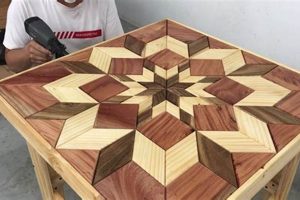
The conception of crafting holiday-themed items from wood offers opportunities for personalized gift-giving and seasonal home decor. These projects range from simple ornaments suitable for beginners to complex constructions for experienced woodworkers. The output can range from small trinkets like carved wooden stars to larger items such as advent calendars or decorative sleighs.
The practice of creating holiday items from wood provides a tangible connection to tradition and can foster a sense of accomplishment and creativity. Historically, handmade decorations were commonplace due to limited access to mass-produced goods. The current resurgence in woodworking reflects a desire for unique, handcrafted items and a move away from consumerism. The activity allows for customized projects that are personally designed and have sentimental value.
The subsequent discussion will explore various design options, skill levels required, material choices, and safety considerations involved in generating festive, wooden creations. Attention will be given to projects suitable for different skill sets and available resources, ensuring a safe and rewarding experience.
Essential Guidance for Holiday Woodworking Projects
The following provides essential guidance to maximize the success and enjoyment of holiday woodworking projects. Adherence to these recommendations will ensure the safe and efficient creation of high-quality, festive items.
Tip 1: Planning and Design: Prior to commencing any woodworking endeavor, thorough planning is crucial. Develop detailed drawings, material lists, and cutting schedules to minimize waste and ensure accuracy. Consider the overall aesthetic and ensure it aligns with the intended purpose of the finished product.
Tip 2: Material Selection: Choose appropriate wood species based on the project’s requirements. Softwoods, such as pine, are suitable for beginners and simple projects. Hardwoods, such as maple or oak, offer greater durability and visual appeal for more advanced endeavors.
Tip 3: Tool Maintenance: Sharp tools are safer and more efficient. Regularly sharpen blades, chisels, and other cutting tools to ensure clean and precise cuts. Dull tools require more force, increasing the risk of accidents.
Tip 4: Safe Work Practices: Always wear appropriate safety gear, including eye protection, hearing protection, and a dust mask. Ensure the work area is well-ventilated, especially when using finishes or adhesives. Secure workpieces properly to prevent movement during cutting or shaping.
Tip 5: Joinery Techniques: Mastering basic joinery techniques, such as dovetails, mortise-and-tenon joints, or simple butt joints, is essential for creating sturdy and aesthetically pleasing woodworking projects. Practice these techniques on scrap wood before applying them to the final piece.
Tip 6: Finishing Techniques: Select appropriate finishes to protect and enhance the beauty of the wood. Consider the intended use of the project and choose a finish that offers adequate durability and moisture resistance. Apply finishes in thin, even coats, allowing ample drying time between applications.
Tip 7: Accurate Measurement: Meticulous measurement is paramount for achieving precise results. Double-check all measurements before cutting or shaping wood. Use accurate measuring tools and techniques to minimize errors and ensure proper fit.
These fundamental guidelines will enhance the likelihood of success. From selecting materials to applying the finishing touches, diligence and attention to detail contribute to the creation of lasting and cherished items.
The subsequent sections offer specific designs, adaptable for different skill levels, to further inspire holiday-themed woodworking projects.
1. Project Complexity

Project complexity serves as a primary determinant in the execution of woodworking intended for the holiday season. The scope of a project dictates the skills, tools, and time commitment required for successful completion. Careful consideration of project intricacy ensures a rewarding and achievable woodworking experience.
- Design Intricacy
Design intricacy refers to the level of detail incorporated into the design, including the number of individual components, the complexity of joinery, and the presence of intricate carvings or embellishments. A simple star ornament, for example, represents low design intricacy, while an elaborate multi-tiered Christmas village display constitutes high intricacy. The level of detail must align with the woodworker’s skill set.
- Dimensional Precision
Dimensional precision pertains to the accuracy required in cutting, shaping, and assembling individual parts. Holiday-themed projects involving tight-fitting joints or intricate patterns necessitate a high degree of dimensional precision. A poorly measured cut in a stocking holder risks structural integrity, whereas a slight error in a decorative tray might be aesthetically acceptable.
- Joinery Type
The choice of joinery techniques significantly influences project complexity. Basic butt joints secured with fasteners are simple to execute, while mortise-and-tenon or dovetail joints demand greater skill and precision. A simple advent calendar can utilize basic joinery, while a fine, wooden Christmas tree requires stronger, more intricate joinery techniques.
- Finishing Requirements
Finishing requirements contribute to the overall project complexity. Simple projects may require only a coat of paint or varnish, while more elaborate creations may involve multiple layers of finishes, staining, and specialized techniques such as distressing or antiquing. The application of complex finishing techniques adds to the time investment, so the woodworker’s finishing abilities should be accounted for.
The interplay of design intricacy, dimensional precision, joinery type, and finishing requirements directly affects the overall complexity. The choice of complexity for seasonal woodworking endeavors should correlate with the woodworker’s experience. Successful project completion provides a sense of accomplishment and encourages more ambitious future projects.
2. Wood Selection

Material selection constitutes a fundamental consideration in crafting holiday-themed woodworking projects. The properties of different wood species impact the aesthetic appeal, durability, and workability of the finished item, thus influencing the ultimate success of the project.
- Aesthetic Qualities
Wood species vary significantly in color, grain pattern, and texture, directly influencing the visual impact of the project. Light-colored woods like pine or birch offer a neutral canvas for painted decorations, while hardwoods such as cherry or walnut contribute a rich, natural elegance suitable for refined pieces like ornaments or display stands. Wood selection should align with the desired aesthetic outcome of the holiday woodworking effort.
- Workability
The ease with which a wood can be cut, shaped, and joined is crucial, particularly for intricate designs. Softwoods such as pine are generally easier to work with hand tools and power tools, making them suitable for beginners. Hardwoods, while more durable, require sharper tools and greater skill to achieve precise cuts and clean joinery. A complex advent calendar benefits from the stability of hardwood, while basic wooden snowflakes can be easily fashioned from softer stock.
- Structural Integrity
The capacity of the wood to withstand stress and maintain its form is essential for projects intended for long-term use or display. Durable hardwoods are preferred for load-bearing elements or items subject to frequent handling. Softer woods may be appropriate for purely decorative items, such as lightweight ornaments, but their susceptibility to dents and scratches must be considered. The anticipated usage of the finished product dictates the necessary structural properties of the chosen wood.
- Cost and Availability
The expense and accessibility of different wood species influence the feasibility of holiday-themed woodworking projects. Common softwoods like pine are generally more affordable and readily available than exotic hardwoods, making them a practical choice for large-scale projects or budget-conscious woodworkers. Locally sourced woods offer a sustainable and cost-effective alternative, while reclaimed wood provides unique character and minimizes environmental impact.
The selection of appropriate wood material is pivotal in determining the outcome of festive woodworking projects. By considering aesthetic properties, workability, structural integrity, and budgetary factors, a woodworker can create holiday-themed items that are visually appealing, durable, and a source of pride and enjoyment.
3. Tool Proficiency

Competence in the utilization of woodworking implements constitutes a critical determinant of success in the realm of holiday-themed woodworking endeavors. The effective and safe application of tools dictates the precision, efficiency, and ultimately, the quality of the finished seasonal item. Skill with woodworking tools influences the complexity and feasibility of chosen festive projects.
- Hand Saw Mastery
The ability to accurately and efficiently cut wood using hand saws, such as rip saws, crosscut saws, and coping saws, forms a cornerstone of woodworking skill. Intricate holiday ornament designs or precise joinery in a wooden advent calendar demand proficiency with hand saws. The production of clean, accurate cuts ensures tight-fitting joints and refined aesthetics in the completed Christmas item.
- Power Tool Operation
Safe and effective operation of power tools, including table saws, miter saws, routers, and sanders, significantly enhances productivity and precision in holiday woodworking projects. Constructing larger items, such as wooden sleighs or decorative reindeer, necessitates the use of power tools for efficient material removal and shaping. Proper technique and adherence to safety protocols are paramount for preventing accidents and achieving desired results.
- Chisel Control and Sharpening
The mastery of chisels for shaping, smoothing, and refining wood surfaces is essential for intricate holiday woodworking. Hand-carved details on wooden figurines or the precise fitting of mortise-and-tenon joints in a Christmas tree stand demand adept chisel control. Maintaining sharp chisel edges through proper sharpening techniques ensures clean, controlled cuts and prevents damage to the workpiece.
- Fastening and Joinery Expertise
Skillful utilization of fastening methods, such as screws, nails, and adhesives, coupled with proficiency in joinery techniques, ensures structural integrity and aesthetic appeal in holiday-themed wood items. Constructing sturdy wooden toy trains or durable holiday signage requires a thorough understanding of fastening principles and joinery options. The proper selection and execution of fastening and joinery techniques contribute to the longevity and visual quality of the wooden items.
These facets of tool proficiency underpin the entire process of holiday-themed woodworking. The successful creation of seasonal wooden items hinges upon the woodworker’s ability to select, maintain, and safely utilize a range of hand and power tools. Attaining mastery over these aspects fosters a rewarding and productive experience, enabling the crafting of cherished decorations and gifts.
4. Safety Measures

The pursuit of seasonal woodworking projects necessitates a strict adherence to safety protocols. This connection stems from the inherent risks associated with woodworking tools and materials. Failure to implement appropriate safety measures can result in injuries ranging from minor cuts and abrasions to severe lacerations, amputations, or eye damage. The creation of wooden Christmas decorations, such as ornaments, figurines, or larger items like sleighs, involves the use of sharp tools, rotating machinery, and potentially hazardous finishes. Therefore, safety is not merely a supplementary consideration; it is an integral component of any woodworking project, especially those undertaken during the busy holiday season when distractions are heightened.
Real-world examples illustrate the potential consequences of neglecting safety. A woodworker neglecting eye protection might suffer from flying debris, causing corneal abrasions or permanent vision impairment. Insufficient dust collection can lead to respiratory problems from prolonged exposure to wood dust. Failure to secure workpieces properly can result in kickback from power tools, causing severe injuries. The proper use of personal protective equipment (PPE), machine guards, and ventilation systems mitigates these risks. Thorough knowledge of tool operation and material handling is also crucial to minimize the chances of accidents during project creation.
In summary, the connection between safety and woodworking is causal: neglecting safety leads to a higher risk of injury. Safety measures are an indispensable element of any woodworking undertaking, particularly during the holiday season. Adherence to established safety guidelines ensures that the creative process remains enjoyable and free from preventable harm, allowing woodworkers to produce cherished holiday items safely and responsibly.
5. Design Precision
Design precision, referring to the accuracy and exactness of measurements, patterns, and execution, is paramount in the successful realization of holiday woodworking projects. It is a foundational element, directly influencing both the aesthetic appeal and functional integrity of finished seasonal items. The relationship between design precision and festive wooden creation is a causal one: inadequate precision will invariably result in inferior outcomes, while meticulous design precision dramatically improves the quality and presentation of the seasonal wooden items.
For instance, consider the crafting of a wooden advent calendar. Inaccurate measurements during the design phase will lead to misaligned drawers, ill-fitting doors, and an overall lack of visual harmony. Conversely, precise measurements and meticulous construction ensure that each component aligns perfectly, creating a functional and aesthetically pleasing item. Similarly, the creation of wooden ornaments with intricate cut-out patterns necessitates precise pattern tracing and accurate cutting to maintain the integrity of the design. Lack of precision in ornament production yields misshapen designs. Precise design enhances appearance.
In summary, design precision is not merely a desirable attribute; it is an essential prerequisite for successful festive woodworking. Challenges in achieving the required accuracy can be overcome through careful planning, accurate measuring tools, and the use of templates or jigs. The connection emphasizes the importance of meticulous attention to detail in transforming raw materials into enduring seasonal treasures.
6. Finishing Techniques

Finishing techniques represent an indispensable component of holiday woodworking projects, directly influencing the aesthetic appeal, durability, and longevity of crafted items. The application of finishes transforms raw wood into visually appealing and protected surfaces. This transformation involves processes ranging from sanding and staining to applying protective coatings, each contributing to the overall quality of festive wooden creations. Without suitable finishing techniques, wooden items, such as Christmas ornaments, figurines, or decorative boxes, lack visual sophistication and are vulnerable to environmental damage.
The selection of appropriate finishing techniques depends on the wood species, the project’s intended use, and the desired aesthetic outcome. For instance, applying multiple coats of polyurethane to a wooden toy train enhances its durability and resistance to wear, extending its lifespan and ensuring child safety. Conversely, a delicate hand-painted ornament might benefit from a clear acrylic sealer, preserving the artwork without altering the colors. A rustic wooden star could be enhanced with a stain followed by a coat of matte varnish to protect from humidity damage. The type of finish affects the appearance of the wood as well as the overall protection against degradation and wear. Improper finishing techniques, such as applying the wrong type of finish or failing to prepare the surface adequately, can lead to peeling, cracking, or discoloration.
In conclusion, finishing techniques directly affect the success of seasonal woodworking. They transform raw materials into cherished holiday items and provide protection. The selection and skillful application of appropriate finishes elevate the aesthetic appeal and extend the lifespan of festive wooden creations. Ignoring these techniques can result in a disappointing and ephemeral result. Proper finishing will create cherished seasonal items that will last for years to come.
7. Personalization Options

The incorporation of personalized elements significantly enhances the sentimental value and uniqueness of woodworking projects undertaken for the holiday season. Personalization allows for the creation of custom gifts and decorations that reflect individual preferences, family traditions, and cherished memories.
- Engraving and Carving
The addition of engraved names, dates, or significant messages transforms a simple wooden ornament or gift box into a treasured keepsake. Intricate carving designs, tailored to the recipient’s interests, can further enhance the personalized nature of the item. Consider a wooden stocking holder engraved with a family name or a carved wooden scene depicting a favorite holiday memory.
- Custom Color Schemes and Finishes
Departing from traditional holiday color palettes allows for the creation of unique and eye-catching pieces that align with individual tastes or home decor styles. Employing personalized color choices and applying specialized finishes, such as distressing or antiquing, results in distinct and memorable creations. A wooden star painted in non-traditional colors or a wooden toy sleigh finished with a custom stain exemplifies personalized aesthetics.
- Incorporating Personal Objects
Integrating personal objects, such as photographs, fabric scraps, or small mementos, into woodworking projects adds a layer of sentimentality and individuality. Embedding a family photograph into a wooden picture frame ornament or attaching a piece of a loved one’s clothing to a wooden keepsake box creates a meaningful and cherished item.
- Custom Shapes and Designs
Creating woodworking projects in unconventional shapes or incorporating unique design elements allows for personalized expression and departure from conventional holiday motifs. Crafting a wooden ornament in the shape of a pet or designing a custom wooden puzzle incorporating family names exemplifies personalized creativity.
By strategically employing these personalization options, woodworking projects transcend mere craftsmanship and evolve into heartfelt expressions of affection and remembrance. Personalized wooden items become enduring symbols of the holiday season and cherished family heirlooms. The capability to personalize holiday woodworking projects elevates both the giver and receiver of wooden items.
Frequently Asked Questions
The following questions address common inquiries and misconceptions surrounding seasonal woodworking projects. These answers aim to provide clarity and guidance to ensure successful outcomes.
Question 1: What is the optimal time of year to begin preparation for holiday woodworking endeavors?
Commencing planning and material acquisition well in advance of the holiday season is advisable. Starting several weeks, or even months, prior allows ample time for design refinement, wood seasoning (if necessary), and project execution without undue pressure.
Question 2: Is specialized equipment required for engaging in holiday woodworking?
The equipment needs depend on the complexity of the intended projects. Simple projects, such as basic ornaments, can be completed with minimal hand tools. More intricate projects necessitate power tools, such as saws, sanders, and routers, for efficient and precise material processing.
Question 3: What types of wood are best suited for festive woodworking projects?
The selection of wood depends on both the desired aesthetic and structural requirements. Softwoods like pine are generally more affordable and easier to work with, suitable for simpler projects. Hardwoods, such as maple or walnut, offer enhanced durability and visual appeal for more elaborate creations.
Question 4: How can one ensure the safety of children when creating wooden holiday gifts or decorations?
Prioritize safety by using non-toxic finishes, ensuring secure joinery to prevent small parts from detaching, and avoiding sharp edges or splinters. Thorough sanding and the application of multiple coats of durable finish are recommended.
Question 5: What are the most common mistakes encountered during holiday woodworking and how can they be avoided?
Common errors include inaccurate measurements, improper joinery, and inadequate surface preparation for finishing. These can be mitigated through careful planning, the use of precise measuring tools, practicing joinery techniques on scrap wood, and meticulous sanding.
Question 6: Is prior woodworking experience necessary to undertake holiday-themed projects?
Prior experience is beneficial but not always essential. Beginners can start with simple projects, such as basic ornaments or small decorative items, gradually increasing complexity as their skills develop. Numerous online resources and woodworking classes offer valuable guidance.
These inquiries and answers are intended to provide a foundation for success in seasonal woodworking. By addressing common concerns and offering practical solutions, woodworkers of all skill levels can embark on their holiday creations with confidence.
The concluding section of this article will provide a collection of ideas for various woodworking projects.
Conclusion
The preceding exploration of “christmas woodworking ideas” has presented a comprehensive overview of considerations critical to successful execution. Elements such as project complexity, material selection, tool proficiency, safety measures, design precision, finishing techniques, and personalization options have been discussed, emphasizing their individual and collective impact on the outcome. The analysis has underscored the importance of thoughtful planning and meticulous execution in transforming raw materials into enduring and cherished holiday items.
The information provided serves as a foundation for informed decision-making and encourages the pursuit of woodworking projects that reflect personal creativity and craftsmanship. The application of these principles will yield results that embody both aesthetic appeal and lasting value, enriching the holiday season for makers and recipients alike. With diligent preparation and focused effort, festive wooden creations can provide joy for years to come.