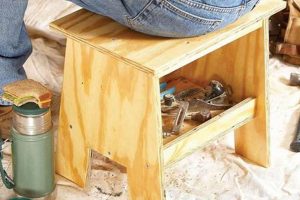
Woodworking endeavors that embrace natural imperfections and a handcrafted aesthetic, often utilizing reclaimed materials or techniques that highlight the wood’s inherent character, are a popular form of creative expression. Examples include building furniture from salvaged barn wood, crafting decorative items featuring exposed joinery, or creating outdoor structures using naturally weathered timber. The focus is on showcasing the inherent beauty of the materials and celebrating the unique textures and patterns found in nature.
These activities provide tangible connections to history and sustainability. They encourage resourcefulness by repurposing materials and reducing waste. The resulting pieces often possess a distinct charm and individuality, standing in contrast to mass-produced items. Furthermore, the process itself can be a therapeutic and rewarding pursuit, allowing individuals to connect with traditional skills and create lasting, functional art.
The subsequent sections will delve into specific types of projects, necessary tools and techniques, material sourcing options, and essential finishing methods required to bring these distinctive creations to life, ensuring both aesthetic appeal and structural integrity..
Essential Considerations for Rustic Woodworking
Successful rustic woodworking hinges on careful planning and execution. Attention to detail and respect for the chosen materials are crucial for achieving durable and aesthetically pleasing results.
Tip 1: Material Selection is Paramount: Opt for reclaimed or naturally weathered wood. Inspect for structural integrity, but appreciate imperfections like knots and grain variations, which contribute to the rustic aesthetic. Ensure that any reclaimed wood is properly cleaned and treated to remove contaminants.
Tip 2: Embrace Imperfection: Avoid striving for flawless symmetry or perfectly smooth surfaces. Rustic projects celebrate the unique characteristics of the wood. Intentional irregularities enhance the handcrafted feel.
Tip 3: Prioritize Structural Integrity: While aesthetics are important, the project must be structurally sound. Use appropriate joinery techniques, such as mortise and tenon or dovetail joints, especially for furniture or load-bearing structures. Reinforce weaker areas with additional supports if necessary.
Tip 4: Utilize Hand Tools Effectively: Consider employing traditional hand tools like hand planes, chisels, and drawknives to shape and texture the wood. These tools allow for greater control and a more authentic handcrafted appearance. Practice proper tool sharpening and maintenance for optimal performance.
Tip 5: Apply Appropriate Finishes: Select finishes that enhance the wood’s natural beauty without concealing its texture. Oil-based finishes, waxes, and milk paints are good choices. Consider using techniques like distressing or antiquing to further enhance the rustic character.
Tip 6: Plan For Wood Movement: Wood expands and contracts with changes in humidity. Design projects with this in mind, employing techniques that allow for movement without compromising structural integrity. This may involve using floating panels or leaving gaps in joinery.
Tip 7: Consider the Project’s Context: Think about the intended environment and use of the finished piece. This will influence material selection, joinery methods, and finishing choices. A rustic bench intended for outdoor use will require different considerations than a decorative item for indoor display.
By integrating these fundamental aspects, one can ensure that this type of woodworking yields aesthetically pleasing, durable, and authentic creations. Attention to the inherent properties of the material, combined with traditional techniques, is key to success.
The following discussions will address specific strategies for optimizing the integration of these considerations in various practical applications.
1. Material Sourcing

The selection of materials is foundational to achieving the aesthetic and philosophical goals of rustic woodworking projects. Sourcing practices directly influence the character, sustainability, and historical resonance of the final piece. The use of reclaimed wood, for instance, imparts a sense of history and minimizes environmental impact by diverting materials from landfills. Conversely, improper sourcing can compromise both the structural integrity of the project and its claim to authenticity. Using newly harvested, commercially processed lumber, while technically woodworking, undermines the core tenet of rustic design, which emphasizes natural imperfections and a connection to the past. The choice of sourcing materials directly affects the value of the final project.
Consider a rustic coffee table constructed from salvaged barn wood. The weathered texture, nail holes, and slight imperfections in the wood become integral to the design, each telling a story of the material’s former life. This sourcing method offers an environmentally conscious alternative to purchasing newly sawn lumber, minimizing the demand for virgin timber and reducing deforestation. Conversely, a project utilizing composite materials or wood veneers lacks the inherent character and authenticity that define rustic woodworking. The sourcing decision shapes the narrative and impact of the piece.
In summary, material sourcing is not merely a logistical consideration but a defining element in rustic woodworking. The selection of reclaimed, salvaged, or naturally weathered materials is essential for achieving the desired aesthetic, promoting sustainability, and honoring the historical context of the craft. Challenges arise in ensuring the structural integrity of reclaimed materials, requiring careful inspection and preparation. However, the resulting pieces possess a unique character and embody the core values of rustic design, connecting to the larger goal of sustainable and meaningful craft.
2. Authentic Techniques

The application of authentic techniques forms the cornerstone of rustic woodworking endeavors, distinguishing them from more contemporary approaches. These methods, often rooted in historical practices, contribute directly to the aesthetic, structural integrity, and overall character of the completed piece.
- Hand Planing and Shaping
The use of hand planes allows for a nuanced shaping of the wood surface, preserving natural textures and creating subtle variations that cannot be replicated by machine. Examples include smoothing reclaimed boards while intentionally leaving traces of the wood’s previous use, enhancing its weathered appearance. This technique ensures a unique tactile quality and visual depth.
- Traditional Joinery
Joinery methods such as mortise and tenon, dovetail, and lap joints are employed not only for structural stability but also as visible design elements. Exposed joinery, meticulously crafted by hand, becomes a hallmark of the rustic aesthetic. Consider a trestle table where mortise and tenon joints are intentionally left slightly proud, highlighting the construction process and adding to the piece’s handcrafted appeal.
- Natural Finishing Methods
Authentic techniques eschew modern, synthetic finishes in favor of natural oils, waxes, and milk paints. These finishes enhance the wood’s natural grain and provide a subtle protective layer without concealing its inherent character. The application of linseed oil to a reclaimed wood bench, for instance, deepens the wood’s color and accentuates its texture while allowing it to breathe and age gracefully.
- Distressing and Antiquing
Techniques designed to simulate the effects of age and wear further contribute to the rustic aesthetic. This may involve strategically applying dents, scratches, or stains to mimic the appearance of years of use. A cabinet door treated with a crackle finish or lightly sanded to reveal underlying layers of paint gains a sense of history and visual interest.
These authentic techniques collectively imbue rustic woodworking projects with a sense of history, craftsmanship, and connection to natural materials. Their application is not merely decorative but fundamental to the structural integrity and overall character of the finished piece. The resulting objects evoke a sense of timelessness and authenticity, standing in contrast to mass-produced items.
3. Functional Design

Functional design within rustic woodworking projects represents a synthesis of aesthetic appeal and practical utility. It prioritizes the creation of pieces that serve a clear purpose while embodying the characteristics of rustic design, ensuring that form follows function in harmony with the chosen aesthetic.
- Ergonomics and Comfort
Rustic furniture, while often characterized by its robust and somewhat unrefined appearance, must also prioritize ergonomic principles. Chairs and benches, for example, should provide adequate support and comfort, regardless of their rustic construction. The inclusion of contoured seats, carefully considered backrests, and appropriately sized dimensions contributes to the overall usability of the piece. A rustic rocking chair, crafted from reclaimed oak, exemplifies this balance by providing both visual appeal and a comfortable seating experience.
- Storage Solutions
Rustic woodworking can effectively address storage needs through the creation of cabinets, shelves, and chests that blend seamlessly with the rustic aesthetic. These storage solutions should be designed to maximize space utilization and provide convenient access to stored items. A handcrafted pantry, constructed from reclaimed pine, might incorporate adjustable shelving, spice racks, and divided drawers to facilitate efficient organization while maintaining a rustic charm.
- Spatial Integration
Functional design extends beyond the individual piece to consider its integration within a specific environment. Rustic furniture should complement the surrounding space, enhancing its aesthetic appeal without overwhelming it. A custom-built bookcase, designed to fit a particular alcove or wall space, exemplifies this principle by creating a cohesive and visually appealing environment. The dimensions, proportions, and style of the piece should harmonize with the existing architectural elements.
- Durability and Longevity
A key aspect of functional design is ensuring the durability and longevity of the piece. Rustic woodworking projects should be constructed using robust materials and time-tested joinery techniques to withstand regular use and environmental factors. A dining table built from reclaimed barn beams, employing mortise and tenon joinery, exemplifies this commitment to durability, ensuring that the table will endure for generations.
The successful integration of functional design principles within rustic woodworking projects results in pieces that are not only visually appealing but also highly practical and enduring. By prioritizing ergonomics, storage solutions, spatial integration, and durability, these projects provide both aesthetic enjoyment and functional value, enhancing the living spaces they occupy. The ability to combine rustic aesthetics with functional design elements ensures the long-term value and relevance of these projects.
4. Distressed Finishes

Distressed finishes serve as a crucial element in realizing the aesthetic goals of rustic woodworking projects. These techniques intentionally simulate the wear and tear associated with age and use, imbuing newly crafted pieces with a sense of history and authenticity. The application of distressed finishes is not merely decorative but integral to achieving the desired rustic character, transforming ordinary wood into something evocative and timeless.
- Strategic Abrasion
Strategic abrasion involves the intentional removal of finish layers and underlying wood fibers to replicate the effects of natural wear. This may include sanding edges, corners, and surfaces that would typically experience the most contact. The use of sandpaper, steel wool, or even hand planes can achieve this effect. For instance, lightly sanding the edges of a painted cabinet door exposes the underlying wood, creating a worn and aged appearance. The key lies in controlling the degree of abrasion to create a subtle and believable effect.
- Application of Antiquing Glazes
Antiquing glazes are transparent or semi-transparent coatings that accentuate the texture and details of the wood. These glazes settle into crevices, corners, and other recessed areas, darkening them and creating a sense of depth. For example, applying a dark brown glaze to a carved wooden sign highlights the intricate details and gives the impression that dirt and grime have accumulated over time. The choice of glaze color and application technique significantly impacts the final appearance.
- Simulating Damage and Imperfections
The intentional creation of dents, scratches, and imperfections mimics the wear and tear that naturally occurs over time. This may involve using tools to create small indentations, gouges, or scratch marks on the wood surface. For instance, hammering small nails into a wooden tabletop and then removing them leaves behind subtle indentations that suggest years of use. The placement and type of damage should be carefully considered to create a realistic and believable effect.
- Layering of Finishes and Paints
The layering of different finishes and paints, followed by selective removal, creates a complex and textured surface. This may involve applying multiple coats of paint, each in a different color, and then sanding through the layers to reveal the underlying colors. For example, applying a layer of milk paint over a base coat of oil paint and then sanding the surface exposes the oil paint in certain areas, creating a distressed and weathered appearance. The layering process allows for a high degree of customization and control over the final aesthetic.
These techniques, when skillfully applied, transform new woodworking projects into pieces that evoke a sense of history and authenticity. Distressed finishes, therefore, play a vital role in realizing the aesthetic vision of rustic woodworking, imbuing each creation with a unique character and timeless appeal. Examples such as a “weathered” headboard, a “worn” tabletop, or an “aged” cabinet all illustrate the impact of these techniques on the finished product, solidifying the connection between distressed finishes and the attainment of a true rustic aesthetic.
5. Enduring Craftsmanship

Enduring craftsmanship forms a symbiotic relationship with rustic woodworking projects, influencing both the longevity and the inherent aesthetic value of the final product. This craftsmanship necessitates a commitment to traditional techniques, meticulous material selection, and a deep understanding of wood properties. When applied effectively, enduring craftsmanship transforms rustic projects from mere decorative items into functional heirlooms, capable of withstanding the test of time. The structural integrity afforded by proper joinery, coupled with the natural durability of reclaimed materials, ensures that these pieces maintain their utility and aesthetic appeal for generations.
The absence of enduring craftsmanship in rustic woodworking invariably leads to premature failure and diminished aesthetic value. Projects constructed with inferior materials or employing subpar joinery techniques will exhibit structural weaknesses, rendering them unsuitable for their intended purpose. For instance, a rustic dining table built with improperly seasoned wood and inadequate joinery may warp, crack, or even collapse under normal use. Such an outcome negates the inherent value of the materials and undermines the time and effort invested in the project. Therefore, the implementation of enduring craftsmanship directly determines the practical significance and lasting impact of rustic woodworking creations. Examples of enduring craftsmanship include hand-forged hardware, durable oil finishes, and carefully fitted dovetail joints, all of which contribute to the overall resilience and timelessness of the project.
In conclusion, enduring craftsmanship is not merely an optional add-on to rustic woodworking projects; it constitutes an indispensable component that governs the project’s ultimate success. By prioritizing traditional techniques, selecting appropriate materials, and executing each step with meticulous attention to detail, artisans can ensure that their creations embody the timeless qualities of rustic design while providing lasting functionality. The resulting pieces transcend the realm of mere decoration, becoming functional works of art that serve as tangible representations of enduring craftsmanship and sustainable design, linking the craftsman to his or her work.
Frequently Asked Questions
This section addresses prevalent inquiries regarding the planning, execution, and maintenance of rustic woodworking projects, offering concise answers to common concerns.
Question 1: What are the primary advantages of utilizing reclaimed wood in rustic woodworking projects?
Reclaimed wood contributes to environmental sustainability by repurposing existing materials, preventing deforestation, and reducing landfill waste. It also imbues projects with a unique aesthetic character, showcasing natural imperfections and historical significance.
Question 2: Which joinery methods are most appropriate for ensuring the structural integrity of rustic furniture?
Mortise and tenon, dovetail, and lap joints are recommended for their strength and durability. These traditional joinery techniques provide robust connections that can withstand significant stress, particularly in load-bearing applications.
Question 3: How can the effects of wood movement be mitigated in rustic woodworking construction?
Employing floating panel designs, allowing for expansion gaps in joinery, and properly seasoning the wood before construction are effective strategies. These measures accommodate natural fluctuations in wood moisture content, preventing warping or cracking.
Question 4: What types of finishes best complement the rustic aesthetic while providing adequate protection?
Oil-based finishes, waxes, and milk paints are suitable choices. These finishes enhance the wood’s natural grain and texture while providing a protective layer against moisture and wear. Synthetic finishes should be avoided to maintain authenticity.
Question 5: How can newly constructed items be effectively distressed to achieve an authentic aged appearance?
Strategic abrasion, application of antiquing glazes, intentional creation of imperfections, and layering of finishes are recommended techniques. These methods simulate the effects of time and use, imbuing projects with a sense of history and character.
Question 6: What considerations are crucial for sourcing reclaimed wood to ensure its suitability for rustic woodworking projects?
Thorough inspection for structural integrity, removal of contaminants (e.g., nails, screws, lead paint), and proper sterilization are essential. These steps ensure the safety and longevity of the materials used in construction.
Understanding these principles is paramount for the effective creation and preservation of rustic woodworking projects, blending both aesthetic appeal and functional performance.
The next article will address potential safety measures.
Conclusion
This exposition has detailed the essential facets of “rustic woodworking projects,” elucidating key aspects such as material sourcing, authentic techniques, functional design, distressed finishes, and enduring craftsmanship. A thorough understanding of these elements is paramount for those seeking to engage in this craft successfully. The integration of reclaimed materials, traditional joinery, and intentional distressing methods are all critical for achieving a genuinely rustic aesthetic.
The information presented herein should serve as a valuable resource for both novice and experienced woodworkers. The ongoing pursuit of knowledge and refinement of skills remains crucial for elevating this craft. The diligent application of these guidelines will promote the creation of durable, aesthetically pleasing, and historically resonant pieces. The appreciation of these project’s ability to stand the test of time becomes apparent with careful labor.

![DIY Woodworking Projects Christmas Gifts Ideas [Beginner] | Step-by-Step Guides, Tools & Inspiration to Build Beautiful Wooden Decor on a Budget](https://woodfromhome.com/wp-content/uploads/2026/04/th-342-300x200.jpg "DIY Woodworking Projects Christmas Gifts Ideas [Beginner] Step-by-Step Guides, Tools & Inspiration to Build Beautiful Wooden Decor on a Budget")