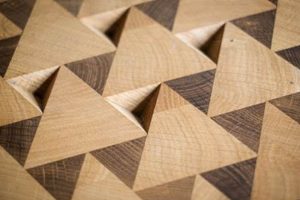
The integration of artistic planning with the craft of shaping wood characterizes a specialized area within construction and fine arts. This field encompasses the conceptualization and fabrication of structures and objects, utilizing primarily lumber as its core material. Examples range from bespoke furniture and intricate cabinetry to comprehensive architectural frameworks and decorative elements.
The value lies in the ability to transform raw materials into functional and aesthetically pleasing creations. Historically, this skillset has been integral to societal development, providing shelter, tools, and artistic expression. The advantages include durability, natural beauty, and the potential for sustainable practices, making it a relevant choice for both utilitarian and artistic endeavors.
The following discussion will delve into various aspects of this discipline, examining techniques, materials, design principles, and the integration of modern technology with traditional skills. Further exploration will cover project management, sustainability considerations, and the evolving landscape of the industry.
Essential Guidance for Woodworking Projects
The following recommendations are designed to enhance the execution and longevity of woodworking endeavors. Adherence to these principles can contribute to superior outcomes and minimized material waste.
Tip 1: Material Selection. Selecting appropriate lumber is paramount. Consider grain pattern, density, and moisture content for the intended application. For instance, hardwoods like oak are suitable for high-stress furniture components, while softwoods like pine are appropriate for less demanding applications.
Tip 2: Precision Measurement and Marking. Accuracy in measurement and marking is critical. Utilize precision tools such as digital calipers and marking gauges. Discrepancies at this stage can compound throughout the project, leading to dimensional errors and structural weaknesses.
Tip 3: Joint Selection and Execution. The choice of joint should align with the structural demands of the project. Dovetail joints offer superior strength for drawer construction, while mortise and tenon joints provide robust connections for frame structures. Execute joints meticulously to ensure tight, gap-free fits.
Tip 4: Surface Preparation. Thorough surface preparation is essential for achieving a quality finish. Sand progressively through finer grits, removing imperfections and creating a smooth, even surface. Proper sanding enhances adhesion and appearance of subsequent finishing coats.
Tip 5: Finishing Techniques. The finishing process protects the wood and enhances its aesthetic appeal. Choose finishes appropriate for the intended environment and use. Apply multiple thin coats of sealant, stain, or varnish, allowing each to dry completely before applying the next.
Tip 6: Tool Maintenance. Regular maintenance of woodworking tools is crucial for safety and efficiency. Sharpen blades regularly, clean tools after use, and store them properly to prevent rust and damage. Dull tools increase the risk of injury and reduce the quality of work.
Tip 7: Workholding and Stability. Securing workpieces properly during cutting, shaping, and assembly is paramount. Use clamps, vises, and jigs to ensure stability and prevent movement, which can compromise accuracy and safety.
Mastering these fundamental strategies fosters durable and aesthetically pleasing woodworking outcomes. Diligence in planning, executing, and refining woodworking projects is imperative.
This guidance provides a foundation for successful woodworking. Further exploration will cover design considerations, advanced techniques, and the integration of technology.
1. Material Selection

Material selection constitutes a foundational element in woodworking, directly influencing structural integrity, aesthetic qualities, and the longevity of finished pieces. The informed choice of lumber and related materials is paramount to realizing design objectives and ensuring project success.
- Species Properties
Different wood species exhibit varying characteristics in terms of density, hardness, grain pattern, and moisture content. For instance, hardwoods like maple and walnut offer superior durability and fine grain, suitable for high-end furniture. Softwoods such as pine and cedar provide ease of workability and resistance to decay, making them appropriate for outdoor structures or decorative elements. Selecting a species that aligns with the intended application is essential for achieving desired performance and visual appeal.
- Dimensional Stability
Wood is a hygroscopic material, meaning it absorbs and releases moisture, leading to dimensional changes. Kiln-dried lumber exhibits greater stability compared to air-dried stock, minimizing warping, cracking, and joint failure. Understanding the moisture content and selecting materials accordingly is critical for ensuring structural integrity, especially in projects with tight tolerances or intricate joinery.
- Aesthetic Considerations
Grain pattern, color, and texture significantly impact the visual impact of woodworking projects. Quarter-sawn lumber reveals straight, uniform grain, enhancing stability and imparting a refined aesthetic. Live-edge slabs showcase the natural contours of the tree, adding organic character to furniture or architectural elements. Careful consideration of these aesthetic attributes allows for creating pieces that harmonize with the surrounding environment.
- Sustainability and Sourcing
Responsible sourcing of wood materials is increasingly important in contemporary woodworking practices. Utilizing reclaimed lumber, certified sustainable wood (e.g., FSC-certified), or locally sourced materials minimizes environmental impact and supports responsible forestry management. Consideration of the environmental footprint associated with material selection aligns with ethical design principles and contributes to the long-term sustainability of woodworking projects.
The interplay between species properties, dimensional stability, aesthetic considerations, and sustainable sourcing underscores the multifaceted nature of material selection. A comprehensive understanding of these factors enables informed decision-making, leading to woodworking projects that are both aesthetically pleasing and structurally sound, while adhering to responsible environmental practices.
2. Structural Integrity

Structural integrity, in the context of timber-based design and woodworking, represents the capacity of a wooden structure or component to withstand applied loads and environmental stresses without failure or unacceptable deformation. The connection between the two is intrinsic: design dictates the intended form and function, while structural integrity ensures that form and function can be reliably maintained over time. Failure to adequately consider structural integrity during the design phase inevitably leads to compromised performance and potential safety hazards. For instance, a poorly designed wooden bridge lacking sufficient support beams will collapse under its own weight or the weight of traffic. Similarly, a chair with inadequately joined legs will become unstable and prone to breakage.
The significance of structural integrity extends beyond simple load-bearing capacity. It also encompasses resistance to environmental factors such as moisture, temperature fluctuations, and biological degradation. Wood, being an organic material, is susceptible to decay and insect infestation if not properly treated or protected. Design choices, such as incorporating proper ventilation in wooden structures or using durable, weather-resistant coatings, are critical for mitigating these risks and preserving structural integrity over the long term. An illustrative example is the preservation of historic timber-framed buildings, where meticulous maintenance and repair techniques are employed to combat wood rot and insect damage, thereby extending their lifespan and preserving their structural soundness.
Understanding and applying principles of structural integrity is paramount in responsible woodworking and design. This involves careful selection of materials, precise execution of joinery techniques, and consideration of the anticipated loads and environmental conditions. While aesthetically pleasing designs are desirable, they must not compromise the underlying structural integrity of the project. Challenges in this area include balancing aesthetic goals with structural requirements, adapting to evolving building codes and standards, and integrating sustainable practices without sacrificing durability. Ultimately, the goal is to create wooden structures and objects that are not only visually appealing but also safe, reliable, and long-lasting.
3. Aesthetic considerations

Aesthetic considerations fundamentally shape the perception and value of timber-based creations. These factors encompass visual harmony, material texture, proportion, and the overall sensory experience evoked by the finished piece. The cause-and-effect relationship is direct: aesthetic choices determine whether an object is perceived as pleasing, functional, or a failure. Neglecting aesthetic considerations reduces the potential impact and marketability, even if the piece is structurally sound.
Within the realm of woodworking, aesthetic decisions begin with the selection of wood species, grain patterns, and surface treatments. The choice of joinery, while structurally vital, also contributes to the overall aesthetic. Exposed dovetails, for example, can become a decorative element, showcasing craftsmanship. The finish applied impacts color, sheen, and tactile qualities, influencing how light interacts with the wood and enhancing its inherent beauty. Custom furniture serves as a tangible example: a well-designed table, incorporating a pleasing balance of form, material, and finish, becomes a focal point of a room, enhancing the overall ambiance.
Understanding the interplay between form, function, and aesthetic considerations is crucial for skilled craftsmen. A chair, for instance, must be structurally sound and comfortable but should also possess visual appeal, aligning with design trends or the client’s preferences. Challenges arise when balancing aesthetic ideals with practical constraints, material limitations, or budget restrictions. Achieving a seamless integration of these elements results in timber designs that are not only durable and functional but also visually compelling and emotionally resonant, ultimately contributing to the enduring appreciation of woodworking as both an art and a craft.
4. Functional design

Functional design, within the scope of timber construction and woodworking, directly relates to the usability and efficacy of a crafted object or structure. A cause-and-effect relationship prevails: the degree to which a design is functional directly impacts its utility and lasting value. Functional design dictates whether a chair provides adequate support and comfort, whether a cabinet offers efficient storage, or whether a building effectively shelters its occupants. In contrast, a visually appealing yet poorly functional design renders the object impractical and diminishes its overall value. Furniture pieces that are aesthetically pleasing but ergonomically deficient exemplify this discrepancy. For instance, a chair with insufficient lumbar support or an awkwardly positioned seat will be uncomfortable, regardless of its visual appeal. The importance of functional design stems from its ability to reconcile aesthetic considerations with practical requirements, ensuring that the finished product not only looks appealing but also serves its intended purpose effectively.
The practical application of functional design principles extends to various aspects of woodworking. In cabinetry, functional design entails optimizing storage space, ensuring smooth drawer operation, and incorporating organizational features. In furniture construction, ergonomic considerations are paramount, dictating seat heights, back angles, and armrest placement to promote comfort and prevent strain. Real-world examples are abundant. Consider a well-designed kitchen island that incorporates ample counter space, strategically positioned storage drawers, and a built-in cutting board all elements contributing to enhanced functionality within the kitchen environment. Similarly, a custom-built workbench designed with specific tool storage and adjustable height settings can significantly improve a woodworker’s efficiency and workflow.
Effective integration of functional design presents challenges, including balancing aesthetic goals with ergonomic requirements, accommodating specific user needs, and adapting designs to meet evolving technological demands. Despite these challenges, prioritizing functional design is essential for creating timber-based products that are both visually appealing and practically useful. A comprehensive understanding of functional design principles ensures that these creations contribute positively to the lives of their users by enhancing efficiency, comfort, and overall quality of life. Ultimately, successful woodworking and timber construction projects hinge on the harmonious integration of functional and aesthetic considerations.
5. Sustainable practices

Sustainable practices represent a critical intersection for modern woodworking. The responsible sourcing, processing, and utilization of timber resources directly influence ecological preservation and long-term viability of the craft. Integrating sustainable methods mitigates environmental impact and aligns woodworking with principles of resource conservation.
- Responsible Forestry Management
The cornerstone of sustainable woodworking lies in procuring timber from responsibly managed forests. This entails selective harvesting practices that maintain biodiversity, promote forest regeneration, and prevent deforestation. Certified sustainable wood sources, such as those endorsed by the Forest Stewardship Council (FSC), offer assurance that forestry operations adhere to rigorous environmental standards. The utilization of such materials supports responsible land stewardship and minimizes ecological disruption.
- Waste Minimization and Recycling
Woodworking processes inherently generate waste materials, including sawdust, offcuts, and shavings. Sustainable practices emphasize minimizing waste through efficient cutting techniques, optimized material utilization, and innovative repurposing. Sawdust can be used for composting, animal bedding, or as a fuel source. Offcuts can be incorporated into smaller projects or donated to community organizations. Implementing comprehensive waste management protocols reduces landfill burden and maximizes the value of timber resources.
- Environmentally Friendly Finishes and Adhesives
Traditional wood finishes and adhesives often contain volatile organic compounds (VOCs) that contribute to air pollution and pose health risks. Sustainable woodworking promotes the use of environmentally friendly alternatives, such as water-based finishes, natural oils, and low-VOC adhesives. These options minimize harmful emissions, improve indoor air quality, and reduce the environmental impact of woodworking projects.
- Durability and Longevity
Sustainable woodworking emphasizes the construction of durable, long-lasting products. By employing robust joinery techniques, selecting appropriate wood species, and applying protective finishes, woodworkers can create pieces that withstand the test of time. Extending the lifespan of wooden objects reduces the demand for new resources, minimizes waste, and promotes a culture of conservation.
The integration of responsible forestry, waste minimization, eco-friendly materials, and durability considerations defines sustainable practices in woodworking. These principles offer a pathway towards environmentally conscious craftsmanship, ensuring the continued availability of timber resources and minimizing the ecological footprint of woodworking activities.
6. Craftsmanship Quality
Craftsmanship quality represents a core determinant of value and longevity within the sphere of timber construction and woodworking. It encompasses precision, skill, and meticulous attention to detail demonstrated throughout the design and fabrication processes. The level of craftsmanship significantly impacts both the aesthetic appeal and structural integrity of finished products.
- Precision Joinery
Accurate and well-executed joinery forms the backbone of durable and aesthetically pleasing woodwork. Techniques such as mortise and tenon, dovetail, and miter joints require precision in cutting, fitting, and assembly. Precise joinery ensures structural stability, prevents gaps or weaknesses, and contributes to the overall refined appearance of the piece. Examples include flawlessly fitted drawers, tightly joined table legs, and seamlessly connected frame components. The absence of precision joinery leads to structural instability and diminished aesthetic value.
- Surface Preparation and Finishing
Meticulous surface preparation enhances the natural beauty of wood and provides a foundation for durable finishes. Sanding, planing, and smoothing remove imperfections, ensuring a uniform surface for subsequent treatments. Proper finishing techniques, including staining, sealing, and top coating, protect the wood from moisture, UV radiation, and wear. Well-executed surface preparation and finishing result in a smooth, lustrous appearance, enhancing the wood’s inherent character and extending its lifespan. Conversely, inadequate preparation leads to uneven finishes, premature wear, and diminished visual appeal.
- Material Selection and Grain Matching
Craftsmanship extends to the careful selection of appropriate timber species and the deliberate matching of grain patterns. Choosing wood with suitable strength, stability, and aesthetic properties ensures the longevity and visual harmony of the project. Grain matching involves aligning adjacent wood pieces to create a cohesive and visually appealing surface. Examples include book-matched panels, where mirrored grain patterns enhance symmetry, and carefully selected timbers with consistent color and texture. Thoughtful material selection and grain matching contribute to a sense of quality and refinement.
- Attention to Detail and Refinement
Craftsmanship quality manifests in the meticulous attention to small details and the refinement of every aspect of the woodworking process. This includes careful edge treatment, precise hardware installation, and the seamless integration of design elements. Refinement involves scrutinizing every surface, angle, and joint to ensure visual harmony and functional excellence. Attention to detail elevates a woodworking project from ordinary to exceptional, demonstrating a commitment to quality and artistry.
Craftsmanship quality, encompassing precision joinery, surface preparation, material selection, and attention to detail, underpins the enduring value of woodworking. These attributes transform raw materials into functional art, reflecting a dedication to skill, artistry, and lasting quality. Each facet contributes significantly to the final product.
7. Durability factors

Durability factors are intrinsically linked to the longevity and performance of woodworking designs. In essence, design choices directly influence a wooden object’s capacity to withstand environmental stresses, physical wear, and biological degradation. The integration of sound structural principles and material selection with the crafting process is critical for maximizing the lifespan and utility of woodworking creations. A chair constructed with inferior lumber and inadequate joinery, for example, will succumb to stress and breakage far sooner than one crafted with durable hardwoods and robust joinery techniques. The long-term value and functionality of woodworking endeavors are directly tied to the consideration and implementation of durability factors throughout the design and construction process.
Specific aspects such as material selection, joint construction, finishing techniques, and environmental considerations are crucial. The choice of wood species, for instance, determines the inherent resistance to rot, insects, and moisture. Hardwoods like oak and maple offer greater density and resistance to wear than softwoods like pine or fir. Joint construction impacts the structural integrity of the design, with mortise and tenon or dovetail joints providing superior strength and stability compared to simple butt joints. Finishing techniques protect the wood surface from moisture, ultraviolet radiation, and abrasion, extending its lifespan. Furthermore, the intended environment of the woodworking piece necessitates specific design considerations. Outdoor furniture, for example, requires water-resistant finishes and rot-resistant lumber to withstand exposure to the elements. Numerous historical woodworking projects demonstrate the importance of durability factors. Traditional timber-framed buildings, constructed with robust materials and meticulous joinery, have endured for centuries, showcasing the effectiveness of durable construction techniques.
Understanding and applying principles of durability are essential for creating woodworking projects that are not only aesthetically pleasing but also functional and long-lasting. Challenges include balancing cost considerations with durability requirements, adapting designs to meet diverse environmental conditions, and integrating sustainable practices without compromising structural integrity. Ultimately, successful woodworking requires a holistic approach that prioritizes durability factors throughout the design and construction phases, ensuring that finished products provide lasting value and satisfaction. The key takeaway is the necessity of informed decision-making in material selection, joinery, finishing, and environmental adaptation to ensure structural soundness and longevity.
Frequently Asked Questions
The following questions address common inquiries regarding woodworking and timber-based design. These responses aim to provide clear and concise information to enhance understanding of fundamental principles.
Question 1: What factors determine the selection of appropriate lumber for a given woodworking project?
Lumber selection depends on several factors, including the intended application, desired aesthetic, and environmental conditions. Hardwoods, such as oak and maple, offer superior durability and are suitable for high-stress applications, while softwoods, such as pine and cedar, are more appropriate for decorative elements and low-stress applications. Considerations include grain pattern, moisture content, and resistance to rot or insect infestation.
Question 2: How does joinery selection impact the structural integrity of a woodworking project?
Joinery selection significantly influences the structural integrity. Mortise and tenon joints, dovetail joints, and lap joints provide superior strength and resistance to stress compared to simpler butt joints. The choice of joinery should align with the anticipated loads and stresses that the structure will bear. Proper execution of joinery is essential for ensuring long-term durability.
Question 3: What sustainable practices can be implemented within a woodworking shop?
Sustainable practices encompass responsible sourcing of lumber from certified sustainable forests, waste minimization through efficient cutting and material utilization, the use of environmentally friendly finishes and adhesives, and the construction of durable, long-lasting products. Implementing these practices reduces environmental impact and promotes responsible resource management.
Question 4: How does surface preparation affect the quality of a woodworking finish?
Thorough surface preparation is critical for achieving a quality finish. Sanding, planing, and smoothing remove imperfections, creating a uniform surface for subsequent treatments. Proper preparation enhances the adhesion and appearance of finishes, improving the wood’s resistance to moisture, UV radiation, and wear.
Question 5: What are the key considerations for designing ergonomic furniture?
Ergonomic design emphasizes comfort, safety, and efficiency. Key considerations include seat height, back support, armrest placement, and the overall posture of the user. Designs should accommodate a range of body sizes and minimize strain on joints and muscles. Ergonomic furniture promotes user well-being and prevents discomfort or injury.
Question 6: How does moisture content affect the stability of wooden structures?
Wood is a hygroscopic material that absorbs and releases moisture, leading to dimensional changes. High moisture content can cause warping, cracking, and joint failure. Kiln-dried lumber exhibits greater stability compared to air-dried stock. Controlling moisture content through proper drying and sealing is essential for ensuring structural integrity.
These answers highlight critical facets of woodworking and timber-based design, underscoring the importance of informed decision-making and meticulous execution.
The subsequent section will delve into specific design considerations for various woodworking projects.
Conclusion
This exploration has illuminated the multifaceted nature of timberwolf design & woodworking, underscoring the significance of material selection, structural integrity, aesthetic considerations, functional design, sustainable practices, craftsmanship quality, and durability factors. Mastery of these elements is paramount for achieving exceptional results and enduring value in woodworking projects.
Ultimately, the integration of skill, knowledge, and responsibility ensures timberwolf design & woodworking contributes positively to both the built environment and ecological sustainability. Continued dedication to these principles will shape the future of this time-honored craft, enhancing its value in contemporary society.



![Top Rated Best Design App for Woodworking Designs [2024] | Step-by-Step Guides, Tools & Inspiration to Build Beautiful Wooden Decor on a Budget](https://woodfromhome.com/wp-content/uploads/2026/03/th-321-300x200.jpg "Top Rated Best Design App for Woodworking Designs [2024] Step-by-Step Guides, Tools & Inspiration to Build Beautiful Wooden Decor on a Budget")