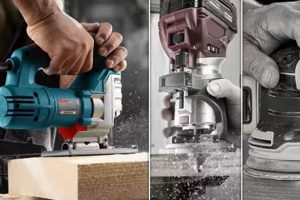
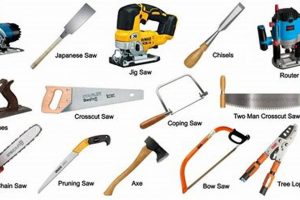
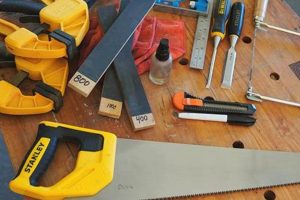
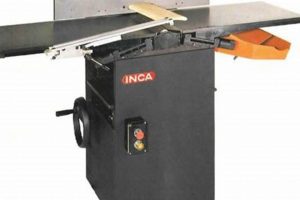
Fundamental implements utilized in the manipulation and shaping of wood are often characterized by their straightforward design and ease of use. These instruments facilitate various processes such as cutting, shaping, joining, and finishing wooden materials. A hand saw, for instance, enables precise cutting along marked lines, while a chisel allows for the removal of small wood portions to create intricate shapes or smooth surfaces.
The accessibility and affordability of these instruments render them invaluable for beginners and experienced craftspeople alike. Their application fosters creativity, problem-solving skills, and a tangible connection to the material. Historically, these foundational implements have been integral to construction, furniture making, and artistic expression, playing a vital role in societal development.
Subsequent sections will delve into specific types of these essential implements, providing detailed explanations of their function, proper usage, and maintenance techniques. Understanding these basics is critical for safe and successful woodworking projects.
Essential Woodworking Practices
The effective utilization of fundamental woodworking implements hinges on understanding best practices. Adhering to these guidelines enhances safety, precision, and the overall quality of finished projects.
Tip 1: Sharpen Blades Regularly: A dull blade requires greater force, increasing the risk of slippage and injury. Hone cutting edges frequently using appropriate sharpening stones or tools to maintain optimal performance.
Tip 2: Practice Proper Clamping Techniques: Securely clamp workpieces to prevent movement during cutting, shaping, or joining. Use appropriate clamp types and apply even pressure to avoid damage or distortion.
Tip 3: Master Measuring and Marking: Accurate measurements and clear markings are essential for precise woodworking. Employ reliable measuring tapes, squares, and marking gauges to ensure accuracy in all dimensions.
Tip 4: Select Appropriate Wood for the Task: Different wood species possess varying properties, such as hardness, grain pattern, and stability. Choose materials that align with the demands of the project to ensure structural integrity and aesthetic appeal.
Tip 5: Prioritize Safety Equipment: Wear safety glasses to protect against flying debris, ear protection to mitigate noise levels, and dust masks to prevent inhalation of sawdust. These precautions minimize the risk of injury and long-term health problems.
Tip 6: Understand Wood Grain Direction: Cutting or shaping wood against the grain can result in tear-out and uneven surfaces. Identify grain direction and adjust techniques accordingly to achieve smooth and consistent results.
Tip 7: Maintain Tools Properly: Keeping implements clean and well-lubricated prevents rust, reduces friction, and prolongs their lifespan. Regularly inspect and maintain implements in accordance with manufacturer recommendations.
Adherence to these techniques will elevate craftsmanship, reduce errors, and promote a safe and enjoyable woodworking experience. Consistent application of these guidelines provides a foundation for successful completion of any woodworking endeavor.
The subsequent section will explore project ideas suitable for individuals beginning their woodworking journey.
1. Functionality

Functionality, in the context of foundational woodworking implements, directly influences the efficiency and achievable outcomes of woodcrafting endeavors. The inherent purpose of each instrument whether it be to cut, shape, join, or finish wood dictates its design and operational principles. A backsaw, for example, exemplifies functionality through its rigid blade and reinforced back, designed specifically for creating precise, straight cuts in joinery. Its intended function directly shapes its physical characteristics, enabling tasks that other saws cannot perform as effectively.
An instrument’s functionality is paramount, as it determines its applicability to specific woodworking tasks. The effectiveness of a chisel in creating mortises, for instance, relies on its sharp, beveled edge and robust handle. If a chisel is not designed or maintained to perform its primary function of precisely removing wood, the resulting mortise will be inaccurate, potentially compromising the structural integrity of a project. Similarly, a smoothing plane must possess a precisely aligned blade and a flat sole to effectively flatten and refine wood surfaces.
In conclusion, functionality is not merely a characteristic, but rather the defining attribute of any fundamental woodworking implement. Understanding and respecting the intended use of each tool is essential for successful woodworking. Deviations from a tools designed function can lead to compromised results, increased risk of error, and potentially unsafe practices. Therefore, functionality serves as a central element in the selection, application, and maintenance of these essential instruments.
2. Durability

Durability, as it pertains to fundamental woodworking implements, signifies the capacity of these items to withstand repeated use and resist degradation over an extended period. This characteristic is critical due to the often-strenuous nature of woodworking tasks and the desire for implements that represent a long-term investment.
- Material Composition
The materials used in construction directly impact the implement’s ability to endure stress and wear. For example, hand planes crafted from high-carbon steel maintain their sharpness and resist deformation better than those made from softer metals. Similarly, wooden handles made from hardwoods like ash or hickory are less prone to cracking or splintering than those made from softwoods. The choice of robust materials ensures the tool can withstand the forces applied during operation without premature failure.
- Construction Quality
Method of assembly and overall craftsmanship significantly influence longevity. A dovetail saw with meticulously set teeth and a securely fastened handle will perform reliably for a longer duration than a poorly constructed saw with loose components. Similarly, chisels with full tangs extending through the handle are less susceptible to breakage compared to those with short, partially embedded tangs. Superior construction minimizes stress points and distributes forces more evenly, thereby extending the operational life of the implement.
- Resistance to Environmental Factors
Exposure to moisture, temperature fluctuations, and chemicals can compromise the structural integrity. Steel tools require protective coatings to prevent rust and corrosion, while wooden components benefit from regular oiling or waxing to prevent drying and cracking. Implements stored in damp environments are more likely to deteriorate rapidly compared to those kept in dry, controlled conditions. Addressing environmental vulnerabilities is essential for preserving functionality over time.
- Edge Retention
For cutting tools, the ability to maintain a sharp edge is a critical aspect of durability. A chisel or plane iron that dulls quickly requires frequent sharpening, increasing the time and effort required for woodworking tasks. High-quality steel alloys, combined with proper heat treatment, contribute to superior edge retention, reducing the need for frequent maintenance and ensuring consistent performance throughout the tool’s lifespan.
The inherent longevity of these instruments is directly tied to material selection, construction techniques, environmental protection, and, crucially, edge retention. Prioritizing durable implements translates to a reduced frequency of replacement, long-term cost savings, and the assurance that these instruments will reliably serve their purpose for years to come. The increased durability ensures that basic woodworking implements withstand wear and tear, thereby becoming an economical choice for artisans in the long run.
3. Ergonomics

Ergonomics, defined as the science of designing equipment and environments to fit the user, is paramount in the selection and application of fundamental woodworking implements. Proper ergonomic design mitigates physical strain, reduces the risk of injury, and enhances user efficiency and comfort during woodworking tasks.
- Handle Design and Grip
The shape, size, and material of handles directly impact grip strength and hand fatigue. Well-designed handles conform to the natural contours of the hand, distributing pressure evenly and minimizing stress on joints. For example, a hand plane with a contoured knob and tote allows for a secure grip and reduces wrist strain during prolonged use. Similarly, chisels with cushioned grips can absorb vibrations and prevent hand discomfort. Ergonomically sound handle design is crucial for maintaining control and preventing repetitive strain injuries.
- Tool Weight and Balance
The weight and distribution of mass affect maneuverability and control. A tool that is excessively heavy can cause muscle fatigue and reduce precision. Conversely, a tool that is too light may lack the necessary force for certain tasks. Balanced weight distribution allows for smoother and more controlled movements. For example, a well-balanced axe requires less effort to swing and reduces the risk of overexertion. The appropriate weight of tools minimizes physical strain.
- Posture and Body Mechanics
Ergonomic considerations extend beyond the tool itself to encompass the user’s posture and body mechanics. The height of a workbench, for instance, should be adjusted to minimize bending and reaching, reducing strain on the back and shoulders. Proper stance and technique are essential for preventing musculoskeletal problems. Additionally, the arrangement of tools and materials within the workspace should minimize unnecessary movements and promote efficient workflow. Attention to posture facilitates more fluid execution.
- Vibration Dampening
Repetitive use of hand tools can transmit vibrations to the hands and arms, potentially leading to conditions such as hand-arm vibration syndrome (HAVS). Ergonomic design incorporates features to dampen these vibrations, reducing the risk of injury. For example, handles made from vibration-absorbing materials, such as rubber or foam, can effectively minimize vibration transmission. Furthermore, techniques such as using a lighter grip and taking frequent breaks can help to reduce exposure to harmful vibrations.
The integration of ergonomic principles into woodworking practices is essential for promoting user well-being and enhancing productivity. Selecting implements with ergonomic designs, optimizing workspace ergonomics, and employing proper techniques contribute to a safer and more comfortable woodworking experience. Adhering to ergonomic principles ensures the health of users.
4. Accessibility

The characteristic of accessibility, in the context of fundamental woodworking implements, pertains to the ease with which individuals can acquire, learn to use, and maintain these instruments. Several factors contribute to or detract from accessibility, significantly impacting participation in woodworking activities. Cost serves as a primary barrier; inexpensive implements broaden access, while high-priced, specialized tools limit involvement to those with greater financial resources. Availability is another key aspect, with tools readily obtainable from local hardware stores or online retailers offering wider accessibility compared to tools requiring specialized sourcing. For example, a beginner-friendly starter kit containing a saw, chisel, and measuring tape provides immediate entry for novice woodworkers, while an expensive, imported hand plane remains out of reach for many.
Ease of learning plays a crucial role in accessibility. Simple designs and intuitive operation facilitate rapid skill acquisition, whereas complex tools demand specialized training or experience. A straightforward hand drill, for instance, is easily mastered through basic instruction, enabling individuals to perform essential tasks such as drilling pilot holes. Conversely, intricate power tools necessitate adherence to stringent safety protocols and a detailed understanding of their operational principles. Furthermore, the ready availability of instructional resources, such as online tutorials and community workshops, expands the possibilities for learning and skill development. Public school woodworking programs offer free access to tools and guidance.
In summation, accessibility acts as a critical determinant for widespread engagement in woodworking. Minimizing financial barriers, ensuring ready availability, and promoting ease of use collectively contribute to a more inclusive and diverse community of woodworkers. Efforts to enhance accessibility empower a broader segment of the population to participate in creative expression, practical skill development, and the satisfaction derived from working with wood. The accessibility of tools ensures the growth of skills.
5. Maintenance

Upholding the functionality and extending the lifespan of fundamental woodworking implements is intrinsically linked to consistent and appropriate maintenance practices. Neglecting proper upkeep can lead to diminished performance, increased risk of injury, and the need for premature replacement, thereby negating the initial advantages of acquiring accessible and durable instruments.
- Cleaning and Lubrication
Accumulation of sawdust, pitch, and other debris can impede the smooth operation of moving parts, such as those found in hand planes or saws. Regular cleaning, typically employing a brush or solvent, removes these contaminants. Subsequently, applying a thin coat of lubricant, such as oil or wax, reduces friction, prevents rust formation, and ensures effortless movement. This practice is especially crucial for tools stored in humid environments.
- Sharpening Cutting Edges
Cutting tools, including chisels, plane irons, and saw blades, require periodic sharpening to maintain optimal cutting performance. Dull edges necessitate greater force, increasing the risk of slippage and compromising the precision of cuts. Sharpening techniques vary depending on the tool type, but generally involve using sharpening stones, honing steels, or specialized sharpening jigs to restore a keen edge. Consistent honing prolongs sharpness and minimizes the frequency of more intensive sharpening procedures.
- Handle Care and Preservation
Wooden handles, common in many foundational woodworking tools, are susceptible to drying, cracking, and loosening over time. Regular application of linseed oil or other wood preservatives replenishes moisture, prevents cracking, and maintains a secure grip. Loose handles should be re-wedged or replaced to ensure safe and effective tool operation. Metal handles, while less prone to drying, may require cleaning to remove rust or corrosion.
- Proper Storage
Storage conditions significantly impact the long-term integrity of implements. Tools should be stored in a dry, protected environment, ideally in a tool chest or cabinet, to prevent exposure to moisture, dust, and physical damage. Organizing implements in a manner that prevents contact with each other minimizes the risk of chipping, scratching, or dulling of cutting edges. Hanging tools on a wall or storing them in individual sheaths or boxes further protects them from damage.
Adherence to these maintenance protocols ensures the continued effectiveness and longevity of fundamental woodworking implements. Investing time and effort in proper upkeep not only preserves the functionality of these instruments but also promotes safety, precision, and the overall enjoyment of woodworking activities. Neglecting maintenance, conversely, diminishes performance and increases the chance of needing expensive replacements.
Frequently Asked Questions About Fundamental Woodworking Implements
The following questions address common inquiries regarding the selection, usage, and maintenance of foundational woodworking tools. The answers provided aim to offer clarity and promote informed decision-making.
Question 1: What constitutes a comprehensive starting set of basic woodworking implements for a beginner?
A suitable introductory set typically includes a hand saw (crosscut and rip), a set of chisels (various sizes), a hand plane (smoothing or block), a measuring tape, a combination square, a marking gauge, a mallet, and appropriate sharpening stones.
Question 2: What is the significance of steel composition in determining the quality of a chisel or plane iron?
High-carbon steel offers superior edge retention and durability compared to softer steel alloys. The presence of alloying elements, such as chromium or vanadium, further enhances hardness and resistance to wear.
Question 3: How frequently should sharpening be performed on cutting implements to maintain optimal performance?
The frequency of sharpening depends on usage intensity and wood type. As a general guideline, implements should be sharpened whenever a noticeable decrease in cutting efficiency is observed, or at least every few projects.
Question 4: What are the recommended safety precautions to be observed when utilizing hand tools for woodworking?
Essential safety measures encompass wearing safety glasses to protect against flying debris, using appropriate clamps to secure workpieces, maintaining sharp cutting edges to prevent slippage, and exercising caution to avoid overexertion or awkward movements.
Question 5: How does wood grain direction influence the selection and application of these implements?
Wood grain dictates the direction of cutting or shaping to minimize tear-out and achieve smooth surfaces. Cutting against the grain often results in splintering or uneven finishes, necessitating adjustments to technique or tool selection.
Question 6: What are effective strategies for preventing rust and corrosion on steel-based woodworking tools?
Preventative measures include storing tools in a dry environment, applying a thin coat of oil or wax to exposed metal surfaces, and avoiding prolonged contact with moisture or corrosive substances.
These answers provide foundational knowledge for navigating the world of fundamental woodworking tools. A commitment to continuous learning and practical experience remains essential for developing proficiency.
The subsequent section will explore specific project ideas suitable for individuals beginning their woodworking journey.
Conclusion
This exploration of simple woodworking tools has illuminated their essential role in both novice and expert craftsmanship. The functionality, durability, ergonomics, accessibility, and maintenance of these implements are critical determinants of their utility and longevity. Understanding these attributes empowers individuals to make informed decisions regarding tool selection and usage.
Proficient utilization of these basic implements forms the bedrock of woodworking skill. Mastery allows for creative expression and practical problem-solving. Continued dedication to refining technique and maintaining equipment assures the preservation of traditional craft, ensuring its continued relevance in a modern context.