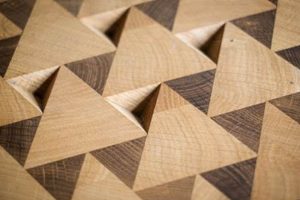
The systematic planning and creation of functional or aesthetic objects from wood is a craft requiring both technical skill and artistic vision. This process involves conceptualization, material selection, joinery techniques, and finishing methods. An example would be the development of a detailed plan for building a custom cabinet, encompassing precise measurements, joinery specifications, and finishing schedules. This ensures a structured approach, leading to a successful outcome.
A well-executed approach to creating objects from wood fosters efficiency, minimizes material waste, and maximizes the longevity and visual appeal of the finished product. Historically, carefully considered plans were crucial for structures and tools, contributing to both functionality and cultural expression. This thoughtful approach allows for tailored pieces, perfectly suited to specific needs and preferences, representing a departure from mass-produced alternatives and embodying individuality and skilled craftsmanship.
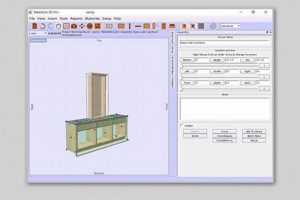
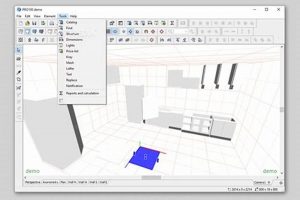
Subsequent sections will delve into the tools and software commonly employed in bringing wooden object ideas to life, the principles of effective project planning, and the diverse range of styles and techniques available to the modern artisan. Furthermore, it will also discuss how to find suitable inspirations for your project.
Design Considerations
The following guidelines offer a structured approach to maximizing the success of wooden object construction. Adherence to these principles can improve efficiency and quality.
Tip 1: Comprehensive Planning: Establish a detailed project plan before commencing any physical work. This plan should encompass material lists, dimensions, joinery methods, and finishing schedules. This proactive measure minimizes errors and material waste. A scale model or 3D rendering can be valuable tools during this stage.
Tip 2: Precise Measurement and Marking: Accurate measurements are paramount. Double-check all dimensions before cutting any material. Employ precise marking tools, such as a sharp marking knife and a precision square, to ensure accuracy. Inaccurate measurements can lead to significant rework and material loss.
Tip 3: Material Selection: Choose wood species based on project requirements. Consider factors such as strength, durability, grain pattern, and cost. For example, hardwood is generally better suitable for load-bearing structures. Researching wood properties and choosing the correct material is essential for long-term project success.
Tip 4: Joinery Selection: Select appropriate joinery techniques based on the project’s structural requirements and aesthetic considerations. Mortise and tenon joints offer superior strength, while dovetail joints provide a decorative and robust connection. Select joinery appropriate to the situation.
Tip 5: Proper Tool Maintenance: Regularly maintain tools to ensure optimal performance. Sharp blades and well-tuned machinery improve cutting accuracy and reduce the risk of accidents. Dull tools can lead to splintering and imprecise cuts, compromising the integrity of the finished piece.
Tip 6: Finishing Considerations: Plan the finishing process concurrently with the design. Different finishes can enhance the wood’s natural beauty and provide protection from moisture and wear. Consider the environmental impact of selected finishes and choose eco-friendly options when available.
Tip 7: Safety Protocol: Adhere to established safety protocols at all times. Wear appropriate personal protective equipment, such as safety glasses and hearing protection. Work in a well-ventilated area to avoid exposure to harmful fumes. Prioritizing safety prevents accidents and injuries.
Implementing these guidelines can significantly enhance the quality, efficiency, and longevity of wooden objects, resulting in a more satisfying and professional outcome.
The following section will explore effective tool and material usage to bring the design to life.
1. Conceptualization
Conceptualization is the genesis of any undertaking. It represents the initial phase, where an idea is developed into a coherent vision. Within the scope of woodworking, this entails defining the purpose, form, and function of the intended creation. This initial stage significantly influences subsequent processes, from material selection to execution strategies. A poorly conceived design, for example, may result in structural weaknesses or aesthetic incongruities, regardless of the execution quality. The interdependence highlights the role of careful planning.
The practical significance of proficient conceptualization becomes apparent when examining complex projects. Consider the design of a staircase; the conceptual phase must address not only the aesthetic appeal but also building codes, structural integrity, and user safety. Failure to adequately address these factors can lead to significant complications, costly rework, or even hazardous outcomes. Alternatively, envision the creation of a custom-fitted kitchen. Success hinges on accurate measurements, a deep understanding of spatial dynamics, and the ability to anticipate the end-user’s needs and workflow. The conceptual phase would entail detailed sketches, material selection aligned with the kitchen’s style and function, and consideration of plumbing and electrical integrations.
In summary, conceptualization forms a critical foundation. Challenges at this stage cascade through the production process. Addressing these challenges requires a blend of creativity, technical expertise, and practical awareness. This foundational phase significantly contributes to a project’s overall success. The ensuing phases are more manageable and the likelihood of achieving optimal results increases when it is effectively undertaken.
2. Material Selection

Material selection is an essential determinant of the outcome in any woodworking endeavor. It influences structural integrity, aesthetic appeal, and long-term durability. The choice of wood should align with the intended function, environmental conditions, and desired aesthetic of the project. For instance, using a softwood like pine for a heavily trafficked staircase will result in premature wear and potential structural failure, while utilizing a hardwood like oak or maple provides superior resistance to abrasion and impact. Similarly, exterior projects require rot-resistant species such as cedar or redwood to withstand moisture and prevent decay. Neglecting material selection principles can lead to structural compromise, aesthetic degradation, and ultimately, project failure.
The relationship between material and design is not solely based on structural considerations. The visual character of the wood, including its grain pattern, color, and texture, significantly contributes to the overall aesthetic of the project. A rustic design may benefit from the inherent imperfections and character of reclaimed wood, while a modern, minimalist design may call for the clean lines and uniform color of maple or birch. Furthermore, specific joinery techniques are better suited to certain wood species. For example, hardwoods are generally better for intricate joinery that requires strong, tight-fitting connections, whereas softwoods may be more challenging to work with due to their tendency to split or compress. A clear understanding of these material properties is crucial for successful design execution.
Proper material selection is integral to the process. A fundamental understanding of these considerations minimizes material waste, optimizes structural performance, and enhances the visual character of the finished piece. The selection process is linked to the initial planning and design, where challenges are identified and addressed. Neglecting this critical stage can result in compromised outcomes. Therefore, meticulous consideration of wood characteristics is paramount for any successful result.
3. Joinery Techniques

Effective and appropriate joinery is paramount in transforming concepts into tangible wooden objects. The selection and execution of these techniques directly affect the structural integrity, durability, and aesthetic qualities of any undertaking.
- Mortise and Tenon Joints
This technique involves fitting a projecting tenon into a corresponding mortise. This method excels in resisting tensile forces and shear stress. Examples include table legs connected to aprons or frame-and-panel doors in cabinet making. Their precise execution enhances both the structural strength and aesthetic appeal of the assembly.
- Dovetail Joints
Characterized by interlocking, fan-shaped projections, dovetails offer exceptional resistance to pulling forces. This technique is frequently used in drawer construction. The precision required for creating dovetail joints reflects the quality and skill involved in a project. The distinctive appearance of dovetails also contributes to the visual design.
- Lap Joints
Lap joints are created by overlapping two pieces of wood and joining them with adhesive or fasteners. These joints distribute stress along the contact surface, making them suitable for applications where strength is required. Examples of lap joints are found in framing applications and table aprons. Careful execution is vital to ensure a seamless transition between the joined components.
- Miter Joints
Miter joints involve joining two pieces of wood at an angle, typically 45 degrees, to create a corner. Miter joints are used to create clean, seamless corners in picture frames, boxes, and architectural moldings. The accuracy of the angled cuts directly impacts the aesthetic appeal and structural integrity of the joint. Reinforcements, such as splines, are often used to enhance the strength of miter joints.
The integration of suitable joinery techniques within wooden object creation represents a critical intersection of structural engineering and artistic craftsmanship. The selection process is an iterative process. The choice can ultimately elevate a project from functional to visually compelling. Skillful implementation is a determinant of structural and aesthetic success.
4. Ergonomic Factors

The integration of ergonomic principles into wooden object design represents a crucial convergence of functionality and user well-being. Application of such principles ensures created objects accommodate the user’s physiological and psychological needs, promoting comfort, safety, and efficiency.
- Workspace Height Optimization
Work surface height is paramount in mitigating strain. Workbenches designed too low necessitate excessive bending, while surfaces that are too high cause shoulder elevation. A correctly sized workbench allows the user to maintain a neutral posture, reducing the risk of musculoskeletal disorders. For example, customized benches cater to specific body types and work processes, optimizing posture and movement.
- Tool Handle Design
The design of tool handles significantly impacts grip strength and wrist posture. Handles with a comfortable diameter and non-slip surface reduce hand fatigue and improve control. Ergonomically designed tools minimize the force required for operation, thereby reducing the risk of carpal tunnel syndrome and other repetitive strain injuries. For example, hand planes or chisels should feature handles that fit naturally in the hand, distributing pressure evenly.
- Seating Considerations
For projects involving seated work, the chair design is a critical ergonomic factor. Adjustable chairs with lumbar support and appropriate seat depth promote proper spinal alignment and reduce back strain. A well-designed chair should allow the user to maintain a neutral sitting posture, with feet flat on the floor and thighs parallel to the ground. For example, specialized woodworking chairs with adjustable features can enhance focus and reduce fatigue during extended periods.
- Reach and Accessibility
The arrangement of materials and tools within the workspace should minimize unnecessary reaching and bending. Frequently used items should be readily accessible within a comfortable reach zone, reducing the risk of muscle strain. Efficient storage solutions and strategically placed tool holders can significantly improve workflow and reduce physical exertion. An example is a wall-mounted tool rack that keeps essential tools within easy reach, preventing excessive reaching.
Consideration of ergonomic factors during the design of wooden objects extends beyond mere comfort. It directly impacts user health, safety, and productivity. Integrating these principles necessitates a comprehensive understanding of human anatomy, biomechanics, and workplace design, ultimately resulting in functional and user-centered designs.
5. Finishing Methods

The selection and execution of surface treatments constitute a critical phase within wooden object creation. These surface treatments, often referred to as finishing methods, not only enhance aesthetic appeal but also provide crucial protection against environmental factors and daily wear. The choice of finish is not arbitrary; it is a design decision that directly impacts the longevity, maintainability, and overall impression of the wooden object. For instance, a carefully applied varnish can enhance the natural grain and color of the wood while simultaneously shielding it from moisture damage and ultraviolet radiation. Conversely, an improperly chosen or applied finish can detract from the wood’s beauty, provide inadequate protection, and necessitate premature repair or replacement. Therefore, a deep understanding of various finishing methods and their corresponding properties is essential for a comprehensive project outcome.
Practical applications of finishing methods are diverse and project-specific. Consider a wooden dining table. The surface finish is not merely decorative; it must withstand repeated cleaning, resist staining from food and liquids, and provide a durable surface for daily use. Options might include catalyzed conversion varnishes, known for their chemical resistance, or penetrating oil finishes, which offer a natural look with easier repairability. Alternatively, for exterior applications like wooden garden furniture, resistance to weathering, moisture, and fungal growth are paramount. Here, penetrating oil finishes containing UV inhibitors or spar varnishes, designed for marine environments, are often preferred. Proper surface preparation, including sanding and sealing, are prerequisites for the success of any finishing method.
In summary, appropriate finishing methods are an integral part of any wooden object process. These treatments not only determine the aesthetic characteristics of the piece but also contribute significantly to its resilience and lifespan. A comprehensive knowledge of different types of finishes, proper application techniques, and surface preparation protocols is crucial for achieving optimal results. Recognizing that finishing methods are not merely cosmetic enhancements but essential protective measures is fundamental to the successful creation of wooden objects that can withstand the test of time. The challenges of selecting the correct method are often linked to understanding environmental exposure and intended usage.
6. Structural Integrity

Structural integrity represents the ability of a designed wooden object to withstand applied loads and stresses without failure, deformation, or collapse. It is a paramount consideration within any woodworking project, influencing material selection, joinery techniques, and overall design decisions. Failure to adequately address structural considerations can lead to unsafe or short-lived creations.
- Material Properties and Load Bearing
Different wood species possess varying strengths and densities, directly influencing their load-bearing capacity. Hardwoods generally offer greater compressive and tensile strength than softwoods, making them suitable for structural components. The design must account for the specific properties of the chosen material and its capacity to withstand anticipated loads. For example, a load-bearing beam requires a wood species with a high modulus of rupture to prevent failure under bending stress. The wood choice must align with the expected load.
- Joinery Methods and Stress Distribution
Joinery techniques play a crucial role in distributing stress throughout a structure. Well-executed joints enhance overall strength, while poorly designed or executed joints can create weak points. Mortise and tenon joints, for instance, provide superior resistance to tensile and shear forces compared to simple butt joints. Dovetail joints are particularly effective in resisting pulling forces. The choice of joinery must complement the design and load-bearing requirements of the project.
- Design and Stability
The overall design geometry directly affects stability. A wide base provides greater stability than a narrow one. Triangulation, a technique commonly used in truss construction, enhances rigidity and distributes loads more evenly. Incorporating these design principles improves structural integrity and reduces the risk of collapse or deformation. A properly designed structure ensures that forces are directed through the wood in a manner that maximizes its inherent strength.
- Environmental Factors and Durability
Environmental conditions, such as moisture and temperature fluctuations, can significantly impact the long-term performance. Wood expansion and contraction due to moisture changes can stress joints and lead to warping or cracking. Protective finishes and appropriate wood selection can mitigate these effects, extending the lifespan. Examples of this include using pressure-treated lumber for exterior applications and allowing for expansion gaps in large wooden surfaces.
These facets underscore the intimate connection between structural integrity and the design process. The success of any undertaken project depends on a comprehensive understanding of these factors, ensuring long-lasting and reliable wooden creations.
Frequently Asked Questions About Object Planning
This section addresses common queries concerning strategies for producing objects from wood. Clarity on these points facilitates project success.
Question 1: What preliminary steps are essential before commencing a object from wood?
A comprehensive design and plan are imperative. These plans should encompass material lists, precise dimensions, joinery specifications, and finishing schedules. Thorough planning minimizes errors and material waste.
Question 2: How does material selection impact the longevity of such an object?
Wood species properties directly influence the durability of the resulting structure. Consider factors such as strength, resistance to moisture, and susceptibility to insect damage when selecting wood. Choosing appropriate materials ensures a prolonged lifespan.
Question 3: What joinery techniques offer optimal structural integrity?
Mortise and tenon joints and dovetail joints typically provide superior strength compared to simpler joinery methods. The selection of joinery should align with the specific structural requirements and aesthetic considerations of the design.
Question 4: How can one ensure the safety of the working environment when developing objects from wood?
Adherence to established safety protocols is crucial. Personal protective equipment, such as safety glasses and hearing protection, is essential. Adequate ventilation and proper tool maintenance also minimize the risk of accidents.
Question 5: What finishing methods are most effective for protecting wooden surfaces?
The appropriate finish depends on the intended use and exposure conditions. Exterior projects require finishes that offer UV protection and resistance to moisture. Interior projects may benefit from finishes that enhance the wood’s natural beauty while providing a durable, cleanable surface.
Question 6: How do building codes or regulations influence object development?
Many structures, particularly those intended for residential or commercial use, are subject to building codes. Compliance with these regulations is essential for safety and legality. Consult local authorities or experienced builders to ensure adherence to all applicable codes.
Key takeaways from these queries include the importance of planning, material selection, appropriate joinery, safety measures, finishing methods, and compliance with relevant regulations. These considerations represent fundamental aspects of successful craftsmanship.
The subsequent section will explore design software and tools commonly employed by woodworkers.
Conclusion
This article has explored multifaceted considerations essential to structured planning. Emphasis has been placed on conceptualization, material selection, joinery techniques, ergonomic factors, finishing methods, and structural integrity. These elements, when thoughtfully integrated, elevate the craft beyond mere assembly. The systematic methodology presented herein offers a framework for creating robust, aesthetically pleasing, and functional objects.
Mastering these principles necessitates continuous learning, refinement of skills, and a dedication to precision. It is only through a comprehensive understanding of both design and construction that one can truly achieve excellence. Further exploration and dedicated practice are therefore encouraged, ensuring the future of well-executed and enduring objects of wood.

![Top Rated Best Design App for Woodworking Designs [2024] | Step-by-Step Guides, Tools & Inspiration to Build Beautiful Wooden Decor on a Budget](https://woodfromhome.com/wp-content/uploads/2026/03/th-321-300x200.jpg "Top Rated Best Design App for Woodworking Designs [2024] Step-by-Step Guides, Tools & Inspiration to Build Beautiful Wooden Decor on a Budget")