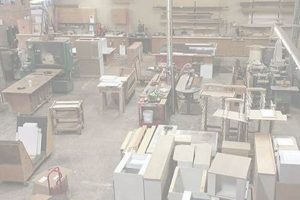
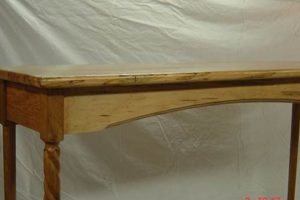
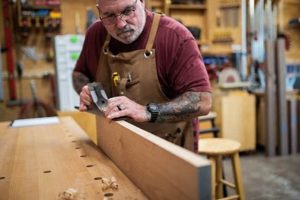
The focus is a specialized trade encompassing the design, construction, and installation of bespoke wooden structures and furniture. This includes elements like kitchen cabinets, bookshelves, and other architectural details tailored to specific client needs and aesthetic preferences. The creation of these items often involves skilled artisans employing both traditional techniques and modern tools to transform raw lumber into functional and aesthetically pleasing pieces.
This specialized area offers advantages such as enhanced space utilization, personalized design reflecting individual style, and increased property value. Historically, woodworking and cabinetry have been essential crafts, evolving from basic utilitarian applications to sophisticated art forms. These handcrafted items provide durability and a unique character often lacking in mass-produced alternatives, representing a tangible investment in quality and craftsmanship.
The subsequent sections will delve into specific aspects of this specialized field, including material selection, design considerations, construction techniques, and the process of collaborating with clients to achieve desired outcomes. It will also cover trends within the sector and how technological advancements impact the final product and the overall experience.
Essential Guidelines for Superior Woodworking and Cabinetry
The following points offer valuable insights to ensure enduring quality and aesthetic appeal in woodworking and custom cabinetry projects.
Tip 1: Select Appropriate Materials: Lumber selection dictates the final product’s longevity and appearance. Hardwoods such as oak and maple provide durability for high-use applications, while softwoods like pine are suitable for decorative elements. Consider moisture content and grain patterns for stability and visual harmony.
Tip 2: Prioritize Accurate Measurements: Precise dimensions are critical for seamless installation and functional design. Double-check all measurements and utilize digital measuring tools for enhanced accuracy. Inaccurate measurements can lead to costly rework and compromise structural integrity.
Tip 3: Employ Proper Jointing Techniques: Robust joinery is essential for structural stability. Dovetail joints, mortise and tenon joints, and rabbet joints offer varying degrees of strength and visual appeal. Select the appropriate joint based on the application and load-bearing requirements.
Tip 4: Implement Comprehensive Surface Preparation: Proper sanding, priming, and sealing ensure a smooth, uniform finish. Thoroughly sand all surfaces to remove imperfections and apply a high-quality primer to promote adhesion. Consider the environmental conditions and select a finish that offers adequate protection against moisture and wear.
Tip 5: Utilize High-Quality Hardware: Hardware selection significantly impacts the functionality and aesthetic of cabinets and furniture. Choose durable hinges, drawer slides, and knobs that complement the overall design. Consider soft-close mechanisms for enhanced user experience.
Tip 6: Ensure Precise Installation: Accurate installation is crucial for optimal performance and visual appeal. Utilize shims to ensure level surfaces and secure cabinets to wall studs for added stability. Pay close attention to alignment and spacing for a professional finish.
These guidelines emphasize the importance of meticulous planning, material selection, and execution. Adhering to these principles results in durable, aesthetically pleasing, and functional woodworking and cabinetry projects.
The subsequent section will elaborate on design considerations and best practices for collaborating with clients to achieve personalized solutions.
1. Precision Craftsmanship

Precision craftsmanship is paramount in woodworking and custom cabinetry. It dictates the accuracy and quality of the final product, directly influencing its functionality, aesthetic appeal, and longevity. Within the context of custom projects, the meticulous execution of design specifications is critical.
- Accurate Measurements & Cutting
Precise measurements and cuts are fundamental to achieving seamless joinery and proper fit. Accurate measurements prevent gaps, misalignment, and structural weaknesses. For example, if cabinet door dimensions are off by even a fraction of an inch, the overall appearance and functionality will be compromised.
- Superior Joinery Techniques
Skilled joinery enhances structural integrity and visual appeal. Techniques such as dovetailing, mortise and tenon joints, and mitered corners require expertise and precision. High-quality joinery ensures that cabinets and furniture can withstand daily use and environmental stresses without failing.
- Flawless Finishing
A flawless finish protects the wood, enhances its natural beauty, and provides a durable surface. This involves thorough sanding, proper application of stains or paints, and protective topcoats. Imperfections in the finishing process, such as uneven coverage or drips, can detract from the overall quality of the piece.
- Detailed Hardware Installation
Precise installation of hardware, including hinges, drawer slides, and handles, is essential for smooth operation and a professional appearance. Misaligned or poorly installed hardware can cause cabinets and drawers to malfunction, leading to frustration and premature wear. Precise drilling and secure fastening are critical.
These facets of precision craftsmanship are integral to delivering high-quality woodworking and custom cabinetry solutions. The commitment to accuracy, expertise, and attention to detail distinguishes exceptional work from mediocre results, ensuring client satisfaction and lasting value.
2. Bespoke Design
Bespoke design is inextricably linked to specialized woodworking and custom cabinetry, serving as the cornerstone of personalized solutions. The demand for tailored woodworking stems directly from the need for furniture and fixtures that precisely fit unique spaces and individual aesthetic preferences. Without bespoke design, the potential for customized solutions is fundamentally absent, resulting in generic, mass-produced items that fail to address specific needs.
The incorporation of bespoke design allows for the creation of truly unique pieces, reflecting the client’s individual style and functional requirements. For instance, a homeowner with an oddly shaped kitchen might require cabinets specifically designed to maximize storage space and seamlessly integrate with the existing architectural features. Similarly, a business owner may need custom display cases to showcase merchandise in a visually appealing and secure manner. The failure to embrace bespoke design in these scenarios would lead to inefficient space utilization, compromised aesthetics, and ultimately, dissatisfaction.
Bespoke design, therefore, represents a critical element within the realm of specialized woodworking and custom cabinetry. The ability to translate client visions into tangible, functional pieces sets specialized woodworking apart from mass production. While challenges exist in balancing design aspirations with practical considerations such as budget and structural integrity, the rewards increased property value, enhanced functionality, and the satisfaction of owning a truly unique piece justify the investment in bespoke design solutions.
3. Material Excellence
Material excellence is an indispensable component of quality woodworking and custom cabinetry. The selection of superior materials directly influences the longevity, structural integrity, and aesthetic appeal of the finished product. Inferior materials, conversely, can lead to premature failure, structural instability, and a compromised aesthetic, ultimately diminishing the value of the investment.
The relationship between material excellence and woodworking is causal; the choice of premium lumber, hardware, and finishes directly impacts the quality and durability of the end result. For instance, using kiln-dried hardwoods, such as cherry or walnut, for custom cabinetry ensures dimensional stability, resistance to warping, and a superior surface for finishing. Conversely, employing low-grade plywood or particleboard can result in structural weakness and susceptibility to moisture damage. Similarly, utilizing high-quality, corrosion-resistant hinges and drawer slides guarantees smooth operation and extends the lifespan of the cabinetry. The application of durable, low-VOC finishes protects the wood from scratches, stains, and UV degradation, preserving its beauty for years to come.
Ultimately, the commitment to material excellence distinguishes superior woodworking from mass-produced alternatives. While the initial cost may be higher, the long-term benefits of enhanced durability, aesthetic appeal, and overall value far outweigh the short-term savings associated with inferior materials. Prioritizing material selection contributes significantly to creating custom cabinetry and woodworking projects that stand the test of time and provide lasting satisfaction.
4. Functional Integration

Functional integration, within the context of specialized woodworking and custom cabinetry, refers to the seamless incorporation of design elements that enhance usability, accessibility, and overall practicality. It is not merely about aesthetic appeal; rather, it prioritizes how effectively a piece of furniture or a cabinet system serves its intended purpose. This integration is critical because it transforms a visually pleasing item into a truly valuable and efficient component of a living or working space. The absence of functional integration renders custom creations impractical and ultimately diminishes their worth. For example, a kitchen cabinet designed without considering the ergonomic reach of the user or the storage needs of common kitchen items, despite its aesthetic qualities, fails to adequately fulfill its function. The result is inefficiency and user frustration.
The practical application of functional integration manifests in various ways. In kitchen cabinetry, pull-out shelves, integrated lighting, and specialized storage for utensils and cookware exemplify this principle. For custom desks, built-in cable management systems, adjustable height mechanisms, and integrated power outlets enhance productivity and user comfort. In living rooms, custom entertainment centers with concealed storage for media equipment and strategically placed shelving for display items optimize space utilization and reduce clutter. These examples demonstrate how thoughtful design, combined with precise craftsmanship, creates functional and aesthetically pleasing pieces. A failure to consider these aspects results in spaces that are visually appealing but difficult to use effectively.
Therefore, functional integration is a fundamental consideration in specialized woodworking and custom cabinetry. The thoughtful synthesis of design and practicality ensures that custom creations not only meet but exceed client expectations. Overcoming challenges such as limited space or complex user needs requires a deep understanding of ergonomic principles, user behavior, and innovative design solutions. Ultimately, functional integration transforms custom woodworking and cabinetry from a luxury item into a strategic investment in improved living and working environments.
5. Durability & Longevity

The relationship between durability and longevity and specialized woodworking & custom cabinetry is causal: the investment in high-quality materials and construction techniques directly impacts the lifespan and resilience of the final product. Specialized woodworking, by its very nature, aims to provide solutions that extend beyond short-term trends, offering lasting value to the client. The selection of durable hardwoods, robust joinery methods (such as dovetailing or mortise and tenon), and protective finishes contributes directly to the ability of custom cabinetry to withstand the rigors of daily use and environmental factors, such as humidity and temperature fluctuations. For example, a custom-built kitchen island constructed from solid maple with a catalyzed varnish finish, as opposed to a mass-produced alternative using particleboard and a thin laminate, will exhibit significantly greater resistance to scratches, dents, and moisture damage, ultimately ensuring a longer service life and minimizing the need for repairs or replacements. The importance of durability is evident in the historical context of antique furniture, where pieces crafted with meticulous attention to detail and using premium materials have survived for centuries, demonstrating the potential for woodworking to create lasting legacies.
The practical significance of understanding this connection manifests in several ways. Clients seeking custom cabinetry often prioritize long-term value and aesthetic appeal over immediate cost savings. They recognize that investing in durable materials and expert craftsmanship translates to a product that will not only withstand the test of time but also retain its value and beauty. This understanding informs the design and construction process, guiding the selection of materials, the implementation of joinery techniques, and the application of finishes. For instance, a custom-built bookcase designed to hold a collection of rare and valuable books would necessitate the use of solid wood shelves and a stable structure capable of supporting significant weight without sagging or warping over time. The choice of finish would also be carefully considered to protect the books from harmful UV rays and environmental pollutants. These are considerations absent in mass-produced units.
In summary, durability and longevity are not merely desirable attributes but essential components of quality woodworking and custom cabinetry. Prioritizing these elements ensures a lasting investment, contributing to both the functional and aesthetic value of a space. Challenges in achieving these goals include balancing cost considerations with material quality and the need for ongoing maintenance to protect the finished product. The value proposition of specialized woodworking, however, rests firmly on its ability to deliver solutions that endure, reflecting a commitment to quality and lasting craftsmanship.
Frequently Asked Questions Regarding Specialized Woodworking and Custom Cabinetry
The subsequent section addresses common inquiries related to the processes, materials, and considerations involved in specialized woodworking and custom cabinetry services.
Question 1: What factors influence the cost of custom cabinetry?
The price of custom cabinetry is affected by several variables, including material selection (hardwoods versus softwoods, imported versus domestic), the complexity of the design (intricate carvings versus simple forms), the size and scope of the project (a single bathroom vanity versus a complete kitchen renovation), and the level of customization required (unique hardware or specialized finishes).
Question 2: How does the design process for custom woodworking projects typically proceed?
The design process generally commences with an initial consultation to determine the client’s needs, preferences, and budget. This is followed by the creation of detailed drawings or 3D renderings, allowing for visual confirmation of the design concept. Material selection and finish options are then explored, culminating in a final design approved by the client before construction begins.
Question 3: What types of wood are best suited for custom cabinetry and furniture?
The choice of wood depends on the intended application and aesthetic preferences. Hardwoods, such as oak, maple, and cherry, offer durability and resistance to wear, making them suitable for high-use areas like kitchens. Softwoods, such as pine and cedar, are often used for decorative elements or projects where weight is a consideration. The moisture content and grain patterns of the wood are also critical factors.
Question 4: How long does it typically take to complete a custom woodworking project?
The timeline for completion varies based on the complexity of the design, the availability of materials, and the workload of the craftsman. Small projects, such as a single bookshelf, may take a few weeks, while larger projects, such as a full kitchen remodel, can take several months.
Question 5: What maintenance is required to ensure the longevity of custom woodworking and cabinetry?
Regular cleaning with a mild soap and water solution is recommended. Avoid harsh chemicals and abrasive cleaners that can damage the finish. Periodic application of a furniture polish or wax can help protect the wood and maintain its luster. Address any scratches or minor damage promptly to prevent further deterioration.
Question 6: Are custom woodworking and cabinetry projects environmentally sustainable?
Sustainability is a growing concern in the industry. Utilizing sustainably harvested lumber, low-VOC finishes, and efficient construction techniques can minimize the environmental impact. Choosing locally sourced materials reduces transportation costs and supports local economies. Clients interested in sustainable practices should inquire about certifications and sourcing policies.
These answers provide a basic understanding of key considerations related to custom woodworking and cabinetry. Further consultation with experienced professionals is recommended for project-specific advice.
The subsequent section will examine case studies demonstrating the application of these principles in real-world projects.
Mike’s Woodworking & Custom Cabinetry
This exploration has underscored the fundamental aspects of specialized woodworking and custom cabinetry. From precision craftsmanship and bespoke design to material excellence, functional integration, and durability, each element contributes to the creation of enduring and valuable pieces. The emphasis on meticulous attention to detail, thoughtful planning, and skilled execution separates quality custom work from mass-produced alternatives, providing clients with personalized solutions that meet specific needs and aesthetic preferences.
The ongoing pursuit of excellence in woodworking demands a continued commitment to innovation, sustainability, and client satisfaction. The future of custom cabinetry lies in the seamless integration of technology and traditional techniques, ensuring both efficiency and artistry. As client needs evolve, adapting and exceeding expectations will remain the defining characteristic of quality woodworking and custom cabinetry. Contact experienced professionals and plan with expertise to have an outstanding result.