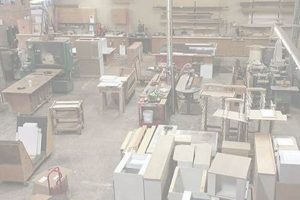
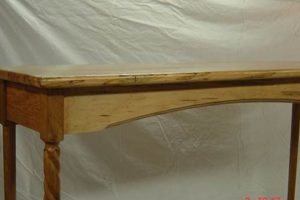
The phrase refers to the specialized creation of wooden structures and objects tailored to precise client specifications, executed at a superior level of craftsmanship. Examples include bespoke cabinetry designed for unique kitchen layouts, intricately carved fireplace mantels reflecting specific aesthetic preferences, and handcrafted furniture built to exacting ergonomic requirements.
This service provides numerous advantages, including optimized space utilization, personalized aesthetics that enhance property value, and the creation of durable, heirloom-quality pieces. Historically, such specialized craftsmanship was reserved for the wealthy elite; however, advancements in technology and the rise of skilled artisans have made it increasingly accessible to a broader market.
The following sections will explore the design process, material selection considerations, construction techniques, and finishing options that characterize high-end woodworking, as well as discussing factors affecting project cost and timelines.
Woodworking Project Guidance
This section offers key considerations for clients embarking on a high-end woodworking project, providing insights derived from professional experience in bespoke fabrication.
Tip 1: Define Project Scope Precisely: Ambiguity in initial project definition leads to potential cost overruns and timeline extensions. Detailed blueprints, material specifications, and finish samples should be approved before commencement.
Tip 2: Prioritize Material Quality: Opt for sustainably sourced hardwoods graded for furniture or architectural applications. Substandard lumber compromises structural integrity and aesthetic appeal over time.
Tip 3: Integrate Hardware Selection Early: Cabinet hinges, drawer slides, and door pulls should complement the design and be chosen during the planning phase to ensure compatibility and aesthetic harmony.
Tip 4: Account for Environmental Factors: Wood expands and contracts with humidity fluctuations. Designs should incorporate appropriate joinery techniques and expansion gaps to prevent warping or cracking.
Tip 5: Invest in Professional Finishing: A durable, expertly applied finish protects the wood surface and enhances its natural beauty. Consider catalyzed conversion varnishes or hand-rubbed oil finishes for superior results.
Tip 6: Confirm Installation Details: Precise measurements of installation locations are essential. Account for wall irregularities, plumbing, and electrical conduit prior to fabrication to avoid on-site modifications.
Tip 7: Manage Expectations Regarding Lead Times: High-end woodworking involves meticulous craftsmanship. Realistic timelines should be established based on complexity, material availability, and finishing requirements.
Adhering to these guidelines facilitates a smooth project workflow, ensuring the final product meets the client’s expectations for quality, durability, and aesthetic excellence.
The following sections will explore the importance of proper maintenance and care to preserve the beauty and longevity of fine woodwork.
1. Precision Craftsmanship

Precision craftsmanship serves as a foundational element for any endeavor aspiring to the designation of woodworking that is elite and custom. It represents the meticulous execution of design, material preparation, and construction techniques to produce objects exhibiting minimal dimensional deviation and superior joint integrity. The absence of precision directly compromises the structural soundness, aesthetic appeal, and overall longevity of the finished product. For instance, a custom cabinet with improperly aligned doors or drawers, resulting from a lack of precision, detracts significantly from its perceived value and functional efficiency.
The significance of precision extends beyond mere aesthetics. In complex projects, such as custom-fitted libraries or architectural millwork installations, deviations from specified dimensions can lead to substantial integration problems. Consider the example of an intricately carved staircase where inaccurate measurements or inconsistent joinery can result in instability and compromised safety. Furthermore, precision craftsmanship facilitates the efficient use of materials, minimizing waste and contributing to the overall cost-effectiveness of the project. This level of care can also minimize the need for adjustments, saving time and materials.
Ultimately, the link between precision craftsmanship and superior woodworking hinges on the creation of pieces that not only fulfill their intended purpose but also stand as testaments to the skill and dedication of the craftsperson. While challenges certainly arise during the execution of complex projects, the commitment to precision remains paramount. This understanding is essential for both woodworkers and clients seeking enduring and high-quality results within the domain of superior woodworking.
2. Material Sourcing

Material sourcing is not merely a logistical concern but a foundational determinant of quality, sustainability, and aesthetic value within the domain of elite custom woodworks. The selection process directly impacts the final product’s structural integrity, visual appeal, and environmental footprint. Diligent sourcing practices are therefore integral to upholding the standards associated with high-end woodworking.
- Species Selection and Properties
The choice of wood species significantly influences the project’s suitability for its intended application. Hardwoods such as oak, maple, and walnut offer superior durability and resistance to wear, making them ideal for furniture and high-traffic areas. Conversely, softwoods like pine and cedar, while more easily worked, may be better suited for decorative elements or applications where structural strength is less critical. Material sourcing involves considering factors such as grain pattern, density, and inherent resistance to moisture and pests to align the selection with the project’s specific needs. For instance, selecting a naturally rot-resistant species like teak for outdoor applications is crucial to longevity.
- Sustainability and Ethical Considerations
Elite custom woodworks recognizes the importance of responsible forestry practices. Sourcing materials from sustainably managed forests, certified by organizations such as the Forest Stewardship Council (FSC), ensures that timber harvesting does not contribute to deforestation or habitat degradation. Ethical sourcing also entails avoiding wood from regions with documented human rights violations or illegal logging activities. Utilizing reclaimed or salvaged wood further minimizes environmental impact by repurposing existing materials and reducing the demand for newly harvested timber. This dedication to sustainability demonstrates a commitment to responsible resource management.
- Grading and Quality Control
The grading of lumber is a critical aspect of material sourcing, as it dictates the presence of defects such as knots, splits, and warping. High-end woodworking projects typically demand the selection of premium-grade lumber with minimal imperfections to ensure a flawless finish and structural soundness. Rigorous quality control measures, including visual inspection and moisture content testing, are essential to identify and reject substandard materials. For example, selecting “clear grade” lumber for a custom cabinet door guarantees a uniform surface without knots, enhancing the overall aesthetic appeal.
- Origin and Provenance
The origin and provenance of the wood can significantly impact its value and appeal. Certain regions are known for producing timber with unique characteristics due to specific growing conditions. For instance, Appalachian cherry is prized for its rich color and fine grain, while old-growth redwood boasts exceptional stability and resistance to decay. Knowing the origin of the wood allows artisans to leverage its inherent qualities and highlight its unique character in the finished product. Furthermore, documenting the provenance can enhance the traceability and authenticity of the piece, adding to its intrinsic value.
The confluence of species selection, sustainability practices, rigorous grading, and attention to origin collectively elevates material sourcing from a mere procurement process to a strategic imperative within elite custom woodworks. This approach not only guarantees the highest standards of quality and durability but also demonstrates a commitment to ethical and environmental responsibility, aligning with the values of discerning clientele.
3. Bespoke Design

Bespoke design, in the context of woodworking, represents a fundamental departure from standardized, mass-produced items. It signifies the creation of unique, individualized pieces meticulously tailored to meet specific client requirements, aesthetic preferences, and functional needs, thereby forming a cornerstone of elite custom woodworks.
- Client-Driven Specifications
Bespoke design places the client’s vision at the forefront. Every aspect of the project, from overall dimensions and material selection to intricate detailing and finishing techniques, is determined in close consultation with the client. This collaborative process ensures that the final product is not merely functional but also a reflection of the client’s personal style and individual requirements. For example, a client might specify a particular type of wood with a specific grain pattern, dimensions precisely matched to an existing space, and custom hardware to complement the overall aesthetic. This level of customization is unattainable with off-the-shelf products.
- Space Optimization and Integration
Bespoke designs are inherently optimized for their intended environment. Considerations are given to the existing architectural context, spatial constraints, and functional demands of the space. This ensures seamless integration and maximizes the utility of the finished product. A custom-built bookcase, for instance, can be designed to fit precisely within an alcove, maximizing storage space and complementing the room’s existing decor. Similarly, a kitchen island can be designed to accommodate specific appliances and workflow requirements, enhancing both functionality and aesthetic appeal.
- Material Selection and Quality
Bespoke design affords unparalleled control over material selection. Clients can choose from a wide range of premium hardwoods, exotic veneers, and specialized finishes to achieve the desired aesthetic and functional characteristics. This level of selectivity ensures that only the highest-quality materials are used, contributing to the longevity and overall value of the finished product. For example, a client might opt for sustainably sourced hardwoods with a specific grain pattern and color to create a one-of-a-kind dining table. This level of material control is a hallmark of bespoke design.
- Uniqueness and Artistic Expression
Bespoke designs are inherently unique, reflecting the individual creativity and artistry of the woodworker. Intricate carvings, custom inlays, and hand-applied finishes can transform functional objects into works of art. This emphasis on artistic expression elevates bespoke woodworking beyond mere utility, creating pieces that are both functional and visually stunning. A custom-carved headboard with intricate detailing, for example, can become a focal point in a bedroom, adding a touch of elegance and sophistication. The ability to express individual artistic vision is a defining characteristic of bespoke design.
These elements collectively highlight the distinctive character of bespoke design within the realm of elite custom woodworks. It transcends the limitations of mass production, offering clients the opportunity to create truly unique and personalized pieces that reflect their individual style, meet their specific needs, and enhance their living spaces.
4. Structural Integrity

Structural integrity serves as an indispensable characteristic of woodworking at its most elevated and customized form. It constitutes the capacity of a wooden structure to withstand applied forces and environmental stressors without deformation, fracture, or collapse. The absence of adequate structural integrity negates the aesthetic appeal and functional utility, transforming a bespoke creation into a liability. Elite custom woodworks, therefore, prioritizes design and construction techniques that ensure durability and longevity, transcending mere visual appeal.
The integration of robust joinery methods, selected with a view toward load-bearing capacity and resistance to environmental factors, is paramount. Mortise-and-tenon joints, dovetail joints, and lap joints, meticulously executed, distribute stress effectively, preventing concentrated points of failure. Consider a custom-built library: the shelves, designed to support considerable weight, necessitate joinery capable of withstanding sustained loads without sagging or detaching. Similarly, exterior doors, exposed to temperature fluctuations and moisture, require construction methods that prevent warping, cracking, and eventual failure. The selection of appropriate wood species, considering density, grain orientation, and inherent resistance to decay, further enhances structural integrity.
In conclusion, structural integrity is not merely a desirable attribute but a non-negotiable requirement for elite custom woodworks. It ensures the long-term performance, safety, and value of bespoke creations, transforming them from transient objects into enduring assets. The challenges inherent in achieving optimal structural integrity necessitate expertise in design, material selection, and construction techniques, reinforcing the distinction between ordinary carpentry and the pinnacle of woodworking craftsmanship.
5. Finish Application

The meticulous application of a finish constitutes a critical stage in elite custom woodworks, influencing both the aesthetic appeal and protective properties of the completed piece. It is a process demanding precision, expertise, and a deep understanding of material compatibility and environmental factors, significantly impacting the perceived value and longevity of the creation.
- Surface Preparation and its Impact
Prior to finish application, meticulous surface preparation is paramount. Sanding, filling imperfections, and ensuring a clean, dust-free surface are essential for achieving a flawless finish. Inadequate preparation leads to uneven coverage, visible imperfections, and reduced adhesion, ultimately compromising the aesthetic outcome. For instance, failing to properly sand a custom cabinet door before applying a stain can result in blotchy color absorption, detracting from the overall appearance. Proper preparation guarantees a smooth, uniform surface that enhances the finish’s clarity and durability.
- Selection of Appropriate Finishes
The choice of finish directly impacts the durability, appearance, and maintenance requirements of the wood surface. Options range from penetrating oils and waxes to durable varnishes and lacquers, each possessing unique characteristics. For example, a catalyzed conversion varnish offers exceptional resistance to moisture, chemicals, and abrasion, making it suitable for high-use surfaces like kitchen countertops. Conversely, a hand-rubbed oil finish may be preferred for its natural appearance and ease of repair, although it provides less protection. Matching the finish to the wood species, intended use, and desired aesthetic is critical.
- Application Techniques and Expertise
The application of finishes demands specialized skills and techniques. Spraying, brushing, and wiping are common methods, each requiring specific equipment and expertise to achieve optimal results. Spraying typically provides the most uniform coverage, while brushing can be used to create textured effects. Proper technique minimizes imperfections such as drips, runs, and brush marks, contributing to a flawless finish. For example, applying multiple thin coats of lacquer with proper sanding between each coat can create a depth and clarity unmatched by a single, heavy application.
- Protection and Enhancement of Wood
Beyond aesthetics, finishes serve a crucial protective function. They create a barrier against moisture, ultraviolet light, and physical damage, extending the lifespan of the wood. Certain finishes also enhance the natural beauty of the wood, accentuating its grain and color. For example, a clear coat of polyurethane protects a custom-built table from spills and scratches while allowing the natural beauty of the wood to shine through. The finish acts as a shield, preserving the integrity and visual appeal of the wood over time.
In summary, the finish application is an integral component of creating superior quality woodworks. It requires a harmony of skilled preparation, informed finish selection, technical application expertise, and an acute awareness of a finishs protective capabilities. Consequently, a superior finish is pivotal in fulfilling the design intentions in every piece of elite custom woodwork.
6. Client Collaboration
Client collaboration is not merely a courtesy but an intrinsic and essential element in the creation of elite custom woodworks. The bespoke nature of such projects necessitates a deep understanding of the client’s needs, preferences, and intended use of the finished piece. Without effective communication and collaborative decision-making, the final product risks failing to meet expectations, regardless of the artisan’s technical skill. This partnership ensures the woodworking aligns with the clients functional requirements and aesthetic vision, turning a general idea into a tangible and unique creation. For example, during the design phase of a custom kitchen, thorough discussions about workflow preferences, storage requirements, and appliance specifications directly influence the layout and internal organization of the cabinetry.
This interactive process extends beyond initial design considerations. Ongoing communication during material selection, construction, and finishing is crucial. The client’s input on wood species, stain colors, hardware choices, and finishing techniques directly impacts the final visual and tactile qualities of the piece. Furthermore, addressing unforeseen challenges or modifications collaboratively ensures the project stays aligned with the client’s evolving needs and budget. Consider a scenario where a client requests a built-in bookcase but discovers, during construction, the need for additional shelving; a collaborative approach allows for incorporating the alteration without compromising the overall design or structural integrity. Client sign-off at various stages provides both parties with clear understanding and buy-in, as well as documentation.
In summary, client collaboration is a critical determinant of success in elite custom woodworks. It ensures that the final product is not only beautifully crafted but also perfectly aligned with the client’s specific requirements and aesthetic sensibilities. The challenges inherent in translating abstract ideas into tangible reality are mitigated through ongoing dialogue and mutual understanding, ultimately fostering a sense of ownership and satisfaction for the client and allowing the craftsperson to deliver a truly exceptional, personalized creation.
7. Sustainable Practices

Sustainable practices are increasingly integral to elite custom woodworks, moving beyond mere trend to represent a core tenet of responsible craftsmanship. The commitment to environmental stewardship enhances the value proposition of bespoke wooden creations, appealing to a clientele that prioritizes ethical consumption and long-term ecological well-being.
- Responsible Forestry and Sourcing
The cornerstone of sustainable woodworks lies in the responsible sourcing of timber. This encompasses prioritizing wood harvested from sustainably managed forests, certified by organizations like the Forest Stewardship Council (FSC). Such certifications ensure adherence to rigorous environmental and social standards, minimizing deforestation and preserving biodiversity. Utilizing reclaimed or salvaged wood, sourced from deconstructed buildings or fallen trees, further reduces reliance on newly harvested timber, lessening environmental impact. For example, employing reclaimed heart pine from a demolished warehouse in crafting a custom dining table not only preserves a valuable resource but also imbues the piece with historical character.
- Non-Toxic Materials and Finishes
Traditional woodworking often involves the use of adhesives, stains, and finishes containing volatile organic compounds (VOCs) that contribute to air pollution and pose health risks. Sustainable practices advocate for the adoption of non-toxic alternatives, such as water-based finishes, natural oils, and formaldehyde-free adhesives. These materials minimize environmental harm and create healthier indoor environments for both craftspeople and clients. Employing milk paint, a natural, non-toxic finish derived from milk protein, lime, and pigments, on custom cabinetry offers an environmentally sound and aesthetically pleasing alternative to conventional paints.
- Waste Minimization and Recycling
Effective waste management is crucial to minimizing the environmental footprint of woodworking operations. Sustainable practices prioritize reducing waste generation through efficient cutting techniques, careful material planning, and the repurposing of offcuts. Sawdust and wood shavings can be composted, used as animal bedding, or transformed into briquettes for heating. Recycling metal hardware, packaging materials, and other workshop waste further contributes to resource conservation. For instance, using CNC technology to optimize cutting patterns in the production of custom furniture minimizes material waste and reduces the demand for new timber.
- Energy Efficiency and Conservation
Woodworking operations consume energy through machinery, lighting, and climate control. Sustainable practices encourage the implementation of energy-efficient measures to reduce electricity consumption and greenhouse gas emissions. This includes utilizing energy-efficient equipment, such as LED lighting and variable-speed motors, optimizing workshop insulation, and implementing renewable energy sources, such as solar panels. Powering a custom woodworking shop with solar energy reduces reliance on fossil fuels and lowers the carbon footprint of the finished products.
Integrating these sustainable practices elevates elite custom woodworks beyond mere craftsmanship, demonstrating a commitment to environmental responsibility and ethical sourcing. The resulting pieces embody not only aesthetic beauty and functional excellence but also a tangible expression of environmental consciousness, appealing to a discerning clientele that values both quality and sustainability.
Frequently Asked Questions about Elite Custom Woodworks
The following addresses common inquiries regarding the services, processes, and considerations associated with commissioning bespoke woodworking projects.
Question 1: What factors influence the cost of a project?
Project cost is determined by several key variables: the complexity of the design, the type and quantity of materials selected, the intricacy of the joinery, and the scope of the finishing work. Intricate carvings, specialized hardware, and exotic wood species invariably increase project expenses. Design and complexity are the biggest factors influencing project costs.
Question 2: What is the typical timeline for completing a custom woodworking project?
Project timelines vary significantly based on project scope and complexity. Simpler projects, such as small pieces of furniture, may require several weeks. Larger, more intricate projects, such as custom kitchens or built-in libraries, could take several months to complete. Realistic timelines must be established during the initial consultation phase.
Question 3: How can clients ensure their vision is accurately translated into the final product?
Clear and consistent communication is paramount. Detailed drawings, material samples, and frequent progress updates facilitate accurate translation of the client’s vision. Client involvement throughout the design and construction phases ensures that the final product aligns with expectations.
Question 4: Are sustainable practices incorporated into project execution?
Sustainable practices, including responsible sourcing of materials, use of non-toxic finishes, and waste minimization, are integral to company operations. Clients concerned with environmental impact are encouraged to discuss specific sourcing and material preferences during the initial consultation.
Question 5: What types of wood are best suited for various applications?
Hardwoods, such as oak, maple, and cherry, are generally preferred for furniture and high-traffic areas due to their durability. Softwoods, such as pine and cedar, are suitable for decorative elements and applications where structural strength is less critical. The selection of wood species should be carefully considered based on intended use and aesthetic preferences.
Question 6: How should custom woodwork be maintained to ensure longevity?
Proper maintenance is essential for preserving the beauty and durability of custom woodwork. Regular cleaning with mild soap and water, avoidance of harsh chemicals, and periodic application of protective finishes will extend the lifespan of the piece. Specific maintenance recommendations vary depending on the type of wood and finish used.
These frequently asked questions address some of the common concerns when undertaking a superior woodworking project.
The succeeding section will delve into case studies to exemplify previously discussed principles.
Conclusion
This exposition has explored the multi-faceted nature of elite custom woodworks, highlighting key considerations from material sourcing and bespoke design to structural integrity and sustainable practices. The synthesis of precision craftsmanship and client collaboration remains paramount in achieving exceptional results. Understanding the nuances of project scope, material properties, and appropriate finishing techniques enables informed decision-making throughout the woodworking process.
The pursuit of woodworking excellence necessitates a commitment to both artistry and ethical responsibility. Continued innovation in sustainable materials and construction methods will further elevate the standards of elite custom woodworks, ensuring enduring value and environmental stewardship. Prospective clients are encouraged to seek out artisans who demonstrate proficiency across the spectrum of woodworking disciplines, fostering a partnership that results in functional and aesthetically superior creations.