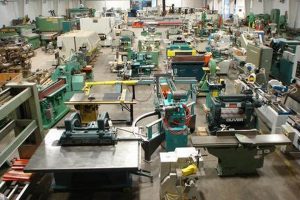
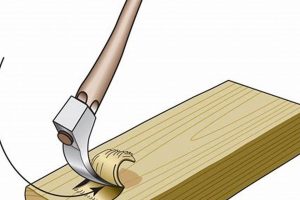
Equipping educational institutions with instruments and implements designed for shaping wood is essential for vocational training and introductory arts programs. These instruments range from basic hand tools such as saws, chisels, and planes, to more complex machinery like lathes, jointers, and planers. The selection of these items must align with the curriculum’s objectives and the skill level of the students.
Providing suitable resources for woodworking education offers several advantages. It facilitates the development of practical skills valuable in various trades and crafts. Moreover, it fosters creativity, problem-solving abilities, and an appreciation for design and craftsmanship. Historically, incorporating manual arts into education has been recognized for its contribution to well-rounded development, preparing individuals for diverse career paths and enhancing cognitive functions.
The subsequent sections will address crucial aspects of selecting, maintaining, and safely utilizing resources for educational woodworking programs. This includes considerations for budget constraints, safety protocols, and pedagogical best practices to ensure an effective and enriching learning environment.
Procuring Equipment for Woodworking Education
Selecting the appropriate equipment for woodworking programs necessitates careful planning and adherence to established guidelines. Prioritizing safety, suitability, and long-term value is paramount.
Tip 1: Conduct a Thorough Needs Assessment: Evaluate the curriculum requirements and the skill levels of the student body to determine the necessary range and type of equipment. Avoid over-investing in advanced machinery if the program focuses on foundational skills.
Tip 2: Prioritize Safety Features: Ensure all power tools are equipped with appropriate safety guards, emergency stop mechanisms, and dust collection systems. Provide comprehensive safety training to all users, regardless of experience level.
Tip 3: Opt for Durable and Reliable Brands: Investing in higher-quality equipment from reputable manufacturers reduces the risk of malfunctions and downtime. Consider warranties and availability of replacement parts.
Tip 4: Establish a Regular Maintenance Schedule: Implement a documented schedule for inspecting, cleaning, and maintaining all equipment. Proper maintenance extends the lifespan of the equipment and prevents accidents.
Tip 5: Allocate Sufficient Budget for Consumables: Budget not only for the initial purchase of equipment but also for ongoing costs associated with blades, sandpaper, finishes, and other consumables.
Tip 6: Consider Space Constraints: Evaluate the available workspace and select equipment that fits comfortably without compromising safety or workflow. Implement efficient storage solutions for hand tools and materials.
Tip 7: Explore Funding Opportunities: Investigate potential grants, donations, and partnerships with local businesses or organizations to offset the costs associated with equipping a woodworking program.
Implementing these recommendations enhances the effectiveness and longevity of woodworking programs. Thoughtful acquisition and responsible maintenance of necessary items are essential for cultivating a safe and productive learning environment.
The subsequent section will delve into specific pedagogical approaches for maximizing the educational impact of woodworking activities.
1. Safety Compliance

Adherence to safety regulations is a paramount concern when incorporating woodworking resources into educational curricula. The inherent risks associated with cutting, shaping, and joining wood require rigorous safety protocols to protect students and instructors.
- Personal Protective Equipment (PPE)
The provision and mandatory use of appropriate PPE, such as safety glasses, hearing protection, and dust masks, is fundamental. Safety glasses protect against projectiles, hearing protection minimizes noise-induced hearing loss, and dust masks prevent inhalation of harmful wood particles. Failure to enforce PPE usage can lead to serious injuries and long-term health problems.
- Machine Guarding and Safety Mechanisms
All power tools must be equipped with functional safety guards and emergency stop mechanisms. These features prevent accidental contact with moving parts and allow for immediate shutdown in case of an emergency. Regular inspection and maintenance of these safeguards are essential to ensure their effectiveness.
- Tool-Specific Training and Competency Assessment
Students must receive comprehensive training on the safe operation of each woodworking tool before being permitted to use it independently. Training should cover proper techniques, potential hazards, and emergency procedures. Competency assessments should be conducted to verify that students possess the necessary skills and knowledge to operate the tools safely.
- Ventilation and Dust Collection Systems
Woodworking activities generate significant amounts of airborne dust, which can pose respiratory health risks. Effective ventilation and dust collection systems are crucial for maintaining air quality and minimizing exposure to harmful particulates. Systems should be regularly inspected and maintained to ensure optimal performance.
These safety compliance measures are not merely regulatory requirements but integral components of responsible woodworking education. Their diligent implementation minimizes the risk of injury and promotes a culture of safety, ensuring a productive and enriching learning environment. Neglecting these standards exposes students and instructors to unacceptable risks and undermines the educational value of the program.
2. Curriculum Integration
Successful implementation of woodworking programs hinges on the deliberate and thoughtful integration of practical activities with established learning objectives. The mere presence of woodworking equipment does not guarantee educational efficacy; instead, intentional curriculum design is essential to transform hands-on experience into meaningful knowledge acquisition. Cause and effect are readily apparent: a well-integrated curriculum utilizes the tools as a means to teach broader principles of design, mathematics, physics, and history. For example, a project involving the construction of a simple wooden box can simultaneously teach geometry, measurement skills, material properties, and an appreciation for historical woodworking techniques. The integration serves to contextualize theoretical concepts, making them more tangible and memorable for students.
Furthermore, the integration process allows for differentiated instruction, catering to diverse learning styles and abilities. Visual learners benefit from the spatial reasoning required in woodworking projects, while kinesthetic learners thrive on the hands-on manipulation of materials and tools. An effectively integrated curriculum avoids a purely technical focus, extending the learning experience beyond basic woodworking skills. It might incorporate elements of art, engineering, and entrepreneurship, promoting critical thinking, problem-solving, and creativity. For instance, students could be tasked with designing and building a small piece of furniture, considering both its aesthetic appeal and its structural integrity, followed by an exploration of the market for similar products.
In conclusion, “Curriculum Integration” represents a critical determinant of the educational value derived from woodworking resources. Without a deliberate and comprehensive plan to connect hands-on activities with specific learning goals, the potential benefits of these programs remain largely unrealized. The challenge lies in designing curricula that effectively leverage woodworking to foster a broader range of skills and knowledge, preparing students for future academic and professional endeavors. The successful integration of woodworking within educational settings significantly enhances student engagement and overall learning outcomes, thus underscoring its practical significance.
3. Budget Allocation

The availability of woodworking resources within educational institutions is fundamentally contingent upon strategic budget allocation. Insufficient financial provisions invariably limit the scope and quality of equipment, directly impacting the effectiveness of woodworking programs. A clearly defined budget is a prerequisite for procuring essential items, covering initial investments in hand tools, power tools, safety equipment, and consumables such as lumber, fasteners, and finishing materials. Furthermore, budget allocation affects the ability to maintain equipment properly, including sharpening blades, replacing worn parts, and ensuring compliance with safety regulations. Neglecting these aspects can lead to compromised performance, safety hazards, and shortened equipment lifespans.
Effective budget allocation necessitates a comprehensive understanding of both immediate and long-term needs. A detailed inventory of required tools and materials, coupled with a realistic assessment of their costs, forms the foundation of a sound budget. Moreover, it is crucial to factor in ongoing expenses, such as maintenance, repairs, and the replenishment of consumables. For example, a school might initially purchase a high-quality band saw, but failure to budget for replacement blades, safety guards, and regular servicing can quickly render the investment ineffective. Prioritization should also consider safety requirements, ensuring that adequate funds are allocated for personal protective equipment and ventilation systems, as non-compliance can have severe consequences.
In summary, appropriate budget allocation is not merely a logistical consideration but a critical determinant of the success and sustainability of woodworking programs. Careful planning, detailed cost assessments, and ongoing financial commitments are essential for providing students with safe, effective, and enriching learning experiences. Short-sighted budgetary decisions can result in inadequate equipment, compromised safety, and ultimately, a diminished educational experience. Therefore, educational administrators must recognize the integral role of budget allocation in fostering a thriving woodworking program that effectively contributes to student learning and skill development.
4. Durability Standards

The service life of woodworking implements within educational institutions is directly proportional to the robustness of their construction and the ability to withstand sustained use. Durability Standards, therefore, represent a crucial consideration when selecting and maintaining tools for educational woodworking programs. Meeting these standards ensures the tools can endure the demands of frequent handling, diverse skill levels, and potential misuse, ultimately maximizing return on investment and minimizing safety risks.
- Material Composition and Hardness
The selection of appropriate materials is fundamental to the longevity of woodworking tools. High-carbon steel alloys, for example, are preferred for cutting edges due to their hardness and ability to retain sharpness. Handles constructed from dense hardwoods like ash or maple offer superior resistance to impact and wear. The utilization of inferior materials, such as low-grade steel or brittle plastics, inevitably leads to premature failure and increased replacement costs.
- Construction Techniques and Joint Integrity
The method of assembly significantly impacts the structural integrity of woodworking tools. Dovetail joints, for instance, provide a robust and interlocking connection for hand-saws, while reinforced welds are essential for the frames of power tools. Inadequate construction techniques, such as weak adhesive bonds or poorly aligned components, create points of vulnerability that are susceptible to stress and breakage under normal usage.
- Protective Coatings and Surface Treatments
The application of protective coatings and surface treatments enhances the resistance of woodworking tools to corrosion, abrasion, and environmental degradation. Powder coating on metal components, for instance, provides a durable barrier against rust, while varnish or lacquer finishes protect wooden handles from moisture and UV damage. Neglecting these protective measures accelerates deterioration and reduces the overall lifespan of the equipment.
- Ergonomic Design and User Comfort
Ergonomic design considerations contribute to the durability of woodworking tools by reducing strain on both the tool and the user. Handles that are shaped for a comfortable grip and balanced weight distribution minimize the likelihood of accidental drops and excessive force exertion. Tools that are inherently difficult to handle are more prone to damage due to user frustration and improper technique.
The consistent application of appropriate “Durability Standards” significantly extends the operational lifespan of woodworking resources in educational environments. Prioritizing robust materials, sound construction, protective treatments, and ergonomic designs ultimately translates to reduced maintenance costs, enhanced safety, and a more effective learning experience for students. The failure to adhere to these standards compromises the long-term viability of woodworking programs and diminishes their overall educational value. It becomes economically sound investment to choose tools in which durability standards are of high importance.
5. Maintenance Protocols

The sustained functionality and safety of woodworking equipment within educational settings are directly linked to the implementation of rigorous maintenance protocols. These protocols encompass a systematic approach to inspecting, cleaning, repairing, and calibrating tools and machinery. The failure to adhere to established maintenance schedules and procedures invariably leads to equipment degradation, increased safety hazards, and diminished educational outcomes. For example, a dull saw blade not only compromises the quality of woodworking projects but also necessitates increased force, potentially leading to user fatigue and injury. Conversely, the consistent sharpening and proper alignment of saw blades ensure efficient cutting and minimize the risk of accidents.
Maintenance protocols are not merely a matter of preserving equipment; they represent a critical component of responsible woodworking education. Incorporating maintenance tasks into the curriculum instills in students a sense of ownership and responsibility for the tools they use. Students can learn to identify signs of wear and tear, perform basic repairs, and understand the importance of regular maintenance in prolonging the lifespan of equipment. As a practical example, students can be instructed on the proper techniques for cleaning and lubricating a hand plane, fostering an appreciation for craftsmanship and preventative care. This hands-on experience is invaluable in preparing them for future careers in trades or crafts where equipment maintenance is an essential skill.
In conclusion, the development and consistent implementation of robust maintenance protocols are indispensable for maximizing the effectiveness and safety of woodworking programs. From regular inspections to preventative maintenance, these measures safeguard the investment in equipment, promote a culture of safety, and enhance the overall learning experience for students. The long-term sustainability of woodworking education hinges on recognizing maintenance not as an ancillary task but as an integral element of the curriculum and operational budget. Challenges such as time constraints and resource limitations can be overcome through thoughtful scheduling, student involvement, and dedicated funding for maintenance supplies and training.
Frequently Asked Questions
This section addresses common inquiries regarding the selection, utilization, and maintenance of woodworking tools within educational institutions. The information provided aims to clarify best practices and address potential concerns.
Question 1: What is the minimum inventory of woodworking tools required to establish a basic introductory program?
A foundational set should include hand saws (crosscut and rip), chisels (assorted sizes), hand planes (block and smoothing), measuring tools (rules, squares, marking gauges), and fastening tools (hammers, screwdrivers, clamps). Power tools such as a drill press, band saw, and sander are beneficial but not strictly necessary for introductory activities.
Question 2: What safety certifications or standards should woodworking tools meet to be considered acceptable for use in a school environment?
Tools should conform to relevant industry standards such as ANSI (American National Standards Institute) or UL (Underwriters Laboratories). These certifications indicate that the tools have undergone testing for safety and performance. In addition, all power tools should be equipped with appropriate safety guards and emergency stop mechanisms.
Question 3: What is the recommended student-to-instructor ratio for woodworking classes to ensure adequate supervision and safety?
A ratio of no more than 15 students per instructor is recommended, particularly when power tools are in use. This allows for individualized attention and proactive monitoring of student activities, minimizing the risk of accidents.
Question 4: How frequently should woodworking tools be inspected and maintained to ensure their safe and effective operation?
Tools should be inspected prior to each use for any signs of damage or wear. A more thorough maintenance schedule, including sharpening, lubrication, and parts replacement, should be conducted at least quarterly or more frequently depending on usage.
Question 5: What measures can be implemented to control dust and minimize respiratory hazards in a woodworking classroom?
A dust collection system connected to all power tools is essential. In addition, the classroom should be equipped with adequate ventilation to remove airborne particles. Students and instructors should wear appropriate respirators or dust masks at all times.
Question 6: What training resources are available to educators who may lack extensive experience in woodworking?
Professional development opportunities, such as workshops and online courses, are available through woodworking associations, vocational training centers, and tool manufacturers. These resources provide educators with the knowledge and skills necessary to safely and effectively teach woodworking techniques.
In conclusion, careful consideration of these factors is paramount for establishing and maintaining a safe and productive woodworking program. Prioritizing safety, investing in quality equipment, and providing ongoing training are essential for ensuring positive learning outcomes.
The subsequent section explores advanced techniques and innovative approaches in woodworking education.
Conclusion
The preceding examination of “woodworking tools for schools” has underscored the multifaceted considerations necessary for establishing and maintaining effective educational programs. Key aspects, encompassing safety compliance, curriculum integration, budget allocation, durability standards, and maintenance protocols, directly influence the quality of the learning environment and the development of practical skills in students. A holistic approach to these elements is essential for maximizing the educational value and minimizing potential risks.
The responsible provision of woodworking resources represents a commitment to fostering creativity, problem-solving abilities, and vocational preparedness in young individuals. Investing in quality equipment, prioritizing safety, and implementing comprehensive training programs are crucial steps in ensuring the long-term success of woodworking education. The pursuit of excellence in this domain requires ongoing evaluation, adaptation, and a steadfast dedication to providing students with the tools and knowledge necessary to excel in a rapidly evolving world. The future of craftsmanship and skilled trades depends on the continued support and enhancement of woodworking programs within educational institutions.