Fundamental implements employed in shaping and joining wood are essential for various construction and craft projects. These items, often hand-operated, provide the means to cut, shape, fasten, and finish wooden materials. For example, a saw is used to create cuts, a chisel is utilized for refining shapes, and a hammer drives fasteners to join pieces together.
The proper selection and utilization of these implements are crucial for achieving precision, structural integrity, and aesthetic appeal in woodwork. Their application dates back centuries, playing a vital role in building structures, creating furniture, and producing artistic objects. Mastering their use unlocks the ability to execute projects ranging from simple repairs to complex constructions, offering both practical skills and creative outlets.
The subsequent sections will delve into the specific types of instruments commonly found in a woodworker’s collection, exploring their functions, appropriate usage, and necessary maintenance to ensure longevity and optimal performance. Attention will be given to both hand tools and essential power tools frequently used in conjunction.
Essential Woodworking Instrument Advice
Optimizing the effectiveness and extending the lifespan of essential woodworking instruments requires adherence to specific maintenance and operational guidelines. Implementing these recommendations ensures accuracy, safety, and prolonged utility.
Tip 1: Sharpen Blades Regularly: Consistent sharpening of saw blades, chisels, and plane irons is paramount. Dull blades necessitate increased force, leading to imprecise cuts and potential injury. Invest in sharpening stones or professional sharpening services.
Tip 2: Maintain Proper Storage: Store instruments in a dry environment, preferably in a designated toolbox or rack. This prevents rust and damage. Avoid stacking implements haphazardly.
Tip 3: Clean After Each Use: Remove sawdust and debris from instruments immediately after use. Use a brush or compressed air. Apply a light coat of oil to prevent rust on metal surfaces.
Tip 4: Select the Right Tool for the Task: Employing the appropriate tool for the specific woodworking operation is critical. Using a chisel as a screwdriver, for example, can damage the chisel and compromise the integrity of the workpiece.
Tip 5: Inspect for Damage: Regularly inspect instruments for cracks, loose handles, or other signs of damage. Repair or replace damaged implements promptly to ensure safety and accuracy.
Tip 6: Use Correct Cutting Techniques: Practice proper cutting techniques to minimize strain on instruments and maximize precision. Avoid forcing cuts, and maintain a steady hand.
Tip 7: Apply Lubrication Where Needed: Lubricate moving parts, such as those on hand planes, to ensure smooth operation and prevent excessive wear. Use appropriate lubricants as recommended by the manufacturer.
Adherence to these guidelines significantly enhances the performance and longevity of woodworking instruments, contributing to improved project outcomes and a safer working environment.
The following section will cover advanced practices to further augment woodworking skills.
1. Cutting

Cutting is a fundamental operation in woodwork, inextricably linked to an array of implements used to divide and shape wood. The precision and efficiency of cutting operations directly influence the quality and structural integrity of the final product. The selection and proper application of specific implements are critical to achieving desired results.
- Saws: Stock Division and Shaping
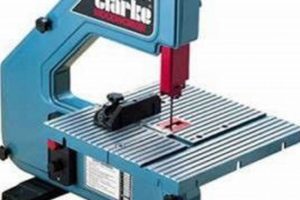
Saws represent the primary means of dividing wood stock and performing initial shaping. Handsaws, such as the rip saw and crosscut saw, offer control and precision for smaller projects. Power saws, including circular saws and band saws, provide greater speed and efficiency for larger-scale work. The appropriate saw selection depends on the wood’s grain direction, desired cut accuracy, and project scope.
- Chisels: Precision Shaping and Joinery
Chisels are employed for precise shaping, detail work, and creating joinery. Bench chisels, paring chisels, and mortise chisels serve distinct purposes. Their sharp edges enable the removal of small amounts of material, allowing for intricate cuts and the creation of tight-fitting joints. Proper sharpening and controlled application are essential for safe and accurate chisel work.
- Knives: Delicate Cuts and Markings
Knives are utilized for delicate cuts, marking, and scoring wood surfaces. Marking knives create precise lines for joinery, while carving knives facilitate intricate shaping and decorative work. The sharpness and precision of a knife are paramount for achieving clean, accurate results in these applications. The control offered by hand knives is often vital in fine woodworking.
- Abrasive Cutting Tools: Specialized Applications
Abrasive cutting implements, such as abrasive cut-off wheels and rasps, are employed for specialized cutting applications. Abrasive wheels are useful for cutting hard materials or creating curved shapes. Rasps are used for shaping wood, particularly for roughing out curves or creating textures. These tools offer alternative cutting methods where conventional saws and chisels may be less effective.
The mastery of cutting operations using various implements forms the cornerstone of proficient woodworking. Understanding the capabilities and limitations of each instrument, coupled with proper technique and maintenance, allows for the creation of precise, durable, and aesthetically pleasing wood projects.
2. Shaping
Shaping, in the context of woodworking, represents a crucial set of processes that transform raw lumber into refined forms. These processes rely heavily on specific implements designed to remove material precisely, create contours, and achieve desired dimensions. The selection and application of appropriate instruments are fundamental to achieving the intended aesthetic and functional properties of a woodworking project.
- Hand Planes: Controlled Surface Refinement
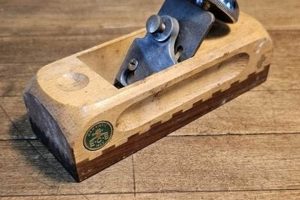
Hand planes, a core component of shaping operations, offer a controlled method for refining wood surfaces. Smoothing planes, jack planes, and block planes each serve distinct purposes in achieving desired surface quality and dimensional accuracy. Proper sharpening and adjustment of the plane’s blade are essential for effective material removal and a smooth finish. These tools allow for iterative shaping and refining, allowing for intricate and precise adjustments.
- Rasps and Files: Aggressive Material Removal and Curve Creation
Rasps and files provide a means of more aggressive material removal, particularly useful for shaping curved surfaces and refining complex forms. The coarse teeth of rasps efficiently remove wood, while files offer a finer level of shaping and smoothing. These implements are commonly used in shaping chair spindles, creating decorative elements, and refining the contours of musical instruments. The manual control offered by rasps and files is advantageous when creating non-uniform shapes.
- Spokeshaves: Shaping Curved Components
Spokeshaves are specialized hand tools designed for shaping curved wooden components, such as chair legs, tool handles, and boat parts. The blade of a spokeshave is positioned between two handles, allowing for precise control when removing material along a curved surface. Skilled use of a spokeshave allows for the creation of smooth, flowing lines and consistent curves. The adaptability of spokeshaves to various curve radii makes them essential instruments for many woodworking projects.
- Power Routers: Efficient Shaping and Edge Profiling
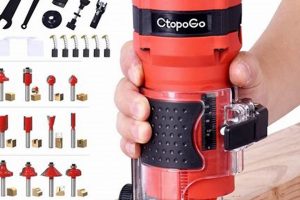
Power routers, while not strictly hand tools, have become integral in many shaping operations. Routers, used with various bits, offer efficient methods for shaping edges, creating decorative profiles, and cutting intricate designs. These tools allow for precise and repeatable shaping, especially when used with jigs and fixtures. The versatility of routers makes them valuable for both decorative and functional shaping tasks.
The diverse range of implements employed in shaping reflects the multifaceted nature of the process. Mastery of these instruments, coupled with a thorough understanding of wood properties and shaping techniques, enables woodworkers to transform raw materials into functional and aesthetically pleasing objects. Careful selection and skillful application are necessary to achieve the intended form, function, and aesthetic appeal of each woodworking creation.
3. Fastening

Fastening represents a critical phase in woodworking, uniting individual components to form a cohesive and functional whole. This process relies upon a range of implements, categorized under “basic woodwork tools,” designed to create secure and lasting bonds. The success of any woodworking project hinges significantly on the integrity of its joints, which are achieved through effective fastening methods. Examples include using nails driven with a hammer to assemble a basic frame, screws tightened with a screwdriver to attach hardware, and clamps to hold glued pieces securely until the adhesive cures. The inability to properly fasten wood components inevitably leads to structural instability and premature failure of the completed project.
Beyond simply joining pieces, proper fastening techniques also impact the aesthetic appeal and overall durability of woodwork. The selection of appropriate fasteners, considering factors such as wood type, joint design, and anticipated stress, is crucial. For instance, constructing outdoor furniture requires weather-resistant screws to prevent corrosion and ensure long-term performance. Similarly, delicate joinery may necessitate the use of concealed fasteners or specialized adhesives to maintain visual harmony. Skilled woodworkers understand the nuances of fastener selection and application, ensuring both structural soundness and aesthetic refinement.
In conclusion, fastening serves as an indispensable element of woodworking, intrinsically linked to the tools employed to achieve it. The stability, longevity, and visual quality of any wooden creation are directly influenced by the effectiveness of its fastening methods. Mastering the tools and techniques associated with fastening is therefore essential for any woodworker seeking to produce durable and aesthetically pleasing projects, representing a cornerstone of fundamental woodworking skill.
4. Measuring

Accurate measurement forms the bedrock of successful woodworking, directly influencing the precision and quality of finished projects. Reliable instruments, categorized as “basic woodwork tools,” are essential for translating design specifications into tangible results. Without precise measurement, materials cannot be cut to size, joinery will be misaligned, and the final product will lack structural integrity and aesthetic appeal.
- Rules and Tape Measures: Linear Dimensions
Rules and tape measures are fundamental for determining linear dimensions, essential for accurate cutting and component sizing. The rule offers precise, rigid measurement for smaller pieces, while tape measures facilitate the measurement of longer spans. Inaccuracy in these measurements propagates throughout the project, leading to cumulative errors that compromise the final result. Regular calibration and careful usage habits are critical.
- Squares: Ensuring Perpendicularity
Squares, including combination squares and try squares, are indispensable for verifying and marking perpendicular lines. Accurate squares are vital for constructing square frames, precise joinery, and ensuring that components are properly aligned. Misaligned squares lead to skewed constructions, compromised structural integrity, and aesthetic defects. The square is pivotal in validating the orthogonality of a woodworking project.
- Levels: Determining Horizontal and Vertical Planes
Levels, whether spirit levels or digital levels, establish horizontal and vertical reference planes, critical for constructing stable and aligned structures. Proper leveling is essential for installing shelves, building cabinets, and ensuring that surfaces are parallel to the ground. Erroneous leveling results in unbalanced constructions, visually unappealing outcomes, and potential functional limitations. The level dictates the orientation of elements within a woodworking project.
- Marking Gauges: Parallel Lines and Mortise Layout
Marking gauges are specialized implements used to scribe parallel lines at specific distances from an edge. They are particularly useful for laying out mortises, dados, and other joinery elements. Accurate marking gauges ensure consistent and parallel lines, promoting precise joinery and visual consistency. A well-maintained marking gauge enables repeatable accuracy in woodworking layout and material preparation.
These measurement tools, while diverse in their specific applications, collectively underpin the accuracy and precision achievable in woodworking. The effective selection, maintenance, and skillful application of these “basic woodwork tools” are paramount for translating design intent into tangible, high-quality results. Without meticulous measurement, even the finest woodworking techniques cannot compensate for fundamental errors in dimension and alignment. Mastery of measuring instruments is thus a prerequisite for proficient woodworking.
5. Smoothing
Surface refinement, often referred to as smoothing in woodworking contexts, represents a crucial step in achieving desired aesthetic and functional properties. This process relies on a suite of “basic woodwork tools” specifically designed to remove imperfections and create a uniform, pleasing surface. The effectiveness of smoothing techniques directly impacts the tactile feel, visual appearance, and protective properties of the finished wood product. These tools include hand planes, sandpaper, and card scrapers, each serving distinct roles in the refinement process.
- Hand Planes: Controlled Material Removal for Flat Surfaces
Hand planes, such as smoothing planes and block planes, enable controlled removal of minute amounts of wood. These tools excel at creating flat, even surfaces, eliminating imperfections and producing a surface ready for finishing. Their effectiveness stems from a sharp blade and precise adjustment, allowing for iterative refinement until the desired surface quality is achieved. For example, smoothing a tabletop with a hand plane results in a surface that is both aesthetically pleasing and functionally superior to a rough-sawn board.
- Sandpaper: Abrasive Refinement for Contours and Flat Areas
Sandpaper, available in varying grits, serves as an abrasive medium for removing scratches, smoothing curves, and preparing surfaces for finishes. Progressing through progressively finer grits gradually reduces surface roughness, creating a smooth, uniform texture. Sandpaper is particularly useful for smoothing contoured shapes that are inaccessible to hand planes. The use of sandpaper on a turned wooden bowl, for instance, transforms a rough-textured form into a sleek, tactile object.
- Card Scrapers: Removing Grain Tear-Out and Creating a Glass-Like Finish
Card scrapers are thin, rectangular pieces of hardened steel used to remove thin shavings of wood. These tools excel at addressing grain tear-out and producing a remarkably smooth, glass-like finish, particularly on difficult wood species. The scraper’s effectiveness stems from its ability to shear the wood fibers cleanly, leaving a surface that is virtually free of imperfections. A well-sharpened card scraper can elevate the surface quality of a fine wood project, creating a surface that is both visually stunning and tactilely exceptional.
- Specialized Abrasives: Targeted Surface Treatment
Various specialized abrasives, such as abrasive pads and steel wool, offer targeted solutions for specific smoothing challenges. Abrasive pads are useful for creating textured surfaces or removing stubborn imperfections, while steel wool is often employed for smoothing finishes between coats. These specialized abrasives expand the range of smoothing techniques available to the woodworker, allowing for tailored surface treatment based on the project’s specific requirements. For example, using steel wool to lightly smooth a coat of varnish ensures optimal adhesion for subsequent coats, resulting in a durable and visually appealing finish.
These smoothing tools, each with distinct characteristics and capabilities, work in concert to refine wood surfaces, enhancing their aesthetic appeal and functional performance. Mastery of these “basic woodwork tools” and associated techniques is essential for achieving professional-quality results in woodworking, ensuring that the finished product exhibits both visual beauty and tactile smoothness. These smoothing techniques are not merely cosmetic; they enhance the wood’s inherent qualities, improving its durability and resistance to wear.
6. Safety

The safe operation of woodworking implements is inextricably linked to the understanding and conscientious application of safety principles. Each item within the category of “basic woodwork tools,” regardless of its apparent simplicity, possesses the potential to inflict serious injury if mishandled or used without adequate precautions. A handsaw, for example, can cause severe lacerations if used carelessly, and a chisel can inflict puncture wounds if not properly controlled. Therefore, safety is not merely an adjunct to woodworking but an intrinsic component of proficiency in its practice. Disregarding safety protocols presents a clear cause-and-effect relationship: improper use results in increased risk of injury.
The integration of safety protocols into every stage of woodworking, from tool selection to project completion, is critical. Protective eyewear is essential to prevent debris from causing eye injuries, and hearing protection mitigates the risk of noise-induced hearing loss. Additionally, the use of appropriate personal protective equipment (PPE), such as gloves and respirators, minimizes exposure to hazardous substances like wood dust and finishes. For example, failing to wear a respirator while sanding can lead to respiratory problems over time. Furthermore, maintaining a clean and organized workspace reduces the risk of slips, trips, and other accidents. Safe practices are not merely suggestions but integral elements of responsible and effective woodworking.
Understanding the inherent risks associated with each basic woodworking tool and implementing appropriate safeguards are paramount for preventing injuries and ensuring a safe working environment. Emphasis on proper training, consistent adherence to safety procedures, and a commitment to safe work habits collectively contribute to minimizing the potential for accidents and promoting a culture of safety within the woodworking practice. The proactive adoption of safety measures translates directly into a more secure and productive woodworking experience.
7. Maintenance
The operational efficacy and longevity of fundamental implements are inextricably linked to consistent and appropriate maintenance. A neglected instrument loses its ability to perform its intended function accurately and safely. This degradation of performance directly impacts the quality of woodworking projects and elevates the risk of user injury. A dull saw blade, for instance, necessitates increased force, resulting in imprecise cuts and a heightened probability of kickback, thereby compromising both the project and the operator’s well-being. Similarly, a rust-covered plane iron struggles to create a smooth surface, requiring significantly more effort and producing a substandard result. Consequently, maintenance is not merely an adjunct to woodworking but an integral component of employing basic woodwork tools effectively and safely.
Specific maintenance procedures vary according to the instrument’s design and materials. However, common practices include regular cleaning to remove accumulated debris, sharpening cutting edges to maintain optimal performance, lubricating moving parts to prevent excessive wear, and storing implements in a dry environment to mitigate corrosion. For example, applying a thin coat of oil to metal surfaces after each use inhibits the formation of rust, prolonging the instrument’s lifespan and ensuring its readiness for future projects. Similarly, honing a chisel’s cutting edge on a regular basis preserves its sharpness, enabling clean, precise cuts with minimal effort. The adherence to these maintenance routines directly translates into improved tool performance, enhanced project quality, and a safer woodworking experience. These practices require training and care but should form part of the standard operation procedure.
In summation, the relationship between maintenance and fundamental implements is one of cause and effect. Neglect leads to diminished performance, increased risk, and ultimately, premature instrument failure. Consistent and appropriate maintenance, conversely, extends the instrument’s lifespan, enhances its performance, and promotes a safer woodworking environment. This understanding highlights the practical significance of integrating maintenance as a fundamental aspect of tool utilization and underscores its role in achieving consistently high-quality woodworking outcomes. In this regard, scheduled maintenance is not an option, but an operational neccessity.
Frequently Asked Questions About Basic Woodwork Tools
This section addresses prevalent inquiries regarding the selection, application, and upkeep of fundamental implements employed in woodworking. The answers provided aim to clarify common misconceptions and offer practical guidance for both novice and experienced woodworkers.
Question 1: What constitutes a truly essential set of instruments for a beginning woodworker?
A foundational collection should encompass a hand saw (preferably a crosscut and rip saw), a set of chisels, a smoothing plane, a combination square, a measuring tape, a marking gauge, a mallet, a block plane, a sharpening stone, and a selection of sandpaper in varying grits. These instruments permit a diverse range of operations, providing a solid basis for skill development.
Question 2: How often should cutting instruments, such as chisels and plane irons, be sharpened?
The frequency of sharpening depends on the type of wood being worked and the intensity of use. As a general guideline, cutting instruments should be honed before each project and re-sharpened whenever they exhibit a noticeable reduction in cutting performance. Consistent honing prevents the development of dull edges, ensuring clean cuts and minimizing user fatigue.
Question 3: What safety precautions are most critical when operating power-driven implements?
Wearing appropriate personal protective equipment (PPE) is paramount. This includes safety glasses, hearing protection, and a dust mask or respirator. Prior to operation, each tool should be inspected for any signs of damage or malfunction. Users should also adhere to the manufacturer’s guidelines and maintain a secure grip on the tool at all times.
Question 4: How does one properly store implements to prevent rust and corrosion?
Storage in a dry environment is essential. Implements should be cleaned after each use to remove any residual sawdust or moisture. Metal surfaces should be coated with a thin layer of oil or rust preventative. A dedicated tool cabinet or storage rack provides optimal protection against environmental factors.
Question 5: What is the proper technique for using a hand plane to achieve a smooth surface?
The plane’s blade must be sharp and properly adjusted. Begin by taking light passes with the plane, overlapping each stroke to ensure consistent material removal. Maintain a consistent angle of attack and apply even pressure throughout the stroke. The grain direction of the wood should be considered to avoid tear-out.
Question 6: How does one select the appropriate type of fastener (e.g., screws, nails) for a specific woodworking application?
Fastener selection depends on the type of wood being joined, the joint design, and the anticipated stress on the joint. Screws offer superior holding power compared to nails, and are generally preferred for structural applications. The length of the fastener should be sufficient to penetrate both pieces of wood adequately. For outdoor projects, corrosion-resistant fasteners are essential.
In conclusion, a thorough understanding of these basic tools equips woodworkers to pursue the craft safely and effectively. As skills advance, so too will the complexity and sophistication of project implementations.
The subsequent section will focus on specific types of wood and their optimal application in woodworking projects.
Conclusion
The preceding sections have methodically examined fundamental implements employed in woodcraft, elucidating their functions, maintenance requirements, and safety considerations. Mastery of these basic woodwork tools represents a cornerstone of proficiency, directly influencing the quality, durability, and aesthetic appeal of finished projects. A comprehensive understanding of these implements empowers woodworkers to execute tasks with precision, efficiency, and a reduced risk of injury. The exploration has highlighted the interconnectedness of tool selection, technique, and safety practices, emphasizing the need for a holistic approach to woodworking.
The enduring relevance of these implements extends beyond mere functionality; they serve as conduits for creativity and craftsmanship. Continued diligence in refining skills and adhering to established safety protocols will ensure the preservation of this time-honored craft. Woodworkers are encouraged to embrace continuous learning, refine their understanding of material properties, and uphold the principles of safe and responsible tool usage. The legacy of skilled woodworking depends on the commitment to these foundational principles.

![Best Etsy Woodworking Tools [Your Craft Starts Here!] | Step-by-Step Guides, Tools & Inspiration to Build Beautiful Wooden Decor on a Budget](https://woodfromhome.com/wp-content/uploads/2026/04/th-100-300x200.jpg "Best Etsy Woodworking Tools [Your Craft Starts Here!] Step-by-Step Guides, Tools & Inspiration to Build Beautiful Wooden Decor on a Budget")