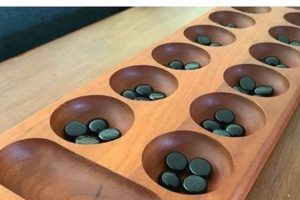
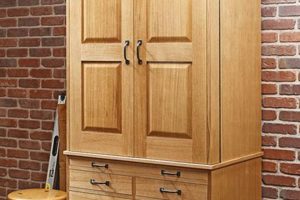
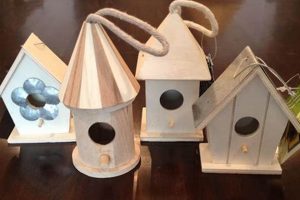
Constructions crafted primarily from cedar wood, utilizing woodworking techniques, encompass a diverse range of functional and decorative items. Examples include outdoor furniture designed for weather resistance, storage chests valued for their aromatic properties that deter moths, and decorative panels appreciated for their aesthetic appeal and natural grain patterns. These endeavors combine the inherent qualities of cedar with the skill of shaping and joining wood to create enduring objects.
The significance of these undertakings lies in several factors. Cedar’s natural oils contribute to its resistance to decay and insect infestation, making it a durable choice, particularly for outdoor applications. Furthermore, the wood’s distinctive scent provides a pleasant aroma and serves as a natural repellent. Historically, cedar has been valued across various cultures for its workability, longevity, and aesthetic qualities, leading to its use in a variety of constructions ranging from chests to structural elements.
The following discussion will explore specific considerations for realizing successful outcomes with this material. Aspects such as species selection, joinery techniques suited for cedar, appropriate finishing methods, and project planning will be addressed to provide a practical understanding of working with this unique and versatile wood.
Essential Considerations for Cedar Woodworking
Successful execution of cedar-based constructions demands meticulous attention to detail. The following guidelines provide essential considerations for achieving optimal results.
Tip 1: Species Selection: Differentiate between various cedar species, such as Western Red Cedar and Aromatic Red Cedar, as their properties vary. Western Red Cedar exhibits superior decay resistance, whereas Aromatic Red Cedar possesses stronger aromatic qualities beneficial for moth repellent applications.
Tip 2: Moisture Content Management: Cedar is prone to warping and cracking if moisture content is not adequately controlled. Ensure the wood is properly seasoned or kiln-dried before initiating any construction. Use a moisture meter to verify the moisture content falls within the acceptable range for the intended application.
Tip 3: Joinery Techniques: Implement joinery methods that accommodate cedar’s relatively soft nature. Mortise and tenon joints, dovetail joints, and biscuit joints provide enhanced strength and stability compared to simple butt joints. Consider the expansion and contraction properties of cedar when designing joinery.
Tip 4: Fastener Selection: Utilize corrosion-resistant fasteners, such as stainless steel or bronze, to prevent discoloration and degradation of the wood. Pre-drilling pilot holes is essential to avoid splitting, especially when working near the edges of cedar boards.
Tip 5: Sanding and Preparation: Cedar’s soft texture necessitates careful sanding techniques. Start with coarser grit sandpaper (e.g., 80-grit) and gradually progress to finer grits (e.g., 220-grit) to achieve a smooth, even surface. Remove all sanding dust prior to finishing.
Tip 6: Finishing Considerations: While cedar’s natural oils offer some protection, applying a suitable finish enhances its longevity and aesthetic appeal. Penetrating oil finishes, spar varnishes, and exterior-grade sealants provide protection against moisture and UV damage. Test the finish on a small, inconspicuous area before applying it to the entire construction.
Tip 7: Work Environment: Cedar dust can be an irritant. Implement dust collection systems and wear appropriate respiratory protection (e.g., a dust mask or respirator) during sanding and machining operations. Ensure adequate ventilation in the workspace.
Adherence to these guidelines will contribute to durable, aesthetically pleasing, and functionally sound cedar-based creations. Proper species selection, moisture management, joinery, fastener selection, surface preparation, and finishing are crucial for maximizing the longevity and performance of these constructions.
The following sections delve into specific project examples, showcasing the practical application of these principles.
1. Wood Species Selection

Wood species selection exerts a significant influence on the outcome of cedar woodworking endeavors. The properties inherent to each cedar variant directly impact the project’s durability, aesthetic character, and suitability for specific applications. For instance, Western Red Cedar (Thuja plicata), renowned for its superior decay resistance and dimensional stability, is frequently chosen for outdoor structures such as decking and siding. Its natural oils render it less susceptible to rot and insect infestation, thus prolonging the lifespan of these structures. Conversely, Aromatic Red Cedar (Juniperus virginiana), while possessing less inherent weather resistance, is valued for its distinctive aroma and moth-repellent qualities, making it a preferred material for lining closets and chests designed to protect textiles.
The choice of cedar species also affects workability and finishing characteristics. Western Red Cedar’s soft texture allows for ease of machining and shaping, facilitating intricate designs. However, its porous nature requires careful preparation prior to finishing to ensure uniform absorption of stains and sealants. Aromatic Red Cedar, being denser, may present challenges during machining but often exhibits a richer, more vibrant color when finished. A failure to consider these species-specific attributes can lead to compromised structural integrity, premature degradation, or undesirable aesthetic results. For example, utilizing Aromatic Red Cedar in a high-moisture environment without adequate protection will likely result in accelerated decay, negating its inherent aromatic benefits.
In conclusion, the selection of an appropriate cedar species represents a critical decision point in any cedar woodworking project. A thorough understanding of each species’ unique propertiesincluding decay resistance, aromatic qualities, workability, and finishing characteristicsis essential for achieving optimal performance and longevity. Disregarding these considerations can result in diminished project quality and a failure to realize the intended functional or aesthetic goals. Therefore, careful evaluation of the intended application and the inherent properties of available cedar species is paramount.
2. Moisture Content Control

Moisture content control is a critical aspect of woodworking, particularly when utilizing cedar. The inherent properties of cedar wood make it susceptible to dimensional changes and structural compromise if moisture levels are not properly managed throughout the construction process. Understanding the interplay between moisture and cedar is paramount for achieving durable and aesthetically pleasing finished products.
- Equilibrium Moisture Content (EMC) and Acclimation
Cedar wood, like other hygroscopic materials, seeks to reach equilibrium with the surrounding environment. This means it will absorb or release moisture until its internal moisture content matches the relative humidity of the air. Failure to acclimate cedar to its intended environment before construction can lead to warping, twisting, or cracking as the wood adjusts post-assembly. Example: Cedar intended for outdoor furniture construction should be acclimated to outdoor conditions for a period of time before fabrication begins. This minimizes dimensional changes after the piece is completed and exposed to the elements.
- Drying Methods and Their Impact
The method by which cedar is dried, whether air-dried or kiln-dried, affects its subsequent behavior. Kiln-dried cedar generally has a lower moisture content and is more stable than air-dried cedar. However, improper kiln drying can lead to case hardening or internal stresses within the wood. The selected drying method must align with the intended application. For instance, cedar used for fine joinery benefits from careful kiln drying to minimize movement and ensure tight, lasting joints.
- Joinery Implications and Moisture-Induced Stress
Moisture content fluctuations can induce stress on joints in cedar constructions. As cedar expands and contracts with changes in moisture, joints can weaken or fail if not designed to accommodate these movements. Traditional joinery techniques, such as mortise and tenon joints, often incorporate allowances for wood movement. The selection of appropriate adhesives and fasteners also plays a role in mitigating moisture-induced stress. Example: Using rigid epoxy adhesives on large cedar panels subject to significant moisture changes can result in cracking or delamination, while more flexible adhesives can accommodate the movement.
- Finishing and Sealing to Regulate Moisture Uptake
The application of appropriate finishes and sealants can regulate the rate at which cedar absorbs and releases moisture. Penetrating oil finishes, for example, allow the wood to breathe while providing some degree of water repellency. Film-forming finishes create a barrier that slows moisture exchange. The choice of finish depends on the desired aesthetic and the level of protection required. For instance, cedar siding in a humid climate benefits from a breathable finish that prevents moisture buildup behind the siding, reducing the risk of rot.
In summary, moisture content control is not merely a preparatory step but an ongoing consideration in cedar woodworking. From species selection to finishing, every stage of the process is influenced by the interaction between cedar and moisture. Neglecting these principles can lead to structural instability, aesthetic defects, and a shortened lifespan for the finished product. A proactive and informed approach to moisture management is essential for realizing the full potential of cedar in woodworking endeavors.
3. Appropriate Joinery Methods

The selection of suitable joinery techniques is paramount to the success of cedar woodworking. Cedar, while prized for its beauty and decay resistance, possesses a relatively soft and pliable nature. This characteristic necessitates careful consideration of joinery methods to ensure structural integrity and longevity of cedar-based constructions.
- Dovetail Joints and Cedar’s Tendency to Split
Dovetail joints, known for their exceptional strength in resisting tensile forces, can be challenging to execute in cedar due to the wood’s tendency to split along the grain. Careful layout, precise cutting, and the use of sharp tools are essential. The dovetail geometry must be adjusted to account for cedar’s softness, often requiring shallower pins and tails to prevent weakening the joint. Successful dovetail joints in cedar provide a robust and aesthetically pleasing connection, suitable for drawer boxes and case construction.
- Mortise and Tenon Joints: Strength and Wood Movement
Mortise and tenon joints offer a reliable method for joining cedar components, particularly in applications requiring significant strength. The dimensions of the mortise and tenon must be carefully calculated to accommodate cedar’s expansion and contraction due to changes in humidity. Loose tenons or floating tenons may be employed to allow for wood movement without compromising the joint’s integrity. Mortise and tenon joints are commonly used in the construction of cedar furniture frames and outdoor structures.
- Screws and Fasteners: Considerations for Cedar’s Density
When utilizing screws or other mechanical fasteners in cedar, pre-drilling pilot holes is crucial to prevent splitting. The selection of screw type and size should be based on the thickness of the cedar components and the anticipated load. Stainless steel or other corrosion-resistant fasteners are recommended to prevent discoloration and degradation of the wood. Over-tightening screws can easily strip the threads in cedar, weakening the joint. Therefore, moderate torque and careful adjustment are necessary.
- Adhesive Selection and Cedar’s Natural Oils
Cedar’s natural oils can interfere with the bonding of certain adhesives. Thoroughly cleaning the surfaces to be glued with a solvent, such as denatured alcohol, can improve adhesion. Epoxy resins and polyurethane glues generally provide a stronger bond with cedar compared to traditional wood glues. Clamping pressure must be carefully controlled to avoid crushing the cedar fibers. Proper adhesive selection and surface preparation are critical for achieving durable and reliable glue joints in cedar woodworking.
In summation, the selection of appropriate joinery methods in cedar woodworking necessitates a deep understanding of the wood’s properties and the forces acting upon the constructed object. Employing techniques that compensate for cedar’s softness and accommodate its movement will result in robust, long-lasting, and aesthetically pleasing results. Ignoring these considerations can lead to premature joint failure and a reduction in the overall lifespan of the construction.
4. Fastener Corrosion Resistance

The longevity and structural integrity of cedar woodworking are inextricably linked to the corrosion resistance of the fasteners employed. Cedar, while naturally resistant to decay and insect infestation, possesses organic acids that can accelerate the corrosion of certain metals. When dissimilar metals, such as untreated steel fasteners and cedar, come into contact in the presence of moisture, galvanic corrosion occurs. This electrochemical process results in the degradation of the less noble metal (typically the fastener), compromising the strength of the joint. A practical example involves outdoor cedar furniture constructed with standard steel screws; over time, rust formation weakens the screws, leading to joint failure and structural instability. Conversely, the use of stainless steel or bronze fasteners mitigates this risk, ensuring a robust and durable connection.
Furthermore, the aesthetic appeal of cedar projects is negatively impacted by corrosion. Rust stains leaching from corroded fasteners can discolor the surrounding wood, diminishing the visual quality of the finished piece. This is particularly evident in applications where cedar is used for decorative purposes, such as siding or trim. Choosing appropriate corrosion-resistant fasteners not only preserves the structural integrity but also maintains the intended aesthetic appearance, preventing unsightly staining and degradation. For coastal applications or environments with high humidity, the selection of marine-grade stainless steel is often necessary to withstand the elevated levels of salt and moisture, thereby preventing premature failure.
In summary, fastener corrosion resistance is a critical consideration in all cedar woodworking projects. The incompatibility between cedar’s inherent properties and certain metals necessitates the use of corrosion-resistant fasteners to ensure structural durability and maintain aesthetic quality. The consequences of neglecting this aspect range from weakened joints and structural failure to unsightly staining. By prioritizing the selection of appropriate fasteners, craftsmen can maximize the lifespan and visual appeal of their cedar creations. Addressing the challenge of corrosion ensures that the inherent benefits of cedar are fully realized.
5. Surface Preparation Techniques
Surface preparation techniques are indispensable for realizing successful cedar woodworking projects. The quality of the final finish and the long-term durability of the piece are directly contingent upon the adequacy of the preparation phase. Cedar, characterized by its soft texture and open grain, necessitates meticulous sanding, cleaning, and sealing to ensure optimal adhesion of coatings and to prevent the absorption of moisture, which can lead to warping, cracking, or decay. Inadequate surface preparation results in uneven stain penetration, peeling finishes, and a reduced lifespan for the finished product. For example, if cedar decking is not properly sanded before applying a sealant, the sealant may not adhere uniformly, leading to premature weathering and a blotchy appearance. Surface preparation is, therefore, not merely a preliminary step, but an integral component of cedar woodworking, directly influencing the performance and aesthetic appeal of the final result.
Effective surface preparation for cedar woodworking projects typically involves a multi-stage process. Initially, the wood is sanded to remove mill marks, imperfections, and raised grain. Progressively finer grits of sandpaper are employed to achieve a smooth, even surface. Following sanding, thorough cleaning is essential to remove all sanding dust, which can impede the adhesion of finishes. A tack cloth or vacuum cleaner with a soft brush attachment is commonly used for this purpose. For projects intended for outdoor use, the application of a wood preservative or sealant before finishing can further enhance the wood’s resistance to moisture and decay. The selection of appropriate preparation techniques is dictated by the specific project requirements and the desired finish. Consider a cedar chest lined with aromatic cedar; gentle sanding to release the cedar’s aroma must be balanced with the need for a smooth surface to prevent snagging delicate fabrics. These variations emphasize the importance of adapting surface preparation to the unique attributes of cedar and the intended application.
In conclusion, comprehensive surface preparation is fundamental to maximizing the potential of cedar in woodworking applications. From ensuring uniform stain penetration to enhancing resistance against environmental factors, the effort invested in this preliminary stage directly translates into a higher-quality, longer-lasting finished product. Challenges such as dust control and the selection of appropriate sanding abrasives must be addressed to ensure optimal results. A commitment to proper surface preparation techniques, therefore, represents an investment in the overall success and durability of any cedar woodworking undertaking, aligning with the broader theme of meticulous craftsmanship and attention to detail.
6. Protective Finishing Applications
Protective finishing applications play a pivotal role in safeguarding and enhancing the inherent properties of cedar in woodworking endeavors. These treatments extend the lifespan of cedar projects, preserving their aesthetic qualities and shielding them from environmental factors that can accelerate deterioration.
- UV Protection and Finish Selection
Ultraviolet (UV) radiation from sunlight degrades lignin, a key structural component in wood, leading to discoloration, surface checking, and eventual disintegration. Clear finishes offer minimal UV protection; therefore, pigmented stains or topcoats with UV absorbers are essential for outdoor cedar applications. Example: A cedar deck exposed to direct sunlight benefits from a semi-transparent stain containing UV inhibitors to prevent fading and surface damage.
- Water Repellency and Sealants
Excessive moisture absorption promotes fungal growth, decay, and dimensional instability in cedar. Water-repellent finishes, such as penetrating oil finishes or film-forming sealants, mitigate water uptake, reducing the risk of warping, swelling, and rot. Example: Applying a water-repellent preservative to cedar siding before painting or staining can significantly extend its service life by minimizing moisture intrusion.
- Insect Resistance and Borate Treatments
While cedar possesses natural insect-repellent properties, borate-based wood preservatives provide additional protection against wood-boring insects, such as termites and carpenter bees. Borate treatments penetrate the wood fibers, rendering them toxic to insects. Example: Cedar fence posts treated with borate preservatives offer enhanced resistance to subterranean termite attack, prolonging the lifespan of the fence.
- Types of Finishing Products
There are a lot of finishing product for cedar Wood, here are some examples. Penetrating oil finishes soak into the wood fibers, enhancing the grain and providing a natural look while offering limited protection. Film-forming finishes, such as varnishes and lacquers, create a protective barrier on the surface, offering greater durability and water resistance, but can obscure the wood grain. Sealants create a waterproof barrier on cedar wood.
Protective finishing applications are integral to maximizing the long-term performance and aesthetic value of cedar woodworking projects. Choosing the appropriate finish, whether for UV protection, water repellency, or insect resistance, requires careful consideration of the project’s intended use and environmental conditions. By integrating suitable finishing techniques, it is possible to enhance and preserve the inherent qualities of cedar wood, ensuring that these projects endure for years to come.
7. Ergonomic Design Considerations
The application of ergonomic principles to woodworking transcends mere aesthetics, impacting user comfort, safety, and overall functionality. When integrated into the planning and execution of cedar constructions, ergonomic design enhances the user experience, promotes well-being, and ensures that the finished product aligns with human physiological needs.
- Seating Height and Posture in Cedar Furniture
The height of cedar chairs, benches, and other seating arrangements directly influences posture and spinal alignment. Ergonomic design dictates that seat height should allow users to place their feet flat on the floor with their knees at a 90-degree angle, reducing strain on the lower back and promoting circulation. Deviation from these standards can result in discomfort, fatigue, and potential long-term health issues. In cedar woodworking, adjustments to leg length and seat angle are essential to accommodate a diverse range of users, ensuring optimal ergonomic support.
- Grip and Handle Design in Cedar Tools and Utensils
The shape, size, and texture of handles on cedar tools and utensils determine grip strength, control, and the risk of repetitive strain injuries. Ergonomic handle design prioritizes a comfortable and secure grip that minimizes muscle fatigue and reduces the likelihood of slippage. For example, the handles of cedar-crafted gardening tools should be contoured to fit the natural curvature of the hand, distributing pressure evenly and preventing the development of carpal tunnel syndrome. Furthermore, the surface texture should provide adequate traction without causing skin irritation or discomfort.
- Work Surface Height and Accessibility in Cedar Workbenches
The height of cedar workbenches and tables directly impacts posture and the risk of back and shoulder strain. Ergonomic design dictates that the work surface should be positioned at a height that allows users to maintain a neutral spine and avoid excessive bending or reaching. Adjustable-height workbenches offer flexibility to accommodate users of varying heights and tasks. Furthermore, the accessibility of tools and materials within the workspace is crucial for minimizing unnecessary movements and reducing fatigue. Shelves, drawers, and tool holders should be strategically positioned to facilitate efficient workflow and promote ergonomic comfort.
- Lumbar Support and Contouring in Cedar Backrests
The design of cedar backrests and support structures significantly affects spinal health and comfort. Ergonomic backrests incorporate lumbar support to maintain the natural curvature of the spine, reducing strain on the lower back muscles. Contoured surfaces and adjustable lumbar supports can further enhance comfort and promote proper posture. Conversely, flat or poorly designed backrests can exacerbate existing back problems and contribute to discomfort. In cedar woodworking, attention to detail in the design of backrests is essential for creating seating arrangements that prioritize ergonomic well-being.
Incorporating ergonomic design considerations into cedar constructions transforms utilitarian objects into comfortable, user-centric creations. The emphasis on posture, grip, accessibility, and support ensures that these objects not only fulfill their intended function but also contribute to the well-being of the user. Cedar’s natural aesthetic, when combined with ergonomic principles, results in a synergy of form and function that elevates the overall user experience.
Frequently Asked Questions
The following section addresses common inquiries pertaining to constructions primarily utilizing cedar wood, employing woodworking techniques. These questions aim to clarify key aspects of working with this material.
Question 1: What cedar species are most suitable for outdoor applications, and why?
Western Red Cedar (Thuja plicata) and Alaskan Yellow Cedar (Cupressus nootkatensis) are favored choices. Their inherent decay resistance, dimensional stability, and natural oils contribute to longevity in exposed environments. These properties minimize warping, rot, and insect infestation compared to less durable cedar variants.
Question 2: How can moisture content be effectively managed to prevent warping and cracking in cedar creations?
Thoroughly seasoning or kiln-drying the cedar prior to construction is essential. A moisture meter should be employed to verify that the wood’s moisture content aligns with the ambient conditions of its intended environment. This process minimizes dimensional changes and reduces the likelihood of warping or cracking after assembly.
Question 3: What joinery methods are recommended for cedar, given its relatively soft nature?
Mortise and tenon joints, dovetail joints, and biscuit joints offer enhanced strength and stability. These methods provide a secure mechanical connection while accommodating the wood’s tendency to expand and contract with changes in humidity. Simple butt joints are generally insufficient for load-bearing applications.
Question 4: What type of fasteners should be used to prevent corrosion and discoloration in cedar projects?
Stainless steel, bronze, or other corrosion-resistant fasteners are recommended. These materials resist the corrosive effects of cedar’s natural oils and moisture, preventing rust stains and maintaining the structural integrity of the joints. Pre-drilling pilot holes is also crucial to avoid splitting the wood during fastener installation.
Question 5: Is finishing necessary for cedar, and what types of finishes are most appropriate?
While cedar possesses natural decay resistance, applying a suitable finish enhances its longevity and aesthetic appeal. Penetrating oil finishes, spar varnishes, and exterior-grade sealants provide protection against moisture and UV damage. The choice of finish should be based on the intended application and desired aesthetic outcome.
Question 6: What safety precautions should be observed when working with cedar, particularly regarding dust exposure?
Cedar dust can be an irritant. Implement dust collection systems and wear appropriate respiratory protection, such as a dust mask or respirator, during sanding and machining operations. Adequate ventilation in the workspace is also essential to minimize dust inhalation.
In summary, successful involvement with cedar demands a detailed understanding of its properties, appropriate preparation techniques, and informed selection of materials and methods. Neglecting these factors can lead to compromised structural integrity, diminished aesthetic appeal, and reduced project longevity.
The following section delves into advanced techniques for achieving refined results in cedar woodworking.
Conclusion
The preceding discussion has illuminated the multifaceted considerations involved in constructions predominantly utilizing cedar wood, employing woodworking techniques. Attention was given to species selection, moisture management, joinery methods, fastener corrosion resistance, surface preparation, protective finishing, ergonomic design, and frequently encountered challenges. Each of these facets contributes critically to the durability, functionality, and aesthetic quality of the finished work.
The successful execution of woodworking endeavors hinges upon a comprehensive understanding of the material’s properties and the implementation of appropriate techniques. Diligence in these areas ensures projects not only meet immediate functional requirements but also endure the test of time, serving as testaments to skilled craftsmanship and informed decision-making. Further exploration of advanced techniques and innovative designs will undoubtedly continue to expand the possibilities within this domain, enriching both the creative process and the end result.