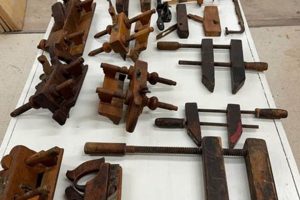
Implements designed to shape wood through material removal represent a fundamental category of equipment in carpentry and related trades. These instruments, employing sharp edges to shear or separate wood fibers, facilitate the creation of diverse forms and joinery. A chisel, for example, carefully pares away small amounts of wood to refine a dovetail joint.
Proficiency with these implements is essential for efficient and precise woodworking, impacting project quality and safety. Historically, the development of improved implements has directly enabled advancements in construction techniques and furniture design. The capability to accurately and cleanly manipulate wood opens avenues for intricate designs, structural integrity, and lasting craftsmanship.
This discussion explores various categories of these shaping implements, including hand tools, power tools, and their appropriate applications. Material composition, maintenance procedures, and safety considerations also constitute key aspects of their effective utilization. Understanding these elements contributes to optimal performance and longevity of both the equipment and the resulting wooden creations.
Optimizing Performance
Effective utilization of these implements requires adherence to established practices. The following guidelines promote precision, safety, and longevity in woodworking projects.
Tip 1: Sharpening is Paramount. Regular honing ensures a clean, efficient cut, minimizing tear-out and reducing the force required. A dull edge increases the risk of slippage and potential injury.
Tip 2: Select the Correct Implement for the Task. Matching the tool to the specific operationmortising, shaping, or surface preparationoptimizes efficiency and prevents damage to the wood or the implement itself.
Tip 3: Employ Proper Cutting Techniques. Use controlled movements and maintain a stable stance. Avoid forcing the implement, allowing its sharpness to do the work. This reduces fatigue and improves accuracy.
Tip 4: Wood Grain Orientation Matters. Cutting with the grain generally produces smoother results. Recognize grain direction and adjust technique accordingly to minimize splitting or splintering.
Tip 5: Secure Workpieces Effectively. Ensure the wood is firmly clamped or held in a vise to prevent movement during the cutting process. This enhances safety and precision.
Tip 6: Lubrication Reduces Friction. Applying a lubricant, such as wax or oil, to the blade of hand tools minimizes friction and heat build-up, prolonging edge life and improving cutting performance.
Tip 7: Consistent Maintenance is Essential. Regularly clean and inspect each implement for signs of damage. Promptly address any issues to prevent further deterioration and ensure safe operation.
Adherence to these guidelines improves project outcomes and extends the lifespan of the implements themselves. Integrating these practices into standard woodworking procedures contributes to both the quality and safety of the craft.
The preceding guidelines offer practical advice for maximizing the effectiveness of these essential woodworking instruments. The subsequent sections will explore specific categories of implements and their applications in greater detail.
1. Sharpness

The edge’s condition directly dictates the efficiency and quality of material removal. A properly sharpened implement severs wood fibers cleanly, resulting in smooth surfaces and precise joinery. Conversely, a dull edge crushes or tears the wood, leading to ragged edges, increased effort, and a higher risk of workpiece damage. For example, a dull plane iron will produce tear-out on figured woods, necessitating additional sanding and compromising the intended surface finish.
The sharpness of an implement also profoundly impacts safety. A dull tool requires increased force to operate, making it more prone to slipping and causing injury. When an edge is keen, less pressure is needed to achieve the desired cut, affording the user greater control and reducing the likelihood of accidents. This is particularly evident when using hand tools such as chisels, where precise control is paramount. The physical exertion involved in using a dull instrument can also lead to fatigue, further increasing the risk of errors and potential harm.
Maintaining an optimal edge is therefore not merely a matter of convenience but a fundamental requirement for successful and safe woodworking. Neglecting this aspect can compromise project quality, increase the risk of injury, and ultimately lead to inefficient use of both time and materials. Consistent sharpening and honing routines are essential components of responsible woodworking practice. Choosing the right abrasive materials and honing techniques are key to maintaining an adequate edge on a particular tool.
2. Material

The constitution of implements significantly influences their performance, durability, and suitability for specific woodworking tasks. The selection of materials for blades, bodies, and handles directly impacts sharpness retention, resistance to wear, and the overall ergonomic experience. For example, high-carbon steel alloys are frequently employed in chisel and plane blade construction due to their capacity to achieve and maintain a keen edge, facilitating precise and efficient wood removal. The hardness and composition of the steel dictates its resistance to abrasion and deformation, which in turn influences the frequency of sharpening required and the tool’s longevity.
Conversely, softer metals, or those lacking appropriate heat treatment, may deform more readily under stress, leading to premature dulling and compromised cutting accuracy. The tool’s body, often constructed from cast iron or steel, provides structural support and contributes to its weight and balance. Handles, typically crafted from wood, plastic, or composite materials, must offer a secure and comfortable grip to minimize user fatigue and enhance control. The properties of these handle materials influence their resistance to moisture, impact, and wear, impacting the tool’s overall lifespan and usability. The choice between a wooden handle, offering natural shock absorption, and a synthetic material, providing increased durability and resistance to environmental factors, depends on the intended application and user preference.
Understanding the material properties of these implements is crucial for making informed purchasing decisions and implementing appropriate maintenance practices. Selecting tools constructed from materials suited to the intended tasks, and employing suitable sharpening and care techniques, ensures optimal performance, longevity, and user safety. Inappropriate selection or inadequate maintenance can result in inefficient work, increased risk of injury, and premature tool failure, underscoring the importance of considering material composition as a fundamental factor in woodworking practices.
3. Ergonomics

The relationship between ergonomics and implements utilized in woodworking is a critical determinant of both worker safety and efficiency. Ergonomic design, in this context, refers to the optimization of the tool’s form and function to minimize physical strain on the user, thereby reducing the risk of musculoskeletal disorders and improving overall productivity. For example, a poorly designed handle on a hand saw can lead to excessive wrist flexion and grip force, contributing to conditions such as carpal tunnel syndrome and tendonitis. Conversely, a handle shaped to fit the natural contours of the hand and angled to promote neutral wrist positioning can significantly reduce these risks.
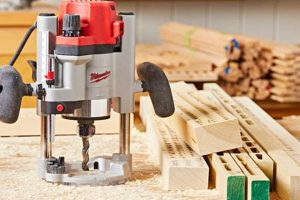
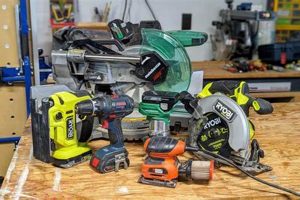
The weight and balance of an implement also play a crucial role in ergonomic considerations. Tools that are excessively heavy or poorly balanced require greater muscular effort to control, leading to fatigue and increased susceptibility to injury. Power tools with vibration-dampening features are another example of ergonomic design, mitigating the transmission of vibrations to the user’s hands and arms, thereby reducing the risk of vibration-induced white finger. The positioning of controls and switches on power tools should also be considered to minimize awkward reaching and repetitive movements. Furthermore, the height and angle of workbenches and the accessibility of frequently used implements should be carefully evaluated to promote proper posture and minimize the need for excessive bending or stretching.
In summary, the integration of ergonomic principles into the design and selection of implements is essential for promoting a safe and productive woodworking environment. By prioritizing ergonomic considerations, manufacturers and users can mitigate the risk of work-related injuries, improve worker comfort, and enhance overall efficiency. Ignoring these factors can lead to long-term health problems, reduced productivity, and increased costs associated with medical treatment and lost work time. A comprehensive understanding of ergonomic principles and their application to woodworking practices is therefore a critical component of responsible and effective craftsmanship.
4. Maintenance
The longevity and optimal performance of implements depend significantly on consistent and appropriate maintenance procedures. Neglecting these practices compromises cutting efficiency, increases the risk of damage, and potentially leads to premature failure of the implement. Proper maintenance ensures consistent, safe, and accurate woodworking.
- Cleaning and Lubrication
Resin, pitch, and wood particles accumulate on blades and other moving parts, increasing friction and reducing cutting efficiency. Regular cleaning with appropriate solvents removes these contaminants. Lubricating blades and joints with specialized oils or waxes minimizes friction, preventing corrosion and ensuring smooth operation. A clean and lubricated plane, for instance, requires less force to push across the wood, improving both accuracy and user comfort.
- Sharpening and Honing
The sharpness of an implement is paramount for efficient cutting. Regular sharpening restores the cutting edge, while honing refines it to an even finer degree. The frequency of sharpening depends on the type of wood being worked, the intensity of use, and the quality of the steel. A dull chisel will crush wood fibers rather than cleanly sever them, leading to tear-out and imprecise joinery. Employing proper sharpening techniques, using appropriate stones and angles, is essential for maintaining edge geometry and maximizing cutting performance.
- Rust Prevention
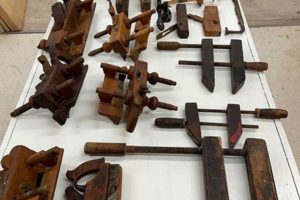
Many implements are constructed from carbon steel, which is susceptible to rust when exposed to moisture. Applying a protective coating of oil or wax prevents oxidation and corrosion, preserving the tool’s structural integrity and functionality. Storing implements in a dry environment further minimizes the risk of rust formation. Neglecting rust prevention can result in pitting and weakening of the blade, significantly reducing its lifespan and performance.
- Inspection and Repair
Regular inspection of each implement for signs of damage, such as cracks, loose handles, or warped blades, is crucial for preventing accidents and ensuring continued functionality. Addressing minor issues promptly, such as tightening screws or replacing worn parts, prevents them from escalating into more significant problems. A loose handle on a hammer or axe can lead to loss of control, posing a serious safety hazard. Timely repairs extend the lifespan of implements and ensure they remain safe and effective to use.
These maintenance facets, when consistently applied, contribute significantly to the efficiency, accuracy, and safety of woodworking practices. Proper maintenance not only extends the lifespan of these essential tools but also enhances the quality of the finished product and minimizes the risk of accidents. The investment in regular maintenance is a testament to responsible craftsmanship and a commitment to producing high-quality work.
5. Applications

The diverse array of implements employed in woodworking finds utility across a broad spectrum of applications, ranging from rough shaping to intricate detailing. Understanding the specific tasks for which each implement is best suited is crucial for efficient and precise execution of woodworking projects.
- Rough Shaping and Stock Preparation
This application involves the initial reduction of raw lumber to approximate dimensions. Axes, hatchets, and larger saws are employed to remove substantial amounts of material, preparing the wood for more refined shaping. The selection of an appropriate saw type, such as a rip saw for cutting along the grain or a crosscut saw for perpendicular cuts, directly impacts the speed and efficiency of this process. Power tools like chainsaws and bandsaws further expedite stock preparation in large-scale projects. The implication of using improper instruments at this stage results in material waste and the need for extra refinement efforts down the road.
- Joinery
Creating strong and precise joints is fundamental to woodworking. Chisels, saws, and specialized planes are used to create interlocking components that ensure structural integrity. Mortise and tenon joints, dovetail joints, and rabbet joints each require specific implements and techniques for accurate execution. Chisels shape mortises and pare tenons, while dovetail saws create the intricate interlocking fingers of dovetail joints. Improper tool selection or technique during joinery compromises the strength and stability of the final product.
- Surface Refinement and Smoothing
Achieving a smooth, even surface is essential for finishing wooden projects. Planes are the primary implements for surface refinement, removing imperfections and creating a consistent texture. Block planes, smoothing planes, and scrub planes each serve specific purposes in this process. Scrapers can further refine the surface, removing fine imperfections and preparing the wood for finishing. Sanding, although often used, is considered a less desirable method due to its tendency to round over sharp edges and obscure fine details. Using correctly sharpened tools in this step enables high-quality outcomes with minimal effort.
- Detailing and Carving
Wood carving and intricate detailing require specialized implements. Carving knives, gouges, and chisels are used to create decorative elements and complex shapes. The selection of carving instruments depends on the specific design and the type of wood being worked. Fine detailing often requires precise control and a delicate touch. Power carving tools can expedite the process, but hand tools offer greater control and precision for intricate work. The utilization of quality tools at this stage directly effects the aesthetic value of a given wooden project.
The optimal selection and application of implements is contingent on the specific requirements of each woodworking task. Recognizing the distinct applications and aligning them with the appropriate implements is paramount for achieving efficient, precise, and aesthetically pleasing results. Furthermore, it is the craftsman’s understanding of each tools’ unique role that gives a sense of accomplishment and value to the finished item.
6. Safety

The operation of implements in woodworking inherently presents risks that necessitate strict adherence to safety protocols. The sharp edges and high-speed rotation of certain power tools pose a significant threat of lacerations, punctures, and other injuries. A lack of proper safety training or the neglect of safety equipment demonstrably increases the likelihood of accidents. For example, operating a table saw without a blade guard or push stick exposes the operator’s hands to the rotating blade, potentially resulting in severe injury. Similarly, using a dull chisel requires greater force, increasing the risk of slippage and subsequent cuts. The failure to wear appropriate personal protective equipment, such as safety glasses or hearing protection, further exacerbates these risks. In the environment of woodworking, Safety’s role is less a suggestion and more a crucial component that directly affects one’s well-being.
Beyond immediate physical injuries, prolonged exposure to wood dust generated during cutting operations can lead to respiratory problems and other health issues. Dust collection systems and respirators mitigate these risks by removing or filtering airborne particles. Furthermore, the improper use of power tools can result in electrical shocks or burns. Ensuring that all tools are properly grounded and that electrical cords are in good condition minimizes these hazards. Safe work practices also include maintaining a clean and organized workspace, which reduces the risk of trips, falls, and other accidents. For instance, keeping floors free of sawdust and clutter prevents slips, while properly storing tools prevents accidental contact with sharp edges.
In summary, a comprehensive understanding of safety protocols and the diligent use of safety equipment are paramount for mitigating the risks associated with the use of these tools. The implementation of these measures not only protects the individual worker but also contributes to a more productive and efficient work environment. A proactive approach to safety, emphasizing training, adherence to best practices, and the consistent use of appropriate protective equipment, is essential for minimizing the potential for accidents and ensuring the long-term health and well-being of those engaged in woodworking activities.
7. Technique

The efficacy of implements in woodworking is inextricably linked to the technique employed during their use. These instruments, regardless of their inherent quality or material composition, achieve optimal results only when operated with proficiency and understanding. A poorly executed technique can render even the finest instrument ineffective, while a skilled artisan can often achieve commendable results with more basic equipment. Consider the use of a hand plane: without proper body positioning, blade adjustment, and controlled pushing force, the tool will chatter, tear the wood grain, and produce an uneven surface. The technique dictates the outcome, irrespective of the plane’s inherent potential.
The specific motions, angles, and pressures applied to the instrument are directly responsible for the quality of the cut and the overall efficiency of the woodworking process. For instance, when using a chisel to create a mortise, a controlled chopping motion combined with precise paring techniques ensures clean, square edges and accurate dimensions. Conversely, excessive force or incorrect chisel angle can result in crushed fibers, misaligned walls, and a weakened joint. The technique is a critical component of safe tool operation. A handsaw used with improper stance and stroke results in a binding blade and erratic cutting, potentially leading to loss of control and injury. Furthermore, successful execution of intricate woodworking designs demands precise control of both the instrument and the material, achievable only through years of practice and refinement of technique.
In conclusion, while the selection of appropriate implements is essential in woodworking, technique represents the determining factor in achieving desired outcomes. Mastering the necessary skills to effectively use these tools translates directly into improved accuracy, efficiency, and safety. Therefore, focused attention on technique and continuous skill refinement are paramount for any woodworker seeking to produce high-quality craftsmanship. The mastery of both the tool and associated methods culminates in woodworking excellence.
Frequently Asked Questions
This section addresses common inquiries regarding the proper selection, maintenance, and application of these instruments. The following questions and answers offer guidance on optimizing performance and ensuring safety in woodworking practices.
Question 1: What is the primary factor determining the longevity of a cutting edge?
The hardness and composition of the steel alloy used in blade construction are critical. High-carbon steel alloys, when properly heat-treated, exhibit superior resistance to abrasion and deformation, thus maintaining a keen edge for extended periods. Regular honing and proper storage practices also contribute significantly to edge retention.
Question 2: How frequently should shaping implements be sharpened?
The frequency depends on several factors, including the type of wood being worked, the intensity of use, and the initial sharpness of the blade. As a general guideline, implements should be sharpened when the cutting edge begins to dull, requiring increased force to achieve the desired cut. A proactive sharpening schedule is preferable to waiting until the tool becomes excessively dull.
Question 3: What is the significance of grain direction when working with wood?
Grain direction significantly influences the ease and quality of cuts. Cutting with the grain typically produces smoother results, while cutting against the grain can lead to tear-out and splintering. Recognizing grain orientation and adjusting cutting techniques accordingly is crucial for achieving precise and aesthetically pleasing results. Techniques like back-beveling may be necessary to avoid chip-out in figured wood.
Question 4: What safety precautions should be observed when using power tools for shaping?
Always wear appropriate personal protective equipment, including safety glasses, hearing protection, and a dust mask or respirator. Ensure that all power tools are properly grounded and that electrical cords are in good condition. Use blade guards and other safety devices as intended by the manufacturer. Maintain a clean and organized workspace to minimize the risk of trips and falls. Never operate power tools when fatigued or under the influence of alcohol or drugs.
Question 5: How does the selection of shaping implements impact the quality of joinery?
Precise and accurate joinery necessitates the use of implements specifically designed for the task. Chisels, saws, and specialized planes allow for the creation of tight-fitting, structurally sound joints. The selection of high-quality implements, combined with proper technique, minimizes gaps and ensures the long-term stability of the assembled piece. Low-quality tools lead to sloppy, weak joints.
Question 6: What is the recommended method for storing implements when not in use?
Store implements in a dry environment to prevent rust and corrosion. Apply a protective coating of oil or wax to exposed metal surfaces. Avoid storing implements in close proximity to each other, as this can lead to damage to the cutting edges. Consider using tool rolls, racks, or dedicated storage cabinets to organize and protect implements.
These frequently asked questions provide insights into key aspects of implement usage and maintenance. Prioritizing these considerations enhances the woodworking experience and the quality of the completed projects.
The subsequent section will address specific types of shaping implements, detailing their unique characteristics and applications.
Conclusion
The preceding exploration of “cutting tools for woodworking” has elucidated fundamental aspects of their selection, application, maintenance, and safety. The discourse has emphasized the intrinsic link between the qualities of these implements, the techniques employed in their use, and the ultimate quality of the resulting woodworking projects. Furthermore, it is established that diligence in sharpening, material awareness, ergonomic consideration, and safety consciousness are not merely ancillary practices, but integral components of responsible and effective woodworking.
Therefore, a commitment to the principles outlined herein is paramount for both the preservation of the craft and the safety of its practitioners. Continued exploration of advanced techniques, combined with a rigorous adherence to established safety protocols, will undoubtedly contribute to the evolution of woodworking and the enduring legacy of its creations. The skillful application of these shaping instruments remains a cornerstone of both artistic expression and functional design.