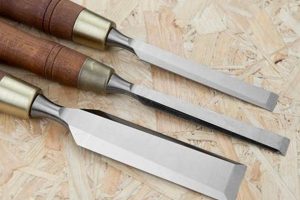
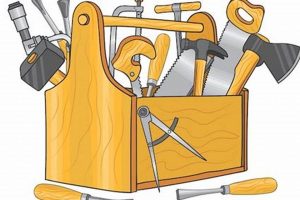
The foundational implements required for introductory carpentry represent a core set of instruments enabling basic shaping, joining, and finishing of wood. These instruments facilitate initial projects and provide a platform for developing fundamental skills. An example would be a hand saw, used for making accurate cuts, or a chisel, employed for refining joints and removing small amounts of material.
Acquiring appropriate equipment at the outset is crucial for project success and skill development. Proper tools increase efficiency, enhance safety, and ultimately contribute to higher quality finished products. Historically, reliance on sharp, well-maintained tools has been a hallmark of skilled woodworkers, directly impacting both the speed and precision of their craft.
The following discussion will outline specific categories of implements needed for novice woodworkers, focusing on the functionalities they provide and key considerations for their selection. This will cover measuring and marking instruments, cutting implements, shaping tools, and joining methods, forming a solid base for building expertise in the craft.
Essential Tools for Beginning Woodworkers
The proper selection and maintenance of foundational woodworking implements are paramount for safety, efficiency, and the quality of finished projects. The following tips offer guidance on maximizing the utility and longevity of such instruments.
Tip 1: Prioritize Sharpness: Cutting tools, such as chisels and hand saws, must be kept meticulously sharp. A dull edge necessitates increased force, elevating the risk of slippage and injury. Employ sharpening stones or honing steels regularly to maintain optimal cutting performance.
Tip 2: Invest in Accurate Measuring Instruments: Precise measurements are foundational to successful woodworking. Use a high-quality measuring tape, combination square, and marking gauge to ensure accuracy. Regular calibration of these tools is essential to mitigate errors.
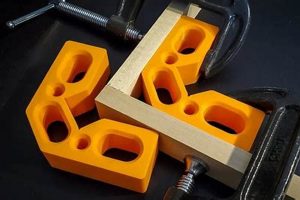
Tip 3: Secure Workpieces Firmly: When using cutting or shaping instruments, ensure the workpiece is firmly secured with clamps or a vise. This prevents movement during operation, enhancing both precision and safety.
Tip 4: Select the Appropriate Tool for the Task: Utilizing the correct tool for a specific operation minimizes effort and maximizes efficiency. Avoid forcing a tool beyond its intended capability, as this can lead to damage or injury.
Tip 5: Maintain a Clean Workspace: A clean and organized workspace reduces the likelihood of accidents and facilitates efficient workflow. Regularly remove sawdust and debris to maintain visibility and prevent slippage.
Tip 6: Regularly Clean and Lubricate Tools: After each use, clean tools thoroughly to remove sawdust, resin, and other contaminants. Apply a light coat of oil to metal surfaces to prevent rust and corrosion, thereby extending tool lifespan.
Tip 7: Store Tools Properly: Proper storage protects tools from damage and maintains their condition. Hang tools on a wall-mounted rack or store them in a tool chest to prevent accidental damage and facilitate easy access.
By adhering to these guidelines, individuals can enhance the performance and longevity of their equipment, contributing to both the quality and safety of their woodworking endeavors.
The subsequent sections will delve deeper into specific types of tools, examining their respective applications and providing recommendations for their proper utilization within the woodworking process.
1. Measurement Accuracy

Measurement accuracy forms a bedrock upon which successful woodworking rests. The relationship between precise measurement and foundational carpentry tools is direct: inaccurate measurements negate the utility of even the most advanced equipment. A project initiated with flawed dimensions, regardless of the sophistication of joining techniques or finishing methods employed, will inherently deviate from its intended design. This connection highlights measurement accuracy as an indispensable component of any collection of implements for beginners.
Consider, for example, the construction of a simple wooden box. If the dimensions for the sides, top, bottom, and ends are not precisely measured and cut, the resulting box will not be square. This inaccuracy can manifest as gaps in the joints, instability in the structure, or an overall aesthetically displeasing appearance. Tools such as measuring tapes, combination squares, and marking gauges become instrumental in preventing such errors. Their consistent and accurate application ensures that each piece conforms to the designed specifications, thereby facilitating a seamless assembly process.
The practical significance of understanding the importance of measurement accuracy lies in its impact on resource utilization, project efficiency, and skill development. Minimizing errors through meticulous measurement reduces material waste, saves time spent correcting flaws, and fosters confidence in the woodworker’s ability to execute projects with precision. Over time, the consistent application of accurate measurement techniques cultivates a disciplined approach to woodworking, elevating the quality of craftsmanship and the durability of finished products.
2. Safe cutting

The integration of safe cutting practices within a collection of essential tools to start woodworking is critical for preventing injury and ensuring project success. Implements such as saws, chisels, and knives inherently pose risks if mishandled. Appropriate tool selection, coupled with adherence to established safety protocols, directly mitigates these hazards. For example, a dull saw blade requires increased force, raising the probability of slippage and potential lacerations. Conversely, a sharp, well-maintained blade, used with proper technique, promotes controlled cutting and reduces the risk of accidents. This illustrates the cause-and-effect relationship between tool condition, cutting practices, and overall safety. The inclusion of safety gear, such as safety glasses and appropriate work gloves, are also paramount and should be considered essential.
The importance of safe cutting as a component of foundational woodworking tools extends beyond immediate physical protection. Establishing a safety-conscious environment fosters a culture of mindful practice. Consider the use of push sticks when operating a table saw. This simple auxiliary tool keeps hands safely away from the blade, preventing potentially severe injuries. Similarly, the use of clamps to secure workpieces provides stability during cutting operations, minimizing the risk of sudden movements that could lead to accidents. These examples illustrate how seemingly minor precautions contribute significantly to a safer and more productive woodworking experience. Novice woodworkers who learn to prioritize safety early in their journey develop sound habits that contribute to long-term well-being and improved craftsmanship.
In summary, the connection between safe cutting and the selection of essential woodworking implements is undeniable. Prioritizing sharp, well-maintained tools, employing appropriate safety equipment, and adhering to established cutting techniques minimizes the risk of injury and enhances overall project outcomes. The challenges often involve overcoming complacency and consistently applying safety principles, even when performing familiar tasks. By embedding safe cutting practices into the foundation of woodworking education, individuals can cultivate a sustainable and rewarding relationship with the craft.
3. Secure Joinery

Secure joinery, a fundamental aspect of woodworking, directly relies on a specific set of implements within the essential tools to start woodworking. The efficacy of any woodworking project hinges on the strength and stability of its joints. Poorly executed joinery compromises the structural integrity of the entire piece, rendering it susceptible to failure. Therefore, the tools employed for creating joints must facilitate precision and robustness. Chisels, saws, planes, and measuring instruments, all crucial components of a starting toolkit, are indispensable for achieving secure and lasting connections. For instance, a dovetail joint, renowned for its strength, demands precise cuts achievable only with sharp saws and accurately sized chisels. Without these essential tools, the joint’s integrity is compromised, resulting in a weak and unreliable structure.
The importance of secure joinery as a component of essential woodworking tools extends beyond mere structural stability. It directly influences the longevity and aesthetic appeal of the finished product. Well-executed joints not only hold the piece together but also contribute to a seamless and visually pleasing appearance. Consider the construction of a table. Weak or improperly fitted joints will cause the table to wobble, detracting from its utility and visual appeal. Furthermore, insecure joints are more prone to failure over time, requiring costly repairs or even replacement. The appropriate selection and use of joining-specific implements, such as wood glue and clamps, further contribute to the overall security and longevity of the joint. Therefore, mastering secure joinery techniques using essential tools is an investment in the quality and durability of the woodworking project.
In summary, secure joinery is inextricably linked to the selection and proper utilization of implements identified as essential tools to start woodworking. The capacity to create strong, durable, and aesthetically pleasing joints directly correlates with the quality and precision of the tools employed. While the challenge often lies in mastering intricate jointing techniques, the foundational step remains the acquisition and proficient use of the core woodworking implements. Secure joinery not only guarantees the structural integrity of the project but also ensures its longevity and overall aesthetic value. By prioritizing secure joinery techniques, novice woodworkers establish a foundation for creating high-quality and lasting pieces.
4. Effective Shaping
Effective shaping, a critical element of woodworking, is directly enabled by the possession and skilled use of essential tools to start woodworking. The ability to manipulate and refine wood into desired forms is central to the craft, transforming raw material into functional or artistic objects. Without appropriate implements, achieving precision in shaping is impossible. Instruments such as planes, chisels, rasps, and spokeshaves are essential for removing material, smoothing surfaces, and creating intricate profiles. The cause-and-effect relationship is evident: the quality of the tool and the skill of the user directly determine the effectiveness of the shaping process. For example, a sharp plane, correctly adjusted, allows for the creation of smooth, even surfaces, whereas a dull or poorly adjusted plane produces uneven and unsatisfactory results. The selection of appropriate shaping implements ensures project success and facilitates the development of woodworking expertise.
The importance of effective shaping as a component of essential tools extends beyond mere aesthetics. Correct shaping ensures proper fit and function within a project. Consider the creation of a curved chair leg. The use of a spokeshave allows for precise removal of material, creating a smooth, consistent curve that provides both structural support and visual appeal. In contrast, haphazard shaping could result in a weak or unbalanced leg, compromising the chair’s stability and safety. Furthermore, accurate shaping minimizes the need for excessive sanding or other corrective measures, saving time and preserving the integrity of the wood. The implementation of effective shaping techniques, coupled with appropriate tools, maximizes material utilization and enhances the overall quality of the finished product.
In summary, the capacity for effective shaping is inextricably linked to the availability and skillful application of essential tools to start woodworking. The ability to create desired forms, achieve precise dimensions, and ensure proper fit and function is contingent upon having the right implements and mastering their use. While the challenge often lies in acquiring the necessary skills and techniques, the foundation remains the selection and maintenance of quality shaping tools. Effective shaping not only contributes to the aesthetic beauty of the project but also ensures its structural integrity and longevity. By prioritizing effective shaping practices, novice woodworkers establish a foundation for creating well-crafted and enduring pieces.
5. Material Compatibility
The interaction between materials and implements is a critical consideration when selecting essential tools to start woodworking. Optimal woodworking outcomes depend significantly on understanding how different wood species respond to various tool types. Incompatibility can lead to inefficient work, damage to either the material or the implement, and compromised project quality.
- Hardwood vs. Softwood Tools
Hardwoods, such as oak or maple, require sharper and more robust cutting edges than softwoods like pine or cedar. Using tools designed for softwoods on hardwoods can quickly dull the cutting edge, leading to tear-out and difficulty achieving clean cuts. The selection of implements appropriate for the wood’s density and grain structure is essential.
- Tool Material and Wood Tannins
Certain wood species, notably those high in tannins like oak, can corrode or stain certain tool materials, particularly ferrous metals. Using stainless steel or coated tools when working with such woods can prevent undesirable chemical reactions and maintain tool integrity. This consideration directly impacts the lifespan and performance of the essential tool set.
- Abrasive Properties of Wood
Some wood species contain silica or other abrasive compounds that can accelerate wear on cutting tools. Understanding the abrasive properties of a particular wood allows for the selection of more durable tool materials or the adoption of more frequent sharpening practices. Proper tool maintenance, informed by material properties, is crucial for preserving their effectiveness.
- Adhesive Compatibility
Various wood glues exhibit different bonding strengths with different wood species. The choice of adhesive should align with the wood’s density and porosity to ensure a secure and lasting joint. Using an incompatible adhesive can lead to joint failure, compromising the structural integrity of the woodworking project. Understanding adhesive properties is integral to successful joinery.
These factors highlight the importance of considering material compatibility when assembling a collection of essential tools to start woodworking. Awareness of these interactions facilitates informed tool selection, promotes efficient working practices, and ensures the durability and quality of finished woodworking projects. Selecting implements suitable for the intended material expands the capabilities of the beginning woodworker, enabling them to work with a wider range of woods with confidence.
6. Maintenance

The longevity and performance of essential tools to start woodworking are fundamentally dependent on consistent and appropriate maintenance practices. Neglecting these practices results in diminished tool effectiveness, potential safety hazards, and the need for premature replacement. Integrating maintenance as a core element of woodworking from the outset is essential for maximizing the return on investment in tools and ensuring consistent project outcomes.
- Sharpening and Honing of Cutting Edges
Maintaining the sharpness of cutting edges, such as those found on chisels, planes, and saws, is paramount. Regular sharpening and honing minimize the force required for cutting, reducing the risk of slippage and improving the quality of the cut. A dull tool necessitates greater physical exertion, increasing the probability of injury and producing rough or uneven surfaces. Consistent sharpening ensures efficiency and precision in woodworking operations.
- Cleaning and Lubrication
The removal of sawdust, resin, and other debris is crucial for preserving the condition of woodworking tools. Periodic cleaning prevents the accumulation of contaminants that can impede tool function and promote corrosion. Applying a light coat of oil or lubricant to metal surfaces protects against rust and reduces friction. Proper cleaning and lubrication extend the lifespan of tools and maintain their operational smoothness.
- Proper Storage and Organization
The manner in which woodworking tools are stored directly impacts their condition and accessibility. Storing tools in a clean, dry environment protects them from moisture and physical damage. Organizing tools in a systematic manner facilitates efficient workflow and reduces the likelihood of accidental damage. A well-organized tool storage system promotes both safety and productivity in the woodworking environment.
- Regular Inspection and Adjustment
Periodic inspection of woodworking tools allows for the early detection of potential problems, such as loose handles, cracked components, or misaligned parts. Addressing these issues promptly prevents further damage and ensures tool safety. Adjustment of tool settings, such as blade alignment or fence positioning, maintains accuracy and optimizes performance. Regular inspection and adjustment are essential for preserving tool functionality and preventing accidents.
These maintenance practices are not merely supplemental tasks but integral components of responsible woodworking. Adherence to these guidelines ensures that essential tools remain in optimal condition, providing reliable service and promoting a safe and efficient woodworking experience. Neglecting these procedures ultimately diminishes the value of the tools and increases the risk of subpar project outcomes.
Frequently Asked Questions
The following addresses common inquiries regarding the selection, use, and maintenance of core woodworking implements necessary for novice woodworkers. The responses aim to provide clarity and promote informed decision-making regarding these foundational tools.
Question 1: What constitutes the absolute minimum set of implements for initiating woodworking projects?
A fundamental starter set comprises a measuring tape, combination square, hand saw, set of chisels, mallet, and safety glasses. These implements provide the basic capabilities for measuring, cutting, shaping, and joining wood.
Question 2: Is it advisable to purchase an inexpensive tool set to begin woodworking?
While cost is a consideration, investing in high-quality implements, even if purchased incrementally, is generally preferable. Durable, well-made tools enhance precision, improve safety, and offer a longer lifespan, ultimately proving more economical in the long term.
Question 3: What are the essential safety precautions that should be observed when using woodworking implements?
Safety glasses are mandatory to protect against flying debris. Hearing protection is recommended when using power tools. Workpieces must be securely clamped to prevent movement during cutting or shaping operations. Hands should always be kept a safe distance from cutting edges.
Question 4: How frequently should woodworking implements be sharpened?
The frequency of sharpening depends on the type of wood being worked and the intensity of use. Cutting edges should be sharpened whenever they exhibit signs of dullness, such as requiring excessive force or producing rough cuts. Regular honing between sharpening extends the life of the cutting edge.
Question 5: What is the correct method for storing woodworking implements?
Tools should be stored in a clean, dry environment to prevent rust and corrosion. Metal surfaces should be lightly oiled. Cutting tools should be stored with blade guards or in designated sheaths to protect the edges and prevent accidental injury.
Question 6: How does material selection impact the choice of woodworking implements?
Hardwoods necessitate implements with harder, more durable cutting edges compared to softwoods. Wood species with high resin content require more frequent cleaning of tools. Considering material properties ensures the selection of appropriate implements for optimal performance and longevity.
In summary, the selection and maintenance of foundational woodworking tools require careful consideration of quality, safety, and material compatibility. Investing in appropriate implements and adhering to proper maintenance practices ensures a safe and rewarding woodworking experience.
The subsequent sections will explore specific project ideas suitable for beginners, providing practical guidance on applying these foundational tools.
Conclusion
This exploration has delineated the critical components within the category of “essential tools to start woodworking.” It has underscored the significance of selecting appropriate implements, maintaining their condition, and understanding their interaction with various materials. The prudent acquisition and conscientious management of these tools directly influences the safety, efficiency, and quality of woodworking endeavors.
Effective mastery of woodworking relies on a foundational understanding of its tools. Continued practice and diligent application of the principles outlined herein will foster competence and elevate craftsmanship. Further investment in knowledge and skill development will unlock more advanced techniques and intricate projects, building on the solid base established by the initial set of implements.