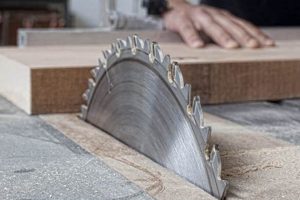
These tools, distinct in their design and usage, are characterized by thin blades and a pulling action. This contrasts with the pushing motion common in Western saws. An example is the Ryoba, a versatile saw featuring both crosscut and rip-cut teeth on opposite edges, allowing for efficient work across various wood grains.
The use of these implements offers several advantages, including cleaner cuts, reduced material waste due to the thinner kerf, and enhanced control. Historically, the unique design evolved alongside Japanese woodworking techniques, prioritizing precision and minimal impact on the wood fiber. This approach allows for joinery that showcases the natural beauty of the material.
The subsequent sections will delve into the different types available, their specific applications, proper maintenance procedures, and selection criteria for choosing the most suitable tool for a given woodworking task.
Tips on Using Japanese Woodworking Saws
Effective utilization hinges on understanding their specific characteristics and intended applications. Adhering to these guidelines will enhance precision and prolong tool lifespan.
Tip 1: Maintain a Pulling Motion: The design dictates that cutting occurs on the pull stroke. Avoid forcing the saw; let the teeth do the work. Apply consistent, even pressure during the pulling motion.
Tip 2: Utilize the Entire Blade Length: Employing the full length of the blade promotes even wear and distributes the cutting force, resulting in a smoother, straighter cut.
Tip 3: Secure Workpiece Firmly: Proper workpiece stabilization minimizes vibration and ensures accurate cuts. Use appropriate clamping devices to prevent movement during sawing.
Tip 4: Sharpen Regularly: Sharp blades are crucial for clean cuts and efficient operation. Employ specialized sharpening files designed for Japanese saw teeth, or seek professional sharpening services.
Tip 5: Clean After Use: Remove sawdust and resin buildup after each use. A wire brush or specialized cleaning solution can prevent corrosion and maintain optimal cutting performance.
Tip 6: Select the Appropriate Saw: Different tooth patterns and blade thicknesses are designed for specific tasks. Choose the saw that best matches the type of cut and material being used.
Tip 7: Store Properly: Store in a dry environment and protect the blade from impact. Consider using a saw case or blade guard to prevent damage during storage and transportation.
By implementing these strategies, woodworkers can maximize the performance and longevity of these precision instruments, achieving superior results in their projects.
The following sections will provide information on specific types and their applications.
1. Pull-Stroke Cutting

The defining characteristic of implements used in Japanese woodworking is their reliance on a pull-stroke cutting action. This contrasts fundamentally with Western saws, which are designed to cut on the push stroke. The design stems from the inherent structural properties of steel and the desire for increased precision and control. A blade under tension, as in the pull stroke, is less prone to buckling and wandering, resulting in a straighter and more accurate cut. The physical act of pulling also allows the user to apply force more directly along the cutting line, enhancing stability.
Consider the creation of intricate joinery, a hallmark of Japanese woodworking. The need for exceptionally precise cuts necessitates a method that minimizes blade deflection. The pull stroke, in conjunction with the thin, hardened steel blades, allows the user to achieve clean edges and tight-fitting joints. For instance, when creating dovetail joints, the ability to control the saw with pinpoint accuracy is paramount; the pull stroke provides that critical control. Without this cutting action, the complex joinery would be nearly impossible to complete efficiently and accurately. The construction of traditional Japanese architecture is dependent on strong and precise joints.
The understanding of the pull-stroke mechanism is essential for any woodworker employing these tools. Mastering this technique enhances cutting precision, minimizes material waste, and extends the lifespan of the saw blade. Furthermore, recognizing the inherent advantages of the pull stroke allows for the informed selection of the appropriate saw for a given task. It is essential, therefore, for woodworkers to appreciate the relationship between the design and the technique required for optimal use.
2. Blade Thinness

Blade thinness is a fundamental characteristic of tools used in Japanese woodworking, influencing performance, efficiency, and the overall quality of the finished product. The reduction in blade thickness offers distinct advantages compared to thicker-bladed alternatives. The design allows for precision and reduced material loss.
- Reduced Kerf Width
A thinner blade equates to a narrower kerf the width of material removed during the cut. This minimizes material waste, a critical consideration when working with expensive or rare hardwoods. For instance, when cutting veneer or crafting intricate inlays, the reduced kerf maximizes yield from the raw material.
- Lower Cutting Resistance
The reduced surface area of the blade in contact with the wood minimizes friction and requires less force to execute a cut. This is particularly noticeable when working with dense or resinous woods, where a thicker blade can bind or require excessive effort. The lessened resistance is valuable.
- Increased Precision
The blade’s reduced thickness enhances the user’s ability to follow precise cutting lines. It offers greater control, especially during intricate operations like dovetailing or creating complex joinery. The ability to easily cut on lines is important for joinery.
- Enhanced Flexibility
Though counterintuitive, controlled flexibility allows the blade to conform to slight variations in wood density and grain direction, resulting in smoother cuts. The blade’s flexibility is particularly useful when working with curved or irregularly shaped pieces. It allows for accurate cuts on non-flat surfaces.
The blade’s characteristics dictate their performance in intricate woodworking tasks. The aspects of thinness, from reduced waste to flexibility, contribute to the efficacy of these specialized instruments. The design is integral to the precision and quality achievable.
3. Tooth Geometry

Tooth geometry is a critical determinant of the performance characteristics exhibited by Japanese woodworking saws. The specific angles, shapes, and arrangements of the teeth dictate the saw’s efficiency, cutting speed, and suitability for different woodworking tasks. These aspects must be examined to understand saw capabilities.
- Crosscut Tooth Configuration
Crosscut teeth are designed to sever wood fibers perpendicular to the grain. These teeth typically feature a knife-like edge with alternating bevels that slice through the wood. The angle of the bevel and the set (the amount the tooth is bent outward) are optimized for clean, precise cuts across the grain, minimizing splintering. A specific example is the Ryoba saw, one side of which features the teeth. This tooth configuration excels in tasks such as shortening boards and cutting joinery shoulders.
- Ripcut Tooth Configuration
Ripcut teeth, in contrast, are optimized for cutting along the grain of the wood. These teeth are shaped like chisels, efficiently paring away the wood fibers. The teeth have a steeper rake angle and are set wider than crosscut teeth, facilitating the removal of wood shavings from the cut. Again, the Ryoba’s other side is an example. This configuration is effective for tasks such as resawing boards or creating grooves and channels along the wood grain.
- Tooth Pitch (TPI)
Tooth pitch, measured in teeth per inch (TPI), influences the smoothness and speed of the cut. A higher TPI results in a finer, smoother cut but requires more effort and is slower. A lower TPI provides a faster cut but produces a rougher surface. Fine detail work favors high TPI. Therefore, material thickness and desired cut quality determines this selection.
- Rake Angle
The rake angle, the angle of the tooth’s cutting face relative to the vertical, determines the aggressiveness of the cut. A steeper rake angle (positive rake) results in a more aggressive cut, ideal for ripping softwoods. A shallower rake angle (negative rake) provides a smoother, more controlled cut, suitable for hardwoods. Many Western saws use higher-angled teeth. Therefore, the intended use determines the required characteristics.
The interplay between tooth configuration, pitch, and rake angle dictates the overall cutting performance of any particular saw. By understanding these elements, woodworkers can select the appropriate saw for the task at hand, maximizing efficiency and achieving superior results. Careful selection is paramount, due to the impact of these elements.
4. Wood Grain

Wood grain, the alignment and pattern of wood fibers, dictates the mechanical properties of the material and significantly influences the selection and application of implements used in Japanese woodworking. These instruments are meticulously designed to interact with wood grain in specific ways, maximizing cutting efficiency and minimizing tear-out. The direction of the grain, whether parallel or perpendicular to the cutting edge, necessitates distinct tooth geometries and sawing techniques.
Consider the difference between crosscutting and ripping. Crosscutting, severing fibers perpendicular to the grain, requires a tooth configuration that slices cleanly through the wood, preventing splintering. Ripping, cutting parallel to the grain, demands a tooth design that efficiently pares away the fibers. The Ryoba saw, featuring both crosscut and ripcut teeth, exemplifies this specialized adaptation. The thin blades, characteristic of these instruments, further enhance control and minimize material waste when working with varied grain patterns. Failure to account for grain direction can result in rough cuts, damaged wood, and reduced structural integrity, particularly in joinery.
In summary, the understanding of wood grain is paramount for effective utilization. Proper technique and appropriate tool selection are essential for achieving clean, precise cuts. The interplay between the inherent characteristics of the wood and the design of these instruments is a critical factor in realizing successful woodworking outcomes, and the construction of traditional architecture.
5. Saw Types

The categorization of implements used in Japanese woodworking is essential for understanding their intended applications and achieving optimal results. Each saw type is designed with specific features to address particular cutting tasks, reflecting the precision and specialization inherent in this woodworking tradition.
- Ryoba ()
This versatile saw features both crosscut and ripcut teeth on opposite edges of the blade. The dual functionality eliminates the need for multiple saws in certain situations. The user simply flips the blade to switch between cutting across or along the wood grain. This type of saw is common in general woodworking tasks where both types of cuts are needed.
- Kataba ()
A single-edged saw, often used for more precise cuts. The absence of teeth on the spine allows for deeper cuts and greater flexibility in tight spaces. This type of saw is favored when working on larger pieces of lumber.
- Dozuki ()
Distinguished by its stiffening back, this saw is specifically designed for cutting fine joinery, such as dovetails. The back prevents the thin blade from flexing, ensuring accurate and clean cuts. The Dozuki is indispensable for creating tight-fitting joints in cabinetmaking and fine woodworking.
- Azebiki ()
This saw has a curved blade and is used to start cuts in the middle of a board. This is useful for cutting out panels and creating openings without starting at the edge of the material. Useful in situations where you are unable to reach the edge of the lumber.
Understanding the distinct characteristics of these saw types enables informed selection based on the project’s specific requirements. The appropriate selection of these tools contributes significantly to the efficiency, precision, and overall quality of woodworking endeavors. Each design feature facilitates unique functionality and utility.
6. Maintenance

The longevity and performance of implements used in Japanese woodworking are directly contingent on diligent maintenance practices. Neglecting proper care can lead to diminished cutting efficiency, increased risk of damage, and reduced lifespan of these precision instruments. Consistent maintenance is, therefore, an integral aspect of utilizing these saws effectively.
- Cleaning and Rust Prevention
Accumulated sawdust and resin can impede cutting performance and promote corrosion. Regular cleaning after each use, using a stiff brush or specialized solvent, is essential. Applying a thin layer of protective oil or wax to the blade prevents rust formation, particularly in humid environments. Failure to clean and protect the blade can lead to irreversible damage.
- Blade Straightening
Thin blades are susceptible to bending or warping, which affects cutting accuracy. Regular inspection and gentle straightening using specialized tools are necessary to maintain blade alignment. Small bends can be corrected, however major damage requires blade replacement. Correct blade geometry is essential for precision.
- Sharpening and Tooth Maintenance
Sharp blades are crucial for clean, efficient cuts. These implements typically require specialized sharpening techniques due to the unique tooth geometry. Proper filing angles and tooth set must be maintained to preserve cutting performance. Professional sharpening services or specialized files are often necessary to achieve optimal sharpness.
- Handle and Tang Integrity
The connection between the blade and handle must be secure to ensure safe and effective operation. Regular inspection of the handle and tang (the portion of the blade that extends into the handle) is crucial. Loose handles should be tightened or replaced to prevent accidents and maintain control during cutting.
In summary, adherence to these maintenance protocols is paramount for maximizing the value and extending the lifespan of implements used in Japanese woodworking. Neglecting these practices compromises the instrument’s functionality, potentially resulting in inaccurate cuts, increased effort, and premature failure. Proper maintenance ensures these tools will continue to provide the precision and performance for which they are known.
Frequently Asked Questions About Japanese Woodworking Saws
This section addresses common inquiries regarding the characteristics, usage, and maintenance of these specialized tools, providing concise and informative answers.
Question 1: What distinguishes saws used in Japanese woodworking from those used in Western woodworking?
The primary distinction lies in the cutting action. These saws cut on the pull stroke, while Western saws typically cut on the push stroke. This difference influences blade design, tooth geometry, and sawing technique.
Question 2: Why are the blades on these saws so thin?
Blade thinness reduces the kerf (the width of the cut), minimizing material waste and requiring less force to execute a cut. This design characteristic enhances precision, particularly in fine woodworking and joinery.
Question 3: What is the purpose of the stiffening back on a Dozuki saw?
The stiffening back prevents the thin blade from flexing during cutting, ensuring straight and accurate cuts, especially when creating fine joinery such as dovetails. This feature is critical for maintaining precision.
Question 4: How does tooth geometry differ between crosscut and ripcut implements?
Crosscut teeth are designed to sever wood fibers perpendicular to the grain, featuring knife-like edges with alternating bevels. Ripcut teeth are shaped like chisels to pare away fibers along the grain. The Ryoba saw exemplifies this, with one side for crosscuts and the other for ripcuts.
Question 5: How frequently should these saws be sharpened?
Sharpening frequency depends on usage and the type of wood being cut. Regular assessment of cutting performance is recommended. When the saw requires more effort or produces rough cuts, sharpening is necessary to restore optimal efficiency.
Question 6: What are the essential steps for maintaining these tools?
Essential maintenance includes regular cleaning to remove sawdust and resin, rust prevention through oiling, periodic blade straightening, and proper sharpening to maintain tooth geometry and cutting performance. Proper storage in a dry environment is also crucial.
These answers address common questions surrounding implements used in Japanese woodworking, but specific applications and individual needs may warrant further research and consultation.
The next article section will detail the process on how to select appropriate one.
Conclusion
Throughout this exploration, “japanese woodworking saws” have been presented as more than mere cutting tools; they represent a philosophy of precision and efficiency. Key aspects such as pull-stroke cutting, blade thinness, specialized tooth geometry, the consideration of wood grain, various saw types, and the importance of consistent maintenance have been thoroughly examined. Understanding these elements is paramount for any woodworker seeking to leverage the unique capabilities of these instruments.
The adoption of these tools requires a commitment to learning and adapting one’s technique. Mastering the nuances of their usage unlocks a potential for unparalleled accuracy and control in woodworking projects. The future of fine woodworking will likely see an increased appreciation for the techniques and tools discussed here, as artisans continue to seek methods that harmonize skill with the natural properties of wood. Their significance lies in the ability to produce high-quality results while honoring the material itself.