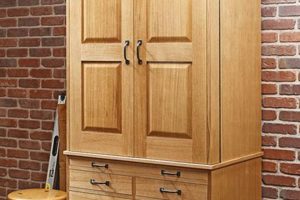
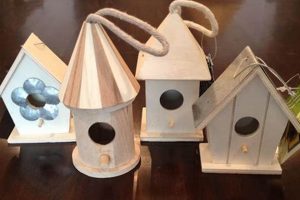
The crafting of items from wood, specifically tailored for the autumn holiday of gratitude, encompasses a range of decorative and functional pieces. Examples include custom-built centerpieces, hand-carved serving platters, or personalized place card holders intended to enhance the festive atmosphere.
Such endeavors offer several advantages. They provide an opportunity to create unique, personalized dcor, fostering a sense of warmth and individuality within the celebration. Furthermore, these activities can serve as a meaningful family tradition, passed down through generations. Historically, handcrafted items were central to holiday celebrations, reflecting a connection to nature and resourcefulness.
The following sections will delve into specific areas relevant to this form of seasonal artistry, including project ideas suitable for various skill levels, material selection considerations, and essential woodworking techniques.
Essential Guidelines for Seasonal Woodcrafting
The following guidelines aim to improve the outcome and enjoyment of creating seasonal wooden crafts. Adherence to these suggestions can enhance both the aesthetic appeal and functional longevity of the finished items.
Tip 1: Material Selection is Paramount. Opt for hardwoods such as maple, cherry, or walnut for projects requiring durability, like serving trays. Softwoods like pine are suitable for purely decorative items. Consider the grain pattern and color to match the overall aesthetic.
Tip 2: Accurate Measurement and Planning are Crucial. Before commencing any cutting, create a detailed plan and take precise measurements. Errors at this stage can lead to significant material waste and structural instability.
Tip 3: Employ Appropriate Safety Measures. Always wear safety glasses, hearing protection, and a dust mask when operating power tools. Ensure that all equipment is in good working order and that you are familiar with its safe operation.
Tip 4: Prioritize a Smooth Finish. Sand all surfaces thoroughly, progressing through increasingly finer grits of sandpaper. A smooth surface enhances the visual appeal and prevents splintering during use.
Tip 5: Utilize Food-Safe Finishes for Serving Pieces. If the crafted item will come into contact with food, apply a food-safe finish, such as mineral oil or beeswax. This protects the wood and prevents harmful substances from leaching into the food.
Tip 6: Consider incorporating seasonal motifs. Employ carving, wood burning, or painting techniques to integrate thematic imagery, such as leaves, cornucopias, or turkeys, into the design.
Tip 7: Explore various woodworking techniques. From joinery to carving, understand your wood choice can create new ideas.
Implementing these principles will not only improve the quality of the finished projects but also contribute to a safer and more fulfilling woodworking experience.
The ensuing segments of this article will elaborate on specific project designs and the advanced techniques involved in their creation.
1. Project Complexity

Project complexity in seasonal woodworking dictates the required skill level, time commitment, and resource allocation. A direct correlation exists between project complexity and the success of creating Thanksgiving-themed wooden items. A novice attempting an intricate carving without adequate experience may produce a substandard result, leading to wasted materials and frustration. Conversely, selecting a simpler project, such as a basic candle holder or a straightforward placemat, increases the likelihood of successful completion and instills confidence. The principle of cause and effect is clearly demonstrated: inadequate skill relative to project intricacy causes project failure.
The level of intricacy directly influences the final outcome’s quality and aesthetic appeal. For example, a complex centerpiece involving multiple joinery techniques and detailed ornamentation demands advanced woodworking expertise and specialized tools. A successful project of this nature serves as a sophisticated addition to the Thanksgiving table. However, a poorly executed complex project might detract from the overall presentation. Furthermore, the scale and detail of the project should align with the available workspace and time constraints. Creating complex Thanksgiving themed projects require precision and planning.
In conclusion, recognizing the impact of project complexity is crucial for engaging in Thanksgiving woodworking. Choosing projects aligned with one’s skill level ensures a more enjoyable and productive experience. It prevents the creation of aesthetically displeasing or functionally unsound items, thereby contributing to a more fulfilling holiday celebration. Gradual progression to increasingly complex designs is recommended for continual skill development.
2. Wood Selection

The choice of wood significantly impacts the aesthetic appeal, structural integrity, and functional suitability of items crafted for the autumn holiday. The selection process directly influences project success. For instance, using a brittle wood like balsa for a serving platter, an item intended to bear weight, invariably leads to structural failure. Conversely, employing a hardwood like maple provides the necessary durability. The correlation between material properties and intended application is fundamental. The aesthetic properties of the wood, its grain and color, impact its suitability. Real-life examples include using richly grained walnut for centerpieces to achieve a sophisticated look or using paint-grade pine for decorative turkeys meant to be vibrantly painted.
Practical application extends beyond mere aesthetics and durability. For instance, items intended for contact with food necessitate the selection of wood types known for their non-toxicity and minimal resin content. Cherry and maple are common choices in these instances. Furthermore, understanding the wood’s workability is essential. Softer woods are easier to carve, making them suitable for intricate designs, while harder woods may require specialized tools and advanced techniques. The cause-and-effect relationship is evident: inappropriate wood selection leads to difficulties in execution and potentially compromised end products. A basic cutting board will be ineffective if it splits easily or is made of toxic wood.
In summary, appropriate wood selection is essential for “thanksgiving woodworking projects”. It directly impacts the item’s functionality, aesthetic qualities, and longevity. Careful consideration of wood species, grain patterns, hardness, and food safety is crucial for achieving the desired results and enriching the Thanksgiving celebration. A failure to recognize wood properties could render the final piece unusable, dangerous, or simply unappealing, highlighting the critical importance of informed decision-making in material selection. A detailed knowledge of wood characteristics helps to optimize project outcomes, enhance the holiday’s ambiance, and ensure the safety of users.
3. Tool Proficiency

Successful execution of Thanksgiving woodworking projects hinges significantly on the artisan’s level of tool proficiency. A demonstrable correlation exists between the operator’s expertise in handling woodworking tools and the quality, safety, and efficiency of the project’s completion. The inappropriate or unskilled use of tools can result in project failure, material wastage, and, most critically, potential injury. For instance, attempting to operate a table saw without proper training increases the risk of kickback, leading to serious physical harm. Conversely, a skilled woodworker, familiar with the nuances of each tool, can produce intricate designs and precise cuts, enhancing the final aesthetic of the Thanksgiving-themed creation. The cause-and-effect relationship is readily apparent: insufficient skill leads to undesirable outcomes.
Real-life examples underscore this relationship. An experienced carver can transform a block of wood into a detailed turkey figurine, using specialized carving tools with precision and control. In contrast, a novice lacking the requisite skills might struggle to achieve the desired shape, resulting in a crude and unrefined carving. Similarly, the construction of a complex centerpiece involving joinery techniques demands proficiency in using tools like routers, chisels, and hand planes. Correct use of these tools ensures tight-fitting joints and a structurally sound outcome, whereas improper tool handling can lead to weak joints and an unstable structure. The construction of decorative cornucopias on wooden pieces also requires precise control and the correct tooling to achieve a professional-looking finish. Tool proficiency isn’t merely about physical dexterity but encompasses an understanding of tool mechanics, maintenance, and safety protocols.
In summary, tool proficiency serves as a critical foundation for engaging in Thanksgiving woodworking projects. It directly influences project outcomes, ensuring both the safety of the woodworker and the quality of the finished piece. A commitment to acquiring the necessary skills, through formal training or practical experience, is essential for maximizing project success and minimizing potential hazards. The knowledge and application of proper techniques transform raw materials into meaningful elements of the Thanksgiving celebration, while prioritizing the wellbeing of those involved. It transforms wood from simply a resource into functional art.
4. Safety Protocol
The integration of stringent safety protocols is paramount in all woodworking endeavors, especially when crafting items for the autumn holiday. The nature of woodworking, with its inherent use of sharp tools and power equipment, necessitates a comprehensive understanding and strict adherence to safety guidelines to prevent injury and ensure a productive environment.
- Eye Protection
The use of safety glasses or face shields is essential at all times within a woodworking environment. Flying debris, such as wood chips and sawdust, poses a significant risk to eyesight. Consistent use of protective eyewear mitigates this risk, preventing potential eye injuries. An example is the use of safety glasses when sanding the sharp edges of a turkey cutout design. Failing to use proper eye protection can cause debris to become embedded in the eye, causing significant damage.
- Respiratory Protection
Wood dust generated during cutting, sanding, and carving contains potentially harmful substances. Prolonged exposure can lead to respiratory issues. Dust masks or respirators are crucial for filtering out fine particles, protecting the lungs from irritation and long-term health complications. For example, hardwood dust poses a bigger danger and calls for more protection.
- Hearing Protection
Power tools, such as saws and routers, produce high noise levels that can damage hearing over time. Wearing earplugs or earmuffs reduces the risk of noise-induced hearing loss. Sustained exposure to these noises without protection can lead to irreversible hearing damage. Always wear earplugs or earmuffs.
- Machine Guarding and Safe Operation
All power tools are to have their safety guards correctly installed and operational. Operators should receive proper training and strictly follow manufacturer’s instructions. Understanding the tool’s operation, potential hazards, and emergency stop procedures is vital for preventing accidents. In the absence of training, one should not be working with these tools.
Adherence to these safety protocols is not merely a suggestion but a critical requirement for ensuring a safe and enjoyable woodworking experience. Neglecting these measures can lead to severe injuries, negating the potential satisfaction derived from creating Thanksgiving-themed projects. The implementation of safety protocols transforms woodworking activities from potentially hazardous tasks into controlled and fulfilling craft. A safe environment creates room for creativity and results in improved workmanship.
5. Finishing Techniques

Finishing techniques exert a substantial influence on the aesthetic appeal, durability, and functionality of items crafted for Thanksgiving celebrations. The selection and application of appropriate finishing methods directly affect the project’s longevity and visual presentation. An unfinished wooden centerpiece, for example, may appear rough and susceptible to damage from moisture or staining. Conversely, a meticulously finished piece exhibits a refined appearance and increased resistance to environmental factors. The causal relationship is clear: inadequate finishing leads to a diminished aesthetic and reduced lifespan. Real-life examples encompass the application of food-safe finishes to serving platters, ensuring both safety and ease of cleaning, or the use of varnish on decorative items to enhance their sheen and protect them from dust and scratches.
The type of wood significantly influences the choice of finishing technique. Open-grained woods, such as oak, require pore fillers to achieve a smooth surface before applying a topcoat. Close-grained woods, like maple, often require less preparation. The application method, whether brushing, spraying, or wiping, also impacts the final result. Spraying typically provides a more uniform finish, while brushing may require more skill to avoid brush marks. Furthermore, the choice of finish must align with the intended use. Serving pieces require food-safe oils or waxes, while decorative items may benefit from more durable finishes like polyurethane. Applying the appropriate finish enhances the wood’s natural grain and protects against wear and tear, ensuring that the crafted items remain cherished components of Thanksgiving traditions for years to come.
In summary, mastering finishing techniques is integral to the successful completion of woodworking projects intended for the autumn holiday. Careful consideration of the wood type, intended use, and desired aesthetic is essential for selecting the appropriate finishing method. A properly finished piece not only enhances the Thanksgiving celebration but also transforms a raw material into a durable and aesthetically pleasing heirloom. Failure to apply correct techniques can lead to items that are unhygienic, break easily, or generally appear lower in quality. The overall understanding of the methods transforms the ordinary to refined holiday piece.
6. Design Aesthetics

Design aesthetics exert a significant influence on the perceived value and overall appeal of woodworking projects crafted for the Thanksgiving holiday. The chosen design elements directly impact the emotional response evoked by the finished product. A poorly designed centerpiece, lacking in visual harmony and thematic coherence, may detract from the festive atmosphere. Conversely, a thoughtfully designed piece, incorporating elements such as appropriate color palettes, balanced proportions, and relevant motifs, enhances the overall presentation of the Thanksgiving table. The causal relationship is clear: inappropriate design choices negatively affect the aesthetic impact, while well-considered design amplifies the celebratory ambiance.
The principles of design, including balance, proportion, rhythm, and emphasis, are crucial considerations. A symmetrical arrangement of elements in a wooden cornucopia creates a sense of stability and formality, while an asymmetrical design might lend a more informal and organic feel. The use of color can reinforce the Thanksgiving theme; warm autumnal tones such as oranges, reds, and browns evoke feelings of warmth and abundance. The selection of appropriate fonts for engraved place cards, if applicable, contributes to the overall aesthetic. A rustic, hand-carved appearance might complement a farmhouse-style Thanksgiving, while a sleek, modern design might suit a more contemporary setting. For example, a wooden turkey carved with clean lines and finished with a high-gloss lacquer aligns with modern design. Failing to balance these artistic elements in the design, one cannot create an aesthetically pleasing piece.
In summary, design aesthetics play an indispensable role in the success of woodworking projects created for Thanksgiving. Paying meticulous attention to the principles of design, the selection of appropriate materials, and the overall thematic coherence of the piece ensures that the finished product contributes positively to the holiday atmosphere. The appreciation of appropriate aesthetics elevates simple craft to pieces to be cherished for generations. The impact of thoughtful design extends beyond mere visual appeal; it transforms functional objects into meaningful symbols of gratitude and celebration.
7. Functionality
Functionality forms a cornerstone in the evaluation and creation of items for the autumn holiday. The utility of an item dictates its suitability for practical use during the celebration. A purely decorative piece, while aesthetically pleasing, lacks intrinsic value if it fails to serve a tangible purpose. Conversely, a well-designed serving platter that can safely and effectively bear the weight of food demonstrates inherent functionality. The correlation between functional design and practical application is paramount. A poorly designed item lacks the core usefulness needed for the autumn holiday.
Real-life examples illustrate this connection. A handcrafted wooden bread basket, treated with a food-safe finish, exemplifies functional design. Its primary purpose is to hold bread, and its construction facilitates that purpose effectively. Conversely, a decorative wooden turkey figurine, while visually appealing, possesses limited practical utility beyond its decorative role. A cutting board made from a warped piece of wood is not considered a functional item due to its instability. The material choice must align with intended use. A cutting board made of soft wood will quickly show knife marks, affecting its utility. Functionality can be interwoven with aesthetic designs that blend together to create the “thanksgiving woodworking projects”.
In summary, functionality is an essential element in the design and construction of these crafted items. It dictates the item’s practical value and its overall contribution to the Thanksgiving celebration. The focus on usability ensures that the crafted objects are more than mere decorations, transforming them into integral components of the holiday experience. Considering functionality from the onset of the crafting process ensures a final product of quality. The success of Thanksgiving woodworking projects is not solely judged on looks, but is the combination of artistic design and practicality.
Frequently Asked Questions
The following questions address common inquiries and considerations regarding the conception, execution, and maintenance of woodworking projects designed specifically for the Thanksgiving holiday.
Question 1: What are the essential safety precautions for Thanksgiving woodworking projects?
Adherence to established woodworking safety protocols is paramount. These include, but are not limited to, the consistent use of eye protection, respiratory protection, and hearing protection. Safe machine operation is critical, requiring proper training and strict adherence to the manufacturer’s instructions. A well-lit and organized workspace further minimizes the risk of accidents.
Question 2: What wood types are most suitable for food-related Thanksgiving projects?
Hardwoods, such as maple, cherry, and walnut, are generally preferred for items intended to come into contact with food. These woods exhibit durability, minimal porosity, and low toxicity. It is crucial to ensure that any finish applied to these items is explicitly designated as food-safe.
Question 3: What are the most common mistakes made by beginners in woodworking?
Common errors include inaccurate measurements, improper tool usage, neglecting safety protocols, and inadequate surface preparation prior to finishing. A thorough understanding of basic woodworking techniques and a commitment to precision can mitigate these risks.
Question 4: How does the complexity of a project impact the required skill level?
A direct relationship exists between project complexity and skill level. Intricate designs involving advanced joinery techniques necessitate a higher degree of expertise. Beginners should prioritize simpler projects to develop foundational skills before attempting more challenging endeavors.
Question 5: How does one ensure that a wooden item is resistant to moisture damage?
The application of a suitable finish, such as varnish, polyurethane, or penetrating oil, provides a protective barrier against moisture. Multiple coats may be required to achieve optimal protection. Regular maintenance and proper storage further enhance the item’s resistance to moisture-related damage.
Question 6: How does one incorporate seasonal motifs into woodworking projects?
Seasonal motifs can be integrated through carving, wood burning, painting, or stenciling. The selection of appropriate imagery, such as leaves, cornucopias, or turkeys, is crucial for conveying the Thanksgiving theme. The execution of these decorative elements should align with the overall design aesthetic.
Key takeaways: Safety is paramount, wood selection matters, and skill level should align with project complexity.
The following section addresses advanced techniques for seasonal woodcrafting.
Conclusion
The creation of Thanksgiving-themed items from wood requires a comprehensive understanding of safety protocols, wood properties, tool proficiency, design aesthetics, and functional considerations. Success in crafting these projects hinges on the careful application of these principles, ensuring that the finished pieces are both aesthetically pleasing and structurally sound.
Engaging in “thanksgiving woodworking projects” provides a valuable opportunity to create lasting heirlooms that enrich the holiday celebration. Through thoughtful planning and meticulous execution, these crafted items can transcend mere decoration, becoming cherished symbols of gratitude and tradition, passed down through generations. The investment in skill development and material knowledge transforms raw materials into enduring expressions of artistry and sentiment.