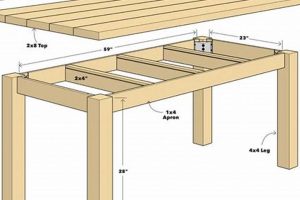
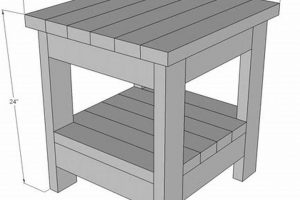
Detailed schematics outlining the construction of elevated platforms designed to provide sustenance for avian species are commonly sought by woodworking enthusiasts. These documents typically include precise measurements, material lists, and step-by-step instructions for assembling a structure suitable for holding birdseed and other food sources. The finished project serves as a designated feeding station for wild birds.
Constructing a feeding platform for birds offers several advantages. It provides a controlled and safe environment for birds to access food, potentially supplementing their natural diet, especially during harsh weather conditions. Furthermore, creating such a structure can foster a greater appreciation for wildlife and promote environmental stewardship through active engagement in supporting local ecosystems. Historically, providing supplementary food for birds dates back centuries, evolving from simple scattering of grains to more elaborate structures designed to attract and protect these creatures.
The subsequent discussion will delve into specific design considerations, material selection guidelines, and optimal placement strategies for such a bird-friendly project, while further exploring practical construction techniques.
Essential Considerations for Crafting Avian Feeding Stations
The following are practical recommendations to enhance the design and construction process of structures intended for bird feeding. Attention to these elements can result in a more durable, functional, and aesthetically pleasing outcome.
Tip 1: Material Selection: Prioritize weather-resistant materials such as cedar, redwood, or treated lumber to prolong the structure’s lifespan. Untreated pine, while less expensive, is prone to rot and degradation.
Tip 2: Drainage Implementation: Incorporate drainage holes within the feeding surface to prevent water accumulation, which can lead to mold growth and seed spoilage. The size and placement of these holes should allow for efficient water runoff without losing birdseed.
Tip 3: Stable Base Construction: Ensure a stable and level base to prevent tipping or collapse. A wide, sturdy foundation is crucial, especially in areas prone to wind or uneven ground.
Tip 4: Predator Deterrents: Consider incorporating design features that deter predators, such as a smooth, overhanging edge that makes it difficult for cats or squirrels to access the feeding area. The height of the structure can also serve as a deterrent.
Tip 5: Roof Design Considerations: A roof provides protection from rain and snow, keeping the food dry and accessible. The roof should have sufficient overhang to prevent water from running down the supporting structure.
Tip 6: Ease of Cleaning: Design the feeding station for easy disassembly and cleaning. Regular cleaning prevents the build-up of bacteria and mold, promoting avian health.
Tip 7: Adherence to the plan: Strict adherence to the schematic ensures structural integrity and optimal functionality. Deviations may compromise the design’s intended purpose and longevity.
Applying these guidelines enhances the functionality, longevity, and safety of the completed feeding structure, ultimately contributing to a more beneficial and sustainable environment for birds.
The succeeding section will consolidate fundamental concepts and considerations to facilitate a comprehensive understanding and practical implementation of the design principles.
1. Precise measurements

The success of avian feeding structures hinges critically on accurate dimensions, as detailed within woodworking schematics. Precise measurements directly influence structural stability and functionality. Inaccurate dimensions can result in an unstable platform, rendering it unsafe for birds or incapable of withstanding environmental factors, such as wind or snow load. Consider, for example, the dimensions of supporting legs; insufficient length or thickness compromises load-bearing capacity. Similarly, incorrect tray dimensions may lead to spillage or prevent adequate bird access.
Furthermore, accuracy in dimensions impacts the efficient utilization of materials. Woodworking plans specify material requirements predicated on calculated dimensions. Deviations from these measurements often result in material waste, increased project costs, and potential compromises in the aesthetic appeal of the final product. A real-world example includes incorrectly cut roofing panels, leading to inadequate weather protection and a visually unappealing structure. Adherence to precise measurements mitigates these risks, ensuring a robust, aesthetically pleasing, and cost-effective project outcome.
In conclusion, precise measurements are not merely incidental but are fundamental to the integrity, functionality, and economic viability of avian feeding station construction. They ensure structural soundness, minimize material waste, and ultimately contribute to a safer and more beneficial resource for wild birds, solidifying the importance of thorough and accurate implementation of woodworking plans.
2. Material specifications

Material specifications within avian feeding station schematics detail the types and quantities of materials required for construction. The selection of appropriate materials directly affects the structure’s durability, resistance to environmental degradation, and overall suitability for its intended purpose. For instance, plans may specify cedar or redwood lumber due to their natural resistance to rot and insect infestation, factors critical to longevity in outdoor environments. The material specifications also include fasteners, such as galvanized screws or nails, chosen for their corrosion resistance. Deviations from these specifications can compromise the structure’s integrity, leading to premature failure or creating unsafe conditions for birds.
Furthermore, material specifications often consider the aesthetic qualities of the finished product. While durability is paramount, the choice of materials can significantly influence the visual appeal of the feeding station. Plans might recommend specific types of stains or sealants to protect the wood while enhancing its natural grain. In some cases, reclaimed or recycled materials are incorporated into the design, adding an eco-friendly element. However, the selected materials must always be non-toxic and safe for avian contact, avoiding treated lumber or finishes that could leach harmful chemicals. Precise specification is essential to ensure proper material sourcing and to avoid substitution with potentially detrimental alternatives.
In summary, material specifications are an indispensable component of avian feeding station schematics. They directly influence the structure’s longevity, safety, and aesthetic qualities. Adherence to these specifications is essential for constructing a functional and environmentally responsible feeding station that effectively supports wild birds while withstanding the challenges of outdoor exposure. Failure to carefully consider and implement the specified materials can lead to compromised structural integrity, potential harm to birds, and reduced overall project success.
3. Joint construction

Joint construction constitutes a critical element within bird table woodworking plans, directly influencing the structural integrity, longevity, and overall stability of the finished product. The selection and execution of appropriate joints are paramount to ensuring the structure withstands environmental stresses and provides a safe platform for avian species.
- Mortise and Tenon Joints
Mortise and tenon joints, characterized by their robust interlocking design, are frequently employed in constructing bird tables due to their high strength and resistance to shear forces. In the context of bird table woodworking, these joints connect the legs to the tabletop, providing a stable and durable base. A well-executed mortise and tenon joint ensures the table can withstand wind, snow, and the weight of birds and birdseed without structural failure. The complexity of the joint demands precision in cutting and fitting, but the resulting strength justifies the effort.
- Dovetail Joints
Dovetail joints, known for their exceptional tensile strength and aesthetic appeal, are often utilized to connect the sides of the seed tray in bird tables. The interlocking “tails” and “pins” provide a mechanical bond that resists separation, even under stress. While more intricate to execute than other joint types, dovetail joints offer superior durability and visual enhancement, adding a touch of craftsmanship to the bird table. Precise cutting and fitting are essential for achieving a tight and secure dovetail joint.
- Butt Joints with Reinforcements
Butt joints, the simplest form of joint construction, involve abutting two pieces of wood edge-to-edge or end-to-end. While straightforward to execute, butt joints lack inherent strength and require reinforcement, such as screws, dowels, or metal fasteners, to provide adequate stability. In bird table construction, butt joints might be used for connecting roof panels or attaching decorative elements. However, due to their inherent weakness, they are not suitable for load-bearing connections. Careful selection of reinforcement methods is crucial to ensuring the joint’s longevity and resistance to stress.
- Lap Joints
Lap joints involve overlapping two pieces of wood, creating a strong and stable connection. In bird table construction, lap joints can be employed to join the edges of the roof panels, providing a weather-resistant barrier. Lap joints offer increased surface area for gluing, enhancing the bond’s strength. The overlapping design also helps to prevent water from seeping into the structure, protecting the birdseed and the wood from rot. Accurate cutting and fitting are essential for achieving a flush and seamless lap joint.
In conclusion, joint construction forms a fundamental aspect of bird table woodworking plans, directly impacting the structural integrity, durability, and aesthetic appeal of the finished product. The careful selection and execution of appropriate joints, such as mortise and tenon, dovetail, butt joints with reinforcements, and lap joints, are essential for ensuring the bird table withstands environmental stresses and provides a safe and functional platform for avian species. The choice of joint type should be based on the specific structural requirements of the component and the desired level of craftsmanship.
4. Assembly Sequence

The systematic ordering of steps, known as the assembly sequence, holds paramount importance within bird table woodworking plans. Its proper execution ensures structural integrity, facilitates efficient construction, and minimizes the risk of errors during the building process.
- Foundation First: Base Construction
Assembly typically commences with the base structure. The legs are joined to the primary support frame, establishing a stable foundation. This foundational step is crucial because any subsequent construction relies on the stability and accurate leveling of this initial assembly. For example, failure to properly align the legs at the outset can result in a tilted or unstable table, compromising its functionality and longevity.
- Tray Integration: Feeding Surface Attachment
Following base construction, the feeding tray is integrated. This involves securely attaching the tray to the support frame. Accurate alignment and robust fastening are essential to prevent the tray from detaching or becoming unstable under load. Practical examples include using screws or bolts to securely connect the tray to the frame, ensuring it can withstand the weight of birdseed and avian visitors. Improper attachment may lead to spillage and structural weakness.
- Roofing and Weatherproofing: Protective Element Installation
The assembly sequence often culminates with the addition of a roof. The roof shields the feeding area from precipitation and direct sunlight, preserving the quality of the birdseed. Accurate roof alignment and secure attachment are necessary to prevent water ingress and wind damage. An example is the use of overlapping roof panels to create a waterproof barrier, ensuring the bird table remains functional even during inclement weather.
- Finishing Touches: Hardware and Aesthetic Additions
The final phase comprises installing any remaining hardware and adding aesthetic elements. This may include attaching perches, adding decorative trim, or applying a protective finish. While these steps are primarily cosmetic, they can enhance the functionality and visual appeal of the bird table. For example, strategically placed perches can provide birds with a comfortable place to rest while feeding. This phase completes the transformation from raw materials to a fully functional avian feeding station.
Each stage of assembly, meticulously outlined in bird table woodworking plans, contributes to the final product’s structural soundness and aesthetic appeal. Deviation from the specified sequence can introduce instability and compromise the project’s overall success.
5. Weather Protection

Effective mitigation of environmental effects is paramount to the longevity and functionality of any structure intended for outdoor use. For avian feeding stations, adequate weather protection is crucial to preserving food quality and ensuring a safe and accessible environment for birds. The implementation of specific features within bird table woodworking plans directly addresses this critical need.
- Roof Design and Overhang
A well-designed roof forms the primary defense against precipitation, shielding the feeding area from rain and snow. The inclusion of sufficient overhang prevents water from running down the supporting structure, minimizing wood rot and prolonging the table’s lifespan. The pitch of the roof also plays a role, facilitating rapid water runoff and preventing snow accumulation.
- Material Selection for Water Resistance
Woodworking plans often specify materials inherently resistant to moisture damage. Cedar, redwood, and treated lumber are common choices due to their natural oils and preservatives, which deter fungal growth and insect infestation. The selection of appropriate fasteners, such as galvanized screws, is equally important to prevent corrosion and maintain structural integrity.
- Drainage Implementation
Incorporating drainage holes within the feeding surface prevents the accumulation of standing water, which can spoil birdseed and promote bacterial growth. The size and placement of these holes are carefully considered to allow for efficient water runoff without losing excessive amounts of food. This design feature directly contributes to the hygiene and longevity of the feeding station.
- Protective Finishes and Sealants
The application of weather-resistant finishes and sealants further enhances the structure’s ability to withstand environmental exposure. These coatings create a barrier against moisture penetration, UV damage, and temperature fluctuations. The selection of non-toxic finishes is essential to ensure the safety of avian visitors and prevent the leaching of harmful chemicals into the surrounding environment.
The aforementioned facets collectively underscore the importance of integrating comprehensive weather protection measures into bird table woodworking plans. These design considerations, ranging from roof design to material selection and protective finishes, are crucial for maintaining the functionality, durability, and safety of avian feeding stations in diverse climatic conditions. The successful implementation of these elements translates to a more sustainable and beneficial resource for wild birds.
6. Stability features

Within the context of bird table woodworking plans, stability features represent integral design considerations, significantly impacting the structure’s resilience and longevity. The purpose of a bird table is to provide a secure feeding platform for avian species, necessitating inherent stability to withstand environmental factors such as wind, snow, and uneven ground conditions. Consequently, bird table schematics incorporate specific elements aimed at enhancing stability, including a wide base, robust leg construction, and secure joinery techniques. The omission or inadequate execution of these features can lead to structural instability, rendering the table prone to tipping or collapse, ultimately negating its intended function. For example, a plan specifying narrow, unsupported legs is inherently less stable than one employing broader, cross-braced supports.
Further enhancing stability involves precise weight distribution and selection of appropriate materials. Bird table blueprints frequently specify denser, more substantial lumber for the legs and base to lower the center of gravity and increase resistance to overturning forces. The strategic placement of heavier components, such as a weighted base or integrated ballast, can also contribute to enhanced stability, particularly in exposed locations. Consider a scenario where a bird table is situated on a sloped surface; the plan might incorporate adjustable leg extensions to compensate for the uneven terrain, ensuring a level and stable feeding platform. Detailed plans also provide specific instructions for anchoring the structure to the ground, further minimizing the risk of displacement.
In summary, stability features are not merely aesthetic considerations, but rather fundamental design elements meticulously integrated into bird table woodworking plans. Their inclusion is directly linked to the structure’s ability to withstand environmental stressors, maintain its functional integrity, and provide a safe and reliable feeding environment for avian species. Comprehending and diligently implementing these stability-enhancing aspects is crucial for the successful construction and long-term performance of any bird table project, mitigating potential risks and ensuring its continued utility.
7. Avian safety
The confluence of avian safety and bird table woodworking plans represents a critical intersection, demanding meticulous attention to detail during the design and construction phases. The structure’s purpose providing a feeding station necessitates prioritization of bird well-being to avoid unintended harm. Failure to consider avian safety can result in injuries, disease transmission, or even mortality among visiting birds. Thus, plans must incorporate features that mitigate potential risks.
For instance, woodworking plans should specify non-toxic materials and finishes to prevent ingestion of harmful substances. Sharp edges and points are to be avoided to minimize the risk of physical injury during perching or feeding. The design must also discourage predator access, incorporating features such as smooth, overhanging edges that impede climbing. Furthermore, the spacing of perches and the overall dimensions of the feeding area must accommodate various bird species while preventing overcrowding, which can facilitate disease transmission. Cleaning accessibility is also crucial; designs should allow for easy removal of accumulated waste to reduce the risk of bacterial or fungal contamination. Examples of designs which lack these considerations can be deadly.
Consequently, the deliberate integration of avian safety principles into bird table woodworking plans transforms a simple feeding structure into a beneficial resource for wild birds. Adherence to these principles ensures that the feeding station promotes the health and well-being of its users, fostering a positive interaction between humans and the avian ecosystem. Neglecting avian safety not only undermines the purpose of providing supplementary food but also poses a significant ethical and environmental concern.
Frequently Asked Questions
The subsequent questions address common inquiries concerning the design, construction, and functionality of avian feeding stations derived from woodworking plans. The aim is to clarify uncertainties and provide practical insights for prospective builders.
Question 1: What are the essential components typically included in avian feeding station woodworking plans?
Comprehensive schematics usually comprise detailed diagrams, precise measurements, a complete material list, step-by-step assembly instructions, and recommendations for finishing and weatherproofing the structure.
Question 2: What types of wood are best suited for constructing a long-lasting avian feeding station?
Weather-resistant woods such as cedar, redwood, and treated lumber are recommended due to their natural resistance to rot, insects, and moisture damage. Untreated pine is less durable and requires regular maintenance.
Question 3: How can one ensure the constructed bird table is safe for birds and minimizes the risk of injury?
Plans should specify non-toxic materials and finishes, smooth edges, and adequate drainage to prevent the accumulation of stagnant water. The design should also deter predators, such as cats and squirrels.
Question 4: What are the primary considerations when selecting a location for an avian feeding station?
The location should offer a clear view of the surrounding area to allow birds to detect approaching predators. It should also be sheltered from strong winds and easily accessible for maintenance and refilling.
Question 5: How frequently should an avian feeding station be cleaned to maintain hygiene and prevent the spread of disease?
Regular cleaning is crucial, ideally performed every one to two weeks. Remove old seed and debris, scrub the surfaces with a mild detergent, and rinse thoroughly to eliminate bacteria and mold.
Question 6: Can modifications be made to existing bird table woodworking plans, and if so, what are the potential risks?
Modifications can be implemented, but should be approached with caution. Alterations to structural elements can compromise stability and durability. Changes to dimensions may affect the overall functionality and aesthetic appeal. Ensure modifications do not compromise avian safety.
In summary, woodworking plans provide a valuable framework for constructing functional and safe avian feeding stations. Careful consideration of materials, design features, and maintenance practices ensures the long-term success and benefit of the structure.
The following discourse transitions into a summary of crucial aspects related to effective bird table construction, integrating key takeaways and actionable insights for the practitioner.
Conclusion
The preceding analysis has comprehensively explored the multifaceted aspects of bird table woodworking plans. From initial design considerations and material specifications to joint construction, assembly sequence, weather protection, stability features, and avian safety, each element contributes significantly to the success and longevity of the completed structure. Adherence to detailed schematics, precise measurements, and careful material selection are paramount for creating a functional and safe environment for avian species. Furthermore, consistent maintenance and cleaning protocols are essential for preserving the hygienic integrity of the feeding station and mitigating the risk of disease transmission.
Effective implementation of bird table woodworking plans requires a commitment to both craftsmanship and ecological responsibility. The construction of such structures not only provides a valuable resource for wild birds but also fosters a deeper appreciation for the natural world. By embracing the principles outlined within these plans, individuals can actively contribute to the well-being of avian populations and promote a more sustainable coexistence between humans and wildlife. The continued refinement and dissemination of such plans represent a vital step towards enhancing our understanding of, and engagement with, the natural environment.