![Build the Ultimate Woodworking Shops Guide [Tips]](data:image/svg+xml;base64,PHN2ZyB4bWxucz0iaHR0cDovL3d3dy53My5vcmcvMjAwMC9zdmciIHdpZHRoPSI0NzQiIGhlaWdodD0iNjYiIHZpZXdCb3g9IjAgMCA0NzQgNjYiPjxyZWN0IHdpZHRoPSIxMDAlIiBoZWlnaHQ9IjEwMCUiIHN0eWxlPSJmaWxsOiNjZmQ0ZGI7ZmlsbC1vcGFjaXR5OiAwLjE7Ii8+PC9zdmc+ "Build the Ultimate Woodworking Shops Guide [Tips] Step-by-Step Guides, Tools & Inspiration to Build Beautiful Wooden Decor on a Budget")
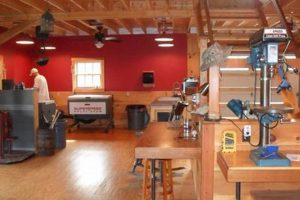
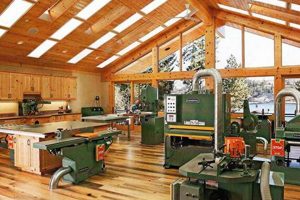
A dedicated space designed for comprehensive woodworking activities facilitates efficient and precise craftsmanship. These spaces often incorporate specialized equipment, optimized layouts, and organizational systems to enhance productivity and safety. An example includes a facility equipped with dust collection systems, various saws (table saw, band saw, miter saw), a planer, a jointer, and ample workspace for assembly and finishing.
Such facilities contribute significantly to the quality and volume of woodworking output. Their controlled environments improve project accuracy, minimize material waste, and safeguard the well-being of artisans. Historically, the evolution of these spaces reflects advancements in woodworking technology and a growing emphasis on ergonomic design, leading to safer and more effective working conditions.
The following article will delve into key considerations for designing and equipping a superior woodworking environment. Topics to be covered include optimal layout strategies, essential machinery selection, effective dust management techniques, and the role of proper lighting in achieving professional-grade results.
Tips for Optimized Woodworking Environments
The following guidelines address key aspects of designing and maintaining a high-performance woodworking area, emphasizing efficiency, safety, and project quality. These recommendations are intended to serve as a resource for optimizing such spaces.
Tip 1: Implement a Zonal Layout: Segregate the workspace into distinct zones for material storage, rough cutting, assembly, and finishing. This compartmentalization minimizes cross-contamination of dust and finishes, improving workflow and reducing the risk of damaging completed or in-progress projects.
Tip 2: Invest in a Centralized Dust Collection System: A robust dust collection system is crucial for maintaining air quality and protecting respiratory health. Connect all major power tools to a central collector with sufficient CFM (cubic feet per minute) rating to effectively remove airborne particulate matter.
Tip 3: Prioritize Ergonomic Design: Position workbenches and machinery at appropriate heights to minimize strain and fatigue. Consider adjustable-height workbenches and anti-fatigue mats to enhance comfort and productivity during extended periods of use.
Tip 4: Optimize Lighting: Employ a combination of ambient, task, and accent lighting to ensure adequate illumination throughout the workspace. Supplement natural light with LED fixtures to provide consistent, high-quality light that accurately renders colors and reduces eye strain.
Tip 5: Implement a Robust Material Storage System: Organize lumber and other materials using vertical racks, shelving units, or other storage solutions to maximize space utilization and protect materials from damage. Label all storage locations clearly to facilitate efficient retrieval and inventory management.
Tip 6: Establish a Regular Maintenance Schedule: Regularly inspect and maintain all woodworking equipment to ensure optimal performance and prevent unexpected breakdowns. Sharpen blades, lubricate moving parts, and calibrate machinery according to manufacturer recommendations.
Tip 7: Incorporate Safety Features: Integrate safety features such as emergency stop switches, blade guards, and non-slip flooring to minimize the risk of accidents. Ensure that all users are thoroughly trained on the safe operation of all equipment and the proper use of personal protective equipment (PPE).
Adhering to these recommendations can contribute significantly to the creation of a functional and productive woodworking environment. Attention to detail in these areas leads to increased efficiency, improved project quality, and a safer working environment.
The following sections will examine advanced techniques and technologies employed in professional-grade woodworking facilities.
1. Ergonomic Design

Ergonomic design is a crucial component of high-performance woodworking facilities. The layout and tooling within a workshop directly impact a woodworker’s physical well-being and productivity. Poorly designed spaces can lead to musculoskeletal disorders, reduced efficiency, and increased error rates. Conversely, implementing ergonomic principles mitigates these risks, fostering a safer and more productive environment. For example, workbenches positioned at an inappropriate height require excessive bending or reaching, which can contribute to back pain and fatigue. Adjusting bench height or providing elevated platforms eliminates these stressors.
The strategic placement of frequently used tools and materials also falls under ergonomic consideration. Storing tools within easy reach, using shadow boards, and implementing efficient retrieval systems minimizes unnecessary movement and reduces the risk of strain. Similarly, machine placement should allow for natural body positioning during operation. Adequate lighting, anti-fatigue mats, and climate control contribute to overall comfort and reduce physical strain, enabling woodworkers to focus on their craft. Proper workflow planning is essential to ergonomics, such as ensuring projects can flow logically through zones in the ultimate shop.
In conclusion, ergonomic design is not merely an aesthetic consideration but a fundamental requirement for achieving optimal performance in woodworking facilities. By prioritizing ergonomics, it is possible to create spaces that support the long-term health and productivity of woodworkers, contributing to increased efficiency and a higher quality of craftsmanship. Failing to do so results in unnecessary risks, reduced output, and potential long-term health consequences. Therefore, ergonomic design is an essential feature to be added to the layout for any ultimate shop dedicated to woodworking.
2. Dust Management Systems

Effective dust management is an indispensable component of woodworking spaces designed for superior performance and safety. The link between these systems and optimized woodworking facilities stems from the inherent nature of woodworking processes, which generate substantial volumes of fine particulate matter. Without effective control, this dust poses significant health hazards, compromises equipment functionality, and diminishes the overall quality of the working environment. A woodworking shop lacking a comprehensive dust collection system is demonstrably not optimized, regardless of other attributes. For example, exposure to wood dust is a documented cause of respiratory illnesses and certain types of cancer. Systems like central dust collectors and localized extraction arms are crucial for mitigating these health risks.
The impact of dust management extends beyond immediate health concerns. Airborne dust settles on machinery, interfering with precision measurements, accelerating wear and tear, and potentially causing malfunctions. Furthermore, dust accumulation compromises the finish quality of woodworking projects, requiring additional labor for cleaning and rework. In professional settings, where efficiency and product quality are paramount, the absence of effective dust control directly translates to reduced productivity and increased operational costs. Consider the case of a high-volume cabinet manufacturer: investing in a state-of-the-art dust collection system not only protects worker health but also minimizes machine downtime, reduces finishing defects, and ultimately increases output. Implementing effective dust separation is one important factor.
In summary, dust management systems are not simply an optional add-on but a critical infrastructure component of any woodworking facility aspiring to optimize performance and ensure the well-being of its workforce. The cost of implementing a robust dust collection system is demonstrably offset by the benefits of improved health, reduced equipment maintenance, enhanced product quality, and increased overall efficiency. Challenges to implementation include initial investment costs and space considerations, but the long-term advantages make it a necessary consideration for any woodworking operation committed to achieving high standards. Therefore, an optimized woodworking space needs effective dust management to classify as optimized.
3. Specialized Equipment

The presence and capabilities of specialized equipment are defining characteristics of comprehensive woodworking environments. These tools enable complex operations, increase precision, and enhance overall productivity, directly contributing to the functionality and scope of advanced woodworking facilities. The equipment transcends basic hand tools and general-purpose machinery.
- CNC Routers
Computer Numerical Control (CNC) routers automate intricate cutting, shaping, and carving tasks with unparalleled accuracy. In environments pursuing maximum efficiency, CNC routers replicate complex designs across multiple pieces with complete uniformity. This capability is essential for mass production of components and intricate decorative elements. Cabinet manufacturers, for example, rely on CNC routers to generate precisely cut doors, drawer fronts, and frame components, significantly reducing manual labor and minimizing material waste.
- Edge Banders
Edge banding machines apply edge banding material (such as PVC, ABS, or wood veneer) to the exposed edges of sheet materials like plywood or MDF. This process enhances the aesthetic appearance of furniture and cabinetry, while also protecting the core material from moisture and impact. Edge banders ensure a consistent, durable, and professional-looking edge finish, a crucial element in creating high-quality finished products. They are indispensable in furniture and cabinet making facilities.
- Wide Belt Sanders
Wide belt sanders are essential for achieving consistent surface thickness and preparing wood for finishing. These machines utilize abrasive belts to uniformly sand large surfaces, removing imperfections and creating a smooth substrate for subsequent coatings. Wide belt sanders streamline the sanding process and improve the quality and consistency of finished surfaces. Their use results in reduced manual labor and increased throughput, especially important for furniture and millwork production.
- Finishing Systems
Advanced finishing systems, including spray booths, automated spray equipment, and UV curing systems, facilitate the application of protective and decorative coatings with superior control and efficiency. These systems minimize overspray, ensure uniform coating thickness, and accelerate drying times. The result is a higher quality finish with improved durability and aesthetic appeal. Such systems allow for the use of specialized products and processes, such as UV curing, which are not practical without specialized equipment.
These examples represent a fraction of specialized equipment that distinguishes comprehensive woodworking facilities from basic workshops. These tools facilitate complex operations, enhance precision, and increase efficiency. Their inclusion significantly expands the capabilities and overall output potential of advanced woodworking operations. Proper selection and integration of these tools are critical for creating an environment optimized for woodworking.
4. Efficient Layout
An efficient layout is a foundational element of comprehensive woodworking spaces. The spatial arrangement of equipment, work areas, and storage directly impacts workflow, safety, and overall productivity. A poorly designed layout impedes movement, creates bottlenecks, and increases the risk of accidents, negating the potential benefits of advanced equipment and skilled labor. The relationship is causal: an efficient layout promotes a streamlined workflow, while an inefficient one hinders it. Therefore, the realization of comprehensive woodworking spaces hinges on the implementation of strategic spatial design. The ideal layout minimizes unnecessary movement, facilitates logical material flow, and provides ample workspace for each stage of the woodworking process.
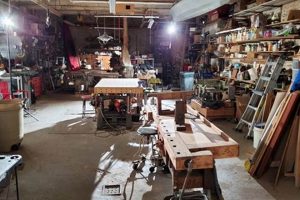
Consider a custom furniture manufacturer. A facility designed with a linear workflow, where raw materials enter at one end and finished products exit at the other, minimizes backtracking and cross-contamination. Dedicated zones for milling, assembly, finishing, and storage prevent bottlenecks and maintain a clean working environment. Equipment placement should prioritize logical process flow, with machines used in sequence positioned in close proximity. Effective storage solutions, such as vertical lumber racks and organized parts bins, optimize space utilization and minimize time spent searching for materials. A well-designed layout also incorporates safety considerations, such as adequate aisle widths, clear emergency exits, and designated areas for hazardous materials. The implementation of 5S methodology can improve the layout further.
In conclusion, the layout within facilities influences the overall operational success. It is not merely an aesthetic consideration but a critical factor determining efficiency, safety, and product quality. A well-planned layout is an essential investment, enabling the seamless integration of skilled labor, advanced equipment, and optimized workflows. This design leads to high-quality craftsmanship in a secure and productive environment. Neglecting the importance of layout significantly undermines the potential of a woodworking operation, regardless of other advancements. Thus, the attainment of comprehensive woodworking facilities is fundamentally dependent on the principles of efficient spatial design, which should be based on 5S methodology.
5. Organizational Systems
Organizational systems within woodworking spaces are not mere conveniences but integral components contributing significantly to operational efficiency, safety, and the overall quality of craftsmanship. Their presence transforms a generic workspace into a structured, productive environment. The effectiveness of woodworking facilities is directly proportional to the sophistication and implementation of these systems.
- Tool Storage and Retrieval
Efficient tool management involves systematic storage and rapid retrieval mechanisms. Shadow boards, labeled drawers, and dedicated tool racks are common examples. The objective is to minimize search time and ensure tools are readily accessible at the point of use. In professional settings, this equates to reduced labor costs and increased project throughput. A disorganized system increases the risk of misplacing or damaging tools, adding to operational inefficiencies.
- Material Inventory Management
Effective inventory control encompasses lumber, hardware, and consumables. Systems range from simple labeling and shelving to sophisticated computerized tracking. The goal is to maintain an accurate record of available materials, minimizing waste and preventing project delays due to stock shortages. An organized system includes designated storage areas for different wood species, sizes, and grades, enabling efficient material selection. This reduces time spent searching through inventory and minimizes the likelihood of using unsuitable materials.
- Workflow Documentation and Standardization
Documenting procedures and standardizing processes streamlines operations and promotes consistency. Written instructions, process flowcharts, and digital templates guide workers through each stage of a project, minimizing errors and ensuring adherence to quality standards. This organizational aspect also facilitates training new personnel and maintaining consistent output across multiple projects. Documented procedures ensure that the best practices are consistently followed, leading to increased efficiency and reduced waste.
- Waste Management and Recycling
Implementing a structured waste management system minimizes clutter, reduces the risk of accidents, and promotes environmental responsibility. This includes separate bins for different types of waste (e.g., wood scraps, sawdust, metal) and established procedures for recycling reusable materials. Proper waste disposal enhances worker safety and reduces the environmental impact of woodworking operations. Effective waste management also contributes to a cleaner and more organized workspace, further improving efficiency and productivity.
These facets collectively underscore the importance of organizational systems in optimizing the performance of woodworking facilities. Each element contributes to a more efficient, safer, and more productive working environment, ultimately enhancing the quality and consistency of finished products. Facilities that prioritize organizational systems exhibit a commitment to operational excellence and a recognition of the direct correlation between organization and successful woodworking outcomes.
6. Safety Protocols

The integration of robust safety protocols is not merely a regulatory compliance issue; it is a fundamental characteristic of comprehensive woodworking facilities. The inherent dangers associated with woodworking machinery and materials necessitate a stringent safety-conscious approach to minimize the risk of accidents, injuries, and long-term health consequences. An absence of comprehensive protocols disqualifies a facility from consideration as superior, regardless of other merits.
- Machine Guarding and Operational Procedures
Adequate machine guarding is paramount in woodworking environments. All machinery, including saws, jointers, and routers, must be equipped with functional guards to prevent accidental contact with moving parts. Operational procedures should clearly define safe operating parameters for each machine, including speed settings, workpiece handling techniques, and personal protective equipment (PPE) requirements. For instance, a table saw should feature a blade guard, anti-kickback pawls, and a splitter to mitigate the risk of kickback injuries. Regularly inspecting and maintaining machine guards is crucial for their continued effectiveness. Documented procedures should also address emergency shutdown protocols and lockout/tagout procedures for maintenance operations.
- Personal Protective Equipment (PPE)
The provision and mandatory use of appropriate PPE is a non-negotiable aspect. This encompasses eye protection (safety glasses or face shields), hearing protection (earplugs or earmuffs), respiratory protection (dust masks or respirators), and hand protection (gloves). The selection of PPE should be based on a comprehensive hazard assessment, considering the specific tasks being performed and the materials being handled. For example, sanding operations require respiratory protection to prevent inhalation of fine dust particles, while handling rough lumber necessitates gloves to protect against splinters and abrasions. Regular training on the proper use and maintenance of PPE is essential to ensure its effectiveness.
- Fire Prevention and Emergency Response
Woodworking environments pose a significant fire risk due to the presence of flammable materials such as wood dust, solvents, and finishes. Comprehensive fire prevention measures include strict adherence to no-smoking policies, proper storage of flammable materials in approved containers, and the implementation of a fire suppression system. Fire extinguishers should be readily accessible and regularly inspected. An emergency response plan should outline procedures for evacuation, fire suppression, and first aid, with regular drills conducted to ensure preparedness. Clearly marked emergency exits and readily available first-aid supplies are essential components of a comprehensive safety protocol.
- Ergonomics and Workplace Design
Ergonomic principles should inform the design and layout of woodworking spaces to minimize the risk of musculoskeletal disorders (MSDs). Workbenches should be adjustable to accommodate workers of different heights, and tasks requiring repetitive motions should be optimized to reduce strain. Proper lifting techniques should be taught and enforced, and mechanical aids (e.g., carts, dollies) should be provided to assist with heavy lifting. Additionally, ensuring adequate lighting and ventilation contributes to a safer and more comfortable working environment. Implementing ergonomic principles reduces fatigue, increases productivity, and minimizes the risk of long-term health issues.
The systematic implementation and consistent enforcement of safety protocols are defining characteristics of superior woodworking facilities. These measures protect workers from harm, minimize the risk of accidents, and foster a culture of safety throughout the organization. A comprehensive approach to safety not only benefits workers but also enhances productivity, reduces insurance costs, and improves the overall reputation of the woodworking operation. Therefore, rigorous safety protocols are an essential and inseparable feature.
Frequently Asked Questions
The following section addresses common inquiries related to designing, equipping, and maintaining optimized woodworking facilities. The information provided is intended to offer clarity on fundamental aspects of creating high-performance woodworking spaces.
Question 1: What is the minimum space requirement for a functional woodworking facility?
The minimum space requirement varies substantially based on the scope of operations, equipment utilized, and the number of personnel. A small hobbyist shop may function adequately within a 200-square-foot area, while a professional facility engaged in large-scale production may require several thousand square feet. A primary consideration is sufficient space to accommodate all machinery, workstations, material storage, and safe passage for personnel and materials.
Question 2: What is the most crucial piece of equipment to invest in for a professional woodworking operation?
While the specific equipment requirements depend on the specialization of the operation, a robust dust collection system is universally essential. Effective dust control is paramount for worker health, equipment longevity, and finish quality. A centralized system with sufficient CFM (cubic feet per minute) rating to service all major machinery is generally considered a worthwhile investment.
Question 3: How often should woodworking machinery be serviced and maintained?
The frequency of machinery maintenance depends on usage intensity and manufacturer recommendations. However, a regular maintenance schedule should be established and adhered to. This includes daily inspections, weekly cleaning, monthly lubrication, and annual professional servicing. Dull blades should be sharpened or replaced promptly, and all moving parts should be properly lubricated to ensure optimal performance and prevent premature wear.
Question 4: What are the key considerations for selecting appropriate lighting for a woodworking workspace?
Adequate lighting is crucial for precision woodworking. A combination of ambient, task, and accent lighting is generally recommended. Ambient lighting provides overall illumination, while task lighting focuses on specific work areas. LED fixtures are preferred for their energy efficiency, long lifespan, and accurate color rendering. Lighting should be positioned to minimize shadows and glare, and the color temperature should be chosen to accurately reflect the colors of the wood and finishes.
Question 5: What are the most effective methods for organizing lumber storage within a woodworking facility?
Efficient lumber storage maximizes space utilization and protects materials from damage. Vertical lumber racks are commonly used to store lumber on edge, minimizing warping and maximizing floor space. Lumber should be organized by species, size, and grade for easy retrieval. Proper ventilation is essential to prevent moisture buildup and fungal growth. For larger operations, a computerized inventory management system can track lumber stock and location.
Question 6: What are the recommended safety practices for operating a table saw?
Table saw operation demands strict adherence to safety protocols. Always wear eye and hearing protection. Ensure the blade guard, anti-kickback pawls, and splitter are properly installed and functioning. Use push sticks or push blocks to keep hands away from the blade. Never reach over the blade while the saw is running. Be aware of the risk of kickback and stand to the side of the blade path. Disconnect the power supply before performing maintenance or changing the blade.
In summary, designing and maintaining comprehensive woodworking environments requires careful attention to space planning, equipment selection, organizational systems, and safety protocols. Adhering to these principles will create a functional, efficient, and safe workspace conducive to high-quality woodworking.
The following section will explore case studies of successful woodworking facilities, highlighting innovative design solutions and best practices.
In Summary
The preceding discourse has explored the multifaceted characteristics defining comprehensive woodworking environments. Essential elements encompass ergonomic design, effective dust management, specialized equipment, efficient layouts, robust organizational systems, and stringent safety protocols. The convergence of these factors cultivates a workspace optimized for precision, productivity, and the well-being of craftspeople. The absence of any single element detracts from the overall functionality and effectiveness of the environment.
Therefore, establishing a dedicated workspace requires continuous evaluation and refinement. The pursuit of excellence in woodworking necessitates unwavering commitment to these principles, ensuring both immediate operational efficiency and the long-term sustainability of the craft. Investing in such facilities proves conducive to elevated craftsmanship standards and professional growth.