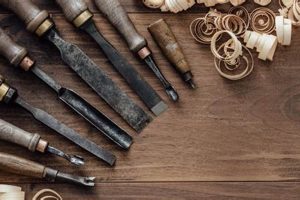
The practice involves utilizing older implements for shaping and constructing items from lumber. It encompasses a range of hand-operated devices, often dating back several decades or even centuries, employed in tasks such as sawing, planing, chiseling, and joining wood. These instruments, predating widespread electrification and automation, represent a historical approach to crafting objects from timber.
Employing time-tested methods offers several advantages. It provides a tactile connection to the craft, fostering a deeper understanding of material properties and manipulation techniques. Furthermore, many older instruments were manufactured to higher standards than some contemporary equivalents, resulting in durability and precision. Appreciating their usage also provides insight into the evolution of carpentry and the ingenuity of past artisans.
This exploration will delve into the types of implements frequently encountered, their restoration and maintenance, and the skills required to effectively utilize them. The focus will be on providing practical information for both novice and experienced woodworkers interested in incorporating this historical approach into their projects.
Essential Guidance for Using Older Implements
Effective employment of older implements demands a deliberate approach. Understanding their characteristics, proper maintenance, and refined technique are crucial for achieving quality results and ensuring safety. The following provides practical guidance for those engaging with this method of crafting.
Tip 1: Sharpening is Paramount: The performance of any cutting instrument hinges on its sharpness. Invest in appropriate sharpening equipment, such as sharpening stones or jigs, and learn the proper techniques for honing blades to a keen edge. A dull blade is not only less effective, but also more prone to slipping, increasing the risk of injury.
Tip 2: Understanding Grain Direction: Pay close attention to the grain of the wood. Cutting against the grain can lead to tear-out and splintering. Observing the direction of the fibers and adjusting technique accordingly is essential for achieving clean, smooth surfaces.
Tip 3: Prioritize Tool Maintenance: Regular cleaning and lubrication are critical for preserving tools. Remove rust with appropriate solvents and protect metal surfaces with a light coating of oil. Wooden components may benefit from occasional waxing to prevent drying and cracking.
Tip 4: Learn Traditional Techniques: Research and practice traditional woodworking methods. Many historical resources, including books and online tutorials, offer valuable insights into efficient and accurate techniques. Understanding these methods can significantly improve results.
Tip 5: Secure Workholding is Essential: Ensure the workpiece is securely fastened before commencing any cutting or shaping operations. Use appropriate clamping devices or a vise to prevent movement and ensure stability. A stable workpiece enhances precision and minimizes the risk of accidents.
Tip 6: Embrace Patience and Precision: Working with older implements requires a slower, more deliberate pace. Avoid rushing, and focus on accuracy and control. Small, incremental cuts are generally preferable to large, forceful ones.
Tip 7: Inspect Before Use: Before beginning any project, thoroughly inspect each instrument for damage or wear. Replace any damaged parts and ensure all components are functioning correctly. A faulty tool can compromise safety and quality.
Mastery yields several benefits: a deeper appreciation for the craft, increased precision, and the satisfaction of producing quality work using historically significant instruments.
This guidance serves as a foundation for safe and effective engagement. Further exploration and practice are essential for continued improvement.
1. Tool identification

Accurate tool identification forms a foundational element of engagement. Determining a tool’s make, model, and intended function dictates proper usage, maintenance procedures, and expected performance. Mislabeled or incorrectly identified implements can lead to improper applications, potential damage to the tool or workpiece, and even safety hazards. For example, attempting to use a mortise chisel, designed for heavy stock removal, as a delicate paring tool can result in damage to the chisel’s edge and an unsatisfactory cut. Similarly, applying inappropriate sharpening techniques to a vintage backsaw, such as using a power grinder instead of hand files, can destroy the temper of the blade and render it useless.
The process involves several steps. Initial assessment involves observing the tool’s physical characteristics, including shape, size, and any distinguishing markings or stamps. Reference materials, such as tool catalogs, online databases, and books dedicated to identifying implements, are invaluable resources. A careful examination of any patent dates or manufacturer’s marks can provide crucial clues. Furthermore, understanding the evolution of tool designs across different eras aids in accurate identification. For example, certain handle shapes or adjustment mechanisms are indicative of specific manufacturing periods or regions. Distinguishing between a Disston D-8 saw manufactured in the early 20th century and a later model requires careful attention to details such as the shape of the handle, the etch on the blade, and the style of the fasteners.
In conclusion, accurate identification is not merely an academic exercise; it is a practical necessity for safe and effective woodworking. It informs proper use, maintenance, and restoration, ultimately contributing to the longevity of the implements and the quality of the finished product. Overcoming the challenge of accurate identification requires patience, research, and a willingness to learn from experienced practitioners. The rewards are a deeper understanding of the craft and the ability to fully appreciate the value of these historical instruments.
2. Sharpening Techniques

Maintaining a keen edge on cutting implements is paramount to successful manipulation of timber with older instruments. The effectiveness and safety of these tools are intrinsically linked to the sharpness of their blades. Proper sharpening techniques are not merely desirable but essential for achieving clean cuts, minimizing effort, and preventing accidents.
- Angle Consistency
Maintaining a consistent bevel angle is critical for achieving a sharp, durable edge. Altering the angle can weaken the blade and produce an uneven cutting surface. Visual aids, honing guides, and practice are essential for developing the muscle memory required for consistent angle control. For example, a plane iron sharpened with a constantly shifting bevel will produce a scalloped cut, whereas a chisel with an inconsistent bevel will be more prone to chipping.
- Abrasive Progression
Sharpening involves a progression through increasingly finer abrasives. Starting with a coarser stone removes imperfections and establishes the initial bevel. Progressing to finer stones refines the edge and removes scratches left by the coarser abrasives. Skipping steps in this progression results in an inferior edge that will dull more quickly. For example, immediately moving from a coarse diamond stone to a fine ceramic stone without using an intermediate stone will leave microscopic serrations that weaken the edge.
- Deburring Techniques
The sharpening process creates a burr, a thin wire of metal that forms on the edge. Effective deburring is essential for achieving a truly sharp edge. Techniques include stropping on leather, using a very fine stone, or carefully drawing the blade across a piece of softwood. Failure to remove the burr will result in a fragile, short-lived edge. For example, a freshly sharpened plane iron with a lingering burr will initially cut well but will quickly dull after a few passes on the workpiece.
- Tool-Specific Considerations
Different implements require different sharpening approaches. Bevel-down planes require sharpening the bevel side only, while bevel-up planes require sharpening both the bevel and the flat side. Chisels may require a secondary bevel (micro-bevel) for increased durability. Understanding these nuances is essential for achieving optimal performance from each tool. For example, attempting to sharpen a bevel-up plane iron using the same method as a bevel-down iron will result in an incorrectly sharpened blade and poor cutting performance.
The skills contribute significantly to producing high-quality work. Understanding and applying appropriate methods for each implement ensures that these valuable tools perform optimally and safely, preserving their functionality for years to come. Mastering contributes to the appreciation and preservation of the craft itself.
3. Material Selection

The appropriate choice of timber is inextricably linked to the successful utilization of older instruments. The characteristics of the wood dictate the effectiveness of these implements, influencing factors such as cutting ease, surface finish, and the overall structural integrity of the finished piece. Careful selection ensures optimal results and minimizes the potential for tool damage or material failure.
- Wood Hardness and Density
Hardness and density significantly impact the ease of working with hand tools. Softer woods, such as pine or poplar, are generally easier to cut and shape, making them suitable for beginners or for tasks requiring intricate detail. Denser hardwoods, such as oak or maple, demand sharper tools and greater physical effort, but yield more durable and visually striking results. Employing excessively hard or dense materials with under-sharpened tools can lead to frustration, increased risk of tool slippage, and potential damage to the tool’s cutting edge. For example, attempting to plane a piece of kiln-dried maple with a dull hand plane can be exceptionally difficult and result in tear-out or chatter.
- Grain Orientation and Figure
The grain pattern and figure of the wood affect both the aesthetic appeal and the workability of the material. Straight-grained wood is generally easier to work with, as it allows for consistent cuts and minimizes the risk of tear-out. Figured woods, such as curly maple or burl, present unique challenges due to their irregular grain patterns. These materials require careful planning and specialized techniques to avoid splintering or uneven surfaces. Understanding grain direction is crucial for achieving clean cuts and smooth finishes. Planing against the grain, for example, can result in significant tear-out, while planing with the grain produces a smooth, polished surface.
- Moisture Content
The moisture content of wood is a critical factor in its stability and workability. Wood that is too wet can be difficult to cut and shape, and is prone to warping or cracking as it dries. Conversely, wood that is too dry can be brittle and prone to splitting. Ideally, wood should be properly seasoned to a moisture content appropriate for its intended use. Using unseasoned wood with older tools can lead to inaccurate joinery, dimensional instability, and eventual failure of the finished piece. Seasoning wood to appropriate moisture content is important.
- Wood Species Properties
Different types of wood have different natural characteristics, such as how easily it splits, or how well it glues. These can affect the outcome of vintage woodworking, so knowing about this is crucial.
The successful integration with older methods necessitates a nuanced understanding. Recognizing the interplay between the instrument’s capabilities and the wood’s inherent properties is essential for producing high-quality results and preserving the integrity of both the material and the tools. Through careful consideration and informed selection, the practitioner can unlock the full potential of this historical approach to woodworking.
4. Historical context

The historical context surrounding older instruments is integral to understanding their design, function, and proper use. Examining the socioeconomic, technological, and cultural influences of the periods in which these implements were manufactured and utilized provides invaluable insights for contemporary practitioners. This knowledge informs not only the correct application of these devices but also their preservation and appreciation.
- Evolution of Tool Design
The evolution of tool design reflects changes in manufacturing techniques, materials science, and user needs. Understanding this progression allows for a more informed assessment of the capabilities and limitations of specific implements. For example, the transition from wooden-bodied planes to metal-bodied planes in the 19th century reflects advancements in iron casting and machining, resulting in more durable and adjustable tools. Recognizing these design changes helps in dating implements and understanding their intended use.
- Socioeconomic Influences on Production
Socioeconomic factors, such as industrialization, trade, and labor practices, significantly influenced the production and distribution of woodworking instruments. Mass production techniques, driven by the Industrial Revolution, led to increased availability and affordability of tools, but also impacted their quality and craftsmanship. Understanding these influences provides context for the quality variations observed in vintage implements. The rise and fall of tool manufacturers, such as Stanley and Disston, reflect broader economic trends and offer insights into the market forces shaping the industry.
- Cultural Practices and Regional Variations
Woodworking practices and tool designs often exhibited regional variations, reflecting local traditions, available materials, and specific needs. Different regions developed unique joinery techniques and specialized instruments tailored to their particular woodworking styles. Examining these variations enriches the understanding of the diverse applications of older implements. The use of specific types of axes or planes in different geographical regions provides a tangible connection to the cultural heritage of woodworking traditions.
- Impact of Technological Advancements
Technological advancements, such as the development of new alloys, improved heat treating methods, and precision machining, progressively influenced tool design and performance. Understanding these advancements helps in assessing the capabilities and limitations of different implements. The introduction of high-speed steel, for example, enabled the production of more durable and efficient cutting edges. Examining patent records and technical literature provides detailed insights into these technological developments and their impact on woodworking instruments.
By understanding the historical milieu in which these older implements were created and used, woodworkers can more effectively employ them in contemporary projects. The historical context informs the proper use, maintenance, and restoration of these tools, allowing practitioners to connect with the rich heritage of the craft and preserve these valuable instruments for future generations. This understanding fosters a deeper appreciation for the ingenuity of past artisans and the evolution of woodworking traditions.
5. Restoration methods

The refurbishment of time-worn implements constitutes a crucial aspect of engaging with vintage instruments. Conservation techniques aim to reinstate functionality and preserve the historical integrity of these tools, ensuring their continued use and appreciation. The decision to restore, and the methods employed, directly influence the tool’s performance and longevity.
- Surface Rust Removal
Eliminating superficial oxidation is a frequent initial step. Methods range from gentle abrasion using fine steel wool and lubricant to chemical treatments designed to dissolve rust. The selected technique must balance effectiveness with the need to avoid damaging underlying metal. Aggressive methods, while faster, can remove original finishes or alter dimensions, compromising the tool’s authenticity. For example, electrolytic rust removal can be effective on heavily rusted items, but requires careful monitoring to prevent over-etching of the metal surface.
- Component Replacement and Repair
Damaged or missing components may necessitate repair or replacement. Sourcing original parts is ideal, but often impractical. Fabricating replacement components requires skill and adherence to original specifications. The use of modern materials, while sometimes unavoidable, should be carefully considered to ensure compatibility with the tool’s overall design and function. For example, replacing a cracked wooden handle with a replica made from a similar wood species preserves the tool’s aesthetic and ergonomic qualities.
- Sharpening and Blade Reconditioning
Re-establishing a sharp cutting edge is essential for restoring functionality. This process involves honing, lapping, and sometimes re-grinding blades to achieve the correct geometry and sharpness. The techniques used must be appropriate for the type of steel and the tool’s intended purpose. Over-grinding can remove too much material, altering the tool’s original design, while improper honing can result in a dull or uneven edge. Careful attention to detail and adherence to established sharpening principles are crucial.
- Wood Refinishing and Preservation
Wooden components, such as handles and plane bodies, often require refinishing to protect the wood and enhance its appearance. This process involves removing old finishes, repairing any damage, and applying a new protective coating. The choice of finish should be appropriate for the wood species and the tool’s intended use. Avoid modern varnishes that are too plastic-like, as they don’t allow the wood to breathe, consider traditional oil finishes. A well-maintained wooden component not only improves the tool’s aesthetics but also enhances its comfort and usability.
The judicious application of these principles contributes significantly to maintaining the value and utility of vintage tools. Restoration is a balance between preserving the historical integrity of the object and ensuring its continued functionality within a modern woodworking context.
6. Safety procedures

The operation of older implements mandates strict adherence to established safety protocols. These instruments, often lacking the safety features of modern power tools, present unique hazards that demand careful consideration and preventative measures. Failure to observe appropriate safety procedures significantly increases the risk of injury during woodworking activities. For example, using a vintage hand saw with a loose handle poses a direct threat, as the blade can detach unexpectedly, leading to cuts or lacerations. Similarly, attempting to sharpen a chisel without proper eye protection exposes the user to the risk of flying metal fragments, potentially causing serious eye injuries.
The implementation of comprehensive safety measures includes several key components. Regular inspection of tools for defects, such as cracks, loose handles, or dull blades, is essential. Ensuring adequate lighting and a clear, uncluttered workspace minimizes the risk of trips and falls. The use of appropriate personal protective equipment, including safety glasses, gloves, and hearing protection, provides a crucial layer of defense against potential hazards. Furthermore, a thorough understanding of the tool’s intended function and proper operating techniques is vital. Attempting to use an instrument beyond its design limitations or without proper training can lead to accidents. For instance, overexerting force on a vintage drawknife can cause it to slip, resulting in deep cuts.
The integration of safety practices into the process mitigates risk and promotes a secure woodworking environment. By prioritizing tool maintenance, utilizing protective equipment, and adhering to established operating procedures, practitioners can minimize the likelihood of accidents and ensure a safer and more enjoyable woodworking experience. Understanding and respecting the inherent dangers associated with these instruments fosters a culture of safety that benefits both the individual woodworker and the broader woodworking community.
7. Wood species

The selection of a specific wood species directly influences the efficacy and outcome of operations employing older implements. Properties inherent to each species hardness, grain structure, density, and stability determine the necessary tool adjustments, cutting techniques, and the ultimate quality of the finished article. A mismatch between tool and timber can result in inefficient work, damaged tools, or unsatisfactory results. For example, attempting to plane a highly figured piece of curly maple with a coarsely set smoothing plane will likely lead to significant tear-out, requiring subsequent scraping or sanding to achieve a presentable surface. Conversely, using a delicate paring chisel on a dense hardwood like Ipe can quickly dull the blade and potentially damage the chisel.
Practical considerations necessitate a thorough understanding of the working characteristics of various timbers. Softwoods, such as pine or fir, generally require sharper cutting edges and shallower cutting angles due to their lower density and greater susceptibility to splintering. Hardwoods, like oak or maple, demand robust tools capable of withstanding greater forces and maintaining sharpness over prolonged use. The choice of joinery techniques must also be tailored to the specific wood species; for instance, mortise and tenon joints may be preferred over dovetail joints for softer woods due to their increased strength and resistance to racking. Furthermore, the stability of a species its propensity to shrink or swell with changes in humidity must be considered when constructing furniture or other items that will be subjected to varying environmental conditions. For example, employing a highly unstable wood like Beech for a drawer bottom in a dry climate could lead to excessive shrinkage and a poorly fitting drawer.
Therefore, the relationship between wood species and implements is one of interdependence. Expertise in selecting timber is not merely a matter of aesthetics but a prerequisite for successful woodworking. The informed practitioner understands the properties of different species and adjusts techniques accordingly. This understanding promotes efficient use, prolongs the life of these instruments, and contributes to the creation of durable and aesthetically pleasing objects.
Frequently Asked Questions
The following addresses common inquiries and misconceptions surrounding the use of older implements for woodworking tasks. The information presented aims to provide clarity and guidance for those interested in exploring or expanding their knowledge of this specialized craft.
Question 1: Are older instruments inherently superior to modern power tools for woodworking?
Older instruments and modern power tools each possess distinct advantages. Power tools offer speed and efficiency for large-scale projects, while older instruments provide greater control, precision, and a tactile connection to the material. The suitability of either depends on the specific task and the desired outcome.
Question 2: Is extensive experience required to effectively utilize older instruments?
While experience is beneficial, it is not a prerequisite. Novices can successfully employ older instruments with proper instruction, practice, and a focus on fundamental woodworking techniques. Starting with simpler projects and gradually progressing to more complex tasks is recommended.
Question 3: Where can authentic older instruments be reliably sourced?
Authentic older instruments can be found at antique stores, flea markets, estate sales, and online auction sites. However, careful inspection is essential to ensure the tool’s authenticity and condition. Reputable dealers specializing in vintage tools offer a more reliable source, although often at a higher price.
Question 4: What are the primary considerations when restoring an instrument?
Restoration should prioritize preserving the instrument’s original design and functionality. The extent of restoration should be carefully considered, balancing the desire for functionality with the preservation of historical integrity. Reversible restoration methods are preferred whenever possible.
Question 5: Is it safe to use older instruments that exhibit signs of wear or damage?
The safety of older instruments depends on the nature and extent of the wear or damage. Tools with structural defects, such as cracks or loose components, should not be used until properly repaired. Regular inspection and maintenance are crucial for ensuring safe operation.
Question 6: Are specialized skills required to sharpen and maintain older instruments?
Sharpening and maintenance require specific knowledge and techniques. While these skills can be learned through instruction, practice, and experience, it may be advisable to seek guidance from experienced woodworkers or tool restorers. Proper sharpening is essential for both performance and safety.
The key takeaway is that successful engagement requires a combination of knowledge, skill, and a respect for the tools and their history. Diligence in learning proper techniques is the cornerstone of a successful woodworking endevor.
The subsequent exploration delves into the specific implements frequently encountered and their unique applications.
Conclusion
The preceding exploration has illuminated critical aspects of “vintage tools woodworking”. It has underscored the importance of tool identification, sharpening methodologies, material selection, historical context, restoration practices, safety protocols, and wood species characteristics. Each element contributes to the informed and effective utilization of these implements. Diligence in understanding and applying these principles is paramount for achieving quality results and preserving both the tools and the traditions they represent.
As modern woodworking continues to evolve, the value of these skills remains undiminished. Continued research, education, and the sharing of knowledge are essential to ensure the survival and appreciation of this craft. The insights gained from working with these instruments offer a unique perspective on the art and science of shaping wood, a perspective that enriches the practice of woodworking for all practitioners.