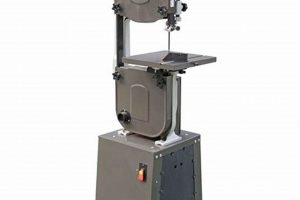
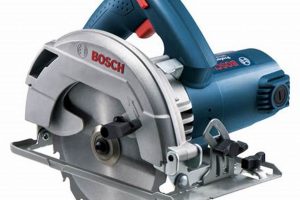
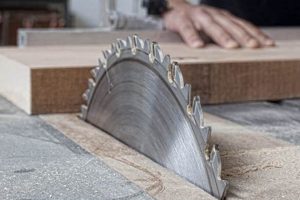
This power tool utilizes a rotating toothed disc to cut wood. It is commonly employed across diverse carpentry projects, ranging from framing and ripping boards to crosscutting materials for joinery. The machine’s portability and capacity for making quick, precise cuts make it an indispensable asset in workshops and on job sites.
The effectiveness of this tool significantly enhances project efficiency and accuracy. Its capacity to handle a broad spectrum of wood types and thicknesses contributes to its widespread adoption within both professional and amateur woodworking environments. Early iterations of this technology were manually powered, but advancements in electric motors have revolutionized its ease of use and power.
The subsequent sections will delve into the different types available, factors to consider when selecting a suitable model, essential safety precautions, and optimal techniques for achieving high-quality results.
Essential Guidance for Optimal Performance
Achieving accurate cuts and maximizing tool lifespan necessitates adherence to specific operational principles. The following tips offer guidance to enhance user experience and safety.
Tip 1: Blade Selection is Critical: Employ the correct blade for the material. Fine-toothed blades produce cleaner cuts on plywood and hardwoods, whereas fewer teeth are preferable for ripping thicker stock.
Tip 2: Maintain Blade Sharpness: A dull blade increases the risk of kickback and results in splintered edges. Regular sharpening or replacement is essential for consistent performance.
Tip 3: Secure Workpiece Stability: Always clamp the material being cut to a stable surface. This minimizes vibration and improves cut precision. Using a sawhorse or workbench is highly recommended.
Tip 4: Prioritize Personal Protective Equipment (PPE): Eye protection, hearing protection, and a dust mask are non-negotiable. Wood dust and projectiles pose significant health and safety hazards.
Tip 5: Master the Guide Fence or Rail: Utilize a guide fence or straight edge to ensure straight, accurate cuts, especially when ripping long boards. This dramatically improves consistency.
Tip 6: Avoid Forced Cuts: Let the blade do the work. Forcing the tool can overload the motor, dull the blade prematurely, and increase the likelihood of kickback.
Tip 7: Manage Cord Placement: Be mindful of the power cord’s position. Ensure it remains clear of the blade’s path to prevent accidental damage and potential electrical hazards.
Consistent application of these techniques promotes safer operation and yields superior results. By prioritizing blade maintenance, workpiece stability, and personal protection, operators can extend tool longevity and consistently achieve professional-quality cuts.
The subsequent section will address common troubleshooting issues and provide maintenance advice.
1. Blade Selection

Blade selection is a critical determinant of performance and safety when operating this equipment. The characteristics of the blade dictate the quality of the cut, the efficiency of the process, and the potential for hazards. Choosing the appropriate blade for the task and material is paramount.
- Tooth Count and Material Density
The number of teeth on a blade directly correlates with the smoothness of the cut. High tooth counts are optimal for dense materials like hardwoods and plywood, minimizing splintering. Lower tooth counts are more efficient for ripping softer woods, allowing for faster material removal. Using an inappropriate tooth count can result in tear-out, excessive heat buildup, and reduced blade lifespan.
- Blade Material and Durability
Blades are commonly constructed from high-speed steel (HSS) or carbide-tipped steel. HSS blades are less expensive but dull more quickly, making them suitable for occasional use. Carbide-tipped blades offer superior durability and heat resistance, ideal for frequent use and harder materials. Selecting a blade material appropriate for the intended application directly impacts the tool’s operational efficiency and cost-effectiveness.
- Kerf Width and Material Waste
The kerf, or width of the cut, affects material waste and the blade’s resistance to binding. A thinner kerf reduces material loss and requires less power to operate, but may be more prone to deflection. A thicker kerf provides greater stability but removes more material. The selection should consider the precision requirements of the project and the power of the tool.
- Blade Diameter and Cut Depth
The blade diameter dictates the maximum cutting depth achievable. A larger diameter enables deeper cuts but necessitates a more powerful tool. Selecting a blade diameter appropriate for the intended cut thickness ensures safe and efficient operation. Exceeding the tool’s cutting capacity can lead to motor overload and potential safety hazards.
The interplay between blade selection and equipment operation significantly impacts the outcome of any woodworking project. A judicious choice, factoring in material density, blade durability, kerf width, and blade diameter, ensures optimal performance, extends the lifespan of the tool, and promotes safer working practices.
2. Motor Power

The performance of a woodworking circular saw is intrinsically linked to its motor power. This specification, typically measured in amps or horsepower, dictates the tool’s ability to maintain consistent blade speed and torque under load. Insufficient motor power results in decreased cutting efficiency, increased risk of kickback, and potential motor damage. Conversely, adequate motor power ensures smooth, controlled cuts through various wood densities and thicknesses.
For instance, a lower-powered saw (e.g., 10-amp motor) might struggle to rip a thick hardwood board like oak, leading to stalling or a rough cut. A more powerful saw (e.g., 15-amp motor) would handle the same task with ease and precision. In construction settings, where framing lumber and plywood are routinely processed, the demands on motor power are substantial. Professional-grade saws with robust motors are therefore essential for maintaining productivity and safety. A saw with ample power also reduces operator fatigue, as it minimizes the force required to guide the tool through the material.
Understanding the relationship between motor power and the woodworking circular saws performance is crucial for selecting the appropriate tool for a given task. Matching the motor power to the anticipated workload ensures optimal cutting efficiency, minimizes safety hazards, and extends the lifespan of the equipment. Neglecting this consideration can lead to frustration, substandard results, and potential safety risks.
3. Safety Features

The integration of safety features within the design of woodworking circular saws is paramount to mitigating inherent operational risks. These features serve to protect the operator from potential injuries stemming from blade contact, material kickback, and environmental hazards.
- Blade Guards
Blade guards are physical barriers designed to shield the user from accidental contact with the rotating blade. These guards typically consist of a spring-loaded mechanism that automatically retracts as the saw is engaged with the workpiece, and then immediately covers the blade when the cut is completed. The efficacy of a blade guard hinges on its proper adjustment and maintenance. A malfunctioning or removed blade guard significantly increases the risk of injury.
- Riving Knives
A riving knife is a metal plate positioned directly behind the saw blade, maintaining the kerf (the cut made by the blade) and preventing the wood from pinching the blade. Pinching can cause kickback, a dangerous event where the saw is forcefully propelled back towards the operator. The riving knife thickness should closely match the blade’s kerf width to ensure optimal functionality. Proper alignment of the riving knife is critical; misalignment can negate its effectiveness.
- Electric Brakes
Electric brakes rapidly stop the blade’s rotation upon release of the power trigger. This feature significantly reduces the risk of injury from a spinning blade after the cut is completed. The stopping time is typically measured in seconds, with faster stopping times offering enhanced safety. The effectiveness of an electric brake can degrade over time and may require periodic maintenance or replacement.
- Dust Extraction Ports
Dust extraction ports allow for the connection of a vacuum system to remove sawdust generated during operation. This feature improves visibility of the cutting line and reduces the inhalation of potentially harmful wood dust particles. Consistent use of a dust extraction system contributes to a safer and healthier working environment. Failure to utilize dust extraction can lead to respiratory issues and obscured vision, increasing the risk of accidents.
The effective implementation and consistent use of these safety features are integral to minimizing the risks associated with woodworking circular saws. Adherence to manufacturer’s recommendations for maintenance and operation is crucial for ensuring the continued functionality and reliability of these safeguards.
4. Cut Depth

Cut depth, in the context of the woodworking circular saw, represents the maximum thickness of material the tool can effectively sever in a single pass. This parameter is a critical factor influencing the selection of an appropriate saw for specific woodworking tasks, as it directly determines the range of projects the tool can undertake.
- Blade Diameter and Maximum Cut Depth
The blade diameter is the primary determinant of the maximum cut depth. A larger diameter blade allows for a deeper cut. However, the housing and design of the woodworking circular saw limit the extent to which the blade can protrude, thus defining the effective cut depth. This limitation must align with the thicknesses of materials intended for processing to ensure clean and complete cuts.
- Adjustability Mechanisms
Many woodworking circular saws feature adjustable bases that allow the user to modify the blade’s protrusion below the base plate. This adjustability permits precise control over the cut depth, enabling adaptation to different material thicknesses and allowing for partial cuts, such as dados or grooves. The integrity and accuracy of this adjustment mechanism are essential for repeatable and precise results.
- Impact on Material Selection
The maximum cut depth dictates the range of materials that can be processed effectively. Attempting to cut materials exceeding the saw’s capacity results in incomplete cuts, increased strain on the motor, and potential safety hazards. Therefore, the anticipated material thicknesses for woodworking projects should inform the selection of a saw with an adequate cut depth.
- Bevel Cuts and Reduced Cut Depth
When executing bevel cuts, the effective cut depth is reduced due to the angled orientation of the blade. The greater the bevel angle, the smaller the remaining vertical cut depth. This reduction must be considered when planning projects involving beveled edges to ensure the saw can fully penetrate the material at the desired angle.
The relationship between blade diameter, adjustability, material selection, and bevel cutting capabilities underscores the significance of cut depth as a fundamental parameter in woodworking circular saw operation. Understanding and respecting these limitations is essential for achieving accurate, safe, and efficient results.
5. Bevel Capacity

Bevel capacity, an essential attribute of a woodworking circular saw, denotes the maximum angle to which the saw’s blade can tilt relative to the base plate, allowing for angled cuts. This capacity, typically expressed in degrees, directly influences the saw’s versatility in executing complex joinery and decorative cuts. The ability to create beveled edges is crucial for constructing miter joints, crafting angled furniture components, and producing various architectural trim details. A saw with a greater bevel capacity, such as 50 or 55 degrees, provides increased flexibility compared to models limited to 45 degrees.
The practical significance of bevel capacity is evident in numerous woodworking applications. Consider the creation of a picture frame with precisely angled corners. A saw with adequate bevel capacity ensures accurate and seamless miter joints, contributing to the frame’s structural integrity and aesthetic appeal. Similarly, in furniture making, bevel cuts are often employed to create visually appealing edge profiles or to facilitate the assembly of complex structural elements. The limitations imposed by insufficient bevel capacity can necessitate the use of alternative tools or techniques, potentially compromising precision and efficiency. For example, lacking the required bevel capacity may force a woodworker to use a hand plane to refine an angle, a process that is both time-consuming and less accurate.
Understanding the bevel capacity of a woodworking circular saw is therefore paramount for selecting a tool appropriate for the intended range of projects. While a basic saw with limited bevel capability may suffice for simple tasks, more intricate woodworking endeavors demand a tool with greater angular flexibility. Ignoring this specification can lead to project limitations, compromised results, and the need for supplementary equipment. Thus, bevel capacity stands as a key determinant of a saw’s overall utility and adaptability within a woodworking context.
6. Dust Extraction

The integration of dust extraction systems with woodworking circular saws constitutes a critical safety and efficiency measure. The operation of these saws generates substantial volumes of fine particulate matter, posing health risks and impeding visibility. Effective dust extraction mitigates these issues, contributing to a safer and more productive woodworking environment.
- Respiratory Health
Wood dust, a byproduct of sawing, is a recognized respiratory irritant and carcinogen. Inhalation of fine particles can lead to various respiratory ailments, including asthma, bronchitis, and long-term lung damage. Dust extraction systems capture airborne particles at the source, significantly reducing worker exposure and safeguarding respiratory health. Professional woodworking environments mandate dust extraction to comply with occupational safety regulations and protect employee well-being.
- Visibility and Precision
Accumulation of sawdust on the workpiece obscures the cutting line, hindering accurate cuts and increasing the risk of errors. Dust extraction systems remove debris from the immediate vicinity of the blade, ensuring clear visibility and facilitating precise operation. This is particularly crucial for intricate cuts and detailed woodworking tasks. Improved visibility translates to enhanced accuracy and reduced material waste.
- Equipment Longevity
The accumulation of dust within the woodworking circular saw mechanism can lead to premature wear and tear on moving parts. Dust particles can infiltrate bearings, gears, and motor components, causing friction and reducing operational efficiency. Dust extraction systems minimize dust buildup, extending the lifespan of the saw and reducing maintenance requirements. Regular dust removal prevents overheating and ensures optimal performance.
- Cleanliness and Safety
Uncontrolled sawdust accumulation creates a slip hazard and increases the risk of fire. Dust extraction systems maintain a cleaner working environment, reducing these hazards and promoting a safer workspace. A clean shop is also a more organized and efficient shop, contributing to overall productivity and reducing the risk of accidents. Efficient dust control also minimizes the spread of dust to other areas, preserving air quality within the broader facility.
The implementation of effective dust extraction strategies is therefore integral to the safe, efficient, and sustainable operation of woodworking circular saws. By mitigating health risks, enhancing visibility, preserving equipment longevity, and promoting a cleaner workspace, dust extraction contributes significantly to the overall quality and safety of woodworking practices.
Frequently Asked Questions
The following addresses common inquiries regarding the selection, operation, and maintenance of woodworking circular saws. The aim is to provide concise, factual answers to enhance understanding and promote safe, efficient usage.
Question 1: What is the optimal blade type for cutting plywood with a woodworking circular saw?
For plywood, a blade with a high tooth count (typically 60-80 teeth) and an alternate top bevel (ATB) grind is recommended. This configuration minimizes splintering and produces a cleaner cut on the veneer layers.
Question 2: How often should the blade be sharpened on a woodworking circular saw?
Blade sharpening frequency depends on usage intensity and the type of wood being cut. As a general guideline, blades should be sharpened when cutting performance noticeably diminishes, requiring increased force or resulting in rough cuts. Visual inspection for chipped or damaged teeth is also advised.
Question 3: What safety precautions are essential when using a woodworking circular saw?
Essential safety precautions include wearing appropriate eye and ear protection, securing the workpiece with clamps, ensuring the blade guard is functional, using a push stick when necessary, and avoiding loose clothing or jewelry. A clear understanding of kickback prevention techniques is also crucial.
Question 4: Can a woodworking circular saw be used to cut materials other than wood?
While primarily designed for wood, a circular saw can cut other materials with the appropriate blade. Blades designed for metal, plastic, or masonry are available and must be selected based on the specific material properties. Using an incorrect blade can damage the saw, the material, and pose a safety hazard.
Question 5: What is the significance of the riving knife on a woodworking circular saw?
The riving knife is a crucial safety component designed to prevent kickback. It maintains the kerf (the cut made by the blade) open, preventing the wood from pinching the blade. This reduces the likelihood of the saw being forcefully propelled back towards the operator.
Question 6: How should a woodworking circular saw be stored to prolong its lifespan?
Proper storage involves cleaning the saw after each use, removing sawdust and debris. The blade should be protected from moisture and impact. Storing the saw in a dry, secure location prevents corrosion and accidental damage.
Understanding these factors is key to maximizing the utility and safety of circular saws, leading to enhanced productivity and project quality.
The subsequent section will present advanced techniques for utilizing the woodworking circular saw.
In Conclusion
This exposition has detailed critical facets of the woodworking circular saw, from blade selection and motor power to essential safety features and cut depth considerations. The versatile tool’s bevel capacity and the necessity of dust extraction were also examined, underscoring their impact on project outcomes and operator well-being. A thorough understanding of these elements is paramount for safe and effective utilization.
Proficient application of the information presented enhances project precision, minimizes risk, and extends equipment longevity. Diligent adherence to safety protocols, coupled with informed decision-making, promotes a productive and secure woodworking practice. Further exploration of advanced techniques and ongoing maintenance ensures continuous improvement in the craft.