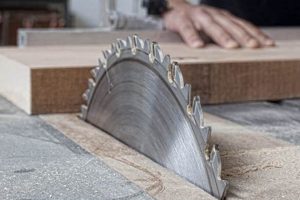
This specialized hand tool features a thin, narrow blade stretched taut within a frame. It is primarily utilized for intricate cutting tasks, particularly curves, scrolls, and other non-linear shapes in wood. An example includes creating precisely shaped joints or decorative elements.
Its value lies in providing control and maneuverability in situations where power tools are impractical or unsuitable. Historically, its existence has enabled craftsmen to produce elaborate designs, contributing significantly to the aesthetic quality of wood-based projects. Its benefits are precision, versatility, and suitability for detailed work.
The subsequent sections will delve into specific applications, proper usage techniques, blade selection, and maintenance procedures associated with this essential tool for woodworking.
Coping Saw Techniques for Optimal Woodworking Results
The following guidance is provided to enhance the precision and efficiency of cutting using this tool. Employing these methods will improve the quality and consistency of completed woodworking projects.
Tip 1: Secure Workpiece Firmly: Prior to commencing any cut, ensure the material is adequately fastened to a workbench or similar stable surface. This minimizes vibration and potential for inaccurate cuts. A clamp is an effective method for achieving this stability.
Tip 2: Select Appropriate Blade: Blade selection should correspond to the material type and cut complexity. Finer blades are suitable for intricate curves, while coarser blades are better for thicker stock and straighter cuts. Experimentation with different tooth counts is encouraged.
Tip 3: Maintain Proper Blade Tension: Consistent blade tension is crucial for accurate cuts and preventing blade breakage. Periodically check and adjust tension as needed. A properly tensioned blade will produce a clear, resonant tone when plucked.
Tip 4: Utilize Correct Cutting Angle: Apply gentle, consistent pressure during the cut, guiding the blade along the intended line. Avoid forcing the blade, as this can lead to bending or snapping. The ideal angle depends on the wood type and blade sharpness.
Tip 5: Employ a Relief Cut Strategy: For complex curves, make strategic relief cuts to remove waste material and reduce binding. This allows for smoother maneuverability and prevents the blade from getting stuck. Plan relief cuts before starting the main cut.
Tip 6: Rotate the Saw Frame, Not the Workpiece: When navigating tight curves, it is more efficient to rotate the saw frame while keeping the workpiece relatively stationary. This provides better control and reduces the risk of splintering.
Tip 7: Wax the Blade: Apply a thin coat of wax to the blade. The wax can reduce friction between the blade and the wood, making cutting smoother and easier. Beeswax or specialized saw wax are acceptable.
Tip 8: Practice Controlled Strokes: Execute even, controlled strokes. Avoid rapid, jerky movements. Short, deliberate strokes are generally more effective for intricate work than long, forceful ones.
Mastering these techniques maximizes the performance of this tool, enabling the creation of high-quality, detailed woodwork. Consistent application of these principles will minimize errors and enhance the final product.
The following section will discuss common errors, and troubleshooting techniques.
1. Intricate Cuts

The fundamental purpose of this tool in woodworking is to execute intricate cuts. The design, specifically the thin, narrow blade and adjustable frame, directly enables the creation of shapes and patterns that would be difficult or impossible with other sawing methods. The relationship between the tool and intricate cuts is one of cause and effect: the tool’s unique design facilitates the production of complex curves, detailed patterns, and internal cutouts that define intricate woodworking projects. A prime example is the crafting of Queen Anne furniture legs, where the tool precisely follows the curved profile to achieve the desired aesthetic. The ability to produce precise intricate cuts is a defining characteristic and an indispensable aspect of the tool’s utility.
The application of this tool to intricate cuts extends beyond furniture making. Musical instrument construction, particularly in crafting soundholes and decorative inlays, relies heavily on this tool for precision. Furthermore, architectural model building and fine art wood carving frequently employ it to achieve detailed and accurate representations. Consider, for instance, the recreation of historical architectural details in miniature; this tool allows for the meticulous shaping of small components, preserving the fidelity of the original design. This makes it an invaluable asset where detail is paramount.
In summary, intricate cuts are not merely an application of the tool; they are integral to its function and purpose. Understanding this connection is crucial for any woodworker seeking to leverage its full potential. The challenges of achieving intricate cuts, such as blade wandering or tear-out, can be mitigated through proper technique and careful blade selection, reinforcing the importance of skill development. Mastering this ability opens a wide range of creative possibilities. The concept serves as a cornerstone for understanding the broad applications of the tool in woodworking.
2. Blade Tension

Blade tension is a critical factor governing the performance of this tool. Inadequate tension leads to blade wandering, resulting in inaccurate cuts and compromised workpiece quality. Excessive tension, conversely, elevates the risk of blade breakage and frame damage. The relationship is causal: proper tension directly translates to control and precision, while improper tension yields unsatisfactory results. As a core component, optimal blade tension dictates the effectiveness and usability of the entire tool. A real-life example is evident when cutting intricate dovetail joints; insufficient tension prevents the blade from maintaining a true line, thereby compromising the integrity of the joint. Thus, the understanding of blade tension is of practical significance, influencing the final outcome of any woodworking endeavor utilizing this tool.
The practical implications of maintaining correct tension extend to blade longevity and user safety. A blade operating under the correct tension experiences reduced stress, minimizing the likelihood of premature failure. Additionally, a blade that is neither too loose nor too tight provides tactile feedback to the user, enabling better control and reducing the risk of accidents. The selection of an appropriate blade material further influences tension requirements; higher carbon steel blades, for instance, may tolerate greater tension compared to softer alloy variants. Precise tension also facilitates efficient chip removal, preventing the blade from binding within the kerf. Furthermore, consistent tension is crucial when employing spiral blades, where uniform stress distribution contributes to their omnidirectional cutting capabilities.
In summary, blade tension is not merely a setting; it is a fundamental parameter affecting precision, blade lifespan, user safety, and overall project quality when using this tool. Addressing tension-related challenges through proper adjustment and blade selection is crucial for achieving optimal results. Understanding this relationship is essential for maximizing the tool’s potential and minimizing the risk of errors or accidents. The principle serves as an essential element for ensuring the tool’s proper performance in a wide range of applications.
3. Frame Rotation
Frame rotation is an inherent function directly correlated with the utility of this specialized saw. The design, incorporating a ‘C’ shaped frame, allows the blade to be oriented at various angles relative to the handle. This facilitates the execution of curved cuts and intricate patterns without requiring the workpiece to be constantly repositioned. Frame rotation, therefore, directly affects maneuverability and cutting efficiency. Without this feature, the saw’s capacity for detailed work would be severely limited. An example includes cutting internal corners or navigating tight radii; frame rotation enables the blade to maintain continuous contact with the material along the intended cut line. This principle is fundamental to the tool’s operation.
The ability to rotate the frame also allows for more ergonomic operation. Rather than contorting the body or workpiece to accommodate the cut, the user can adjust the blade angle for a more comfortable and controlled sawing motion. This is particularly important when working on large or awkwardly shaped pieces. Frame rotation further permits the user to access areas that would otherwise be obstructed by the frame itself. The technique enhances precision by minimizing the need to stop and restart cuts, which can introduce imperfections. The effectiveness of frame rotation is further enhanced through the application of proper sawing technique, including maintaining consistent blade tension and employing smooth, controlled strokes.
In summary, frame rotation is not merely an auxiliary feature; it is an integral aspect of the functionality and design philosophy of this saw. Mastery of frame rotation techniques is essential for realizing its full potential. Challenges related to frame rotation, such as accidental blade slippage or frame interference, can be addressed through proper technique and appropriate tool selection. Understanding the interplay between frame rotation, blade tension, and cutting technique is crucial for achieving accurate and efficient results. This integrated understanding serves as a cornerstone for maximizing the value of the tool in various woodworking applications.
4. Relief Cuts

Relief cuts are an integral technique for effective employment of this specialized saw in woodworking. The process involves strategically removing waste material around a cut line to alleviate pressure and prevent binding, thereby facilitating smoother and more controlled sawing. Understanding the role and application of relief cuts is essential for achieving accurate results, especially when navigating tight curves or intricate patterns.
- Preventing Blade Binding
Blade binding occurs when the kerf closes in on the blade during cutting, increasing friction and making the saw difficult to maneuver. Relief cuts create space for the blade, minimizing friction and allowing for smoother progression through the material. In situations involving tight curves, the wood behind the blade naturally compresses, causing binding if not addressed with relief cuts. These prevent excessive force and potential blade breakage.
- Facilitating Intricate Designs
Intricate designs often involve tight curves and sharp corners. Relief cuts enable this tool to follow these intricate lines without excessive stress on the blade or the wood. For example, when creating a complex scrollwork pattern, small relief cuts made perpendicular to the cut line allow the blade to turn more freely, preserving the integrity of the design. Without relief cuts, such designs would be exceedingly difficult to execute accurately.
- Enhancing Cutting Precision
By reducing binding and friction, relief cuts enhance the overall precision of cuts. The user can maintain better control over the blade, resulting in cleaner lines and reduced risk of error. When crafting precise joints, such as dovetails, relief cuts can be used to remove waste material from the pin or tail sockets, ensuring a tight and accurate fit. The enhancement of control provided by relief cuts minimizes the need for rework and improves the final quality.
- Optimizing Blade Longevity
Excessive force resulting from blade binding can cause premature wear and breakage. Relief cuts minimize this stress, extending the usable life of the blade. When working with hardwoods, which tend to be more prone to binding, relief cuts become particularly important for preserving blade integrity. The investment in time required to make relief cuts is often offset by the reduction in blade replacements and the improved overall efficiency of the sawing process.
These facets highlight the critical role of relief cuts in optimizing the performance of this tool, particularly when tackling complex or delicate woodworking projects. The judicious application of this technique not only enhances precision and control but also contributes to the longevity of the blade and the overall quality of the finished product. The relationship between relief cuts and this specialized saw represents a synergistic approach to achieving superior woodworking results.
5. Joint Preparation

Accurate joint preparation is a cornerstone of strong and aesthetically pleasing woodworking, and this tool plays a crucial role in achieving precise fits. Its unique capabilities enable the creation of complex joint geometries and the fine-tuning of existing joints for optimal performance.
- Creating Coped Joints
The tool is aptly named for its primary use in creating coped joints, particularly in situations where achieving a perfect miter is impractical or impossible. A coped joint involves shaping one piece to precisely match the profile of another, allowing for a seamless fit even when angles are not perfectly square. This is commonly seen in the installation of trim or molding, where walls and ceilings may deviate from true right angles. Coped joints offer greater tolerance for movement and are less prone to opening up over time compared to mitered joints.
- Fine-Tuning Dovetail Joints
While dovetail joints are typically cut using other methods, this tool can be invaluable for fine-tuning the fit of hand-cut dovetails. It allows for the precise removal of small amounts of material, ensuring a tight and gap-free joint. This is particularly useful when working with hardwoods or when slight errors occur during the initial cutting process. Careful and deliberate use of this tool can elevate the quality and strength of dovetail joinery.
- Preparing Mortise and Tenon Joints
Although not the primary tool for creating mortise and tenon joints, this tool can be employed to clean up the mortise or refine the tenon cheek. It is effective for removing small amounts of material to achieve a precise fit, particularly in situations where the mortise is slightly undersized or the tenon is slightly oversized. This ensures that the joint is both strong and visually appealing.
- Creating Scarf Joints
Scarf joints, used to join two pieces of wood end-to-end to create a longer piece, can benefit from the use of this tool for precise shaping. When creating a feathered scarf joint, where the ends are shaped to interlock, this saw allows for the accurate removal of material to create a seamless and structurally sound connection. The ability to follow intricate curves is crucial in achieving a strong and visually appealing scarf joint.
These examples demonstrate how this tool enhances the precision and versatility of joint preparation in woodworking. Its capacity for creating coped joints, fine-tuning dovetails, preparing mortise and tenons, and shaping scarf joints makes it a valuable asset in any woodworking shop where meticulous craftsmanship is valued.
6. Decorative Detailing

The execution of decorative detailing in woodworking is frequently facilitated by the unique capabilities of this tool. Its maneuverability and precision allow for the creation of intricate embellishments and ornamental features that would be challenging or impossible to achieve with other methods.
- Scrollwork and Fretwork
This saw excels at creating scrollwork and fretwork, characterized by complex, interwoven patterns and open spaces. The thin blade allows for tight turns and intricate cuts, enabling the creation of delicate and visually striking designs. Historical examples include the decorative panels found on Victorian-era furniture and architectural elements. The saw’s ability to accurately follow curved lines is essential for replicating these complex patterns.
- Shaping Contoured Edges
Decorative edges, such as ogees, coves, and lamb’s tongues, can be shaped using this tool, particularly in situations where a router is impractical or unavailable. The saw allows for the gradual removal of material, enabling the creation of smooth and flowing curves. This technique is often employed in the creation of custom moldings and trim. Careful sanding and shaping are typically required to refine the sawed edge.
- Creating Inlays and Marquetry
The precise cutting action of this tool makes it suitable for creating inlays and marquetry, where small pieces of wood or other materials are fitted into a contrasting background. The ability to cut clean and accurate shapes is essential for achieving a seamless and visually appealing result. Examples include decorative elements in musical instruments or fine furniture. The process requires meticulous attention to detail and precise measurements.
- Relief Carving Preparation
While not a carving tool itself, it can be used to prepare the groundwork for relief carving. By removing excess material around the design, the carver can focus on shaping the remaining wood with chisels and gouges. This technique speeds up the carving process and allows for greater control over the final result. The saw enables the removal of waste material without damaging the surrounding areas. Examples can be seen in custom headboards.
These applications illustrate the versatility of this tool in the realm of decorative detailing. Its capacity for creating scrollwork, shaping edges, crafting inlays, and preparing surfaces for carving contributes significantly to the aesthetic value and craftsmanship of woodworking projects. While skill and practice are essential for achieving optimal results, the tool provides a means to execute intricate designs with a level of precision that enhances the overall quality of the finished piece.
Frequently Asked Questions
The following addresses common queries regarding the selection, application, and maintenance of this specialized tool in woodworking.
Question 1: What distinguishes this tool from other saws?
This specialized hand tool is distinguished by its thin, narrow blade held under tension in a ‘C’ shaped frame. This design enables it to execute curved and intricate cuts, unlike larger saws that are primarily suited for straight lines.
Question 2: What factors dictate appropriate blade selection?
Material hardness, cut complexity, and desired finish quality influence the ideal blade choice. Finer blades with higher teeth-per-inch (TPI) counts are preferable for intricate curves in hardwoods, while coarser blades are suitable for softer woods and straighter cuts.
Question 3: How is proper blade tension determined?
Optimal blade tension is achieved when the blade exhibits minimal deflection under moderate pressure and produces a clear, high-pitched tone when plucked. Excessive tension can lead to blade breakage, while insufficient tension results in inaccurate cuts.
Question 4: What techniques mitigate blade wandering during use?
Maintaining consistent blade tension, employing a firm grip, and guiding the saw with smooth, controlled strokes minimize blade wandering. Strategic relief cuts are essential when navigating tight curves to prevent binding.
Question 5: How is the tool maintained to ensure longevity and performance?
Regular cleaning of the blade with a wire brush removes debris and prevents rust. Periodic application of lubricant reduces friction and enhances cutting efficiency. Inspect the frame for damage and ensure the blade is properly aligned and tensioned before each use.
Question 6: What safety precautions should be observed?
Securely fasten the workpiece to a stable surface. Wear appropriate eye protection to guard against flying debris. Maintain a firm grip on the handle and avoid applying excessive force, which can cause the blade to snap. Keep fingers clear of the cutting path.
Mastering the coping saw requires practice and a thorough understanding of its capabilities and limitations. Careful blade selection, proper technique, and diligent maintenance are crucial for achieving optimal results.
The succeeding section will explore advanced techniques and troubleshooting strategies to address common challenges encountered when using this essential woodworking tool.
Concluding Remarks
The preceding analysis has detailed the multifaceted nature and utilization of this specialized hand tool. It has underscored its importance in achieving intricate cuts, maintaining proper blade tension, utilizing frame rotation effectively, employing relief cuts strategically, preparing accurate joints, and executing fine decorative detailing. Each of these elements contributes to the tool’s overall effectiveness in woodworking projects requiring precision and control.
Continued exploration and refinement of the techniques associated with the coping saw will undoubtedly lead to further innovation and enhanced craftsmanship. As woodworking continues to evolve, mastery of this tool remains a valuable asset for artisans seeking to create pieces that are both structurally sound and aesthetically compelling.