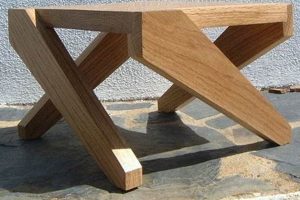
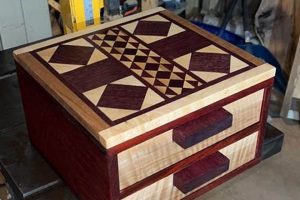
The creation of functional and decorative items from wood, intended for residential use, encompasses a wide range of activities. Examples include building shelves, crafting tables, constructing bed frames, and producing decorative items such as wooden bowls or picture frames. These activities involve shaping, joining, and finishing wood to create useful or aesthetically pleasing additions to a dwelling.
Engaging in these activities provides practical and aesthetic advantages. Functionally, custom-built items can optimize space utilization and meet specific needs within a home. Aesthetically, handcrafted wooden pieces can add character and warmth, enhancing the overall interior design. Historically, woodworking has been a fundamental skill across cultures, providing essential household items and reflecting regional artistic traditions.
The following sections will delve into various aspects related to these crafts, including project planning, tool selection, wood types, joinery techniques, finishing methods, and safety considerations. These elements are crucial for successfully executing a broad array of practical and decorative enhancements for living spaces.
Essential Guidance
Considerations for successfully implementing wood-based enhancements to residential spaces require careful planning and execution. The following advice offers valuable insights.
Tip 1: Design Thoroughly: Prior to commencing any build, create detailed plans. Accurate measurements and a clear understanding of the project’s dimensions are vital for minimizing errors and material waste. Include cut lists and assembly diagrams.
Tip 2: Select Appropriate Materials: Different wood species possess varying characteristics in terms of hardness, grain patterns, and suitability for different applications. Research and choose wood that aligns with the project’s structural and aesthetic requirements. Consider moisture content to prevent warping or cracking.
Tip 3: Utilize Precise Joinery: Strong and accurate joints are paramount for the longevity and stability of the finished product. Mortise and tenon, dovetail, and dado joints offer robust connections. Employ appropriate adhesives and fasteners to reinforce the joint.
Tip 4: Invest in Quality Tools: Sharp, well-maintained tools are essential for achieving clean cuts and precise shaping. Dull tools can lead to inaccurate work and increased risk of injury. Regularly sharpen blades and maintain tool functionality.
Tip 5: Sand Methodically: A smooth surface finish enhances the aesthetic appeal and durability of the item. Employ a progressive sanding process, starting with coarser grits and gradually moving to finer grits. Sand with the grain to avoid visible scratches.
Tip 6: Apply Finish Correctly: Select a finish that provides adequate protection against moisture, scratches, and UV damage. Consider the desired aesthetic, such as a natural look or a colored stain. Apply the finish evenly, following the manufacturer’s instructions. Multiple thin coats are generally preferable to a single thick coat.
Tip 7: Prioritize Safety: Always wear appropriate personal protective equipment, including safety glasses, hearing protection, and a dust mask. Operate power tools safely and follow all safety guidelines. Maintain a clean and organized workspace to prevent accidents.
Careful attention to these points promotes durability, aesthetic appeal, and a higher likelihood of successful project completion. Planning, selecting the right materials, accurate assembly, and safety practices are all important.
The subsequent section will address specific project ideas and designs suitable for a variety of skill levels and residential environments.
1. Functionality

Functionality is a cornerstone in woodworking projects for the home, dictating the utility and purpose of a crafted item within its intended environment. The effectiveness of a woodworking project is directly proportional to how well it serves a practical need or enhances the usability of a space. Without a clear functional objective, a woodworking creation becomes merely decorative, potentially failing to justify the resources invested in its construction. For example, custom-built shelving is designed to maximize storage efficiency in a pantry, while a handcrafted dining table provides a stable surface for meals and social gatherings. The success of both projects hinges on their ability to fulfill their intended functions reliably and durably.
Understanding the relationship between functionality and design is critical. A functionally sound woodworking project must integrate seamlessly into its environment, fulfilling its purpose without creating inconvenience or inefficiency. Consider a poorly designed workbench; if its height is incorrect, or its storage inadequate, it impedes the user’s ability to perform tasks effectively. Conversely, a well-designed workbench, tailored to the user’s height and equipped with accessible tool storage, significantly enhances productivity and reduces physical strain. Prioritizing functional design ensures that the finished piece contributes positively to the user’s daily life, rather than becoming a source of frustration.
In conclusion, functionality serves as both the foundation and guiding principle for all woodworking endeavors aimed at improving the home. It necessitates a comprehensive understanding of the user’s needs, the intended purpose of the crafted item, and the spatial constraints of the living environment. By prioritizing functionality throughout the design and construction process, woodworkers can create pieces that are not only aesthetically pleasing but also practical, durable, and integral to the daily routines of the household, resulting in lasting value and satisfaction.
2. Aesthetics

Aesthetics play a vital role in woodworking projects intended for residential environments, influencing the visual appeal and overall harmony of a home’s interior. These crafted elements contribute significantly to the ambience and perceived quality of living spaces.
- Wood Grain and Texture
The inherent grain patterns and textures of various wood species significantly influence the aesthetic character of a project. For instance, the pronounced grain of oak imparts a rustic and traditional feel, while the finer grain of cherry offers a more refined and elegant appearance. Selection of wood based on its inherent visual qualities is crucial for achieving the desired aesthetic outcome. Example: A walnut dining table chosen for its rich color and distinctive grain pattern creates a focal point in the dining room, enhancing the room’s visual interest.
- Form and Proportion
The overall shape and dimensions of a woodworking project contribute substantially to its visual appeal. Well-proportioned designs create visual balance and harmony, while poorly designed forms can appear awkward or unappealing. Consideration of scale relative to the surrounding environment is essential. Example: A tall, slender bookshelf complements a room with high ceilings, while a squat, bulky bookshelf may appear out of place in a smaller space.
- Finish and Color
The application of stains, paints, or clear finishes dramatically alters the aesthetic characteristics of a woodworking project. Color choices can complement existing dcor, create contrast, or evoke specific moods. Finish selection impacts the wood’s luster and texture, ranging from matte to high-gloss. Example: A brightly painted coffee table can inject a pop of color into a neutral living room, while a clear finish allows the natural beauty of the wood grain to shine through.
- Joinery and Detailing
The visible aspects of joinery techniques, such as dovetails or mortise-and-tenon joints, can add aesthetic interest to a woodworking project. Deliberate detailing, such as chamfered edges or carved accents, can further enhance the piece’s visual appeal. These elements demonstrate craftsmanship and attention to detail. Example: Exposed dovetail joints on a drawer front showcase the skill of the woodworker and add a touch of artisanal character.
These aesthetic components are intertwined and contribute to the overall visual impact of these crafts in residential spaces. Thoughtful consideration of these facets allows woodworkers to create functional items that also enhance the beauty and comfort of the home.
3. Durability

The longevity and resistance to wear are paramount considerations in the execution of woodworking projects intended for the home. The structural integrity and lasting aesthetic appeal of these endeavors hinge on their ability to withstand daily use and environmental factors.
- Material Selection
The inherent properties of different wood species directly influence the durability of a completed project. Hardwoods, such as oak, maple, and cherry, offer superior resistance to dents, scratches, and abrasion compared to softwoods like pine or fir. The choice of wood should align with the intended use and anticipated levels of wear. Example: A kitchen countertop crafted from maple is more resistant to knife marks and spills than one constructed from pine.
- Joinery Techniques
The method of joining wood components significantly impacts the structural stability and long-term durability of a project. Robust joinery techniques, such as mortise and tenon, dovetail, and dado joints, create stronger and more resilient connections compared to simpler methods like butt joints or basic screw connections. Example: A bed frame utilizing mortise and tenon joints is better equipped to withstand repeated stress and movement than one assembled with screws alone.
- Finishing and Protection
The application of appropriate finishes provides a protective barrier against moisture, UV radiation, and physical damage, thereby extending the lifespan of a woodworking project. Durable finishes, such as polyurethane or varnish, offer superior protection compared to simpler options like wax or oil. Example: A wooden outdoor bench coated with a marine-grade varnish is more resistant to weathering and decay than an unfinished bench.
- Construction Practices
Adherence to sound construction principles, including proper wood acclimation, precise measurements, and careful assembly, is crucial for ensuring the durability of a woodworking project. Neglecting these practices can lead to warping, cracking, or structural failure over time. Example: Properly drying lumber before use minimizes the risk of warping or shrinkage after the project is completed.
These interlinked factors collectively determine the resilience of woodworking projects designed for the home. Prioritizing material quality, employing robust joinery, applying protective finishes, and adhering to sound construction methods are critical for maximizing the lifespan and utility of these creations.
4. Space Optimization

Effective utilization of available area is a primary consideration in residential design, and woodworking projects offer tailored solutions for maximizing space efficiency. Custom-built furnishings and storage systems can address specific spatial limitations and needs within a home, improving organization and functionality.
- Custom Shelving Units
Bespoke shelving allows for the creation of storage solutions precisely fitted to the dimensions of a room or alcove. This eliminates wasted space often associated with prefabricated units and allows for vertical utilization of walls, particularly in small apartments or homes with limited floor area. Example: A custom-built bookshelf designed to fit around a window frame maximizes storage potential in a small study.
- Multi-Functional Furniture
Woodworking facilitates the creation of furniture pieces that serve multiple purposes, such as a coffee table with built-in storage drawers or a Murphy bed integrated into a wall unit. These designs reduce the need for separate pieces of furniture, freeing up valuable floor space. Example: A storage ottoman constructed with a hinged lid provides seating and concealed storage for blankets or toys.
- Built-In Storage Solutions
Integrated storage, such as window seats with storage compartments or custom-fitted closets, maximizes available space by utilizing previously underutilized areas. These solutions can be tailored to specific storage needs and blend seamlessly with the existing architecture of the home. Example: A custom-built closet system with adjustable shelves and hanging rods optimizes storage capacity in a small bedroom.
- Fold-Away Furniture
Woodworking allows for the construction of furniture that can be easily folded or stowed away when not in use, such as folding tables or chairs. This is particularly useful in small spaces where furniture needs to be easily adaptable for different purposes. Example: A wall-mounted folding desk provides a workspace that can be quickly concealed when not required.
The integration of these space-optimizing woodworking projects contributes to a more organized, efficient, and comfortable living environment. By tailoring designs to specific spatial constraints and needs, homeowners can maximize the utility and enjoyment of their homes, even within limited square footage.
5. Cost-Effectiveness

The economic advantages of engaging in woodworking projects for the home manifest through multiple avenues. Initially, constructing furniture or storage solutions independently can reduce expenses compared to purchasing comparable items from retail outlets. This cost differential arises from the elimination of retail markups and the capacity to source materials directly. For instance, a custom-built bookcase, utilizing lumber purchased wholesale, may cost significantly less than a similar model from a furniture store. The initial investment in tools represents a fixed cost; however, subsequent projects benefit from this prior expenditure, further diminishing individual project costs.
Material selection plays a critical role in managing project expenses. Employing readily available and less expensive wood species, such as pine or fir, can substantially reduce material costs compared to using premium hardwoods like cherry or walnut. Similarly, utilizing reclaimed lumber or sourcing materials from local suppliers can offer additional savings. Skillful planning and precise measurements minimize material waste, contributing to overall cost efficiency. Consider a homeowner constructing a garden planter using reclaimed wood pallets; the material cost is negligible, and the resulting planter is both functional and aesthetically appealing.
In summary, the pursuit of woodworking projects for the home can provide significant economic benefits through reduced purchase costs, strategic material sourcing, and efficient planning. While requiring an initial investment in tools and demanding a degree of skill, these projects offer a viable alternative to retail purchases and empower individuals to create custom solutions tailored to their specific needs and budgets. Challenges, such as time commitment and the learning curve associated with new skills, must be weighed against the potential cost savings and the satisfaction of creating unique, handcrafted items. The correlation between cost-effectiveness and these crafts underscores their enduring appeal in residential improvement and personalization.
6. Skill Level

The degree of proficiency in woodworking directly influences the feasibility and success of projects undertaken for the home. Novice woodworkers typically begin with simple constructions, such as basic shelves or small tables, to develop fundamental skills in measuring, cutting, and assembling wood. These projects minimize complexity, reducing the likelihood of errors and promoting confidence. Conversely, attempting intricate designs or advanced joinery techniques without adequate experience can lead to frustration, material waste, and unsatisfactory results. Therefore, a clear understanding of one’s skill level is paramount for selecting projects that are both achievable and rewarding. For example, a beginner attempting to build a dovetail jointed drawer without prior experience would likely encounter significant challenges, whereas a simpler butt jointed drawer would be a more appropriate starting point.
As skill level progresses, woodworkers can tackle increasingly complex projects. Intermediate skills may involve crafting larger furniture pieces, incorporating more intricate joinery methods, and applying various finishing techniques. Advanced skills enable the creation of elaborate designs, custom cabinetry, and complex woodworking artistry. The selection of appropriate tools also correlates with skill level; beginners often start with basic hand tools, while experienced woodworkers utilize power tools and specialized equipment to enhance efficiency and precision. Consider a woodworker constructing a custom kitchen island; this project demands advanced planning, precise cutting, and intricate assembly, necessitating a high level of skill and experience.
In summary, the alignment between skill level and project complexity is a critical determinant of success in woodworking endeavors for the home. Accurate self-assessment and a gradual progression from simple to more challenging projects foster skill development, minimize risks, and maximize satisfaction. Understanding the relationship ensures that projects are not only functional and aesthetically pleasing but also contribute to the ongoing learning and growth of the woodworker. The challenge lies in realistically evaluating one’s capabilities and selecting projects that provide both opportunity for growth and a reasonable expectation of success, thereby fostering a sustainable and enjoyable woodworking practice.
Frequently Asked Questions
The following questions address common inquiries regarding undertaking woodworking projects for the home, providing clarity and guidance for successful implementation.
Question 1: What are the essential tools required for initiating basic woodworking projects?
A foundation in woodworking necessitates a minimal set of hand tools, including a hand saw, measuring tape, combination square, wood chisel, and a smoothing plane. Power tools, such as a drill and sander, can enhance efficiency but are not strictly essential for initial projects.
Question 2: What wood species are recommended for beginner woodworking projects?
Softwoods, such as pine and fir, are generally recommended for beginners due to their relative affordability and ease of workability. These species are less dense than hardwoods, making them easier to cut, shape, and fasten.
Question 3: What safety precautions should be observed when working with woodworking tools?
Adherence to safety protocols is paramount. Protective eyewear, hearing protection, and dust masks are mandatory when operating power tools. A well-ventilated workspace minimizes the risk of inhaling sawdust and fumes. Secure workpieces properly to prevent movement during cutting or shaping.
Question 4: What are common joinery methods suitable for home woodworking projects?
Butt joints, lap joints, and rabbet joints are straightforward joinery techniques appropriate for basic woodworking projects. These methods are relatively easy to execute and provide adequate strength for many applications.
Question 5: What are effective methods for finishing woodworking projects to protect the wood and enhance its appearance?
Various finishing options exist, including varnishes, stains, and sealants. Selecting a finish appropriate for the intended use is critical. Surface preparation, including sanding and cleaning, is essential for achieving a smooth and uniform finish. Multiple thin coats are generally preferable to a single thick coat.
Question 6: How can woodworking projects be designed to maximize space utilization in a home?
Custom shelving units, built-in storage solutions, and multi-functional furniture are effective strategies for optimizing space. Precise measurements and careful planning are essential for creating designs that seamlessly integrate into the existing environment.
These questions serve as a foundational guide, ensuring a more informed and safer approach to these crafts. Awareness of suitable materials, basic construction techniques, essential tools, and woodworking practices increases the likelihood of successful completion.
The following section will consider design considerations for specific areas of the home.
Conclusion
The preceding exploration has illuminated essential aspects of woodworking projects for the home. From initial design considerations and material selection to joinery techniques and finishing methods, each element contributes to the functionality, aesthetics, and durability of completed pieces. The significance of aligning project complexity with individual skill level has also been underscored, promoting both successful outcomes and continued skill development. Space optimization and cost-effectiveness serve as additional guiding principles, enabling efficient resource allocation and enhanced living environments.
Effective implementation of these crafts, however, demands diligent planning, rigorous safety protocols, and a commitment to continuous learning. The potential for creating custom, functional, and aesthetically pleasing enhancements for the home remains substantial. The ongoing integration of innovative techniques and sustainable practices will continue to shape the landscape of woodworking, ensuring its relevance in the realm of residential improvement.