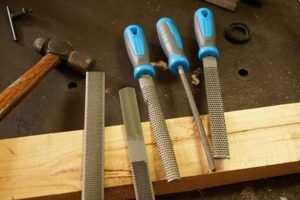
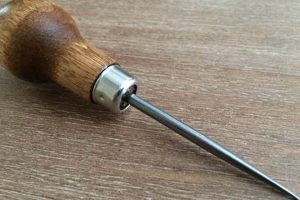
A specialized sale event offers a variety of implements and equipment utilized in the craft of shaping wood. These events provide a marketplace for both seasoned artisans and hobbyists to acquire instruments ranging from antique hand planes to modern power saws. The sale may feature individual pieces, entire workshops, or collections amassed over decades.
These events serve a vital function in circulating valuable resources within the woodworking community. They allow for the redistribution of equipment, ensuring tools are put to use rather than remaining idle. They can also provide opportunities to acquire rare or vintage items, contributing to the preservation of historical artifacts and techniques. In many cases, prices are lower than retail, making them an attractive option for budget-conscious buyers.
This platform enables individuals to secure necessary items, contributing to the continuation and enrichment of the woodworking traditions. The following sections will delve into strategies for successful participation, including preparation, bidding tactics, and post-purchase considerations.
Successful participation requires careful planning and execution. Knowledge of the tools, market values, and bidding strategies are crucial for achieving desired outcomes.
Tip 1: Conduct Thorough Research. Prior to attending, research the specific items to be offered. Determine their market value through online resources, catalogs, and previous auction results. Understanding the condition of similar items and their typical selling prices is crucial.
Tip 2: Inspect Items Carefully. When possible, preview the items in person. Examine the tools for signs of wear, damage, or missing parts. Assess the functionality of power tools and the sharpness of blades. Pay close attention to any documentation or provenance that may accompany the items.
Tip 3: Establish a Budget. Before bidding, set a maximum price for each item of interest. Adhering to this budget prevents overspending and ensures a sound financial decision. Consider factors such as restoration costs or the need for additional components.
Tip 4: Understand Bidding Increments. Familiarize yourself with the auctioneer’s bidding increments. Understanding the minimum acceptable raise allows for strategic bidding and avoids confusion during the auction process.
Tip 5: Employ Strategic Bidding. Avoid early and frequent bidding. Entering the bidding process later can sometimes discourage other bidders. A well-timed bid at the appropriate increment can secure the desired item at a favorable price.
Tip 6: Consider Absentee Bidding. If unable to attend the auction in person, explore absentee bidding options. Submit maximum bids in advance, allowing the auctioneer to bid on your behalf up to your predetermined limit.
Tip 7: Be Aware of Additional Costs. Factor in buyer’s premiums, sales tax, and transportation costs when calculating the final price. These additional expenses can significantly impact the overall cost of the acquisition.
Implementing these strategies will maximize the probability of acquiring desired tools at a reasonable cost. Careful preparation and thoughtful execution are paramount to a positive experience.
The concluding section will provide insights into the potential benefits of purchasing pre-owned tools and the importance of proper maintenance.
1. Tool Identification

Accurate identification of implements presented at a woodworking tool sale is fundamental to making informed purchasing decisions. Without this skill, potential buyers risk overpaying for misrepresented items or acquiring tools unsuitable for their intended purpose.
- Determining Tool Type and Function
The initial step involves classifying the tool based on its intended function. Is it a cutting tool (e.g., saw, chisel), a shaping tool (e.g., plane, spokeshave), a measuring tool (e.g., calipers, rulers), or a fastening tool (e.g., clamps, vises)? Correctly identifying the tool’s primary purpose is crucial for assessing its potential value and utility. For example, differentiating between a smoothing plane and a scrub plane is essential for a buyer seeking a tool for achieving a fine surface finish.
- Recognizing Manufacturer and Model
Identifying the manufacturer and specific model of a tool provides insights into its quality, historical significance, and potential collectibility. Certain brands, such as Stanley, Lie-Nielsen, or Veritas, are known for their superior craftsmanship and command higher prices. Identifying the model number (e.g., Stanley No. 4 smoothing plane) allows for detailed research into the tool’s specifications, features, and historical context. This knowledge is especially important when evaluating antique or vintage tools, where rarity and provenance can significantly impact value.
- Assessing Condition and Authenticity
Tool identification extends beyond simply recognizing the type and manufacturer. It also encompasses evaluating the tool’s condition and authenticity. Is the tool complete, with all original parts? Are there signs of damage, repair, or modification? Identifying non-original parts or alterations can significantly affect the tool’s value. For instance, a vintage hand plane with a replaced blade or knob may be worth considerably less than one with all original components.
- Evaluating Specialized Features and Variations
Many woodworking tools exhibit specialized features or variations that can influence their desirability and value. Examples include the presence of depth stops on a router, adjustable mouths on a hand plane, or specialized blade profiles on a chisel. Recognizing these features and understanding their purpose allows buyers to accurately assess the tool’s capabilities and suitability for specific tasks. Furthermore, identifying rare or unusual variations can significantly increase a tool’s value to collectors.
The capacity to identify tools accurately provides attendees with the aptitude to navigate the complexities of a woodworking tool auction effectively. Mastery of tool identification assures relevant acquisitions. These competencies ensure that resources are strategically allocated, culminating in productive outcomes and informed investments within woodworking endeavors.
2. Valuation Research

Thorough valuation research is critical to informed participation in a woodworking tool auction. Establishing a fair market value for desired items mitigates the risk of overpayment and promotes prudent resource allocation.
- Analyzing Completed Auction Records
Examining historical auction data offers insights into realized prices for comparable implements. Websites specializing in auction results, trade publications, and archives from previous woodworking tool sales provide valuable benchmarks. Factors such as tool condition, manufacturer, model, and provenance significantly influence final sale prices. Analyzing trends within these records informs realistic bidding strategies.
- Consulting Price Guides and Catalogs
Published price guides and manufacturer catalogs offer a generalized assessment of tool values. While not reflecting the nuanced dynamics of a live auction, these resources provide a preliminary framework for valuation. Trade-specific publications, such as those focused on antique tools or collectible woodworking items, offer deeper insights into rarity and desirability. It is important to recognize these guides offer estimates and must be supplemented with real-time data.
- Assessing Condition and Completeness
The physical condition and completeness of a tool directly affect its valuation. Dents, rust, missing parts, or non-original components detract from value. Conversely, tools in excellent working condition, with original packaging or documentation, command premium prices. A detailed inspection, ideally in person, is essential to accurately assess condition. Photographs and descriptions provided by the auction house should be scrutinized for any indication of damage or modification.
- Factoring in Market Demand and Rarity
The current market demand for specific tool types, manufacturers, or models significantly impacts valuation. Highly sought-after items or rare variations often exceed standard price guide estimates. Collectible tools, particularly those with historical significance or unique features, may attract competitive bidding. Understanding current trends and identifying potentially undervalued items is essential to securing favorable acquisitions.
By incorporating these facets of valuation research, participants can approach a woodworking tool auction equipped with the knowledge necessary to make sound financial decisions. Prudent valuation research is integral to successful procurement and responsible investment within the woodworking sphere.
3. Condition Assessment

Condition assessment holds paramount importance within the context of a woodworking tool auction. The valuation and utility of tools offered at such events are directly correlated with their physical state and operational readiness. A rigorous examination mitigates risks associated with acquiring compromised or non-functional items.
- Evaluation of Structural Integrity
The structural integrity of a woodworking tool dictates its longevity and safety in operation. Assessment involves inspecting for fractures, deformations, or excessive wear in critical components. For example, a cracked cast iron plane body renders the tool virtually unusable, while a warped saw blade compromises cutting accuracy. This evaluation directly informs the tool’s suitability for intended tasks and its overall worth.
- Functionality Testing and Inspection
Beyond visual inspection, functional testing ascertains the operational readiness of a tool. This may involve testing the motor of a power tool for smooth operation and verifying the alignment of a hand plane’s blade. Deficiencies, such as a failing motor or a misaligned blade, necessitate repairs or adjustments, impacting the tool’s immediate usability and increasing its acquisition cost.
- Identification of Missing or Non-Original Parts
The presence of missing or non-original parts can significantly devalue a woodworking tool, particularly in the case of antique or collectible items. A replaced handle on a vintage chisel or a missing fence on a table saw diminishes its historical accuracy and functional capabilities. Thorough inspection and comparison with original specifications are crucial for identifying such discrepancies.
- Rust and Corrosion Evaluation
Rust and corrosion are prevalent issues affecting the condition of woodworking tools, especially those stored in humid environments. The extent of rust can range from minor surface oxidation to deep pitting that compromises structural integrity. Thorough assessment determines the severity of corrosion and the potential for restoration, influencing the tool’s long-term viability and value.
These elements of condition assessment, when diligently applied, empower auction participants to make well-informed decisions. Accurate appraisal of a tool’s condition safeguards against overpayment and ensures that acquired implements are suitable for their intended purpose, contributing to the efficient and effective practice of woodworking.
4. Bidding Strategy
Strategic bidding constitutes a pivotal element in successfully navigating a woodworking tool auction. A well-defined bidding strategy, informed by research and tempered by discipline, can optimize the likelihood of acquiring desired tools at a favorable price point. Its absence often results in overspending or missed opportunities.
- Pre-Auction Research and Valuation
A successful bidding strategy originates well before the auction commences. Extensive research into the market value of desired tools, based on condition, manufacturer, and historical sales data, establishes a rational bidding ceiling. This pre-determined valuation serves as an anchor, preventing emotional overbidding driven by auction fever. It is essential to approach the auction with a clear understanding of the maximum justifiable expenditure for each item.
- Incremental Bidding and Patience
Employing a measured bidding approach maximizes control and minimizes unnecessary price escalation. Initiating bids at or slightly above the minimum increment, rather than aggressively jumping to higher levels, signals interest without prematurely driving up the price. Exhibiting patience and waiting for opportune moments to enter the bidding process can deter competitors and secure more favorable terms. This requires careful observation of bidding patterns and competitor behavior.
- The “Snipe” Technique and Proxy Bidding
The “snipe” technique involves placing a single, decisive bid near the end of the bidding window, aiming to secure the item before other bidders can react. While risky, if executed correctly, it can prevent bidding wars and yield significant savings. Proxy bidding, where a maximum bid is submitted in advance, allows the auctioneer to bid on behalf of the participant, adhering to pre-determined spending limits. This is particularly useful for those unable to attend the auction in person but wish to participate strategically.
- Emotional Control and Budget Adherence
Maintaining emotional control is paramount to adhering to a pre-determined bidding strategy. The competitive atmosphere of an auction can induce impulsive bidding, leading to overspending and regret. Sticking to the pre-established budget, regardless of perceived opportunities, is crucial for ensuring a financially sound outcome. The ability to walk away from an item that exceeds the pre-defined limit is a critical component of successful bidding.
By integrating these facets into a cohesive bidding strategy, participants can enhance their prospects for successful tool acquisition at a woodworking tool auction. Prudent planning, disciplined execution, and emotional restraint are cornerstones of an effective bidding approach, optimizing both value and resource allocation.
5. Budget Discipline

Budget discipline functions as a cornerstone for participation in a woodworking tool auction. The inherently competitive environment can readily lead to impulsive spending, potentially exceeding financial limitations. A predetermined budget, rigorously adhered to, acts as a safeguard against such overextension. For example, an individual may initially intend to acquire a specific hand plane but, caught up in the bidding process, escalate their bids beyond the tool’s actual market value or their pre-allocated funds. This underscores the importance of establishing and maintaining strict budgetary boundaries.
Effective budget discipline entails more than simply setting a spending limit. It necessitates thorough research into the value of targeted items, factoring in condition, rarity, and market demand. This allows for informed bidding decisions and prevents overpayment for tools of questionable quality or inflated prices. A woodworker seeking a vintage Stanley No. 45 combination plane, for instance, must research its historical sales data and assess its physical condition before committing to a bid. Ignoring these steps jeopardizes financial resources and the overall success of the auction endeavor. Real-world examples illustrate situations where enthusiasts, disregarding budget constraints, acquire tools that exceed their financial means, causing subsequent financial strain or necessitating the resale of purchased items.
In conclusion, budget discipline is inextricably linked to a favorable outcome at a woodworking tool auction. It demands prudent planning, diligent research, and unwavering adherence to established financial boundaries. Overcoming the temptation to engage in emotional bidding and prioritizing value over impulse is critical. Without this discipline, the potential benefits of acquiring tools at auction are easily negated by imprudent spending, ultimately diminishing the experience and undermining financial stability.
6. Post-Auction Logistics

The culmination of a woodworking tool auction necessitates careful attention to post-auction logistics. These activities, which encompass payment processing, tool retrieval or shipping, and subsequent storage or transport, directly influence the overall satisfaction and financial outcome of the acquisition. For instance, failing to arrange for timely transport of a large bandsaw may result in storage fees levied by the auction house, negating any cost savings realized during the bidding process. The seamless execution of post-auction logistics is therefore integral to a successful auction experience.
Several factors contribute to the complexity of these logistical considerations. The size and weight of woodworking tools often require specialized handling and transportation methods. Large machinery necessitates the use of forklifts or rigging services, while delicate hand tools may require careful packing and insurance during shipment. The distance between the auction site and the purchaser’s workshop introduces further challenges, potentially necessitating long-distance trucking or freight services. Furthermore, customs regulations and import duties apply to tools purchased from international auctions, adding layers of complexity to the post-auction process.
In summary, post-auction logistics represent a crucial, yet often overlooked, component of the woodworking tool auction process. Planning and execution, encompassing payment arrangements, tool retrieval or shipping, and subsequent transport, demand meticulous attention. Neglecting these aspects can lead to increased costs, logistical complications, and diminished returns on auction investments. Thus, successful navigation of a woodworking tool auction requires not only astute bidding strategies but also proactive management of post-auction logistics.
7. Maintenance Knowledge

Maintenance knowledge is a crucial element impacting the long-term value and utility of implements procured from a woodworking tool auction. The inherent nature of used or antique tools acquired from such venues necessitates a proactive approach to upkeep and restoration.
- Identifying Restoration Needs
Successful woodworking tool auction participants possess the skill to discern between cosmetic wear and functional impairment. A plane exhibiting surface rust might require only cleaning and sharpening, whereas a saw with damaged teeth necessitates specialized repair. Accurate diagnosis of restoration needs directly influences the bidding price and subsequent effort involved in returning the tool to optimal working condition. For example, a buyer unaware of the complexities of flattening a warped plane sole may inadvertently purchase a tool requiring expensive professional restoration.
- Sharpening Techniques and Edge Maintenance
Many tools acquired require sharpening, either immediately or after a period of use. Knowledge of sharpening methods, including honing, lapping, and grinding, is essential for maintaining cutting edges. A chisel with a dulled edge is rendered ineffective, while a saw with improperly set teeth will bind and cut poorly. Proficiency in sharpening techniques ensures optimal performance and extends the lifespan of the tool. For example, a woodworker familiar with different honing stones can effectively sharpen a newly acquired set of carving tools.
- Preventative Maintenance Procedures
Proactive maintenance practices prevent deterioration and ensure the longevity of tools. Regular cleaning, lubrication, and proper storage mitigate rust, corrosion, and damage. Hand planes should be stored with their blades retracted to prevent dulling, while power tools benefit from periodic cleaning and inspection of cords and motors. A buyer knowledgeable in preventative maintenance practices is more likely to preserve the value of their auction acquisitions and avoid costly repairs.
- Repair and Replacement Expertise
Even with diligent maintenance, tools may require repairs or replacement parts. Knowing how to disassemble, repair, and reassemble common woodworking tools allows owners to address minor issues independently. Replacing a cracked handle on a chisel or repairing a damaged cord on a power tool can significantly extend the tool’s lifespan. Skill in basic repairs reduces reliance on expensive professional services and enhances the long-term usability of acquired tools.
Proficiency in maintenance ensures continued functionality and maximizes the long-term return on investment for items acquired at woodworking tool auction events. This knowledge ensures tools perform optimally and retain their value, making it a crucial component for auction attendees.
Frequently Asked Questions
This section addresses common inquiries and misconceptions related to specialized woodworking tool sales. The intent is to provide clarity and equip prospective participants with the necessary understanding.
Question 1: What defines a woodworking tool auction, differentiating it from general auctions?
A woodworking tool sale specializes in implements and equipment utilized in the woodworking trades and crafts. This focus distinguishes it from general auctions that encompass a broader range of merchandise.
Question 2: How can one determine the authenticity of antique tools sold at such events?
Authenticity assessment requires meticulous examination, including verification of manufacturer’s markings, scrutiny of construction techniques, and comparison with known examples. Consulting with experts in antique tools is advisable for uncertain cases.
Question 3: What are the typical fees associated with participating in a woodworking tool auction?
Fees generally include a buyer’s premium, which is a percentage of the final bid price, as well as applicable sales taxes. Shipping costs may also apply if the item requires transportation.
Question 4: What factors contribute to the price fluctuation observed at woodworking tool auctions?
Price variability is influenced by factors such as tool condition, rarity, manufacturer, historical significance, and prevailing market demand. Competitive bidding can also significantly impact final prices.
Question 5: Are there specific legal considerations relevant to purchasing tools at auction?
Legal considerations may include adherence to local sales tax regulations, import/export restrictions for international transactions, and compliance with auction house terms and conditions.
Question 6: What recourse is available if a purchased tool is misrepresented or defective?
Recourse options vary depending on the auction house’s policies. Generally, it is advisable to thoroughly inspect items prior to bidding, as warranties are seldom offered on used or antique tools. Documenting any discrepancies and contacting the auction house promptly is crucial.
These FAQs provide a foundational understanding of important considerations within the woodworking tool arena. Further research and due diligence are encouraged for successful participation.
The subsequent section will summarize key takeaways.
Woodworking Tool Auction
This exposition has detailed critical aspects for navigating a woodworking tool auction. The importance of tool identification, valuation research, condition assessment, strategic bidding, budget discipline, post-auction logistics, and maintenance knowledge has been underscored. Each element contributes to the likelihood of successful acquisition and responsible resource management.
The woodworking tool auction presents opportunities for both seasoned professionals and aspiring hobbyists. However, informed participation remains paramount. Diligence in preparation and execution will ultimately dictate the value derived from this specialized marketplace. Continued learning and adaptation to evolving market dynamics are essential for sustained success.