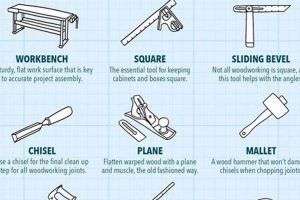
The selection of appropriate implements is fundamental for undertaking fundamental carpentry tasks. This encompasses instruments employed for measuring, cutting, shaping, joining, and finishing wood. For example, a beginner might start with a hand saw, a measuring tape, a combination square, a chisel, and a smoothing plane to accomplish rudimentary projects.
Proficiency in utilizing these implements enables individuals to construct and repair wooden objects, fostering practical skills and creative expression. Historically, the evolution of these instruments has mirrored advancements in material science and manufacturing techniques, improving efficiency and precision in woodworking practices. Masterful application of these implements results in durable and aesthetically pleasing projects.
The following discussion will categorize essential instruments based on their primary function, outlining key characteristics and providing guidance on selecting appropriate options for various applications within woodworking endeavors.
Essential Guidance for Acquiring Carpentry Implements
The judicious selection of implements for fundamental carpentry projects is paramount for ensuring project success and personal safety. This section provides vital guidance on obtaining necessary instruments.
Tip 1: Prioritize Quality Over Quantity: Initial investment should favor durable, well-made instruments over a large assortment of inferior products. A high-quality hand saw, for example, will provide more accurate cuts and last longer than a cheaper alternative.
Tip 2: Research Before Purchase: Consult reputable woodworking resources, such as books, magazines, or online forums, to understand the features and limitations of various instruments. Compare specifications and user reviews before committing to a purchase.
Tip 3: Consider Ergonomics: Ensure that the instruments selected are comfortable to hold and operate. Ergonomic design reduces fatigue and minimizes the risk of repetitive strain injuries. Handle shape and weight distribution are crucial factors.
Tip 4: Invest in Sharpening Equipment: Sharp cutting edges are essential for safety and precision. A sharpening stone or honing guide should be acquired alongside the initial set of instruments to maintain optimal performance.
Tip 5: Start with Hand Tools: While power tools offer speed and efficiency, mastering hand tools provides a deeper understanding of woodworking principles. Beginners should focus on developing proficiency with hand saws, chisels, and planes before incorporating power tools.
Tip 6: Explore Used Options: Quality instruments can often be found at lower prices in the used market. Inspect used implements carefully for signs of damage or wear before purchase. Ensure that cutting edges can be sharpened or replaced.
The careful acquisition of quality instruments, coupled with a commitment to proper maintenance and safety practices, establishes a solid foundation for successful woodworking endeavors. Proper selection of carpentry instruments will enhance the quality of all woodworking projects.
The subsequent sections will address the proper use and maintenance of selected instruments, emphasizing safety protocols and optimal techniques for achieving desired outcomes.
1. Measuring accuracy

Attaining precision in measurements is foundational to successful woodworking endeavors. The accuracy of dimensions directly influences the fit and finish of assembled components, making it a non-negotiable aspect of the craft. Proper measurements minimize material waste, reduce the likelihood of errors during assembly, and ensure the structural integrity of the final product.
- Importance of a Reliable Measuring Tape
A measuring tape of adequate length and clear markings is indispensable. Construction projects often require precise measurements over extended distances; a tape measure with both imperial and metric scales offers versatility and minimizes conversion errors. Using a worn or damaged tape measure leads to inaccurate dimensions, compromising the overall quality of the woodworking project.
- Role of Squares in Ensuring Right Angles
Squares, including combination squares and speed squares, facilitate the creation of accurate right angles. Ensuring that corners are square is vital for the structural stability and aesthetic appeal of many woodworking projects, such as building frames or constructing boxes. Precise squares contribute to a clean, professional result, mitigating the effects of deviations from true 90-degree angles.
- Use of Marking Gauges for Consistent Lines
Marking gauges create consistent, parallel lines for mortises, rabbets, or other joinery details. This implement ensures uniformity across multiple pieces, resulting in tight-fitting joints and professional-looking finishes. The accuracy of a marking gauge depends on its build quality and the sharpness of its cutting or marking edge.
- Application of Calipers for Internal and External Dimensions
Calipers, both digital and analog, offer precise measurement of internal and external dimensions. This is particularly valuable when creating intricate joinery or matching existing components. Calipers enable accurate replication and ensure that parts fit together seamlessly.
The application of precise measuring instruments, complemented by a thorough understanding of measurement techniques, is central to achieving superior results in woodworking. These implements collectively reduce errors, improving the overall efficiency and quality of projects. Mastering these techniques contributes to the attainment of professional-grade outcomes.
2. Cutting implements

Cutting implements are fundamental to woodworking, directly influencing the shape and dimensions of wooden components. Their selection impacts efficiency, accuracy, and safety. The diverse range of cutting instruments available necessitates a nuanced understanding of each implement’s specific capabilities. A hand saw, for example, facilitates controlled, manual cutting, while a chisel enables precise shaping and removal of material. The appropriate choice depends on the project requirements and the wood’s properties. Insufficient or inappropriate cutting instruments can lead to splintering, inaccurate cuts, and increased physical exertion, ultimately compromising the project’s outcome.
Consider the creation of a simple dovetail joint. A dovetail saw, characterized by its fine teeth and thin blade, is essential for achieving the intricate cuts required. A coping saw, with its narrow blade, is then needed to remove waste material between the tails and pins. Chisels, of varying widths, refine the joint and ensure a tight fit. Substitute a coarser saw, and the resulting cuts may be too wide or uneven. Attempting to use a dull chisel will lead to ragged edges and potentially dangerous slips. Thus, the selection and maintenance of cutting implements are intrinsically linked to the successful execution of woodworking tasks.
In summary, cutting implements are indispensable within woodworking, their careful selection directly affecting the quality and precision of the final product. Understanding the specific applications of each implement and investing in quality tools, alongside proper maintenance, is critical for efficient and safe woodworking. Ignoring this direct dependency negatively impacts the project outcome and raises potential safety hazards.
3. Surface preparation

Surface preparation, a crucial element in woodworking, directly influences the final aesthetic and functional quality of a project. Its effective execution relies on a specific assortment of implements designed to smooth, level, and refine wooden surfaces. Inadequate surface preparation compromises the adhesion of finishes, exposes imperfections in the wood grain, and diminishes the overall visual appeal. The relationship between surface preparation and implements is causal; the desired outcome a smooth, even surface is directly dependent on the appropriate application of planes, sandpaper, scrapers, and other related tools. This foundational stage sets the framework for all subsequent finishing processes.
Consider the construction of a basic wooden tabletop. Prior to applying a varnish or sealant, the surface must be meticulously prepared. This process typically involves using a hand plane to remove any irregularities or imperfections, followed by progressively finer grades of sandpaper to achieve a uniformly smooth texture. Skipping this step will result in a visibly uneven surface, highlighted by the applied finish. Consequently, the tools employed for surface preparation are not merely supplementary; they are integral for producing high-quality work.
In conclusion, implements designed for surface preparation are indispensable for achieving desired outcomes in woodworking. Their effective use contributes directly to the quality and durability of finished projects. Neglecting surface preparation significantly impacts the final product’s aesthetic and functional properties. Mastery of these instruments and techniques is fundamental for any woodworker aiming for professional-grade results.
4. Joint construction

The execution of effective joint construction in woodworking is inextricably linked to the selection and utilization of appropriate implements. The structural integrity and aesthetic appeal of a wooden object are directly contingent upon the quality of its joints, which, in turn, is governed by the precision and suitability of the tools employed. The creation of a mortise and tenon joint, for example, requires chisels of specific sizes to precisely remove material from the mortise, while a tenon saw ensures accurately cut tenon shoulders. Substituting unsuitable implements compromises the joint’s strength and fit, potentially leading to structural failure or visual imperfections. Thus, joint construction methods are intrinsically dependent upon having adequate instruments.
Consider the practical application of constructing a simple frame. A miter saw enables the creation of precise angled cuts necessary for constructing tight-fitting miter joints. Alternatively, constructing dovetail joints requires a dovetail saw, chisels, and marking gauges. Each instrument plays a crucial and specific role in achieving a structurally sound and visually appealing joint. Without the correct set of implements, the joints may lack the required strength to withstand stress, or the aesthetic precision needed to produce a professional finish. Skilled woodworkers possess not only the knowledge of joint construction techniques but also an understanding of the instruments necessary to execute those techniques effectively. In effect, quality instrument selection becomes paramount to ensuring successful joint construction.
In summary, the success of joint construction in woodworking is directly determined by the proper employment of suitable implements. Different jointing methods demand specific instrument, where substitution negatively impacts joint quality and structural integrity. A comprehensive understanding of joint construction, therefore, necessitates knowledge of the tools required and mastery of their usage. This symbiotic relationship underscores the importance of instrument selection and skill development in achieving professional-grade results in woodworking projects.
5. Fastening solutions

Fastening solutions are an indispensable component of basic woodworking, directly determining the structural integrity and longevity of constructed objects. Selection of appropriate fastening methods necessitates the use of specific implements. Nails, screws, adhesives, and joinery techniques each require a distinct set of instruments for effective application. The structural soundness of a chair, for instance, relies not only on the precision of its joinery but also on the secure application of screws or adhesives to reinforce the joints. Inadequate fastening compromises the object’s ability to withstand stress, potentially leading to premature failure. Therefore, an understanding of available fastening solutions is crucial for identifying and utilizing the necessary implements for securing wooden components.
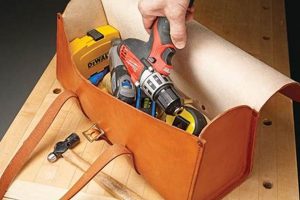
Consider the construction of a bookcase. While traditional joinery can contribute to its framework, screws and nails are often employed to reinforce shelves and back panels. The implementation of these fasteners necessitates the use of drills, screwdrivers, and nail guns. Selecting the correct screw size and type, matched with an appropriately sized drill bit, ensures a secure and stable connection without damaging the wood. Similarly, using the appropriate nail gun and nail type prevents splitting or marring the surface. Furthermore, adhesives, when selected and applied correctly, can supplement mechanical fasteners to enhance joint strength and prevent movement. Understanding the properties of different adhesives such as their bonding strength, drying time, and compatibility with specific wood types is essential for choosing the optimal adhesive for a given application. Therefore, a well-equipped woodworking workshop must include an array of tools and materials tailored to different fastening approaches.
In summary, fastening solutions represent a fundamental element within basic woodworking, inextricably linked to both structural stability and intended function. Appropriate selection hinges on project requirements and wood characteristics. Mastery of relevant instrument application ensures secure and durable construction. Challenges may arise when selecting fasteners compatible with diverse wood types or when employing specialized jointing techniques. Skillful integration of fastening knowledge and precise instrument usage defines proficient woodworking practices and contributes significantly to the successful completion of woodworking endeavors.
6. Safety gear

The operation of implements in rudimentary carpentry activities necessitates the mandatory use of protective apparatus. Safety protocols inherently dictate the integration of such provisions within any set of woodworking instruments. Physical injury, ranging from superficial lacerations to severe trauma, constitutes a significant occupational hazard. The provision of preventative instruments aims to mitigate this possibility, thereby preserving both the users well-being and ensuring the continuation of productive engagement. An essential relationship therefore exists between safety gear and the efficient deployment of carpentry tools.
Consider, for instance, the act of employing a power saw. The potential for ejection of debris at high velocities necessitates the employment of approved eye protection. Furthermore, the generated noise levels frequently exceed established auditory safety thresholds, thereby rendering the utilization of hearing protection imperative. Failure to integrate these specific items significantly elevates the probability of injury. Likewise, the shaping of wood using chisels carries the risk of hand trauma; heavy-duty work gloves help to protect against sharp edges and splinters. Respiratory protection, commonly in the form of particulate respirators, reduces inhalation of wood dust, an irritant and potential allergen. The choice of safety gear is directly correlated with the specific implements employed and the associated hazards.
The effective deployment of instruments depends on a commitment to rigorous adherence to safety guidelines. These guidelines include regular equipment inspection, proper storage, and mandated utilization of safety apparatus. Comprehension of potential hazards, combined with proactive employment of suitable protective instruments, is therefore integral for both the individual’s security and the longevity of woodworking implements. A comprehensive strategy that acknowledges the causal connection between hazard and preventive action is essential for any woodworking project.
7. Maintenance provisions

The longevity and optimal functionality of implements crucial to rudimentary carpentry are fundamentally linked to consistent and appropriate maintenance. The absence of such maintenance significantly degrades equipment performance, raises potential safety hazards, and diminishes the quality of finished products.
- Sharpening Implements
Cutting tools, such as chisels and saws, require periodic sharpening to maintain their cutting efficiency. Dull cutting edges necessitate increased force, elevating the risk of slippage and injury. Sharpening stones, honing guides, and specialized sharpening jigs are essential for maintaining optimal edge geometry. Regular honing maintains the sharpness between more intensive sharpening sessions.
- Cleaning and Lubrication
The accumulation of sawdust, pitch, and other debris impedes the smooth operation of mechanical instruments, such as hand planes and saws. Regular cleaning with appropriate solvents and brushes removes these deposits. Lubrication of moving parts with specialized oils reduces friction, preventing wear and corrosion, and ensuring smooth, consistent performance. Neglecting this leads to binding, increased effort, and potential damage to instruments.
- Rust Prevention
Ferrous metal components are susceptible to rust, particularly in humid environments. Application of protective coatings, such as waxes or oils, forms a barrier against moisture, preventing rust formation. Periodic inspection and removal of existing rust with appropriate abrasives, followed by reapplication of protective coatings, is critical for preserving instrument integrity. Compromised integrity of metal instruments introduces safety hazards and performance degradation.
- Handle and Component Repair
Wooden handles, over time, may develop cracks or looseness, compromising grip and control. Periodic inspection and tightening of handles, along with replacement of damaged components, ensures safe and comfortable operation. Similarly, the replacement of worn or damaged saw blades, plane irons, and other consumable components is essential for maintaining performance standards. Failure to address these issues introduces unsafe operating conditions and less-than-optimal results.
In conclusion, the proper execution of maintenance procedures, facilitated by appropriate equipment, significantly extends the operational lifespan and enhances the effectiveness of essential carpentry tools. This commitment to maintenance directly translates into safer working conditions, more efficient project execution, and consistently high-quality results. Disregarding maintenance significantly diminishes the reliability and performance of all implements.
Frequently Asked Questions Regarding Implements for Fundamental Carpentry
The following addresses common inquiries concerning essential instruments needed to undertake basic woodworking tasks, covering aspects of selection, usage, and maintenance.
Question 1: What constitutes the absolute minimum set of implements required for a beginner’s carpentry endeavors?
A foundational set typically includes a hand saw, a combination square, a measuring tape, a set of chisels, a sharpening stone, and a smoothing plane. This selection enables basic cutting, measuring, shaping, and finishing operations.
Question 2: Is there a discernible advantage in investing in higher-priced instruments initially, or should a beginner prioritize affordability?
Investing in higher-quality implements from the outset often proves more economical in the long term. Quality instruments are generally more durable, retain their accuracy longer, and provide a more satisfying user experience, fostering continued engagement.
Question 3: What are the critical safety considerations when operating basic carpentry instruments?
Mandatory safety practices include wearing appropriate eye protection, hearing protection, and respiratory protection as needed. Maintaining sharp cutting edges, securing workpieces firmly, and adhering to manufacturer’s guidelines are also essential for preventing injuries.
Question 4: How frequently should cutting instruments be sharpened to maintain optimal performance?
Sharpening frequency depends on usage intensity and the type of wood being worked. As a general rule, instruments should be sharpened whenever they exhibit signs of dullness, requiring increased force to perform their intended function.
Question 5: What are the key factors to consider when selecting a hand saw for general-purpose woodworking?
Important factors include tooth configuration (rip vs. crosscut), teeth per inch (TPI), blade length, and handle ergonomics. A saw with a moderate TPI is typically suitable for a range of cutting tasks.
Question 6: What are the common mistakes that beginners should avoid when acquiring their first set of instruments?
Common errors include purchasing excessively cheap instruments, neglecting sharpening requirements, failing to prioritize safety equipment, and acquiring specialized instruments before mastering fundamental skills.
In summary, informed instrument selection, diligent adherence to safety protocols, and consistent maintenance practices are crucial for maximizing the success and enjoyment of basic woodworking projects.
The subsequent section will address project ideas suitable for beginners, providing practical application of the discussed instruments and techniques.
Conclusion
The preceding discussion has elucidated the critical role of “tools needed for basic woodworking” in achieving successful outcomes in carpentry endeavors. The selection, utilization, and maintenance of these implements are fundamental to ensuring accuracy, safety, and efficiency. A comprehensive understanding of the interplay between instrument functionality and project requirements is essential for both novice and experienced woodworkers.
Mastering the implements of woodworking represents a commitment to precision and craftsmanship. Continuous refinement of skills and a dedication to best practices will yield superior results and foster a deeper appreciation for the art of working with wood. The pursuit of knowledge and the application of learned techniques remain paramount for those seeking excellence in this field.

![Best Multi Tool Woodworking Station [Guide] | Step-by-Step Guides, Tools & Inspiration to Build Beautiful Wooden Decor on a Budget](https://woodfromhome.com/wp-content/uploads/2026/04/th-259-300x200.jpg "Best Multi Tool Woodworking Station [Guide] Step-by-Step Guides, Tools & Inspiration to Build Beautiful Wooden Decor on a Budget")