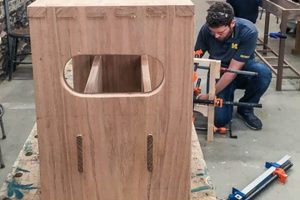
The focus is on introductory projects designed to cultivate fundamental skills in woodworking. These are initiatives specifically chosen for their simplicity and accessibility, intended to provide novice woodworkers with a positive and educational initial experience. A classic example would be constructing a simple birdhouse, a small wooden box, or a basic picture frame.
Engaging in these simplified builds delivers multiple benefits. It fosters an understanding of wood properties, tool usage, and joinery techniques. Success in these initial projects can build confidence and motivation, creating a solid foundation for more complex woodworking endeavors. Historically, learning through simple projects has been the cornerstone of woodworking education, passed down through generations of artisans and craftspeople.
The following sections will explore a curated collection of manageable projects, covering areas like preparing the workspace, selecting appropriate materials, mastering essential techniques, and prioritizing safety protocols. Each project will include detailed instructions and material lists, ensuring a smooth and rewarding experience for the aspiring woodworker.
Essential Guidance for Novice Woodworkers
This section provides crucial advice to ensure a safe, efficient, and enjoyable initiation into the craft.
Tip 1: Prioritize Safety Equipment. The use of safety glasses is paramount to protect against flying debris. Hearing protection is also advisable, particularly when operating power tools. A dust mask is essential for minimizing inhalation of wood particles.
Tip 2: Begin with Softwoods. Pine and fir are more forgiving than hardwoods due to their lower density. Their relative softness allows for easier cutting, shaping, and fastening, making them ideal for practice projects.
Tip 3: Start Small. Projects with limited dimensions and fewer components minimize material waste and reduce the likelihood of overwhelming the novice. A small box or picture frame is preferable to a large cabinet.
Tip 4: Master Basic Joinery. Focus on learning the fundamentals of butt joints, lap joints, and miter joints. These are foundational to more complex joinery techniques and provide structural integrity for simple projects.
Tip 5: Accurately Measure and Mark. Precise measurements are critical for successful woodworking. Invest in a quality measuring tape, square, and marking tools. Double-check all measurements before cutting.
Tip 6: Practice Tool Control. Develop proficiency in handling hand tools, such as chisels and saws. Learn to maintain sharp edges and apply the appropriate amount of pressure for controlled cuts. Similarly, practice using power tools on scrap wood before working on the actual project.
Tip 7: Understand Wood Grain. Paying attention to the wood grain’s direction is crucial for clean cuts and strong joints. Cutting against the grain can lead to splintering and tear-out.
Adhering to these guidelines fosters a strong foundation in woodworking principles, promoting both competence and safety.
The subsequent sections will elaborate on specific projects designed to implement these guiding principles and further develop practical woodworking skills.
1. Simple Project Selection

The initial selection of manageable projects forms the cornerstone of effective woodworking education for beginners. The complexity of the chosen project directly influences the learning curve and the potential for success or discouragement. Therefore, judicious selection is paramount.
- Reduced Complexity & Material Cost
Projects such as cutting boards, small boxes, or simple picture frames involve fewer steps, require less material, and minimize potential errors. This controlled environment lowers the initial investment and reduces the risk of wasted resources. The focus remains on mastering fundamental techniques rather than managing intricate processes.
- Accelerated Skill Acquisition
Concentrating on basic joinery, such as butt joints or lap joints, within the context of simple projects allows beginners to rapidly acquire practical skills. Repetition of these core techniques builds muscle memory and strengthens understanding of material behavior and tool usage. The quick, visible results motivate further learning.
- Enhanced Confidence Building
Completing a manageable project, even one of modest scale, fosters a sense of accomplishment. This positive reinforcement encourages continued exploration and experimentation within the craft. Success breeds confidence, which is essential for overcoming the inevitable challenges encountered in more advanced woodworking endeavors.
- Minimized Frustration and Overwhelm
Complex projects with numerous components, intricate joinery, and demanding finishing processes can quickly overwhelm a novice. The risk of errors and setbacks is significantly higher, potentially leading to frustration and abandonment of the craft. Simple project selection mitigates these risks, creating a more positive and sustainable learning experience.
The deliberate focus on simplified projects as a primary element in woodworking instruction for beginners directly contributes to skill development, confidence building, and sustained engagement with the craft. By starting small and mastering the fundamentals, novice woodworkers establish a solid foundation upon which to build more advanced capabilities.
2. Tool Familiarization

Tool familiarization is paramount for those undertaking entry-level woodworking projects. A thorough understanding of both hand tools and power tools significantly impacts the quality, safety, and efficiency of project execution. Lack of tool knowledge can lead to errors, injuries, and diminished results.
- Safety Protocol Adherence
Proper tool handling knowledge is directly linked to safe woodworking practices. Understanding a tool’s intended function and limitations, coupled with strict adherence to safety guidelines, minimizes the risk of accidents. For example, correctly adjusting blade guards on a table saw or knowing how to securely clamp workpieces before drilling are essential safety measures derived from tool familiarization.
- Enhanced Project Precision
Familiarity with tools translates to improved accuracy in cutting, shaping, and joining wood. Knowing how to properly use a measuring tape, square, hand saw, or chisel enables precise execution of project plans. For instance, understanding the difference between a rip cut and a crosscut and selecting the appropriate saw leads to cleaner, more accurate cuts.
- Increased Efficiency and Reduced Waste
Proficiency in tool usage streamlines the woodworking process. Experienced tool handlers can complete tasks more quickly and efficiently, minimizing material waste and rework. For example, understanding how to efficiently use a power sander to achieve a smooth surface reduces the amount of sanding time and minimizes the risk of damaging the workpiece.
- Expanded Project Scope
As tool familiarity grows, so does the range of projects that a beginner can successfully undertake. Mastering basic hand tools opens the door to a variety of small-scale projects, while proficiency with power tools expands possibilities to larger and more complex designs. The more tools a beginner is comfortable using, the more diverse and challenging the projects they can pursue.
In conclusion, tool familiarization serves as a critical foundation for successful engagement in elementary woodworking. A comprehensive understanding of tool functionality, safety protocols, and proper usage techniques empowers beginners to create high-quality projects, minimizes risks, and fosters continued growth in the craft. Mastery of basic tools is an indispensable stepping stone for those seeking to advance in woodworking.
3. Material Knowledge

Understanding the properties and characteristics of various wood species is essential for successfully executing simple woodworking projects. This knowledge informs material selection, impacts the ease of workability, and ultimately influences the longevity and aesthetic appeal of the finished piece. Without proper material knowledge, novice woodworkers may encounter challenges in cutting, joining, and finishing wood, leading to frustration and potentially jeopardizing the project’s outcome.
- Wood Hardness and Workability
Different wood species exhibit varying levels of hardness, which directly affects their workability with hand tools and power tools. Softer woods, such as pine or fir, are more easily cut, shaped, and fastened, making them suitable for initial projects. Harder woods, like oak or maple, require sharper tools and more force, potentially posing challenges for beginners. Selecting appropriate wood hardness levels ensures a more manageable and successful woodworking experience.
- Grain Pattern and Stability
Wood grain influences both the aesthetic appearance and structural integrity of a woodworking project. Understanding grain direction is crucial for preventing tear-out during cutting and ensuring strong glue joints. Woods with straight, consistent grain are generally easier to work with than those with irregular grain patterns. Furthermore, wood stability, or its resistance to warping and cracking, is a critical factor in project longevity. Species with low stability may require special considerations in design and construction.
- Wood Cost and Availability
The cost and availability of different wood species vary significantly depending on location and demand. For entry-level projects, selecting readily available and affordable woods, such as pine or poplar, minimizes initial investment and simplifies material sourcing. Exotic or rare woods may be aesthetically desirable but often come at a higher price point and may require specialized handling techniques, making them less suitable for beginners.
- Wood Finish and Appearance
Different wood species react differently to stains, paints, and clear finishes. Some woods readily absorb finishes, enhancing their natural grain patterns, while others may require specific preparation techniques to achieve desired results. Understanding the inherent color and texture of a wood species allows beginners to select appropriate finishes that complement the wood’s natural beauty and provide protection against environmental factors.
By gaining a foundational understanding of wood properties, characteristics, and limitations, novice woodworkers can make informed decisions about material selection and project design. This knowledge empowers them to navigate the challenges of woodworking with greater confidence, ensuring more successful and enjoyable initial experiences. Selecting materials with consideration for skill level, desired aesthetic, and project requirements is essential for mastering fundamental techniques and fostering a lasting appreciation for the craft.
4. Safety First

The principle of “Safety First” is inextricably linked to woodworking, particularly for beginners. The use of sharp tools and power equipment inherently carries risks, making adherence to safety protocols not merely a suggestion but an absolute necessity. Failure to prioritize safety can result in injuries ranging from minor cuts and abrasions to severe lacerations, amputations, or even fatal accidents. Consider, for example, a novice woodworker using a router without proper eye protection; a small piece of wood propelled at high speed could cause serious eye damage. Similarly, operating a table saw without understanding kickback can lead to a workpiece being forcefully thrown back towards the operator, resulting in significant injury. “Safety First” ensures novice woodworkers can engage with the craft sustainably, learn from their mistakes, and grow in their abilities without the risk of devastating consequences.
Implementing “Safety First” within introductory woodworking involves several key elements. Proper personal protective equipment (PPE), including safety glasses, hearing protection, and dust masks, are non-negotiable. Comprehensive training on the safe operation of each tool is crucial. This training should cover not only the basic functions of the tool but also potential hazards and preventative measures. A clean and organized workspace minimizes tripping hazards and allows for unobstructed movement. Furthermore, establishing clear safety rules and enforcing them consistently creates a culture of safety that permeates all aspects of the woodworking process. An instance would be enforcing a “no loose clothing or jewelry” policy around power tools to prevent entanglement. Regular inspection and maintenance of tools ensure they are functioning properly and safely.
In summary, “Safety First” is not merely a precautionary measure but an integral component of successful woodworking for beginners. It mitigates risks, protects against injury, and fosters a responsible approach to the craft. Ignoring this fundamental principle undermines the entire learning process and can have severe and lasting consequences. By prioritizing safety, novice woodworkers can cultivate their skills, build confidence, and enjoy the rewarding experience of creating with wood.
5. Basic Techniques

The acquisition of fundamental woodworking techniques is essential for beginners. Mastery of these skills directly correlates with the successful execution of elementary projects, enabling novices to progress confidently to more complex endeavors.
- Accurate Measurement and Marking
Precision in measurement and marking forms the foundation of any woodworking project. Consistent use of measuring tapes, squares, and marking gauges ensures accurate dimensions and minimizes errors in cutting and joinery. An example includes precisely measuring the length of a board for a simple box, ensuring that all sides are equal and the final product is square. Failure to measure accurately can result in misaligned joints, uneven surfaces, and an overall unprofessional appearance.
- Safe and Controlled Cutting
Proficiency in cutting wood, both with hand tools and power tools, is a critical skill. Maintaining control over the saw, whether it be a hand saw, circular saw, or jigsaw, ensures clean, straight cuts and minimizes the risk of injury. For example, when cutting a board with a hand saw, maintaining a consistent angle and applying even pressure results in a more accurate and professional cut. Understanding the properties of wood and selecting the appropriate cutting tool for the task are essential components of this technique.
- Secure and Durable Joinery
Creating strong and reliable joints is paramount for the structural integrity of woodworking projects. Mastering basic joinery techniques, such as butt joints, lap joints, and miter joints, provides the foundation for more complex joinery methods. An example of the importance of this involves securely joining the corners of a picture frame using miter joints, ensuring that the frame remains square and rigid over time. Proper glue application and clamping techniques are essential for achieving durable joints.
- Effective Sanding and Finishing
Achieving a smooth and professional finish is the final step in most woodworking projects. Proper sanding techniques, using progressively finer grits of sandpaper, remove imperfections and prepare the surface for finishing. An example would include sanding a wooden box to a smooth, even surface before applying a stain or varnish, resulting in a visually appealing and tactilely pleasing final product. Understanding the properties of different finishes and applying them correctly is essential for protecting the wood and enhancing its natural beauty.
These foundational techniques collectively determine the quality and longevity of woodworking projects undertaken by beginners. Mastering these skills provides a solid base for further exploration and advancement within the craft, fostering confidence and enabling the creation of more complex and rewarding projects. The successful application of these techniques transforms raw materials into functional and aesthetically pleasing objects.
6. Project Completion

The attainment of project completion is a central objective in the context of elementary woodworking instruction. It represents the culmination of acquired skills and knowledge, providing tangible evidence of proficiency and fostering continued engagement within the craft. The successful realization of a project, regardless of its scale, delivers a sense of accomplishment that fuels motivation and encourages further exploration of woodworking techniques.
- Reinforcement of Learned Skills
Successful project completion solidifies the application of acquired skills, such as accurate measurement, precise cutting, and secure joinery. For example, the construction of a small wooden box reinforces the ability to create square corners, consistently sized components, and durable joints. Each completed project serves as a practical examination, validating the woodworker’s understanding of fundamental principles.
- Tangible Evidence of Progress
A completed project provides concrete evidence of progress, which is particularly motivating for beginners. Having a physical object to showcase one’s efforts creates a sense of pride and accomplishment, fostering a positive attitude toward learning. The creation of a functional cutting board, for instance, demonstrates the ability to transform raw material into a useful and aesthetically pleasing object.
- Motivation for Future Endeavors
The satisfaction derived from completing a woodworking project stimulates a desire for continued learning and skill development. Success builds confidence, encouraging individuals to tackle more complex projects and explore advanced techniques. A successfully completed birdhouse, for example, might inspire a beginner to attempt the construction of a small table or bookshelf.
- Development of Problem-Solving Abilities
The process of completing a woodworking project often involves overcoming unexpected challenges and adapting to unforeseen circumstances. Successfully navigating these obstacles fosters problem-solving abilities and critical thinking skills. Correcting a misaligned joint or devising a solution to a material shortage enhances resourcefulness and adaptability, valuable assets in any woodworking endeavor.
Project completion, therefore, is an integral and multifaceted aspect of introductory woodworking. It serves not only as the culmination of learning but also as a catalyst for continued growth and engagement within the craft. By focusing on achievable projects and celebrating successful completion, novice woodworkers establish a solid foundation for future endeavors and cultivate a lifelong appreciation for the art of woodworking.
Frequently Asked Questions
This section addresses common inquiries and concerns regarding woodworking projects designed for individuals with limited or no prior experience. The information provided aims to clarify fundamental aspects of the craft and promote a successful initiation into woodworking.
Question 1: What constitutes a suitable project for an absolute beginner?
An appropriate starting point is a project with a limited number of components, basic joinery techniques, and readily available materials. Examples include simple boxes, small shelves, or cutting boards. Such projects allow novices to focus on mastering fundamental skills without being overwhelmed by complexity.
Question 2: What are the essential tools required to begin woodworking?
A foundational toolkit includes a measuring tape, a combination square, a hand saw, a set of chisels, a hammer, a drill (corded or cordless), sandpaper, and appropriate safety equipment such as safety glasses and a dust mask. Additional tools can be acquired as skills and project complexity increase.
Question 3: Which types of wood are recommended for beginners?
Softwoods, such as pine or fir, are generally recommended due to their lower density and ease of workability. These woods are more forgiving when cutting, shaping, and fastening, providing a more positive initial experience.
Question 4: How crucial is safety equipment in woodworking?
Safety equipment is of paramount importance. Safety glasses protect against flying debris, hearing protection minimizes noise exposure, and dust masks prevent inhalation of wood particles. Proper use of safety equipment is non-negotiable for preventing injuries.
Question 5: What are some common mistakes made by novice woodworkers?
Common errors include inaccurate measurements, improper tool handling, failure to follow safety procedures, and selecting projects beyond one’s current skill level. Meticulous attention to detail and a gradual progression in project complexity mitigate these risks.
Question 6: How can one acquire woodworking skills and knowledge?
Skill acquisition can be achieved through various avenues, including online tutorials, instructional books, community workshops, and mentorship from experienced woodworkers. A combination of theoretical knowledge and practical application is optimal for developing proficiency.
The information presented addresses fundamental inquiries concerning woodworking for beginners. Adhering to these guidelines promotes a safe, efficient, and rewarding initiation into the craft.
The following section provides supplementary resources and learning materials to further enhance woodworking knowledge and skills.
Conclusion
This article has explored a range of “woodwork ideas for beginners,” emphasizing project selection, tool familiarization, material knowledge, safety protocols, fundamental techniques, and the importance of project completion. Mastery of these elements lays the groundwork for a solid foundation in woodworking.
The craft demands patience, precision, and a commitment to safety. Aspiring woodworkers are encouraged to apply these principles, continually refine their skills, and responsibly engage in this time-honored tradition. With dedication, proficiency in woodworking is an attainable goal.