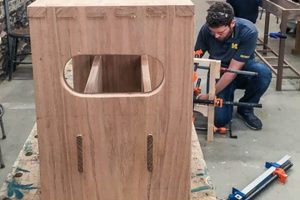
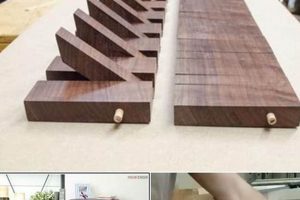
An introductory undertaking within the craft of shaping wood, crafted specifically for individuals with little to no prior experience. These initial constructions serve as a gateway to more complex techniques, often involving simple designs and readily available materials. A basic birdhouse or a small wooden box exemplifies this type of accessible creation.
Engagement with these foundational activities yields numerous advantages. It cultivates fundamental skills, such as measuring, cutting, and joining, while fostering an understanding of wood properties and tool usage. Historically, the creation of simple wooden objects represented a cornerstone of self-sufficiency and skill development, imparting practical knowledge across generations. The satisfaction derived from producing a tangible item through one’s efforts provides intrinsic motivation and a sense of accomplishment.
Therefore, a focus on identifying appropriate starting points, understanding essential tools and techniques, and recognizing common challenges will be presented in the subsequent sections.
Guidance for Novice Woodworkers
The following recommendations aim to optimize the experience and facilitate successful outcomes when embarking on inaugural woodworking tasks. Careful consideration of these points can minimize frustration and maximize learning.
Tip 1: Prioritize Simplicity: Begin with projects featuring minimal components and straightforward assembly. Avoid complex joinery or intricate designs. A simple cutting board or small shelf provides an adequate starting point.
Tip 2: Select Appropriate Materials: Opt for softwoods such as pine or fir, which are easier to work with and more forgiving for beginners. Avoid hardwoods like oak or maple initially. Ensure lumber is straight and free from excessive knots.
Tip 3: Invest in Essential Tools: Acquire a basic set of hand tools, including a hand saw, measuring tape, combination square, sandpaper, and a wood chisel. Power tools, such as a drill, can be helpful but are not strictly necessary at the outset.
Tip 4: Practice Safe Tool Handling: Prioritize safety by wearing appropriate personal protective equipment, including safety glasses and hearing protection. Familiarize oneself with the proper use and maintenance of all tools before commencing work.
Tip 5: Master Measurement and Marking: Accurate measurement and precise marking are fundamental to successful woodworking. Utilize a sharp pencil and a reliable measuring tape. Double-check all measurements before cutting.
Tip 6: Practice Joinery Techniques: Begin with simple joinery methods, such as butt joints or lap joints. These joints can be strengthened with glue and screws or nails. Practice these techniques on scrap wood before using them on the final project.
Tip 7: Sand Thoroughly: Proper sanding is essential for achieving a smooth and professional finish. Start with a coarser grit sandpaper and gradually progress to finer grits. Sand with the grain of the wood.
Tip 8: Apply a Protective Finish: Protect the finished project with a suitable wood finish, such as varnish, polyurethane, or oil. Apply the finish in thin, even coats, allowing each coat to dry completely before applying the next.
Adherence to these guidelines will enhance the likelihood of completing a satisfying introductory woodcrafting endeavor, providing a solid foundation for future projects. The development of fundamental skills is paramount.
With these foundational points covered, the subsequent stage involves exploring particular project choices suitable for individuals new to the craft.
1. Simplicity

The principle of simplicity is fundamental to success in initial woodworking endeavors. A project’s complexity directly influences the probability of completion and the quality of the learning experience. Overly ambitious designs, characterized by intricate joinery or numerous components, often lead to frustration and abandonment among novices. Conversely, simplified designs, such as a basic picture frame or a small storage box, provide manageable challenges that facilitate skill acquisition and foster a sense of accomplishment. The cause-and-effect relationship is clear: increased complexity increases the likelihood of errors and decreased motivation, while simplified designs promote successful execution and positive reinforcement.
The importance of simplicity as a component of introductory woodcraft lies in its ability to isolate and emphasize fundamental skills. By reducing the demands on the learner, it allows for focused attention on mastering core techniques such as measuring, cutting, and joining. For instance, constructing a simple birdhouse allows a beginner to practice cutting straight lines, assembling basic joints, and applying a protective finish without being overwhelmed by the intricacies of more complex designs. This targeted practice accelerates skill development and builds confidence, creating a solid foundation for future projects. Furthermore, simplified projects often utilize readily available materials and require fewer specialized tools, reducing the initial investment and making the craft more accessible.
In conclusion, the deliberate incorporation of simplicity is not merely a design choice but a pedagogical necessity in novice woodcraft. It mitigates the risk of discouragement, promotes the acquisition of essential skills, and facilitates the creation of tangible results. While the allure of intricate designs may be strong, prioritizing simplicity ensures a positive and productive introduction to shaping wood. The challenge lies in resisting the temptation to overcomplicate projects and consistently focusing on designs that are both achievable and conducive to skill development.
2. Safety

Safety is paramount when initiating woodcrafting activities. Inadequate attention to safety protocols can lead to injuries, ranging from minor cuts and abrasions to more serious incidents involving power tools. Therefore, a comprehensive understanding and strict adherence to safety measures are essential for all individuals undertaking preliminary woodcrafting.
- Personal Protective Equipment (PPE)
The consistent use of PPE is non-negotiable. Safety glasses protect against flying debris, a common hazard when sawing or sanding. Hearing protection, such as earplugs or earmuffs, mitigates the risk of noise-induced hearing loss when operating power tools. Respiratory protection, in the form of a dust mask or respirator, prevents the inhalation of fine wood dust, a known respiratory irritant. Gloves offer protection against splinters and abrasions. Each item of PPE serves a specific function and must be used correctly and consistently.
- Tool Handling and Maintenance
Proper tool handling requires instruction and practice. A firm grip, controlled movements, and an understanding of the tool’s operational characteristics are crucial. Dull tools are more dangerous than sharp tools, as they require more force, increasing the risk of slippage. Regular tool maintenance, including sharpening blades and lubricating moving parts, ensures optimal performance and reduces the likelihood of accidents. Power tools necessitate extra caution; all safety guards must be in place and functioning correctly before operation. Disconnecting power tools before changing blades or performing maintenance is mandatory.
- Workspace Organization and Awareness
A clean and organized workspace minimizes the risk of trips, falls, and other accidents. Adequate lighting is essential for clear visibility. All materials and tools should be stored properly when not in use. The work area should be free from obstructions and distractions. Maintaining awareness of the surroundings and the actions of others in the vicinity is critical to preventing collisions and accidental injuries. The presence of bystanders, especially children or pets, necessitates heightened vigilance.
- Material Safety Data Sheets (MSDS) and Chemical Handling
Wood finishes, adhesives, and cleaning solvents often contain hazardous chemicals. It is imperative to consult the MSDS for each product before use. The MSDS provides information on potential health hazards, safe handling procedures, and emergency first aid measures. Adequate ventilation is essential when working with chemicals to prevent the inhalation of fumes. Proper disposal of chemical waste is crucial to prevent environmental contamination and health risks. Latex or nitrile gloves should be worn when handling chemicals to prevent skin contact.
The integration of these safety facets is essential for creating a secure environment for all participants. While enthusiasm for shaping wood is understandable, compromising safety is unacceptable. A comprehensive safety plan, incorporating all facets detailed above, is a prerequisite for engagement in woodcrafting tasks. Novices especially must receive thorough instruction on safety protocols before commencing work.
3. Materials

The selection of appropriate materials is a critical determinant of success in a novice woodcrafting undertaking. The properties of the chosen material influence the ease of workability, the aesthetic outcome, and the structural integrity of the final product. An informed decision regarding materials is therefore essential for a positive introductory experience.
- Softwoods vs. Hardwoods
Softwoods, such as pine, fir, and cedar, are generally preferred for beginner projects due to their lower density and ease of cutting, shaping, and fastening. Hardwoods, like oak, maple, and walnut, possess greater density and hardness, requiring more force and specialized tools. The selection of softwood simplifies the initial learning curve, reducing the physical exertion required and minimizing the risk of tool slippage.
- Lumber Grade and Quality
Lumber is graded based on its appearance and the presence of defects, such as knots, cracks, and warping. Higher grades of lumber are more expensive but offer a cleaner, more consistent surface for working. For novice projects, a lower grade of lumber may be acceptable, provided that the defects are minimal and can be easily worked around. Kiln-dried lumber is preferable, as it is less prone to warping and shrinkage after construction.
- Sheet Goods: Plywood and MDF
Plywood and Medium-Density Fiberboard (MDF) are engineered wood products that offer stability and uniformity. Plywood consists of multiple layers of wood veneer glued together, providing strength in multiple directions. MDF is made from wood fibers compressed with resin, creating a smooth, consistent surface. These sheet goods are often used for constructing boxes, shelves, and other projects requiring flat, stable panels. The availability of various thicknesses and sizes makes them versatile options for initial woodworking tasks.
- Fasteners: Screws, Nails, and Adhesives
The selection of appropriate fasteners is crucial for securing joints and ensuring the structural integrity of the project. Screws offer greater holding power than nails and are generally preferred for projects that require disassembly or are subject to stress. Nails are quicker and easier to install but may not provide sufficient holding power for all applications. Wood glue, or adhesive, strengthens joints and provides a seamless appearance. The choice of fasteners depends on the type of wood, the joint configuration, and the intended use of the finished product.
The correlation between material choices and the success of introductory woodcrafting tasks is undeniable. Appropriate materials contribute to ease of use, dimensional stability, and aesthetic appeal. While the allure of exotic hardwoods may be strong, a deliberate focus on readily available, easily worked materials will foster a more positive and productive learning experience.
4. Tools

The selection and appropriate use of tools directly influence the success of a woodcrafting project undertaken by a beginner. The effect of inadequate or improper tool usage manifests as inaccuracies, inefficiencies, and increased risk of injury. Conversely, suitable tools, correctly applied, facilitate precision, reduce physical strain, and enhance the overall quality of the finished article. For instance, a dull saw requires excessive force, leading to uneven cuts and potential slippage, while a sharp saw allows for controlled and accurate sawing with minimal effort. Therefore, understanding the essential tools and their proper application constitutes a critical element in any introductory woodcrafting endeavor.
The significance of tools as a component of introductory woodcrafting extends beyond their functional role. They serve as instruments for learning fundamental skills and fostering an appreciation for the craft. For example, mastering the use of a hand plane develops an understanding of wood grain and the principles of surface preparation. Similarly, learning to sharpen a chisel cultivates an awareness of tool maintenance and the relationship between tool condition and performance. The selection of a starter tool kit should prioritize essential hand tools, such as a saw, chisel, measuring tape, combination square, and sandpaper. While power tools offer increased efficiency, the mastery of hand tools provides a more intimate understanding of woodworking principles, enabling the woodworker to adapt to various situations and materials. Real-life examples include building a simple wooden box using only hand tools, allowing the beginner to focus on precision measuring, accurate cutting, and secure joining techniques. This approach emphasizes the foundational principles of woodworking without the complexity of power tool operation.
In summary, the strategic selection and skillful application of tools are indispensable for a positive and productive introductory woodcrafting experience. A deliberate focus on essential hand tools, coupled with thorough instruction on their safe and effective use, empowers the beginner to develop fundamental skills, appreciate the nuances of the craft, and produce tangible results. The challenges associated with tool selection and usage are mitigated by prioritizing quality over quantity, seeking expert guidance, and practicing diligently on scrap wood before commencing the primary project. The overarching theme is that appropriate tools, correctly employed, transform raw materials into functional and aesthetically pleasing objects, fostering a lifelong appreciation for the art of shaping wood.
5. Technique

Mastery of fundamental woodworking techniques is intrinsically linked to successful completion of projects designed for beginners. Poor technique inevitably leads to inaccuracies, structural weaknesses, and potential safety hazards, rendering a project aesthetically displeasing or structurally unsound. Conversely, the application of correct techniques ensures precision, stability, and a finished product that meets the intended design specifications. For instance, failure to accurately measure and square a piece of wood before cutting results in misaligned components, necessitating rework or compromising the overall design.
The importance of proper technique in shaping wood lies in its direct impact on the longevity and functionality of the creation. Simple butt joints, if not executed with precision and appropriate adhesive application, are prone to failure under stress. Similarly, improper sanding techniques leave visible scratches and imperfections on the surface. Adhering to established best practices, such as using sharp tools, cutting along the grain, and employing appropriate clamping methods, are indispensable for achieving optimal results. For example, when constructing a basic bookshelf, employing techniques like using a marking gauge to ensure consistent shelf placement and applying even pressure during glue-up are paramount to achieving a structurally sound and visually appealing outcome.
Therefore, understanding and applying correct techniques are crucial for a positive and rewarding introductory experience. The challenges associated with technique acquisition can be mitigated through focused practice on scrap wood, diligent study of instructional materials, and mentorship from experienced woodworkers. Successfully integrating technique into projects tailored for novices fosters confidence, promotes skill development, and lays a solid foundation for more complex endeavors. The end goal is to equip beginners with the knowledge and proficiency to transform raw materials into functional and aesthetically pleasing objects, ensuring the longevity and practicality of what they create.
6. Finishing
The process of applying a protective or decorative coating represents a crucial step in crafting objects from wood, especially in activities suited for novices. This final stage enhances the object’s visual appeal, safeguards it from environmental damage, and extends its lifespan. The selection and application of a suitable coating require careful consideration, as the wrong choice can detract from the finished piece and even compromise its integrity. Finishing constitutes a critical juncture in novice woodcrafting.
- Protection from Environmental Factors
A primary function is to shield the wood from moisture, ultraviolet radiation, and physical abrasion. Water-based polyurethanes, for example, offer a durable, protective layer that prevents moisture penetration, reducing the risk of warping, cracking, or fungal growth. Exterior projects, such as birdhouses or small planters, necessitate finishes with UV inhibitors to mitigate the fading and degradation caused by sunlight. Without adequate protection, even well-constructed beginner projects can deteriorate rapidly, negating the effort invested in their creation.
- Enhancement of Aesthetic Qualities
Coatings accentuate the natural grain and color of the wood, imparting depth and richness to the visual appearance. Clear finishes, such as varnish or lacquer, allow the wood’s inherent beauty to shine through, while pigmented stains alter the color, creating a desired effect. The application of multiple coats, followed by fine sanding, produces a smooth, professional-looking surface. A poorly applied finish, characterized by brush strokes, drips, or uneven color distribution, detracts from the overall aesthetic appeal, undermining the project’s visual impact.
- Durability and Longevity
The choice of finish influences the resistance to wear and tear, thereby affecting its service life. Oil-based finishes, like tung oil or linseed oil, penetrate the wood fibers, providing internal protection and enhancing durability. Film-forming finishes, such as polyurethane or varnish, create a hard, protective layer on the surface, resisting scratches and abrasions. Projects intended for heavy use, such as cutting boards or tabletops, require finishes specifically formulated for high-wear applications to ensure durability.
- Safety and Environmental Considerations
The selection must also consider the potential health and environmental impacts. Water-based finishes generally have lower volatile organic compound (VOC) content compared to solvent-based finishes, making them a safer choice for indoor use. Natural finishes, such as beeswax or plant-based oils, offer environmentally friendly alternatives. Proper ventilation is essential when applying any finish to minimize the risk of respiratory irritation. Responsible disposal of finish-related waste is crucial to prevent environmental contamination.
These facets, namely protection, aesthetic enhancement, durability, and safety, collectively underscore the significance of finishing in the context of introductory woodworking. A thoughtfully chosen and skillfully applied finish not only elevates the visual appeal of the completed piece but also ensures its long-term durability and protects the health and safety of the woodworker and the environment. A basic project, meticulously finished, can provide a sense of pride and accomplishment, fueling enthusiasm for future woodcrafting endeavors. The selection of a low-VOC, easy-to-apply finish can be advantageous for beginners as they are less complex and safer to handle.
Frequently Asked Questions
The following addresses common inquiries and potential areas of uncertainty for individuals new to working with wood. Clarity regarding these points is essential for a successful and rewarding initial experience.
Question 1: What constitutes an appropriate undertaking for individuals with little to no prior experience?
Suitable initial tasks should involve minimal components, straightforward assembly, and basic joinery techniques. Examples include a simple birdhouse, a small wooden box, or a cutting board. Complex designs or intricate joinery should be avoided initially.
Question 2: What are the essential tools required to commence a woodworking project?
A basic toolkit should include a hand saw, measuring tape, combination square, sandpaper, wood chisel, safety glasses, and a pencil. Power tools, such as a drill or sander, can be beneficial but are not strictly necessary at the outset. Investment in quality hand tools is recommended.
Question 3: What type of wood is most suitable for beginners?
Softwoods, such as pine or fir, are generally easier to work with due to their lower density and cost. Avoid hardwoods like oak or maple initially. Ensure that the lumber is straight, dry, and free from excessive knots or warping.
Question 4: How important is safety when shaping wood?
Safety is paramount. Protective eyewear, hearing protection, and respiratory protection are essential. Familiarization with the safe operation of all tools before use is mandatory. Maintaining a clean and organized workspace reduces the risk of accidents.
Question 5: What are some common mistakes that individuals make when first starting out?
Common mistakes include inaccurate measuring, improper tool usage, inadequate sanding, and applying finishes incorrectly. Starting with overly ambitious projects and neglecting safety protocols are also frequent errors.
Question 6: What is the best way to learn proper techniques?
Proper techniques are best learned through a combination of methods. Studying instructional materials, practicing on scrap wood, seeking guidance from experienced woodworkers, and enrolling in introductory classes are all beneficial approaches.
Thorough preparation and adherence to safety guidelines are key determinants of a positive introductory woodcrafting experience. The acquisition of fundamental skills through simplified projects fosters confidence and sets the stage for more complex endeavors.
The subsequent section will delve into a compilation of specific tasks designed specifically for individuals new to the woodworking domain.
Conclusion
The preceding exploration of a woodworking project for beginners has underscored critical considerations for individuals embarking on this craft. Elements such as simplicity, safety, material selection, tool proficiency, correct technique, and appropriate finishing methods collectively influence the success and enjoyment derived from these initial experiences. By meticulously addressing each aspect, individuals can mitigate risks and cultivate fundamental skills.
The successful completion of a woodworking project for beginners provides a foundation for future endeavors. It encourages continued learning and fosters an appreciation for the craft. Therefore, a commitment to thorough preparation and safe practices remains paramount for those seeking to engage in the art of shaping wood.