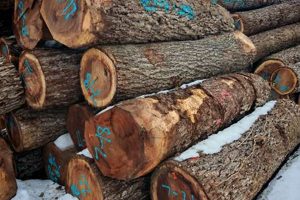
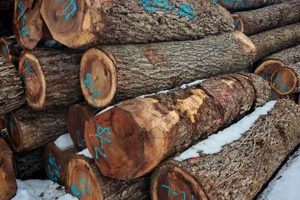
The process of acquiring timber for crafting projects is a fundamental aspect of the woodworking discipline. This involves identifying, locating, and obtaining suitable lumber that meets the specific requirements of a given project, encompassing factors like species, dimensions, and quality. An example would be locating a local supplier of kiln-dried maple for constructing a dining table.
Securing appropriate materials directly impacts project quality, aesthetics, and longevity. Historically, woodworkers relied on local forests or mills. Modern practices offer a wider range of options, impacting sustainability, cost, and access to diverse wood types. The selection process dictates not only the final appearance but also the structural integrity and resistance to environmental factors.
The following sections will detail viable methods for material procurement, examining options ranging from sustainable harvesting practices to navigating lumberyards and online retailers. Consideration will be given to assessing wood quality, understanding grading systems, and mitigating potential risks associated with different acquisition methods.
Sourcing Strategies for Woodworking Lumber
The following are essential considerations for responsibly and effectively acquiring lumber for woodworking endeavors. Thoughtful planning and informed decision-making in material selection are crucial for project success.
Tip 1: Establish Project Requirements. Define the necessary wood species, dimensions, and grade before initiating the procurement process. This prevents unnecessary purchases and ensures compatibility with the intended application. For example, furniture projects may benefit from hardwoods, while softer woods might be adequate for decorative pieces.
Tip 2: Research Local Suppliers. Investigate local lumberyards, sawmills, and woodworking supply stores. Direct engagement with local vendors offers opportunities for visual inspection of materials and personalized consultations. A local sawmill, for instance, may offer unique species and custom cutting services unavailable at larger retailers.
Tip 3: Prioritize Sustainable Practices. Seek out lumber from sustainably managed forests, certified by organizations such as the Forest Stewardship Council (FSC). This supports responsible forestry and ensures the long-term availability of resources. Purchasing FSC-certified lumber from a local yard, for instance, ensures that the wood comes from responsibly-managed forests.
Tip 4: Inspect Wood Quality Meticulously. Before purchasing, carefully examine the wood for defects such as knots, splits, checks, and insect damage. These imperfections can compromise the structural integrity and aesthetic appeal of the finished product. Visual inspection for knots, warp, and insect damage is vital.
Tip 5: Understand Lumber Grading Systems. Familiarize oneself with established grading systems, such as those used for hardwoods and softwoods. Grading provides a standardized assessment of lumber quality, aiding in the selection of appropriate materials for specific applications. Knowing the difference between “Select” and “Common” grades, for example, can help determine the suitability of the wood for a particular project.
Tip 6: Consider Alternative Sources. Explore options such as reclaimed wood, salvaged lumber, and urban forestry initiatives. These sources offer unique materials with historical character, contributing to resource conservation and waste reduction. Using reclaimed barn wood for a rustic coffee table is a good example.
Tip 7: Negotiate Pricing and Payment Terms. Inquire about discounts for bulk purchases and establish clear payment terms with the supplier. This can optimize project budgets and foster long-term relationships with vendors. Discussing volume discounts with a lumberyard can save money on large projects.
Successful lumber procurement relies on thorough research, diligent inspection, and a commitment to sustainable practices. These strategies empower woodworkers to acquire high-quality materials while minimizing environmental impact.
With these essential sourcing strategies in place, it’s time to address the long-term preservation and care of the acquired lumber.
1. Species selection.

The choice of wood species forms a crucial juncture in the lumber acquisition process. It directly impacts the structural integrity, aesthetic appeal, and overall suitability of a woodworking project. Therefore, species selection is inextricably linked to how lumber is acquired.
- Matching Material Properties to Application.
Different species exhibit distinct mechanical properties, such as hardness, density, and bending strength. Sourcing decisions must align with the intended use. For example, a demanding application like a workbench requires a hardwood with high durability, such as maple or beech, influencing the choice of suppliers and potentially leading to a search for specialized hardwood dealers. Conversely, for a decorative carving, softer woods like basswood may suffice, broadening potential sourcing options.
- Aesthetic Considerations and Grain Patterns.
The visual characteristics of wood species, including color, grain pattern, and texture, play a significant role in the final aesthetic. Sourcing decisions should reflect the desired appearance of the finished piece. Seeking a specific grain pattern, like the highly figured grain of curly maple for a custom guitar, may necessitate contacting specialty lumber suppliers or individual mills known for exceptional wood selection. A project requiring consistent, straight grain, on the other hand, may allow for sourcing from more readily available commercial sources.
- Cost and Availability Constraints.
Species availability and associated costs vary significantly based on geographical location, rarity, and market demand. Sourcing strategies must account for budgetary limitations and regional accessibility. Exotic hardwoods, for instance, often command premium prices and may require international sourcing or specialized importers. More common domestic species, like pine or oak, are generally more affordable and readily available from local lumberyards.
- Workability and Machining Characteristics.
Different wood species exhibit varying degrees of workability, influencing the ease with which they can be cut, shaped, and finished. Sourcing decisions should consider the woodworker’s skill level and available tools. Denser hardwoods may require specialized equipment and techniques, influencing the choice of lumber dimensions and potentially leading to a preference for pre-milled lumber. Softer woods are generally easier to work with, opening up more options for raw material sourcing and processing.
Understanding these facets underscores that species selection is not merely a preliminary decision but rather an integrated component of the entire lumber acquisition process. By carefully considering material properties, aesthetics, cost, and workability, woodworkers can make informed sourcing decisions that align with project requirements and ensure successful outcomes. In this regard, Species selection is an art in sourcing wood for woodworking.
2. Supplier reliability.

Supplier reliability constitutes a cornerstone of effective lumber acquisition for woodworking. The dependability of the source directly impacts project timelines, material quality, and overall cost-effectiveness. An unreliable supplier can introduce delays, provide substandard materials, or fail to fulfill orders, creating significant disruptions for woodworking projects. For instance, a woodworker contracted to build custom cabinets within a specific timeframe relies on the supplier to deliver the correct species and dimensions of lumber as agreed upon. Failure to do so may result in missed deadlines, increased labor costs, and potential breaches of contract with the client. Conversely, a reliable supplier ensures consistent material quality, accurate order fulfillment, and timely delivery, enabling woodworkers to proceed with their projects efficiently and confidently.
The practical significance of supplier reliability extends beyond individual projects. Consistent and dependable material sourcing fosters long-term relationships between woodworkers and suppliers, creating a mutually beneficial ecosystem. Woodworkers can confidently plan future projects, knowing they have a reliable source of materials. This predictability streamlines their operations and reduces the risks associated with material procurement. Furthermore, reliable suppliers often provide valuable expertise and support, assisting woodworkers in selecting the appropriate materials for specific applications and offering guidance on wood preparation and finishing techniques. This collaborative relationship enhances the woodworker’s capabilities and contributes to improved project outcomes. Consider the case of a furniture maker specializing in antique reproductions; a reliable supplier who understands the nuances of historical wood species and finishes becomes an invaluable partner, providing access to rare materials and expert advice.
In summary, supplier reliability is an indispensable component of successful lumber procurement. It influences project timelines, material quality, and the overall profitability of woodworking endeavors. Building strong relationships with dependable suppliers fosters trust, facilitates efficient project management, and enhances the woodworker’s ability to deliver high-quality products consistently. Therefore, prioritizing supplier reliability and conducting thorough due diligence when selecting lumber sources are essential practices for woodworkers seeking to optimize their operations and achieve long-term success.
3. Sustainable practices.

The integration of responsible forestry management into lumber procurement is paramount for preserving ecosystems and ensuring the long-term availability of timber resources. These methods directly influence sourcing decisions and dictate the environmental impact of woodworking projects.
- Forest Stewardship Council (FSC) Certification.
FSC certification serves as a benchmark for responsible forest management. Lumber bearing the FSC label originates from forests managed in accordance with strict environmental and social standards. Sourcing FSC-certified materials ensures that timber is harvested in a manner that protects biodiversity, water quality, and the rights of indigenous communities. For example, a furniture manufacturer committed to sustainability would prioritize sourcing FSC-certified maple for its products, demonstrating a commitment to responsible forestry practices.
- Local and Regional Sourcing.
Procuring lumber from local or regional sources reduces transportation distances and minimizes the carbon footprint associated with timber procurement. Supporting local sawmills and foresters strengthens regional economies and fosters responsible land management practices. A cabinetmaker sourcing oak from a nearby family-owned sawmill, for instance, reduces transportation emissions and supports local forestry initiatives.
- Utilization of Reclaimed and Salvaged Lumber.
Reclaimed lumber, sourced from deconstructed buildings or salvaged from natural disasters, represents a sustainable alternative to virgin timber. Utilizing reclaimed wood reduces demand for newly harvested trees and gives new life to valuable resources. The creation of a dining table from reclaimed barn wood, for example, conserves forest resources and imbues the finished product with unique character.
- Minimizing Waste and Optimizing Yield.
Employing efficient cutting techniques and maximizing lumber yield reduces overall material consumption and minimizes waste generation. Careful planning and precise cutting patterns can significantly decrease the amount of unusable wood scraps produced during woodworking projects. A guitar maker meticulously planning cuts to minimize waste when working with ebony, a scarce and valuable wood species, exemplifies responsible resource management.
These practices, when consistently implemented, ensure that lumber procurement aligns with principles of environmental stewardship. Integrating these methods into lumber sourcing decisions minimizes environmental impact, supports responsible forestry, and promotes the long-term sustainability of woodworking resources. Choosing alternative lumber sourcing can be a sustainable choice for woodworking.
4. Grade assessment.

The evaluation of lumber quality through established grading systems is integral to informed wood acquisition. Grade assessment directly influences material selection and project suitability, shaping the procurement process.
- Defining Project-Specific Requirements.
Understanding lumber grades facilitates the alignment of material quality with project demands. Higher grades, characterized by fewer defects, are appropriate for applications requiring clear, uniform surfaces. Lower grades, while containing more imperfections, may suffice for structural components or rustic designs. Identifying these project-specific needs guides grade selection and influences sourcing strategies, directing purchasers towards suppliers specializing in particular grades or offering material sorting services. A cabinet maker needing clear maple for door fronts will seek higher grades and specific defect-free areas, impacting selection.
- Optimizing Material Yield and Minimizing Waste.
Lumber grade directly impacts the usable yield from a given piece of wood. Higher grades generally offer greater usable surface area with fewer defects requiring removal. Accurate grade assessment enables woodworkers to optimize cutting layouts, minimizing waste and maximizing material utilization. This is particularly relevant when working with expensive or rare species, where minimizing waste is crucial for cost-effectiveness. When building small, intricate components, even small defects in low-grade wood can lead to substantial waste and inefficient use of high-value lumber.
- Navigating Lumber Pricing and Value.
Lumber pricing is directly correlated with grade, reflecting the quality and scarcity of defect-free material. Accurate grade assessment allows purchasers to evaluate the value proposition of different lumber offerings, ensuring they are paying appropriately for the quality received. This involves comparing prices across suppliers and considering the potential yield and waste associated with each grade. Assessing both price and grade allows woodworkers to make economically sound acquisition decisions.
- Ensuring Structural Integrity and Performance.
Lumber grade provides insights into the structural properties of the wood, including knot size, grain orientation, and density. These factors influence the strength and stability of the material, impacting its suitability for load-bearing applications. Sourcing lumber with appropriate grading is crucial for ensuring the structural integrity and long-term performance of woodworking projects. Evaluating a lumber grade based on its ability to withstand specific stresses is important for furniture construction.
The ability to effectively assess lumber grade is a critical skill for any woodworker seeking to acquire materials efficiently and effectively. An informed understanding of grading systems empowers woodworkers to make informed purchasing decisions, optimizing material usage and ensuring the quality and durability of finished projects. Therefore, grade assessment is intrinsically linked to successful lumber acquisition.
5. Cost analysis.

Cost analysis forms an indispensable element within the comprehensive framework of lumber procurement for woodworking. The examination of financial implications associated with material acquisition directly affects sourcing strategies, influencing decisions pertaining to supplier selection, species preference, and overall project feasibility. Failure to conduct a thorough cost analysis can lead to budgetary overruns, compromised material quality, and reduced profitability for woodworking ventures. For example, neglecting to compare prices across multiple lumberyards can result in paying a premium for materials readily available at a lower cost elsewhere. Similarly, failing to factor in transportation costs when sourcing lumber from distant suppliers can negate any initial savings on the material itself. Thus, cost analysis acts as a critical control mechanism within the sourcing process.
The practical application of cost analysis extends beyond merely comparing prices. It necessitates a holistic evaluation encompassing various factors, including the initial material cost, transportation expenses, waste considerations, and the potential for bulk discounts. Furthermore, cost analysis should account for the long-term implications of material choices. Opting for a lower-cost, less durable wood species may result in higher maintenance costs or premature replacement, ultimately negating the initial savings. Conversely, investing in a higher-quality, more durable species may yield lower lifecycle costs despite a higher upfront investment. A furniture maker, for example, might choose to purchase more expensive kiln-dried hardwood to avoid the costs associated with air-drying lumber or dealing with warped materials, thereby streamlining the manufacturing process and reducing overall project expenses.
In summary, cost analysis is not merely a peripheral consideration, but rather an intrinsic component of effective lumber sourcing. By carefully evaluating all relevant financial factors and considering the long-term implications of material choices, woodworkers can optimize their procurement strategies, minimize expenses, and enhance the profitability of their projects. Challenges may arise in accurately predicting long-term costs or factoring in unforeseen expenses; however, a commitment to thorough cost analysis remains essential for sound decision-making and financial success in the woodworking industry.
6. Moisture content.

The water content of lumber, referred to as moisture content, has a profound influence on how timber is sourced for woodworking. This characteristic directly affects wood stability, workability, and the integrity of finished products. Procurement decisions must, therefore, account for the moisture level present in the wood and its suitability for the intended application. For instance, lumber sourced for indoor furniture construction requires a lower moisture content (typically between 6% and 8%) to minimize warping, cracking, and dimensional changes post-assembly. Conversely, lumber intended for exterior applications may necessitate higher moisture levels or specific treatments to withstand environmental fluctuations.
Effective management of moisture content begins with selecting appropriate suppliers. Kiln-dried lumber, subjected to controlled drying processes, offers predictable and consistent moisture levels, reducing the risk of defects. Air-dried lumber, while often more economical, requires careful monitoring and extended drying periods to achieve desired moisture content. Understanding the drying methods employed by suppliers, along with their ability to accurately measure and control moisture levels, is critical. A common scenario involves a woodworker rejecting an entire shipment of lumber due to excessively high moisture content, rendering it unsuitable for furniture construction and resulting in project delays and financial losses.
Accurate moisture content assessment is crucial throughout the procurement process. Moisture meters provide a rapid and non-destructive means of measuring moisture levels in lumber. Employing these tools during lumber selection and storage ensures that the wood meets the required specifications for a given project. Furthermore, understanding the equilibrium moisture content (EMC) for a specific geographic location is essential. This knowledge enables woodworkers to acclimatize lumber to the prevailing environmental conditions before commencing construction, minimizing the potential for future dimensional changes. In summation, moisture content is a key attribute influencing every stage of lumber sourcing. Addressing moisture concerns will lead to minimizing defects, optimizing product life, and increasing woodworking projects success.
7. Transportation logistics.

The logistical considerations associated with transporting timber directly impact the viability of various procurement strategies. Effective management of transportation ensures material integrity, minimizes costs, and adheres to project timelines, significantly influencing sourcing decisions.
- Distance and Mode of Transport
The distance between the lumber source and the workshop, coupled with the selected mode of transport (e.g., truck, rail, ship), profoundly affects overall project costs. Longer distances increase fuel consumption and labor expenses. Choice of transport impacts material handling and potential for damage. For example, sourcing lumber from a distant mill might be cost-prohibitive due to high transportation costs, making local procurement a more economically viable option, even if the initial material cost is slightly higher.
- Material Handling and Protection
Proper handling and protection during transit are crucial for preserving lumber quality. Inadequate packaging or improper loading can result in damage from moisture, impact, or abrasion. Careful consideration must be given to weather conditions, road surfaces, and potential hazards along the route. Specialized handling equipment might be necessary for large or delicate pieces, increasing transportation complexity and costs. A shipment of rare hardwoods might require climate-controlled transportation to prevent warping or fungal growth during transit.
- Permitting and Regulatory Compliance
Transporting lumber often involves navigating complex permitting and regulatory requirements, particularly when crossing state or national borders. These regulations govern load sizes, vehicle types, and environmental controls. Failure to comply with these regulations can result in delays, fines, and even confiscation of materials. Sourcing lumber from a region with strict environmental regulations might require specialized permits and documentation, adding to the logistical burden.
- Timeliness and Scheduling
Adherence to project timelines depends on the timely delivery of lumber. Delays in transportation can disrupt production schedules and increase labor costs. Effective communication and coordination with transportation providers are essential for ensuring on-time delivery. Factors such as weather conditions, road closures, and unforeseen logistical challenges must be considered. Just-in-time delivery strategies can minimize storage costs but require highly reliable transportation arrangements.
These facets highlight the critical role of efficient transportation logistics in the lumber sourcing process. By carefully considering distance, handling, regulations, and scheduling, woodworkers can optimize their procurement strategies, minimize costs, and ensure the timely arrival of high-quality materials. Neglecting these aspects can undermine even the most well-planned projects, underscoring the importance of integrating transportation logistics into every stage of lumber sourcing.
Frequently Asked Questions
The following questions address common inquiries and misconceptions regarding responsible and effective lumber procurement for woodworking projects.
Question 1: How does one differentiate between sustainable and unsustainable lumber sources?
Sustainable sources are typically certified by organizations like the Forest Stewardship Council (FSC). Certification indicates that the timber originates from forests managed according to strict environmental and social standards. In the absence of certification, direct inquiry regarding forestry practices is advised.
Question 2: What are the key considerations when selecting a lumber supplier?
Key considerations include supplier reliability, lumber quality, pricing transparency, adherence to sustainable practices, and transportation logistics. Prioritize suppliers with a proven track record of delivering high-quality materials on time and in accordance with specified requirements.
Question 3: How does wood moisture content impact project outcomes, and how is it managed?
Excessive moisture content can lead to warping, cracking, and dimensional changes in finished projects. Managing moisture content involves sourcing kiln-dried lumber, acclimatizing lumber to the workshop environment, and utilizing moisture meters to monitor moisture levels.
Question 4: What are the advantages of using reclaimed lumber compared to newly harvested timber?
Reclaimed lumber offers several advantages, including reduced demand for virgin timber, conservation of natural resources, and unique aesthetic characteristics derived from its previous use. Reclaimed lumber also often exhibits superior stability due to prior exposure to environmental conditions.
Question 5: How does lumber grading influence material selection, and what are the primary grading systems?
Lumber grading provides a standardized assessment of quality, influencing material selection by matching lumber grade to specific project requirements. Primary grading systems vary by species and region, but typically assess factors such as knot size, grain orientation, and the presence of defects.
Question 6: What strategies can be employed to minimize waste during lumber procurement and processing?
Waste minimization strategies include accurate project planning, precise cutting layouts, utilization of lumber grading systems, and exploration of alternative materials like engineered wood products. Consider the dimensions of the project and select lumber sizes that minimize offcuts.
Effective lumber procurement relies on a comprehensive understanding of sustainable practices, supplier reliability, material properties, and efficient processing techniques. These considerations, when diligently applied, ensure optimal project outcomes and minimize environmental impact.
With a clear understanding of both the process and the common questions, it is time to summarize the best way to approach sourcing wood for woodworking.
Conclusion
This exploration of how to source wood for woodworking has illuminated the multifaceted nature of this critical process. From understanding species selection and supplier reliability to embracing sustainable practices and meticulously assessing lumber grades, the considerations outlined are paramount. Accurate cost analysis, careful management of moisture content, and efficient transportation logistics further contribute to successful lumber procurement.
The ability to acquire appropriate lumber is a cornerstone of the woodworking craft. Diligent application of these principles not only ensures the quality and longevity of finished projects but also promotes responsible resource management. Continued diligence in lumber sourcing remains essential for both individual artisans and the sustainability of the craft as a whole.