



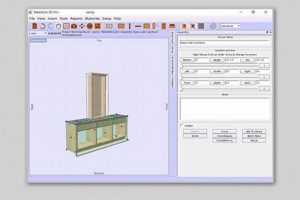
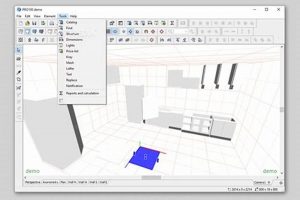
Software tailored for woodworking projects, prioritizing ease of use and accessibility for users with varying levels of technical expertise, constitutes a vital tool in modern woodworking. These programs often feature intuitive interfaces, pre-designed templates, and simplified toolsets that allow individuals to create designs for furniture, cabinetry, and other wood-based items without extensive training. A basic application, for example, might enable a hobbyist to design a bookshelf by dragging and dropping pre-made components and adjusting dimensions with ease.
The importance of such programs stems from their ability to streamline the design process, reducing errors and saving time. Individuals can visualize finished projects before committing to materials, ensuring accurate cuts and minimizing waste. Historically, woodworking designs were created using manual drafting techniques, a time-consuming and error-prone process. The advent of computer-aided design (CAD) revolutionized the field, making it more efficient and accessible, and leading to the proliferation of user-friendly woodworking programs that cater to both amateurs and professionals.
The subsequent sections will delve into the diverse types of woodworking design programs available, exploring their specific features, target audiences, and practical applications. Furthermore, criteria for selecting the most suitable program for individual needs and skill levels will be presented, along with a discussion of advanced features and future trends in woodworking design technology.
Essential Guidelines for Leveraging Woodworking Design Programs
The selection and effective utilization of woodworking design programs are crucial for achieving successful project outcomes. The following guidelines offer practical advice for optimizing the design process.
Tip 1: Prioritize User Interface Clarity: Choose a program with an intuitive interface that allows for easy navigation and efficient access to essential tools. Complex interfaces can hinder the design process, especially for novice users.
Tip 2: Emphasize Dimensioning Accuracy: Ensure the chosen software offers precise dimensioning capabilities. Accurate measurements are paramount for avoiding errors during the construction phase and ensuring structural integrity.
Tip 3: Exploit Pre-Designed Templates: Take advantage of pre-designed templates as a starting point for projects. These templates can save time and effort, particularly when designing standard items like cabinets or shelves.
Tip 4: Utilize 3D Visualization Tools: Employ the program’s 3D visualization features to thoroughly assess the design from multiple angles. This allows for the identification of potential aesthetic or structural flaws before committing to physical construction.
Tip 5: Test Material Optimization Features: Investigate the software’s ability to optimize material usage. Efficient material management reduces waste and lowers project costs by calculating the most efficient cutting layouts.
Tip 6: Validate Compatibility with CNC Equipment: If utilizing CNC machinery, verify that the chosen program can generate compatible G-code. Seamless integration between design and manufacturing is essential for automated production.
Tip 7: Explore Online Resources and Tutorials: Leverage the program’s online resources, including tutorials and user forums. These resources can provide valuable insights and solutions to common design challenges.
Effective implementation of these guidelines maximizes the benefits of design programs, resulting in more accurate designs, reduced material waste, and ultimately, higher-quality woodworking projects.
The subsequent sections will provide a comparative analysis of leading woodworking design programs and explore advanced techniques for optimizing design workflow.
1. Intuitive Interface

An intuitive interface constitutes a critical component of effective woodworking design applications. The correlation between ease of use and software adoption directly impacts project efficiency and user satisfaction. A well-designed interface minimizes the learning curve, allowing users with varying levels of technical expertise to quickly create and modify woodworking designs. For example, drag-and-drop functionality for common elements, such as drawers or shelves, significantly reduces the time required to develop a design compared to applications that require complex commands for basic operations. The absence of an intuitive interface can lead to frustration, wasted time, and increased error rates, ultimately hindering the design process.
The practical significance of an intuitive interface extends beyond mere usability. It empowers users to focus on the creative and functional aspects of their designs rather than struggling with complicated software mechanics. Consider the task of modifying the dimensions of a cabinet. An application with a clear and responsive interface allows users to adjust these dimensions precisely with minimal effort. Conversely, a poorly designed interface might require multiple steps and unclear visual feedback, increasing the likelihood of errors and hindering the design’s overall refinement. This direct relationship between interface design and user productivity makes intuitive interfaces a defining characteristic of superior woodworking design programs.
In summary, an intuitive interface is not merely a desirable feature but a fundamental requirement for applications intended for woodworking design. Its presence facilitates efficient design workflows, minimizes errors, and empowers users to focus on the creative aspects of their projects. While advanced features are valuable, they are secondary to the core requirement of user-friendliness. The pursuit of intuitive design remains a central challenge in the development of effective woodworking software, ultimately determining its accessibility and overall impact on the woodworking community.
2. Dimension Accuracy
Dimension accuracy forms a foundational pillar in woodworking design programs. Its importance stems from the inherent precision required in woodworking projects; deviations from intended dimensions can lead to structural instability, aesthetic flaws, and unusable components. The capacity of design applications to facilitate precise dimensional control directly impacts the quality and feasibility of woodworking endeavors.
- Tolerance Management
Woodworking design programs must enable users to specify and manage tolerances. These tolerances account for variations in material thickness, saw kerf, and assembly techniques. Accurate tolerance specification ensures that components fit together as intended, even with slight deviations from nominal dimensions. Ignoring tolerance considerations can result in gaps, misalignments, and overall structural weakness.
- Parametric Modeling
Parametric modeling techniques allow users to define dimensions based on variables or formulas. Changing a single parameter automatically updates all dependent dimensions, maintaining consistency throughout the design. This functionality is critical for complex projects with intricate relationships between components. Its absence necessitates manual recalculation and adjustment, significantly increasing the risk of errors.
- Units of Measurement
Woodworking design software must support various units of measurement, including imperial and metric. Accurate conversion between units is essential for collaboration and sourcing materials from different suppliers. Furthermore, the software should allow users to specify the precision of displayed dimensions, avoiding unnecessary rounding errors.
- Visual Verification
The software should provide clear visual representations of dimensions, including annotations and rulers. Users must be able to easily verify the accuracy of dimensions and detect potential errors before committing to physical construction. Clear visual feedback enhances confidence in the design and minimizes the likelihood of costly mistakes.
The interplay between tolerance management, parametric modeling, unit precision, and visual verification dictates the extent to which a design program can contribute to dimensional accuracy. Programs that prioritize these facets empower users to create designs that are both aesthetically pleasing and structurally sound, ultimately reducing waste and increasing project success rates. The pursuit of greater dimensional control remains a central theme in the development of advanced woodworking design technologies, reflecting the unwavering demand for precision in the craft.
3. Template Availability

Template availability within woodworking design programs directly influences user efficiency and project accessibility. The presence of pre-designed templates acts as a catalyst, accelerating the design process, particularly for individuals with limited design experience. Templates furnish a foundational structure for common woodworking projects, such as bookshelves, cabinets, or tables, effectively reducing the time required to initiate a design from scratch. For example, a novice user can select a cabinet template and subsequently modify dimensions, materials, and hardware to suit specific requirements, leveraging the template’s inherent structure without necessitating a complete understanding of design principles. The absence of templates necessitates the creation of designs entirely from fundamental geometric primitives, a process that demands a higher level of technical proficiency and significantly increases the initial time investment.
The practical significance of template availability extends beyond mere time savings. Templates often incorporate established design principles and best practices, promoting structurally sound and aesthetically pleasing outcomes. A well-designed template for a dovetail drawer, for instance, will already account for appropriate joint spacing and wood thicknesses, minimizing the risk of design flaws and ensuring a robust construction. Furthermore, templates can serve as educational resources, exposing users to efficient design techniques and promoting a deeper understanding of woodworking principles. The selection of templates, however, warrants careful consideration. Programs offering a diverse library of customizable templates empower users to address a wider array of projects, while those with limited or inflexible templates may constrain design possibilities and necessitate extensive manual modifications.
In summary, template availability constitutes a vital component of accessible woodworking design programs, bridging the gap between novice users and complex design tasks. The integration of well-designed and customizable templates streamlines the design process, promotes adherence to design best practices, and ultimately enhances project outcomes. While templates should not substitute a comprehensive understanding of woodworking principles, their presence significantly lowers the barrier to entry and empowers individuals to pursue ambitious woodworking projects with greater confidence. The effective utilization of templates, combined with a willingness to learn and experiment, unlocks the full potential of design programs and facilitates the creation of innovative and functional woodworking designs.
4. 3D Visualization

Three-dimensional visualization represents a critical component of woodworking design applications, fundamentally altering the design process from a two-dimensional abstract to a tangible, interactive representation. The capability to view designs in three dimensions offers a significant advantage, allowing users to assess spatial relationships, identify potential design flaws, and evaluate aesthetic qualities with greater accuracy than traditional two-dimensional drafting methods. Within the context of user-friendly woodworking design software, this feature enables individuals with varying levels of design experience to conceptualize and refine their projects effectively. For example, a user designing a complex joint can rotate the 3D model to verify proper alignment and identify any potential interference issues before committing to physical construction, mitigating costly errors and material waste.
The integration of 3D visualization also facilitates improved communication and collaboration. A three-dimensional model provides a clear and unambiguous representation of the intended design, enabling effective communication between designers, clients, and fabricators. Furthermore, this capability allows users to experiment with different materials, finishes, and hardware in a virtual environment, providing a realistic preview of the finished product. For instance, one can quickly iterate through different wood species and stain combinations to visualize the aesthetic impact on the overall design without the need for physical prototypes. This iterative process is crucial for optimizing design choices and achieving desired aesthetic outcomes.
In conclusion, three-dimensional visualization forms an indispensable element of effective woodworking design programs, particularly those prioritizing ease of use. Its capacity to enhance design accuracy, facilitate communication, and enable virtual prototyping contributes significantly to project success. While advanced features such as photorealistic rendering and virtual reality integration continue to evolve, the core function of 3D visualization remains central to the modern woodworking design workflow, empowering users to bring their creative visions to life with greater precision and efficiency.
5. Material Optimization

Material optimization within woodworking design programs directly addresses the need for efficient resource utilization and cost reduction. Design programs that prioritize material optimization provide tools and features that minimize waste, maximize material yield, and reduce overall project expenses. These features are particularly valuable in the context of user-friendly woodworking design software, as they empower individuals with limited experience to make informed decisions regarding material usage.
- Cutting Layout Efficiency
The primary function of material optimization is to generate efficient cutting layouts. Woodworking programs with this capability automatically arrange design components on a virtual sheet of raw material to minimize waste. By employing algorithms that consider grain direction, blade kerf, and material defects, these programs can significantly improve material yield compared to manual layout methods. This reduction in waste translates directly to cost savings and reduced environmental impact.
- Inventory Management Integration
Material optimization can extend beyond cutting layouts to incorporate inventory management features. Programs that integrate inventory tracking allow users to accurately account for available materials and incorporate existing stock into new designs. This prevents unnecessary material purchases and promotes the utilization of offcuts and leftover stock. Integration with inventory management systems is crucial for optimizing material usage across multiple projects.
- Material Cost Estimation
An important aspect of material optimization is the ability to estimate material costs accurately. Woodworking design programs can calculate the total material required for a project and estimate the associated costs based on user-defined material prices. This allows users to compare different design options and material choices to identify the most cost-effective solution. Accurate cost estimation enables informed decision-making throughout the design process.
- Nested Part Creation
Nested part creation allows for the design of components that fit together to minimize material waste. Often seen in CNC machining applications, nesting optimizes material usage by arranging shapes within each other, like puzzle pieces. Simple woodworking design software can include basic nesting functions, allowing users to create more efficient layouts, particularly when dealing with irregular or complex shapes. This feature can significantly reduce the amount of scrap material generated during a project.
The integration of material optimization tools within user-friendly woodworking design software represents a significant advancement in the field. By empowering users to minimize waste, reduce costs, and make informed material decisions, these programs contribute to a more sustainable and efficient woodworking practice. The continued development of advanced material optimization algorithms and features will further enhance the value and accessibility of woodworking design software for both amateur and professional woodworkers.
6. CNC Compatibility

Computer Numerical Control (CNC) compatibility represents a critical bridge between digital design and automated fabrication in woodworking. The extent to which design applications interface with CNC machinery significantly impacts workflow efficiency, precision, and the complexity of projects that can be undertaken. This connection is especially pertinent for “simple woodworking design software,” where the goal is to streamline the design-to-manufacturing process for a broad user base.
- G-Code Generation
G-code serves as the programming language that instructs CNC machines on tool paths and operations. “Simple woodworking design software” that supports G-code generation enables users to translate their digital designs into machine-readable instructions. This functionality eliminates the need for manual programming of CNC equipment, reducing the risk of errors and accelerating the fabrication process. For instance, a user designing a cabinet can generate G-code that precisely specifies the cuts and joinery details, ensuring accurate and repeatable results on a CNC router.
- Toolpath Simulation
Toolpath simulation provides a virtual representation of the CNC machine’s cutting tool as it executes the programmed instructions. “Simple woodworking design software” incorporating toolpath simulation allows users to visually inspect the machining process before committing to physical fabrication. This feature identifies potential collisions, optimizes cutting strategies, and minimizes material waste. A user can, for example, simulate the milling of a decorative pattern to verify the tool’s trajectory and ensure a clean, accurate cut.
- Machine Parameter Configuration
CNC machines require specific parameter configurations, such as spindle speed, feed rate, and depth of cut, to optimize performance and prevent damage to the material or tooling. “Simple woodworking design software” with CNC compatibility enables users to define and customize these parameters based on the characteristics of the material and the capabilities of the CNC machine. Accurate parameter configuration ensures smooth and efficient machining operations, maximizing the quality of the finished product. A user working with hardwood, for instance, can adjust the feed rate to prevent tear-out and achieve a smooth surface finish.
- Post-Processor Support
CNC machines from different manufacturers employ varying control systems and G-code dialects. A post-processor adapts the generic G-code output from the design software to the specific requirements of a particular CNC machine. “Simple woodworking design software” with comprehensive post-processor support ensures compatibility with a wide range of CNC equipment, allowing users to seamlessly transition from design to fabrication regardless of the machine they are using. This flexibility enhances the accessibility of CNC technology for both hobbyist and professional woodworkers.
These facets of CNC compatibility directly influence the usability and effectiveness of “simple woodworking design software.” By providing G-code generation, toolpath simulation, machine parameter configuration, and post-processor support, these programs empower users to leverage the precision and efficiency of CNC technology in their woodworking projects. The integration of these features streamlines the design-to-manufacturing workflow, enabling users to focus on the creative aspects of their work while minimizing the complexities of CNC programming and operation.
Frequently Asked Questions
This section addresses common inquiries regarding design programs tailored for woodworking projects, emphasizing ease of use and accessibility.
Question 1: What defines software as suitable for woodworking design?
Programs designed for woodworking typically offer features specifically relevant to the craft, such as dimensioning in woodworking units (inches, millimeters), tools for creating joinery (dovetails, mortise and tenon), and material libraries. Ease of use is paramount, prioritizing intuitive interfaces and simplified workflows.
Question 2: Is prior CAD experience necessary to effectively utilize woodworking design software?
No. Many programs are designed for users without prior CAD experience. These programs emphasize intuitive interfaces, pre-designed templates, and simplified toolsets to facilitate design creation for individuals with varying levels of technical expertise.
Question 3: Can design software be used to generate material lists and cut lists?
Yes. A significant benefit of such programs is the automated generation of material lists and cut lists. These lists provide a comprehensive overview of the materials required for a project and detailed cutting instructions, minimizing waste and improving accuracy.
Question 4: What are the hardware requirements for running woodworking design software?
Hardware requirements vary depending on the complexity of the software and the size of the projects being designed. Basic programs may run adequately on standard desktop or laptop computers, while more advanced applications may require higher processing power, more memory, and a dedicated graphics card.
Question 5: Are there free options available?
Yes. Free or open-source programs exist. However, these options may have limitations in terms of features, functionality, or support compared to paid software. Evaluate the specific requirements to determine if a free option is sufficient.
Question 6: How does software assist in visualizing the finished project before construction?
Woodworking design programs typically offer 3D visualization capabilities. These features allow users to view their designs from multiple angles, experiment with different materials and finishes, and identify potential design flaws before committing to physical construction.
Understanding the capabilities and limitations of woodworking design software is crucial for selecting the appropriate tool for individual needs. The information presented herein aims to facilitate informed decision-making.
The following sections will delve into specific program recommendations and advanced design techniques.
Conclusion
The preceding exploration has elucidated the core functionalities and benefits inherent in accessible woodworking design applications. From intuitive interface design to CNC compatibility, a range of features contributes to streamlined workflows and enhanced precision in woodworking projects. Material optimization and dimension accuracy stand as particularly crucial elements, impacting both cost-effectiveness and the structural integrity of finished pieces.
The continued evolution of “simple woodworking design software” promises to democratize access to sophisticated design tools, empowering a wider audience to engage in woodworking pursuits with greater confidence and efficiency. The judicious selection and application of appropriate software solutions remains paramount in maximizing project success and advancing the craft.


![Top Rated Best Design App for Woodworking Designs [2024] | Step-by-Step Guides, Tools & Inspiration to Build Beautiful Wooden Decor on a Budget](https://woodfromhome.com/wp-content/uploads/2026/03/th-321-300x200.jpg "Top Rated Best Design App for Woodworking Designs [2024] Step-by-Step Guides, Tools & Inspiration to Build Beautiful Wooden Decor on a Budget")