



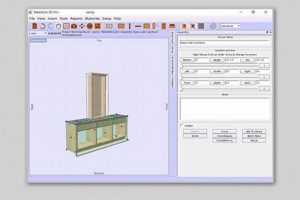
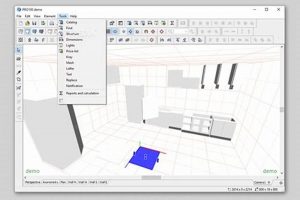
Digital tools tailored for woodworking professionals and hobbyists facilitate the creation of detailed plans and models prior to physical construction. These applications often incorporate features specific to woodworking, such as joinery design, material estimation, and optimization for minimizing waste. Examples range from simple 2D drafting programs to sophisticated 3D modeling environments.
The utilization of computer-aided design methodologies offers significant advantages within the woodworking field. These advantages encompass improved accuracy, reduced material costs through optimized layouts, and enhanced communication between designers, fabricators, and clients. Historically, woodworking relied on manual drafting techniques, which were often time-consuming and prone to error. The introduction of digital planning has streamlined the entire process, leading to increased efficiency and precision.
The subsequent sections will delve into specific categories of digital planning instruments used in woodworking, including their features, benefits, and considerations for selection based on project requirements and user expertise. An analysis of the functionalities and purposes will provide a comprehensive insight into the array of digital woodworking assistance available.
Tips for Effective Utilization
Employing digital instruments for woodworking necessitates a strategic approach to maximize their potential. The following tips offer guidance for optimizing the workflow and achieving superior results.
Tip 1: Start with Accurate Measurements: Prior to initiating any design, meticulous measurement of the available space and material dimensions is crucial. Inaccurate inputs will propagate errors throughout the design process, leading to costly rework and material waste.
Tip 2: Leverage Parametric Modeling: Parametric modeling allows for easy modification of designs by changing key parameters. This approach is particularly beneficial for projects with iterative design refinements or variations in size and dimensions.
Tip 3: Utilize Joinery Libraries: Many programs offer pre-built joinery libraries. Familiarize yourself with these libraries to expedite the design process and ensure structural integrity. Consider the load-bearing requirements and aesthetic considerations when selecting appropriate joinery techniques.
Tip 4: Simulate Assembly: Before cutting any wood, utilize the software’s simulation capabilities to visualize the assembly process. This will help identify potential conflicts or issues with component fitment, minimizing errors during physical construction.
Tip 5: Optimize Material Layouts: Employ nesting features to optimize material layouts and minimize waste. This reduces material costs and promotes sustainable woodworking practices.
Tip 6: Export Detailed Cut Lists: Generate detailed cut lists directly from the design. These lists provide precise dimensions for each component, streamlining the cutting process and reducing the risk of errors.
Tip 7: Back Up Designs Regularly: Implement a robust backup strategy to protect valuable design data. Regular backups safeguard against data loss due to hardware failure or software corruption.
Effective application of these strategies enhances the precision and efficiency of woodworking endeavors. By adopting a disciplined approach to digital woodworking, practitioners can minimize errors, reduce waste, and achieve superior results.
The concluding section will summarize the key considerations for selecting appropriate systems and highlight emerging trends in the intersection of technology and woodworking.
1. Precision

Digital design tools for woodworking are intrinsically linked to enhanced precision in the fabrication process. The ability to create detailed models with exact dimensions, angles, and tolerances prior to physical construction is a fundamental advantage. This contrasts sharply with traditional methods that rely heavily on manual measurements and calculations, which are inherently susceptible to human error. The software allows for the specification of details to a degree of accuracy that is often unattainable using conventional woodworking techniques. This increased accuracy translates directly into improved fit and finish, reduced material waste, and a more efficient construction process.
The impact of this precision extends beyond individual components to the overall design. For example, in designing complex joinery, digital tools can ensure that mortise and tenon joints are perfectly aligned and sized, maximizing structural integrity and minimizing the need for adjustments during assembly. Consider the construction of a multi-faceted cabinet or a complex curved element; the software can calculate the precise angles and dimensions of each piece, ensuring that they fit together seamlessly. The reduced margin for error translates into a higher quality finished product, reducing the likelihood of structural weakness or aesthetic imperfections.
In summary, the link between digital design tools and accuracy in woodworking is vital. By reducing the likelihood of errors associated with manual methods, these tools enable woodworkers to achieve greater consistency and quality in their work. This leads to more efficient workflows, reduced material waste, and ultimately, the creation of higher quality and more precisely crafted wood products.
2. Efficiency

The integration of digital design tools into woodworking workflows marks a significant advancement in operational effectiveness. The following explores key facets highlighting the ways in which computer-aided design contributes to enhanced productivity and streamlined processes.
- Accelerated Design Iteration
Digital environments facilitate rapid prototyping and modification of designs. Woodworkers can quickly experiment with different configurations, joinery techniques, and material choices without the time and expense associated with physical prototypes. This iterative process enables optimization of designs before any material is cut, reducing the likelihood of costly errors and rework.
- Automated Material Estimation and Cut List Generation
These platforms automate the calculation of material requirements and the creation of precise cut lists. This functionality minimizes manual calculations, eliminating potential inaccuracies and freeing up time for other tasks. Accurate material estimates prevent over- or under-ordering, reducing waste and controlling project costs. The automatic generation of detailed cut lists streamlines the cutting process, ensuring that each component is cut to the exact dimensions specified in the design.
- Streamlined Collaboration and Communication
Digital models can be easily shared and reviewed by clients, collaborators, and fabricators. This facilitates clear communication and minimizes misunderstandings, ensuring that all stakeholders are aligned on the project goals and design specifications. Centralized access to design files reduces the risk of version control issues and ensures that everyone is working with the most up-to-date information.
- Reduced Setup and Machining Time
By optimizing designs and generating precise instructions for machining operations, digital tools can significantly reduce setup and machining time. For example, CNC (Computer Numerical Control) machines can directly import designs from the platform, automating the cutting process and eliminating the need for manual programming. This increased automation leads to faster turnaround times and reduced labor costs.
The enhanced speed, accuracy, and collaboration afforded by digital instruments for woodworking cumulatively contribute to significant gains in productivity. These efficiencies not only reduce project completion times and costs but also enable woodworkers to focus on refining their craftsmanship and expanding their creative possibilities.
3. Material optimization
The efficient use of raw materials is a paramount concern within woodworking, driven by economic considerations and environmental responsibility. Digital planning instruments play a central role in this endeavor by enabling woodworkers to maximize yield and minimize waste during the fabrication process. The software integrates functions that analyze material dimensions and grain patterns to determine optimal part placement, reducing the amount of unusable material. This process, often referred to as nesting, is a core component of advanced woodworking platforms. For instance, a cabinet maker using digital planning tools can arrange the various cabinet components on a virtual sheet of plywood to minimize offcuts, effectively reducing material costs and promoting sustainability. The integration of material databases within the software allows for accurate tracking of inventory and the optimization of material usage across multiple projects.
Software programs offer advanced capabilities, including the consideration of knot placement, grain direction, and material defects during the nesting process. This functionality is particularly relevant when working with expensive hardwoods where minimizing waste is critical. By visually representing the material characteristics and allowing for interactive adjustments, woodworkers can make informed decisions about part placement and orientation. In addition, some systems incorporate cost estimation tools that automatically calculate the cost of materials based on the optimized layout, providing valuable insights for project budgeting and pricing. Practical applications extend to various woodworking disciplines, from furniture design to architectural millwork, demonstrating the widespread relevance of material efficiency.
Effective material allocation through digital planning tools offers significant advantages in terms of cost savings, resource conservation, and improved workflow efficiency. The integration of these features within woodworking platforms represents a vital step towards sustainable manufacturing practices. Challenges remain in the accurate representation of material properties and the integration of machine-specific constraints into the optimization process. However, ongoing advancements in software capabilities and computational power promise to further enhance material allocation and transform woodworking practices.
4. Collaboration

The efficacy of “design software for woodworkers” is intrinsically linked to its collaborative capabilities. These software packages serve as central platforms for communication and coordination among various stakeholders involved in a woodworking project. Design iterations, material specifications, and construction details can be shared seamlessly, enabling real-time feedback and minimizing the potential for misinterpretation. The integration of version control mechanisms ensures that all participants are working with the most up-to-date information, mitigating the risks associated with outdated or conflicting plans. For instance, in a large-scale architectural millwork project, the architect, the woodworking shop, and the installation team can all access and annotate the same digital model, ensuring that the final product meets the specified design requirements and that any unforeseen challenges can be addressed promptly and efficiently.
Beyond internal team communication, digital woodworking instruments facilitate enhanced collaboration with clients. Photo-realistic renderings and interactive 3D models enable clients to visualize the finished product before construction begins, providing valuable opportunities for feedback and design refinements. This iterative process fosters greater client satisfaction and reduces the likelihood of costly changes later in the project. Moreover, some platforms offer integrated project management features that streamline communication and coordination, from initial design concept to final installation. These tools facilitate the assignment of tasks, the tracking of progress, and the management of project timelines, ensuring that projects are completed on time and within budget. A bespoke furniture maker, for example, can use shared design access to ensure client satisfaction and efficient alterations during the design phase.
The collaborative potential inherent in “design software for woodworkers” extends beyond improved communication and coordination. By enabling seamless data exchange between different software applications, these platforms can facilitate integration with other aspects of the woodworking workflow, such as CNC machining and material procurement. The ability to directly import design data into CNC machines streamlines the fabrication process, reducing the potential for errors and improving the precision of the final product. Furthermore, some platforms offer integrated links to material suppliers, enabling woodworkers to quickly access pricing and availability information and place orders directly from within the system. While challenges related to data interoperability and user training remain, the collaborative capabilities of these systems represent a significant advancement in the field, enhancing efficiency, reducing costs, and improving the overall quality of woodworking projects.
5. Visualization
The capacity for visual representation is a pivotal element within “design software for woodworkers,” directly influencing the planning and execution of woodworking projects. These programs facilitate the creation of detailed, realistic renderings and three-dimensional models, enabling woodworkers and clients alike to preview the finished product before physical construction commences. This visualization capability serves as a critical communication tool, fostering a shared understanding of the design and minimizing the risk of misinterpretations or unmet expectations. For example, a furniture designer can utilize digital representations to showcase various wood species, finishes, and hardware options to a client, allowing for informed decisions and reducing the likelihood of post-construction dissatisfaction.
Beyond aesthetic considerations, the visual aspects afforded by woodworking software are invaluable for identifying potential structural or ergonomic issues. The ability to rotate and examine a design from multiple perspectives allows for the detection of flaws that might be overlooked in traditional two-dimensional drawings. Consider the design of a complex staircase; software-generated models can highlight potential code violations related to riser height, tread depth, or handrail placement, allowing for corrective measures to be taken before resources are expended on physical construction. Similarly, ergonomic considerations, such as seat height or reach distances, can be evaluated visually to ensure that the finished piece meets the needs of the intended users. The creation of photorealistic renderings further enhances the evaluation process by simulating lighting conditions and material textures, providing a comprehensive preview of the final product.
In summary, the utilization of visualization within “design software for woodworkers” significantly enhances the design process. By providing accurate and realistic representations of proposed projects, these programs facilitate improved communication, early identification of design flaws, and informed decision-making. The enhanced visualization capability results in greater efficiency, reduced costs, and increased satisfaction among woodworkers and clients alike, ultimately leading to higher quality and more functional woodworking outcomes. This is why most woodworkers considered “design software for woodworkers” as most important consideration
6. Cost reduction

Economic efficiency is a critical consideration for any woodworking enterprise, whether a small independent shop or a large-scale manufacturing operation. Digital tools, specifically those designed for woodworking, offer tangible pathways to reduce costs throughout the design, fabrication, and assembly processes. The following elements illustrate the correlation between these digital instruments and diminished expenditures.
- Minimizing Material Waste
One of the most significant areas for cost savings lies in the reduction of material waste. Digital planning platforms incorporate nesting algorithms that optimize the layout of parts on raw material sheets. This ensures maximum utilization of materials like lumber, plywood, and veneers, thereby minimizing offcuts and scrap. For example, a cabinet maker can use nesting software to arrange cabinet components on a sheet of plywood, reducing waste by as much as 15-20% compared to manual layout methods.
- Reducing Errors and Rework
Inaccurate measurements and design flaws can lead to costly errors during the fabrication process, requiring rework or even the scrapping of entire components. Digital modelling allows for precise measurements and simulations, identifying potential problems before any material is cut. This proactive approach minimizes the risk of errors, reduces the need for rework, and saves time and resources. Consider a complex joinery design; software-based simulations can identify potential stress points or fitment issues before physical assembly, preventing costly mistakes.
- Streamlining Manufacturing Processes
These specialized platforms enable efficient manufacturing processes, reducing labor costs and improving turnaround times. Features such as automated cut list generation, CNC machine integration, and streamlined project management workflows contribute to increased productivity. For example, a woodworker using CNC machining can import design data directly from the software, automating the cutting process and reducing the need for manual labor. This not only saves time but also reduces the risk of human error.
- Optimizing Inventory Management
Efficient inventory management is essential for minimizing carrying costs and preventing material shortages. Digital tools facilitate accurate tracking of material inventory, allowing woodworkers to optimize purchasing decisions and avoid overstocking or understocking. Some platforms integrate with accounting systems to provide real-time insights into material costs and project profitability. By accurately tracking inventory levels and material usage, woodworkers can make informed decisions about purchasing strategies and pricing, improving overall profitability.
The integration of digital planning instruments into woodworking operations enables significant cost reductions across various facets of the business. From minimizing material waste to streamlining manufacturing processes and optimizing inventory management, these software programs offer tangible economic benefits that contribute to improved profitability and competitiveness. While the initial investment in software and training may seem significant, the long-term cost savings and efficiency gains can quickly outweigh these initial costs, making digital woodworking tools a valuable asset for any woodworking enterprise.
7. Complex Geometry
Digital design environments have revolutionized the creation and execution of complex geometries in woodworking. The ability to define intricate curves, non-Euclidean forms, and parametrically controlled shapes is largely contingent on the capabilities of “design software for woodworkers.” Manual drafting techniques often prove inadequate for the accurate representation and fabrication of such forms. Cause and effect are clearly demonstrated; the demand for complex geometric designs necessitates sophisticated software, and the availability of such software expands the possibilities for innovative woodworking. Without specialized software, the creation of intricate carvings, compound curves in furniture, or topologically complex architectural elements would be significantly more challenging, if not practically impossible.
A crucial component of “design software for woodworkers” is its ability to translate complex geometric designs into manufacturable parts. This involves processes like surface flattening, toolpath generation for CNC machines, and the creation of accurate templates for manual fabrication. Real-world examples illustrate this connection: the creation of a sculptural wooden chair with flowing curves relies on software to divide the complex form into manageable components and generate instructions for shaping each piece. Likewise, the construction of a geodesic dome using wooden struts requires the software to calculate the precise angles and dimensions of each strut, ensuring structural integrity and accurate assembly. The practical significance lies in enabling woodworkers to realize designs that were previously beyond the reach of conventional techniques, opening up new avenues for artistic expression and functional innovation.
In conclusion, the capacity to handle intricate geometries is a defining characteristic of modern “design software for woodworkers.” The software’s ability to accurately represent, manipulate, and translate complex forms into physical objects has transformed the possibilities within the field. Challenges remain in the seamless integration of different software packages and the effective translation of digital designs into the physical world, requiring expertise in both design and fabrication processes. Nevertheless, the ability to work with complicated geometry is central to the evolution of woodworking as a field that blends traditional craftsmanship with cutting-edge technology.
Frequently Asked Questions
The following addresses common inquiries regarding the use and implementation of computer-aided design in the field of woodworking. The answers provided aim to offer clear and concise information for professionals and hobbyists seeking to leverage these technologies.
Question 1: What are the primary benefits of utilizing digital planning in woodworking?
Digital planning enhances precision, streamlines design processes, reduces material waste, and facilitates collaboration. It enables the creation of complex geometries and accurate simulations, contributing to improved efficiency and reduced production costs.
Question 2: Is specialized training required to effectively use woodworking instrument?
While some applications are intuitive and user-friendly, others may require formal training or extensive self-study to master their advanced features. The level of training needed depends on the complexity of the program and the user’s prior experience with computer-aided design software.
Question 3: Can the outputs from digital instruments be directly integrated with CNC (Computer Numerical Control) machinery?
Many advanced platforms offer seamless integration with CNC machinery, allowing for the direct translation of designs into machine-readable code. This streamlines the manufacturing process and minimizes the potential for errors associated with manual programming.
Question 4: What are the hardware requirements for running planning systems efficiently?
The hardware requirements vary depending on the specific program and the complexity of the projects being undertaken. As a general rule, a modern computer with a dedicated graphics card, ample RAM, and a fast processor is recommended for optimal performance.
Question 5: How do these planning applications address the issue of material optimization and waste reduction?
The software incorporates nesting algorithms that optimize the layout of parts on raw material sheets, minimizing offcuts and scrap. Some programs also consider grain direction and material defects during the nesting process to further reduce waste.
Question 6: Are there any open-source or free options available for woodworkers on a budget?
Several open-source and free woodworking platforms exist, offering basic design and drafting capabilities. While these options may lack some of the advanced features found in commercial software, they can be a viable solution for hobbyists or small-scale operations with limited budgets.
The integration of digital planning into woodworking represents a significant advancement in the field, offering numerous benefits in terms of efficiency, precision, and cost-effectiveness. Selecting the right software and acquiring the necessary skills are crucial for maximizing the potential of these technologies.
The subsequent section will explore emerging trends and future directions in woodworking system, highlighting the ongoing evolution of these tools and their impact on the industry.
Conclusion
The preceding analysis has examined the multifaceted role of design software for woodworkers in contemporary woodworking practices. Emphasis has been placed on the software’s capacity to enhance precision, streamline workflows, optimize material utilization, facilitate collaboration, and enable the creation of complex geometries. These benefits collectively contribute to increased efficiency, reduced costs, and improved project outcomes.
The continuous evolution of design software will likely exert a significant influence on the future of woodworking. Professionals are encouraged to remain abreast of technological advancements and integrate relevant tools into their workflows to maintain a competitive edge and foster innovation within the craft. The pursuit of digital competence will be instrumental in shaping the next generation of woodworking excellence.

![Top Rated Best Design App for Woodworking Designs [2024] | Step-by-Step Guides, Tools & Inspiration to Build Beautiful Wooden Decor on a Budget](https://woodfromhome.com/wp-content/uploads/2026/03/th-321-300x200.jpg "Top Rated Best Design App for Woodworking Designs [2024] Step-by-Step Guides, Tools & Inspiration to Build Beautiful Wooden Decor on a Budget")