



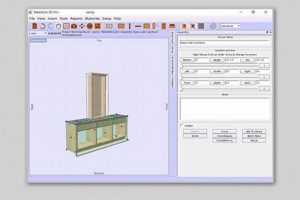
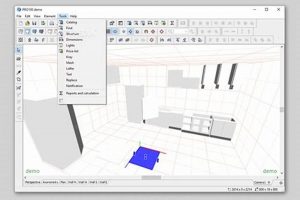
The utilization of computer-aided design (CAD) software to visualize and plan woodworking projects in three dimensions allows for a comprehensive understanding of the final product before any physical materials are cut. This process enables the creation of detailed models, simulating joinery, material textures, and overall aesthetics. For example, a complex cabinet design can be fully rendered, allowing adjustments to dimensions, hardware placement, and wood grain direction for optimal visual and structural integrity.
Employing this method offers numerous advantages, including minimized material waste, improved accuracy in measurements, and the ability to experiment with various design options efficiently. Historically, woodworking relied heavily on manual drafting and prototyping, which could be time-consuming and prone to errors. The advent of digital modeling represents a significant advancement, streamlining the workflow from concept to completion and fostering greater design creativity and precision.
The subsequent sections will delve into specific software applications tailored for furniture modeling, explore techniques for optimizing designs for CNC machining, and examine the collaborative aspects of sharing digital blueprints within woodworking communities. Further discussion will include the role of virtual reality in experiencing designs and its impact on user engagement.
Tips for Effective Woodworking 3D Design
This section outlines essential strategies to maximize the efficacy of digital modeling in woodworking projects. Implementing these tips can significantly improve accuracy, reduce errors, and streamline the overall design process.
Tip 1: Master Parametric Modeling: Leverage parametric functions within the software. By defining relationships between design elements, alterations to one parameter automatically update related components, ensuring design consistency and saving time.
Tip 2: Prioritize Accurate Material Representation: Implement material libraries that accurately reflect the physical properties of chosen wood species. This includes density, grain pattern, and texture. Accurate representation aids in visualizing the final product and predicting structural behavior.
Tip 3: Utilize Joint Simulation Features: Employ the software’s capabilities to simulate various woodworking joints, such as mortise and tenon, dovetails, and rabbets. Ensure proper alignment and structural integrity before commencing physical construction.
Tip 4: Conduct Virtual Assembly Simulations: Perform virtual assembly simulations to identify potential clashes or fitting issues before material cutting. This prevents costly errors and reduces material waste.
Tip 5: Optimize Designs for CNC Integration: When utilizing CNC machinery, optimize the digital model for toolpath generation. Consider factors such as bit size, cutting depth, and feed rates to ensure efficient and accurate machining.
Tip 6: Maintain Organized File Structures: Implement a consistent file naming and organization system. This facilitates easy retrieval of design files and ensures seamless collaboration with other woodworkers or machinists.
Tip 7: Regularly Back Up Design Files: Implement a robust backup strategy to safeguard against data loss due to hardware failures or software errors. This ensures the preservation of valuable design work and prevents project setbacks.
By adhering to these principles, woodworkers can harness the full potential of digital modeling, leading to increased precision, efficiency, and creativity in their craft. The integration of these practices transforms the design process from a potentially error-prone endeavor into a streamlined and controlled operation.
The subsequent segments will discuss specific software options available and advanced techniques for rendering and visualizing designs.
1. Visualization

Visualization, in the context of digital woodworking, refers to the creation of realistic and interactive three-dimensional models that allow stakeholders to fully comprehend the intended design before physical construction begins. This capability is intrinsically linked to employing CAD software and digital modeling, as it moves beyond the limitations of traditional two-dimensional drawings. The enhanced understanding provided by visualization minimizes costly errors resulting from misinterpretations of design specifications. For example, a complex dining table design can be rendered to show the interplay of light and shadow, accurately portraying the grain and finish of the wood, allowing adjustments to be made before any materials are committed to the project.
This process also allows for virtual exploration of the object from various angles, simulating the experience of interacting with the finished product. The creation of photo-realistic renderings and animations facilitates communication among designers, clients, and fabricators, ensuring a shared understanding of the final outcome. Consider a custom-built entertainment center; a high-quality rendering can illustrate the arrangement of shelves, doors, and hardware, allowing the client to provide feedback and request modifications to the layout before the first piece of wood is cut. The integration of augmented reality (AR) takes this a step further, allowing users to overlay the digital model onto the actual space, assessing the piece’s suitability in its intended environment.
In summary, visualization within the framework of this digital process is not merely an aesthetic exercise but a crucial component for ensuring design accuracy, minimizing waste, and enhancing client satisfaction. Although challenges exist in accurately representing material properties and achieving photorealistic renderings, the benefits of clear visual communication far outweigh the difficulties. This capability is essential for contemporary woodworking, enabling designs that were previously unattainable through traditional methods.
2. Precision

Precision, a cornerstone of high-quality woodworking, is significantly enhanced through the application of digital design methodologies. This connection stems from the inherent capability of computer-aided design (CAD) software to generate and manipulate designs with a level of accuracy unattainable through traditional manual methods. Dimensional errors, a frequent challenge in conventional woodworking, are minimized due to the software’s capacity to perform calculations to fractions of a millimeter. The cause-and-effect relationship is clear: meticulous digital design leads directly to improved precision in the final physical construction. For instance, complex joinery, such as dovetails or mortise-and-tenon joints, can be modeled and refined digitally, ensuring a perfect fit before any material is cut, thereby reducing material waste and labor time.
The importance of precision as a component of digital woodworking is paramount, particularly when integrating CNC (Computer Numerical Control) machining. These machines rely on precise digital blueprints to execute cuts and shapes accurately. Any discrepancies in the original design translate directly into errors in the machined components. Therefore, meticulous attention to detail during the design phase is critical for achieving desired outcomes. An example of practical significance lies in the creation of intricate inlays or curved furniture pieces; the digital design must account for material thickness, toolpath offsets, and potential warping to guarantee dimensional accuracy in the final product. This integration of digital precision not only elevates the quality of the finished piece but also reduces the need for manual adjustments and rework, optimizing the overall workflow.
In conclusion, the linkage between precision and woodworking 3D design is fundamental to modern woodworking practices. While achieving absolute precision may present challenges due to material variations and machine tolerances, the enhanced control and accuracy offered by digital design significantly mitigate these issues. The ability to visualize, simulate, and refine designs before physical creation represents a paradigm shift in the craft, enabling woodworkers to produce pieces of unparalleled quality and complexity. This increased precision not only contributes to superior craftsmanship but also unlocks new possibilities in design and innovation within the field.
3. Optimization

Optimization, within the domain of woodworking 3D design, represents the process of refining a digital model to achieve specific objectives, such as minimizing material waste, maximizing structural integrity, or streamlining the manufacturing process. It is a critical phase that leverages the capabilities of design software to improve the overall efficiency and effectiveness of the project.
- Material Usage Reduction
This facet involves minimizing the amount of raw material required to construct a piece of furniture or other woodworking project. Digital modeling allows for precise calculations of dimensions and nesting of parts within stock lumber, thereby reducing offcuts and scrap. For example, a cabinet design can be optimized to fit within standard sheet good dimensions, reducing waste and cost. This approach translates directly into cost savings and contributes to sustainable practices.
- Structural Integrity Enhancement
Optimization can focus on improving the structural stability and durability of a woodworking project. By simulating stress and load-bearing capacity within the digital model, designers can identify potential weak points and reinforce them through design modifications. For instance, the placement and type of joinery in a table design can be optimized to withstand specific weight loads, ensuring longevity and preventing structural failure. This enhances the safety and reliability of the final product.
- Manufacturing Process Streamlining
Optimizing designs for manufacturing involves adapting the digital model to suit specific production techniques, such as CNC machining or traditional handcrafting. This includes adjusting designs to accommodate toolpath limitations, minimizing machining time, and simplifying assembly procedures. For example, a complex curved component can be optimized for CNC routing by breaking it down into smaller, more manageable segments. This leads to reduced manufacturing time and improved efficiency.
- Aesthetic Refinement
While often associated with function and efficiency, optimization also extends to aesthetic considerations. Digital modeling allows for iterative adjustments to shape, form, and surface textures, enabling designers to achieve the desired visual appeal. For example, the curvature of a chair back can be refined to enhance ergonomic comfort while maintaining visual harmony with the overall design. This iterative process ensures that the final product is not only functional and efficient but also aesthetically pleasing.
These facets of optimization underscore the pivotal role digital woodworking design plays in enhancing efficiency, reducing waste, improving structural integrity, and refining aesthetics. While challenges exist in accurately simulating real-world conditions, the benefits of optimizing designs before physical construction are substantial. By leveraging the capabilities of digital modeling, woodworkers can achieve higher levels of precision, efficiency, and creativity in their craft, ultimately leading to superior products and sustainable practices.
4. Simulation

Simulation, within the context of woodworking 3D design, involves the use of digital modeling software to replicate real-world conditions and predict the behavior of a design under various stresses and constraints. The primary benefit lies in its ability to identify potential flaws or weaknesses in a design before any physical materials are committed to the project. This proactive approach reduces material waste, minimizes costly rework, and enhances the overall safety and durability of the finished product. For example, software can simulate the load-bearing capacity of a table design, predicting how it will respond to weight and identifying areas that require reinforcement. The direct result is a more robust and reliable design, optimized for its intended use.
The importance of simulation as a component of woodworking 3D design is particularly evident in complex projects involving intricate joinery or unconventional materials. Software can simulate the assembly process, identifying potential clashes or fitting issues that might not be apparent from static drawings. Consider the design of a curved staircase; simulation can be used to ensure that each step fits seamlessly with the supporting structure, avoiding misalignment and ensuring structural integrity. Furthermore, simulation can be used to optimize toolpaths for CNC machining, minimizing material removal time and improving surface finish. This integration of simulation into the design process allows for a more efficient and accurate manufacturing workflow.
In summary, the connection between simulation and woodworking 3D design is crucial for modern woodworking practices. While challenges exist in accurately replicating real-world variables, such as wood grain direction and humidity levels, the insights gained from digital simulation significantly enhance the quality, safety, and efficiency of woodworking projects. The ability to predict and mitigate potential issues before physical construction represents a significant advancement in the craft, enabling woodworkers to produce pieces of superior quality and complexity. This capability not only reduces waste and costs but also unlocks new possibilities for innovation and creativity within the field.
5. Collaboration
Collaboration, in the context of woodworking 3D design, represents the synergistic exchange of ideas, designs, and expertise among multiple stakeholders, facilitated by digital tools and platforms. This collaborative approach enhances efficiency, fosters innovation, and minimizes errors throughout the design and fabrication process.
- Remote Design Review
Digital models enable remote review and feedback from clients, designers, and engineers, irrespective of geographical location. Stakeholders can examine the design from multiple perspectives, provide annotations, and suggest modifications in real-time. A client in one location can review a design created by a woodworker in another, leading to faster design iterations and improved client satisfaction. This accelerates the overall timeline while ensuring design adherence to specifications.
- Shared Digital Blueprints
Digital blueprints facilitate seamless sharing of design information with fabricators and machinists. The exchange of accurate and detailed models reduces ambiguity and minimizes the risk of errors during the manufacturing process. For instance, a digital model can be directly imported into CNC machining software, eliminating the need for manual data entry and reducing the potential for human error. This reduces production costs and ensures consistent outcomes.
- Community Design Libraries
Online platforms and communities provide access to shared design libraries, where woodworkers can exchange models, components, and techniques. This collaborative knowledge base promotes learning, inspires new designs, and accelerates the development process. A novice woodworker can learn from experienced designers by studying their models and adapting them to their own projects. This encourages skill development and promotes design innovation across the woodworking community.
- Cross-Disciplinary Integration
Digital woodworking allows for integration with other design disciplines, such as architecture and interior design. Architects can incorporate digital woodworking designs into building models, ensuring seamless integration and consistent aesthetics. This leads to more harmonious and functional spaces, where woodworking elements complement the overall design scheme.
These collaborative facets, empowered by digital methodologies, enhance design accuracy, facilitate communication, and foster innovation within the woodworking domain. While challenges exist in managing file formats and ensuring data security, the benefits of collaborative woodworking far outweigh the difficulties. Digital platforms are revolutionizing the craft, enabling unprecedented levels of cooperation and knowledge sharing among woodworkers and stakeholders globally.
6. Automation

Automation, in the context of woodworking, represents the integration of computer-controlled machinery and processes to execute design plans generated through 3D modeling software. Its significance lies in enhanced precision, efficiency, and repeatability, transforming traditional woodworking from a primarily manual craft into a digitally driven manufacturing process.
- CNC Machining Integration
Computer Numerical Control (CNC) machines directly interpret digital designs created with woodworking 3D design software. This integration enables the automated cutting, shaping, and carving of wood components with a high degree of accuracy and consistency. For example, complex curves and intricate patterns, challenging to produce manually, are readily achievable through CNC routing based on precise 3D models. This drastically reduces production time and minimizes material waste.
- Robotic Assembly Systems
Robotic systems can be programmed to perform repetitive assembly tasks based on the digital blueprints generated through 3D design. These systems can automate processes such as gluing, fastening, and finishing, increasing production speed and reducing labor costs. In mass production environments, robotic arms can precisely assemble cabinet components according to the specifications defined in the 3D model, ensuring uniformity and minimizing errors.
- Automated Material Handling
Automated material handling systems optimize the flow of materials through the woodworking process. These systems utilize sensors and conveyors to transport wood stock to different machines, minimizing manual handling and reducing the risk of damage. For example, an automated system can load sheets of plywood onto a CNC router, then transport the cut components to a sanding station, all according to the optimized layout defined in the 3D design.
- Software-Driven Finishing Processes
Digital designs can inform automated finishing processes, such as spray painting and coating. Software controls the application of finishes, ensuring uniform coverage and minimizing overspray. A 3D model of a chair, for instance, can be used to program a robotic sprayer to apply paint evenly across all surfaces, resulting in a consistent and professional finish.
These facets of automation, driven by woodworking 3D design, collectively contribute to a paradigm shift in woodworking, transforming it from a labor-intensive craft into a highly efficient and precise manufacturing process. The ability to translate complex designs into automated production sequences enables the creation of intricate and high-quality woodworking products at scale, while minimizing waste and optimizing resource utilization. Further advancements in machine learning and artificial intelligence will likely further enhance the capabilities of automated woodworking systems, enabling even greater levels of customization and efficiency.
Frequently Asked Questions About Woodworking 3D Design
This section addresses common inquiries regarding the application of three-dimensional design principles and software within the woodworking industry. The information provided aims to clarify misconceptions and offer practical insights.
Question 1: What are the primary advantages of employing 3D design software for woodworking projects?
Utilizing 3D design software offers several key benefits. These include enhanced visualization of the final product before construction, improved accuracy in measurements and joinery, minimized material waste through optimized layouts, and the ability to simulate structural integrity and identify potential design flaws. Furthermore, it facilitates seamless communication and collaboration among designers, fabricators, and clients.
Question 2: Is specialized knowledge of computer-aided design (CAD) essential to utilize woodworking 3D design software effectively?
While prior experience with CAD software can be advantageous, it is not always a prerequisite. Many woodworking 3D design programs are specifically tailored for users with limited CAD experience, featuring intuitive interfaces and woodworking-specific tools. However, a basic understanding of geometric principles and digital modeling concepts will significantly accelerate the learning curve.
Question 3: What are the hardware requirements for running woodworking 3D design software?
Hardware requirements vary depending on the specific software and the complexity of the designs. In general, a computer with a dedicated graphics card, a multi-core processor, and sufficient RAM is recommended. Detailed system specifications are typically provided by the software developer.
Question 4: Can woodworking 3D design software be used to generate G-code for CNC machines?
Yes, many woodworking 3D design programs offer integrated features or plugins that enable the generation of G-code for CNC (Computer Numerical Control) machines. This allows for the automated fabrication of designs with a high degree of precision. However, careful consideration must be given to toolpath optimization and machine-specific parameters to ensure accurate and efficient machining.
Question 5: What file formats are commonly used for exchanging woodworking 3D designs?
Common file formats for exchanging woodworking 3D designs include .DWG, .DXF, .STEP, .IGES, and .STL. The choice of file format depends on the compatibility with the receiving software and the specific information that needs to be transferred, such as geometric data, material properties, and assembly constraints.
Question 6: How can one ensure the accuracy of the physical product when translating a 3D design into reality?
Accuracy can be maximized through several measures. These include utilizing precise measurement tools, validating the digital model against physical prototypes, accounting for material shrinkage and expansion, and implementing rigorous quality control procedures throughout the fabrication process. Furthermore, proper calibration of CNC machines and adherence to best practices in woodworking techniques are essential.
In summary, while woodworking 3D design offers numerous benefits, successful implementation requires a combination of technical proficiency, attention to detail, and a thorough understanding of woodworking principles. Careful planning and execution are crucial for realizing the full potential of this technology.
The subsequent section will delve into specific case studies illustrating the practical application and impact of woodworking 3D design in various projects.
Conclusion
This exploration has illuminated the pivotal role of woodworking 3d design in modern woodworking practices. From visualization and precision to optimization, simulation, collaboration, and automation, the integration of digital methodologies offers significant advantages in terms of efficiency, accuracy, and creative potential. The effective utilization of these tools empowers woodworkers to achieve levels of complexity and precision previously unattainable, contributing to both improved craftsmanship and reduced material waste. It has also established its influence in the fields like architecture and interior design with integration.
As technology continues to evolve, the importance of embracing woodworking 3d design will only increase. Woodworkers who adopt these digital tools and techniques will be best positioned to meet the demands of a rapidly changing industry, ensuring the continued relevance and innovation of the craft. The future of woodworking lies in the synergistic combination of traditional skills and advanced digital technologies, promising a new era of creativity and excellence.

![Top Rated Best Design App for Woodworking Designs [2024] | Step-by-Step Guides, Tools & Inspiration to Build Beautiful Wooden Decor on a Budget](https://woodfromhome.com/wp-content/uploads/2026/03/th-321-300x200.jpg "Top Rated Best Design App for Woodworking Designs [2024] Step-by-Step Guides, Tools & Inspiration to Build Beautiful Wooden Decor on a Budget")