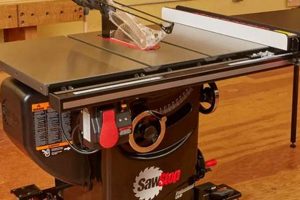
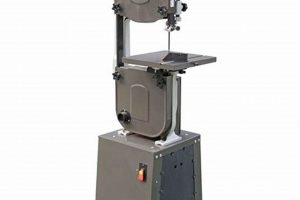
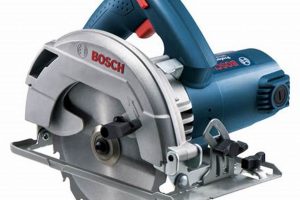
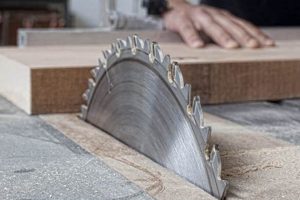
Determining the optimal cutting tool for shaping wood depends significantly on the intended task, type of wood being worked, and desired level of precision. The phrase encompasses a range of tools, from hand-powered saws designed for intricate work to power saws that prioritize speed and efficiency in larger-scale projects. A craftsman selecting a coping saw for detailed curves operates under the same principle as a builder utilizing a circular saw for framing; each is attempting to choose the most suitable instrument for a specific objective.
The selection of an appropriate wood-cutting implement directly impacts the quality of the finished piece, the efficiency of the work process, and the safety of the user. Historically, woodworking saw selection was limited to a smaller range of manual options. Today, advancements in power tool technology offer a diverse array, each with unique strengths and weaknesses. This expanded choice necessitates a careful evaluation of project requirements to ensure optimal results and minimize potential risks.
Subsequent sections will delve into the various types of saws available for woodworking, exploring their specific applications, advantages, and potential drawbacks. Considerations will include factors such as blade type, power source, and overall design, providing a comprehensive guide for making informed decisions regarding tool selection.
Essential Considerations for Optimal Saw Selection
Selecting the most effective saw for a woodworking task necessitates careful consideration of several key factors. Prioritizing these elements ensures precision, efficiency, and safety throughout the project.
Tip 1: Material Assessment: Before initiating any cut, identify the wood type’s density and grain. Hardwoods demand saws with greater power and durability, while softwoods may be effectively processed with lighter-duty tools. Consider, for instance, a fine-toothed saw for avoiding tear-out on delicate veneers.
Tip 2: Task Definition: Clearly define the nature of the cuts required. Straight cuts for dimensioning lumber differ significantly from curved cuts for decorative elements. A miter saw excels at precise angle cuts, while a jigsaw is better suited for irregular shapes.
Tip 3: Blade Selection: The blade is arguably the most critical component. Tooth count, blade material, and blade thickness all influence cut quality and speed. A blade with a high tooth count produces a smoother finish, ideal for cabinetry, whereas a lower tooth count is more efficient for rough cuts in thicker stock.
Tip 4: Power Source Considerations: Choose between corded and cordless options based on mobility and power requirements. Cordless saws offer flexibility on job sites, while corded saws generally provide consistent power for extended use. Evaluate battery life and charging time for cordless models.
Tip 5: Safety Features: Prioritize saws equipped with essential safety features such as blade guards, dust collection ports, and anti-kickback mechanisms. Proper personal protective equipment, including eye protection and hearing protection, is indispensable.
Tip 6: Ergonomic Design: The saw’s handle design and weight distribution influence user comfort and control. A saw with a comfortable grip and balanced weight reduces fatigue and improves accuracy, particularly during prolonged use.
Tip 7: Maintenance Practices: Regular cleaning and maintenance, including blade sharpening and lubrication, extend the life of the saw and maintain optimal performance. Dull blades necessitate more force, increasing the risk of accidents and reducing cut quality.
Adhering to these guidelines enables informed tool selection, leading to enhanced project outcomes and a safer woodworking environment. Careful evaluation of these factors is crucial for achieving professional-grade results.
The subsequent stage involves a comparative analysis of specific saw models, building upon these fundamental principles.
1. Cut Type

The nature of the intended cut is a primary determinant in selecting a saw for woodworking. The type of cut required whether straight, curved, or angled dictates the appropriate saw to achieve the desired precision and efficiency.
- Straight Cuts
Straight cuts, essential for dimensioning lumber and creating flat surfaces, are best accomplished with saws designed for linear precision. Table saws and circular saws are frequently employed for these tasks. A table saw offers a stationary, flat surface and fence system, facilitating accurate and repeatable straight cuts. A circular saw, being portable, provides flexibility for cutting larger materials or performing cuts on-site. The choice between these depends on the scale of the project and the need for portability.
- Curved Cuts
The creation of curved or irregular shapes necessitates saws with the ability to navigate non-linear paths. Jigsaws and band saws are the tools of choice for these applications. A jigsaw, with its reciprocating blade, is suitable for intricate curves and cutouts in thinner materials. A band saw, featuring a continuous blade loop, provides greater stability and cutting capacity for thicker stock and more complex curves. The intricacy of the curve and the material thickness will dictate which of these saws is best suited for the task.
- Angled Cuts
Angled cuts, often required for joinery and decorative elements, demand saws capable of precise angular adjustments. Miter saws and sliding compound miter saws excel in performing these cuts. A miter saw allows for accurate crosscuts at specified angles, while a sliding compound miter saw extends this capability to include bevel cuts (angles relative to the face of the material). The complexity of the angled cut, and whether compound angles are needed, guides the selection process.
- Specialty Cuts
Certain woodworking projects require specialized cuts, such as grooves, rabbets, or dados. These are often created using table saws equipped with specialized blades or routers. A dado blade set on a table saw can efficiently create wide grooves, while a router provides more flexibility for creating different groove shapes and depths. The specific nature of the specialty cut determines the best approach and the required tooling.
Ultimately, the cut type is a fundamental consideration in selecting the appropriate saw for woodworking. Whether the project requires straight lines, intricate curves, precise angles, or specialized grooves, understanding the specific demands of the cut is essential for achieving accurate and efficient results.
2. Wood Species

The selection of an appropriate saw for woodworking is significantly influenced by the species of wood being processed. The density, hardness, and grain structure of different wood types necessitate specific saw characteristics to achieve clean cuts, minimize tear-out, and ensure efficient operation. Understanding the properties of various wood species is, therefore, paramount when determining the optimal saw for a given task.
- Hardness and Blade Material
Hardwoods, such as oak, maple, and cherry, possess a higher density and resistance to cutting than softwoods. Processing these materials requires saws with durable blades crafted from high-speed steel or carbide-tipped teeth. Carbide-tipped blades, in particular, offer increased wear resistance and maintain sharpness for extended periods, making them well-suited for working with abrasive hardwoods. Conversely, softwoods like pine and fir can be effectively cut with less robust blades, although durable blades can still provide superior results. Using an inadequate blade on hardwoods can lead to premature dulling, increased friction, and potential damage to the saw.
- Grain Direction and Tooth Count
The grain direction of wood plays a critical role in cut quality. Cutting against the grain, particularly in hardwoods, can lead to tear-out, where wood fibers are pulled away from the surface. To mitigate this, a higher tooth count blade is recommended. The increased number of cutting edges provides a cleaner cut, minimizing splintering and tear-out. For softwoods, a lower tooth count blade may be sufficient, as the softer fibers are less prone to tearing. Therefore, blade selection must consider both the wood species and the orientation of the cut relative to the grain.
- Resin Content and Blade Lubrication
Certain wood species, notably pines and other resinous softwoods, contain significant amounts of resin. This resin can accumulate on the saw blade during cutting, increasing friction and potentially causing the blade to bind or overheat. To address this, blade lubrication is often necessary. Applying a lubricant, such as a specialized blade cleaner or even a dry lubricant, reduces friction and prevents resin buildup. Furthermore, selecting blades with specific tooth geometries designed to reduce resin adhesion can also be beneficial. Regular cleaning of the blade is essential when working with resinous woods to maintain optimal cutting performance.
- Exotic Woods and Specialized Blades
Exotic woods, such as ebony, teak, and rosewood, often possess unique characteristics that require specialized saw blades. These woods may be exceptionally hard, oily, or contain minerals that can rapidly dull standard blades. Diamond-tipped blades are frequently recommended for cutting these materials, as they offer exceptional hardness and resistance to wear. Additionally, the density and grain structure of exotic woods can vary significantly, necessitating careful consideration of tooth count and blade geometry to achieve clean and accurate cuts. Consulting with experienced woodworkers or tool manufacturers is advisable when working with unfamiliar exotic woods to ensure proper saw and blade selection.
In summary, the selection of an appropriate saw for woodworking is intrinsically linked to the species of wood being processed. Factors such as hardness, grain direction, resin content, and the presence of unusual characteristics in exotic woods necessitate careful consideration of blade material, tooth count, blade geometry, and the need for lubrication. Proper saw selection based on wood species ensures efficient cutting, minimizes tear-out, and maximizes the lifespan of the cutting tool.
3. Blade Quality
The performance of any woodworking saw is fundamentally contingent upon the quality of its blade. The blade is the direct interface between the tool and the material, therefore, it determines the precision, speed, and overall effectiveness of the cutting operation. Inferior blade quality negates the advantages of even the most sophisticated saw, leading to inaccurate cuts, excessive material waste, and increased user fatigue.
Blade quality is multidimensional, encompassing the material composition, tooth geometry, manufacturing precision, and heat treatment processes. High-carbon steel blades, while affordable, are susceptible to dulling quickly, especially when used on hardwoods. Carbide-tipped blades offer superior durability and maintain sharpness for significantly longer periods, making them a more economical choice in the long term, particularly for frequent woodworking applications. Tooth geometry, including the rake angle, gullet depth, and set, is tailored to specific cutting tasks and material types. Incorrect tooth geometry leads to inefficient cutting, tear-out, and potential kickback. Manufacturing precision ensures consistent tooth alignment and blade flatness, which are crucial for accurate cuts. Improper heat treatment results in blades that are either too brittle and prone to fracture, or too soft and prone to bending.
The practical implications of blade quality are evident in numerous woodworking scenarios. A cabinetmaker relying on a high-quality, fine-toothed blade achieves clean, splinter-free cuts on delicate veneers, resulting in a professional finish. A construction worker using a durable, carbide-tipped blade on a circular saw can efficiently cut through framing lumber without frequent blade changes, saving time and reducing project costs. Conversely, using a low-quality blade leads to inaccurate cuts, requiring rework and increasing material waste. The selection of the appropriate blade quality is, therefore, an indispensable component of selecting the optimal woodworking saw. In conclusion, understanding the multifaceted nature of blade quality and its direct impact on cutting performance is paramount for informed decision-making in woodworking.
4. Power Source

The energy source powering a woodworking saw fundamentally influences its performance, portability, and suitability for different applications. Determining the best saw for woodworking necessitates a careful evaluation of available power options, each presenting distinct advantages and limitations.
- Corded Electric: Consistent Power and Reliability
Corded electric saws offer a consistent and readily available power supply, ideal for stationary or workshop-based applications where access to an electrical outlet is not a limitation. Table saws, miter saws, and stationary band saws frequently utilize corded power due to their high power demands and typical placement within a shop environment. A key advantage lies in the elimination of battery life concerns, enabling continuous operation for extended periods. However, the reliance on a power cord restricts mobility and may pose logistical challenges on job sites or in locations lacking accessible electrical infrastructure. The sustained power delivery makes corded saws suitable for demanding tasks such as cutting hardwoods or thick stock.
- Cordless Battery: Portability and Flexibility
Cordless battery-powered saws provide unparalleled portability and freedom of movement, proving advantageous for on-site construction, remote woodworking projects, or situations where power outlets are inaccessible. Circular saws, jigsaws, and reciprocating saws often utilize battery power for enhanced maneuverability. The convenience of cordless operation comes with considerations regarding battery runtime and charging time. Battery technology has advanced significantly, but users must still factor in the potential for interruptions due to battery depletion. Moreover, cordless saws may, in some cases, exhibit slightly reduced power compared to their corded counterparts, which could impact performance when working with exceptionally dense or thick materials. However, for many applications, the convenience and portability of cordless saws outweigh these limitations. The voltage and amp-hour rating of the battery significantly impact power and run time.
- Pneumatic Air: Specialized Applications and Power-to-Weight Ratio
Pneumatic air-powered saws, though less common than electric models, find specialized applications in certain woodworking contexts. These tools, typically requiring an external air compressor, offer a high power-to-weight ratio, making them suitable for tasks demanding substantial force with minimal tool weight. Examples include pneumatic reciprocating saws used for demolition work or air-powered detail saws utilized in intricate carving. While pneumatic saws deliver considerable power, their dependence on an air compressor introduces logistical considerations regarding compressor size, hose length, and noise levels. The initial investment in an air compressor system may also be a deterrent for some users, limiting the widespread adoption of pneumatic saws in general woodworking.
The choice of power source fundamentally shapes the usability and effectiveness of a woodworking saw. Corded electric saws provide unwavering power for stationary tasks, while cordless options offer unparalleled mobility. Pneumatic saws, though specialized, cater to niche applications demanding a high power-to-weight ratio. The optimal power source, therefore, depends entirely on the specific needs and constraints of the woodworking project and working environment, directly influencing the selection of the “best saw for woodworking”.
5. Safety Features

The integration of safety features is not merely an ancillary consideration, but an intrinsic component in determining the most appropriate cutting tool for woodworking. The selection process must prioritize saws equipped with mechanisms designed to mitigate potential hazards, thereby minimizing the risk of injury and promoting a safe working environment. Neglecting these features compromises user well-being and undermines the efficiency of the woodworking process.
- Blade Guards and Covers
Blade guards and covers represent a fundamental safety mechanism, providing a physical barrier between the user and the exposed cutting edge. These devices, typically constructed from durable materials such as polycarbonate or metal, shield the operator from accidental contact with the blade during operation. Examples include retractable blade guards on circular saws and stationary blade covers on table saws. The effectiveness of blade guards hinges on their proper adjustment and consistent use. Failure to utilize these guards significantly elevates the risk of lacerations and other serious injuries, rendering a saw inherently less suitable, regardless of its other attributes.
- Anti-Kickback Mechanisms
Kickback, a sudden and forceful ejection of the workpiece towards the operator, poses a significant hazard in woodworking, particularly when using table saws. Anti-kickback mechanisms, such as pawls and riving knives, are designed to prevent this phenomenon. Pawls grip the workpiece, preventing it from being thrown backwards, while riving knives maintain separation between the two halves of the cut, reducing the likelihood of the wood pinching the blade and initiating a kickback event. Saws lacking these mechanisms are inherently more dangerous and less desirable, especially for users with limited experience.
- Dust Collection Ports and Systems
The generation of airborne sawdust during woodworking activities presents a respiratory hazard and can obscure the user’s vision, increasing the risk of accidents. Dust collection ports and systems facilitate the extraction of sawdust at the source, reducing exposure to harmful particles and maintaining a clear line of sight. These systems range from simple dust ports that connect to shop vacuums to more elaborate, centralized dust collection systems. Prioritizing saws with effective dust collection capabilities promotes a healthier and safer working environment.
- Emergency Stop Controls
Emergency stop controls provide a means to rapidly halt the operation of a saw in the event of an unforeseen incident or equipment malfunction. These controls, typically in the form of readily accessible buttons or switches, allow the user to immediately shut down the saw, preventing further damage or injury. The strategic placement and ease of activation of emergency stop controls are critical factors in their effectiveness. Saws lacking these controls present a heightened risk in emergency situations.
The integration of these safety features is not merely a matter of regulatory compliance but rather a fundamental aspect of responsible tool selection. Saws that prioritize operator safety through the inclusion of blade guards, anti-kickback mechanisms, dust collection systems, and emergency stop controls are inherently superior choices. In essence, the best cutting tool for woodworking is not solely defined by its cutting performance but also by its capacity to protect the user from harm. A tool’s value is diminished if it compromises the well-being of the woodworker using it. Prioritizing safety features ultimately leads to enhanced productivity, reduced downtime, and a more rewarding woodworking experience.
Frequently Asked Questions
This section addresses common inquiries regarding the selection of woodworking saws. The intent is to provide concise, informative answers to assist in making well-informed decisions.
Question 1: Is a single saw sufficient for all woodworking tasks?
No, a single saw is rarely sufficient. Woodworking encompasses a diverse range of cuts and materials. Different saw types are designed for specific tasks, and relying on a single tool compromises efficiency and precision.
Question 2: Does a higher price always equate to a better saw?
Not necessarily. While higher-priced saws often possess superior build quality and features, the optimal saw depends on the intended application. A less expensive, specialized saw may be more appropriate for specific tasks than a general-purpose, high-end model.
Question 3: How important is blade selection compared to the saw itself?
Blade selection is of paramount importance. The blade is the primary cutting element, and its quality directly impacts cut precision and efficiency. A high-quality blade significantly improves the performance of even a basic saw.
Question 4: What is the primary advantage of cordless saws over corded models?
The primary advantage is portability. Cordless saws provide freedom of movement and eliminate the need for a power outlet, making them suitable for job sites and remote locations.
Question 5: How frequently should saw blades be sharpened?
The frequency of sharpening depends on usage and the material being cut. Blades should be sharpened when they exhibit reduced cutting efficiency, increased effort required for cutting, or produce splintered edges.
Question 6: Are safety features on woodworking saws truly necessary?
Safety features are absolutely essential. They mitigate the risk of injury and create a safer working environment. Prioritizing saws with robust safety mechanisms is a fundamental responsibility.
In summary, selecting the optimal saw necessitates careful consideration of numerous factors, including task requirements, material properties, blade quality, power source, and safety features. No single saw is universally superior; the best choice depends on the specific needs of the woodworker and the project at hand.
The subsequent article section will explore advanced techniques to assist with informed decision-making.
Concluding Remarks on Optimal Woodworking Saw Selection
This exploration of “what is the best saw for woodworking” has elucidated the multifaceted nature of tool selection. The determination hinges upon a comprehensive evaluation of cut type, wood species, blade quality, power source, and integrated safety mechanisms. Each factor contributes significantly to the efficiency, precision, and safety of woodworking endeavors. No singular saw model represents a universal solution; rather, the optimal choice is dictated by the specific demands of the project and the working environment.
The pursuit of the most suitable woodworking saw necessitates ongoing evaluation and adaptation. As projects evolve and new materials are encountered, the informed woodworker must continually refine their tool selection criteria. A commitment to safety and a thorough understanding of saw mechanics remain paramount in achieving consistent and professional results. Investing in quality tools and developing a deep understanding of their capabilities is essential for any serious woodworking practitioner.