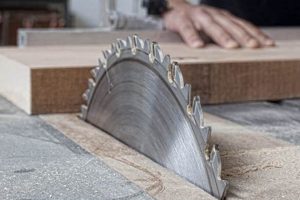
These specialized tools, originating from Japan, represent a unique approach to cutting wood, differing significantly from Western saws. They are characterized by their thin blades, hardened teeth, and a pull-stroke cutting action. This design facilitates cleaner cuts with minimal material waste, making them desirable for intricate joinery and fine woodworking.
The precision and efficiency offered by these saws have made them increasingly popular among woodworkers worldwide. Their ability to create smooth, accurate cuts reduces the need for extensive sanding and finishing. Historically, these tools reflect a commitment to craftsmanship and material conservation, principles deeply rooted in Japanese woodworking traditions. This emphasis on precision and efficiency aligns well with contemporary woodworking practices emphasizing sustainability and minimizing waste.
The following sections will delve into the various types available, the key features to consider when selecting one, and provide examples of highly regarded models that excel in different woodworking applications. Understanding these aspects is crucial for making an informed decision and realizing the full potential of these tools in the workshop.
Selecting and Maintaining Specialized Woodworking Saws
The following guidelines provide essential information for selecting and maintaining specialized woodworking saws to ensure optimal performance and longevity.
Tip 1: Blade Selection: Consider the tooth configuration and blade thickness. Finer teeth are suitable for hardwoods and precise cuts, while coarser teeth expedite material removal in softer woods. Thinner blades minimize material waste and facilitate smoother cuts.
Tip 2: Handle Ergonomics: Evaluate the handle’s shape and material. A comfortable, secure grip is essential for control and reducing fatigue during prolonged use. Traditional wood handles offer a tactile feel, while synthetic materials provide enhanced durability and resistance to moisture.
Tip 3: Tooth Hardness: Verify the steel’s hardness. Impulse-hardened teeth retain their sharpness longer, reducing the need for frequent sharpening. Non-hardened teeth can be sharpened more readily, offering a cost-effective option for less demanding tasks.
Tip 4: Cutting Stroke Technique: Master the pull-stroke technique. Apply consistent, controlled pressure during the pull stroke, allowing the teeth to efficiently remove material. Avoid forcing the saw, which can damage the blade.
Tip 5: Blade Storage: Store blades properly. Protect blades from moisture and impact to prevent rust and damage to the teeth. Use protective sheaths or dedicated storage containers to ensure safe handling and prevent accidental injury.
Tip 6: Blade Cleaning: Clean blades regularly. Remove sawdust and resin buildup after each use with a stiff brush or solvent-based cleaner. This prevents friction and maintains cutting efficiency.
Tip 7: Sharpening Considerations: Understand sharpening needs. While some blades are disposable, others can be sharpened. Learn the proper sharpening techniques or seek professional sharpening services to maintain optimal cutting performance.
Adhering to these recommendations ensures that specialized woodworking saws remain a valuable asset, delivering precise and efficient cutting performance for a wide range of woodworking projects.
The subsequent section will summarize the core features discussed and offer final thoughts on incorporating these tools into a woodworking practice.
1. Blade Steel Hardness

Blade steel hardness is a paramount characteristic that dictates the performance and longevity of specialized Japanese saws. The steel’s capacity to resist deformation and wear directly correlates with the tool’s ability to maintain a sharp cutting edge over extended use. This characteristic significantly influences the saw’s overall efficiency and effectiveness in diverse woodworking applications.
- Edge Retention
A higher steel hardness value, typically measured using the Rockwell scale, indicates superior edge retention. This means the blade remains sharp for a longer duration, reducing the frequency of sharpening. For example, saws crafted from high-carbon steel alloys with a hardness rating above 60 HRC are commonly used for demanding tasks requiring sustained sharpness. The implications are decreased downtime for maintenance and increased productivity in the workshop.
- Resistance to Wear
Harder steel alloys exhibit enhanced resistance to abrasion and wear from repeated contact with wood fibers. This is particularly important when working with dense hardwoods, as softer steels may dull quickly, leading to increased cutting effort and reduced precision. For example, certain Japanese saws utilize powdered metallurgy steels which achieve exceptional hardness and wear resistance. This is especially beneficial for tasks like creating dovetail joints where precision is critical.
- Sharpening Requirements
While harder steels offer superior edge retention, they can also be more challenging to sharpen. Traditional sharpening methods may require specialized tools and techniques to achieve the desired edge geometry. Conversely, softer steels are easier to sharpen but necessitate more frequent maintenance. The balance between edge retention and ease of sharpening represents a crucial consideration in tool selection. For instance, some woodworkers may prefer a slightly softer steel that allows for quick touch-ups with a honing stone, whereas others prioritize the long-lasting sharpness of a harder steel even if it requires professional sharpening.
- Brittleness Considerations
Extremely high hardness values can sometimes lead to increased brittleness, making the blade more susceptible to chipping or breakage under stress. Selecting an appropriate steel alloy that balances hardness with toughness is therefore essential. For instance, some manufacturers incorporate specific alloying elements to enhance the steel’s impact resistance without sacrificing significant hardness. This ensures the saw can withstand the rigors of demanding woodworking tasks without premature failure.
In conclusion, the blade steel hardness of specialized Japanese saws is a crucial determinant of their cutting performance, durability, and maintenance requirements. Selecting a saw with appropriate hardness characteristics aligned with the intended woodworking applications is essential for achieving optimal results and maximizing the tool’s lifespan. The interplay between hardness, wear resistance, sharpening ease, and brittleness must be carefully considered to ensure the chosen saw represents a practical and effective investment for the woodworker.
2. Tooth Geometry Design

Tooth geometry design constitutes a critical determinant in the performance and application of specialized Japanese saws. Variations in tooth shape, set, and rake angle directly influence the saw’s cutting efficiency, the smoothness of the resulting surface, and its suitability for specific wood types and cutting tasks.
- Rake Angle and Cutting Aggressiveness
The rake angle, defined as the angle between the tooth face and a line perpendicular to the blade, dictates the aggressiveness of the cut. A steeper rake angle (positive rake) allows the teeth to bite more aggressively into the wood, resulting in faster material removal. Conversely, a shallower rake angle (negative rake) produces a smoother cut with reduced tear-out, especially in brittle or figured wood. Examples include saws with steeper rake angles designed for rapid stock removal in construction lumber, while saws with shallower angles are preferred for fine woodworking tasks requiring a pristine finish. The choice of rake angle represents a crucial trade-off between cutting speed and surface quality.
- Tooth Set and Friction Reduction
Tooth set refers to the alternating offset of teeth from the blade’s centerline. This offset creates a kerf (the width of the cut) that is wider than the blade’s thickness, reducing friction between the blade and the wood. Excessive set can lead to a rough cut and increased material waste, while insufficient set can cause the blade to bind. Different saw designs incorporate varying degrees of set depending on the intended application. For example, saws intended for cutting wet or resinous wood often feature a greater set to prevent binding. Similarly, saws designed for delicate cuts in thin materials may have a minimal set to minimize tear-out. The optimal tooth set balances friction reduction with cut quality.
- Tooth Pitch and Material Type
Tooth pitch, or the number of teeth per inch (TPI), significantly influences the saw’s performance with different wood types. A higher TPI (finer teeth) is generally preferred for hardwoods, producing a smoother cut and reducing the risk of splintering. A lower TPI (coarser teeth) is more suitable for softwoods, allowing for faster material removal. The selection of tooth pitch must align with the wood’s density and grain structure to ensure optimal cutting efficiency and surface quality. Saws with variable tooth pitch are also available, offering a compromise between cutting speed and smoothness.
- Gullet Design and Waste Removal
The gullet, the space between the teeth, is responsible for channeling sawdust away from the cutting edge. The shape and size of the gullet significantly impact the saw’s ability to remove waste material. A larger gullet facilitates efficient waste removal, preventing the saw from binding and allowing for continuous cutting. However, an excessively large gullet can weaken the tooth structure. Gullet design often complements the tooth pitch and set, ensuring efficient waste removal for the intended wood type and cutting task.
In summary, tooth geometry design plays a pivotal role in determining the performance and application of specialized Japanese saws. Rake angle, tooth set, tooth pitch, and gullet design all contribute to the saw’s cutting efficiency, surface quality, and suitability for various wood types and cutting tasks. A thorough understanding of these design elements allows woodworkers to select the optimal saw for their specific needs and achieve superior results. The interplay of these features is important to obtain the “best japanese saws for woodworking.”
3. Handle Ergonomics
Handle ergonomics is a critical factor influencing the performance and usability of Japanese saws. The design and material composition of the handle directly affect the user’s grip, control, and overall comfort, consequently impacting the accuracy and efficiency of cutting operations. A well-designed handle minimizes fatigue and enhances the woodworker’s ability to execute precise cuts.
- Grip Profile and Hand Fatigue
The grip profile, encompassing the handle’s shape and cross-sectional dimensions, significantly affects hand fatigue. A handle that conforms comfortably to the hand’s natural curvature distributes pressure evenly, reducing strain on specific pressure points. For example, handles with a slightly oval or elliptical cross-section often provide a more secure and comfortable grip compared to purely cylindrical handles. Materials like wood and certain polymers offer inherent damping properties that further reduce vibrations and minimize fatigue during extended use. In selecting the best Japanese saws for woodworking, consideration of grip profile is critical for sustained performance.
- Material Properties and Environmental Factors
The handle material influences its grip characteristics and its resistance to environmental factors. Wood handles, traditionally favored for their tactile feel and aesthetic appeal, require proper sealing and maintenance to prevent moisture absorption and warping. Synthetic materials, such as polymers and elastomers, offer increased resistance to moisture, chemicals, and abrasion. For example, handles made from glass-filled nylon provide excellent strength and durability, while those incorporating rubberized coatings enhance grip in wet or humid conditions. The selection of handle material must balance comfort, durability, and resistance to the workshop environment, important for the best japanese saws for woodworking.
- Handle Length and Leverage
The handle length affects the leverage applied during the cutting stroke. A longer handle provides greater leverage, reducing the effort required to cut through thick or dense materials. However, an excessively long handle can compromise control and maneuverability, particularly in confined spaces. The optimal handle length depends on the saw’s size and intended application. For example, larger saws used for cutting framing lumber often feature longer handles, while smaller saws designed for intricate joinery benefit from shorter, more manageable handles. This balance of leverage and control is pivotal for optimal sawing.
- Handle Angle and Cutting Posture
The handle angle, relative to the blade, affects the woodworker’s posture and the angle of attack on the workpiece. A well-designed handle angle promotes a natural and comfortable cutting posture, minimizing strain on the wrist and shoulder. For example, some Japanese saws feature handles with a slight offset angle to align the wrist and forearm for optimal ergonomics. This allows for a more efficient transfer of force during the pull stroke, reducing fatigue and improving cutting accuracy. Selecting a saw that promotes ergonomic cutting postures is key for sustained performance and injury prevention, and contributes to the “best japanese saws for woodworking.”
In conclusion, handle ergonomics are a critical determinant of the usability and performance of Japanese saws. The grip profile, material properties, handle length, and handle angle collectively influence the user’s comfort, control, and cutting efficiency. Careful consideration of these factors is essential when selecting a saw to ensure optimal performance and minimize the risk of fatigue or injury. The “best Japanese saws for woodworking” will integrate ergonomic design principles to enhance the user experience and promote efficient cutting operations.
4. Kerf Width Accuracy
Kerf width accuracy is a fundamental attribute directly impacting the precision and quality of woodworking projects. In the context of specialized Japanese saws, characterized by their thin blades and pull-stroke cutting action, the consistency and predictability of the kerf are paramount. Variations in kerf width can compromise joinery, necessitate additional material removal, and ultimately affect the overall structural integrity and aesthetic appeal of the finished piece.
- Joinery Precision
Accurate kerf width is essential for tight-fitting joints. Japanese saws are frequently employed for intricate joinery techniques such as dovetails, mortise and tenon, and miter joints. If the kerf width deviates from the intended dimension, the resulting joints may be too loose or too tight, requiring corrective measures that compromise the joint’s strength and appearance. For example, a dovetail joint cut with an inconsistent kerf may exhibit gaps or require shims, detracting from the overall quality of the piece. The best Japanese saws for woodworking maintain a consistent kerf to ensure precise joinery.
- Material Conservation
A narrow, consistent kerf minimizes material waste. Japanese saws are valued for their ability to produce fine, clean cuts with minimal material loss. In woodworking projects involving expensive or rare woods, reducing material waste is crucial. Inconsistent kerf width necessitates additional material removal to achieve the desired dimensions, leading to unnecessary waste. The best Japanese saws for woodworking are engineered to produce a consistently narrow kerf, contributing to efficient material usage.
- Surface Finish Quality
Kerf width accuracy contributes to a cleaner, smoother surface finish. When the kerf is consistent, the teeth of the saw engage the wood fibers in a uniform manner, resulting in a smoother cut with reduced tear-out. An erratic kerf can lead to uneven cutting and a rougher surface that requires more extensive sanding or planing. The best Japanese saws for woodworking maintain consistent kerf width to facilitate a superior surface finish, reducing the need for post-cutting processing.
- Blade Stability and Control
Consistent kerf width is indicative of blade stability and control. A saw that produces a predictable kerf demonstrates that the blade is tracking straight and resisting deflection during the cutting stroke. Variations in kerf width may indicate that the blade is flexing or wandering, making it difficult to maintain a straight line. The best Japanese saws for woodworking are designed with blade geometries and tensioning that promote stability and control, resulting in a consistent kerf width.
The connection between kerf width accuracy and the best Japanese saws for woodworking is undeniable. Saws that consistently produce a narrow, predictable kerf enable woodworkers to achieve precise joinery, minimize material waste, obtain superior surface finishes, and maintain control throughout the cutting process. These attributes are hallmarks of high-quality Japanese saws, making them indispensable tools for discerning woodworkers.
5. Cutting Efficiency
Cutting efficiency, in the context of woodworking, refers to the ability of a saw to remove material quickly and cleanly with minimal effort from the user. It is a multifaceted attribute directly influenced by the saw’s design, materials, and the technique employed. With specialized Japanese saws, the relationship between these factors is particularly critical. The thin blades, unique tooth geometry, and pull-stroke cutting action characteristic of these tools are specifically engineered to maximize cutting efficiency. A saw that requires excessive force to operate or produces a rough, uneven cut is inherently inefficient, leading to increased fatigue and diminished results. Consider the task of cutting dovetails; an inefficient saw would demand more time and effort to create the necessary joints, potentially compromising their precision. Therefore, cutting efficiency is a primary determinant of the overall value and utility of the best japanese saws for woodworking.
Achieving optimal cutting efficiency involves a careful balance of several key elements. The hardness and sharpness of the blade teeth dictate the rate at which material can be removed. The tooth set and rake angle influence the smoothness of the cut and the amount of force required. The handle design affects the user’s grip and control, contributing to a more effective transfer of power. Real-world examples of this can be observed in the varying performance of different saw types. A Ryoba saw, designed with both rip and crosscut teeth, offers versatility in efficiently processing various wood grains. A Dozuki saw, with its reinforced back, provides stability for extremely fine and precise cuts, maximizing efficiency in detail work. An important aspect also is the condition of the blade; a dull or improperly maintained blade will drastically reduce cutting efficiency, regardless of the saw’s inherent design.
In summary, cutting efficiency is not merely a desirable attribute, but an essential component of the “best Japanese saws for woodworking.” It directly impacts the speed, precision, and ease of woodworking tasks. While achieving optimal cutting efficiency requires an understanding of saw design and materials, it also necessitates proper maintenance and skillful application. By prioritizing cutting efficiency, woodworkers can enhance their productivity, minimize fatigue, and achieve superior results in their craft. One notable challenge is matching the correct type of saw and technique to the task at hand. Ultimately, the value derived from utilizing specialized Japanese saws hinges on their ability to transform effort into efficient and satisfying results.
Frequently Asked Questions
This section addresses common inquiries regarding specialized Japanese saws and their application in woodworking. The information provided aims to clarify misconceptions and offer practical guidance for selecting and utilizing these tools effectively.
Question 1: What distinguishes Japanese saws from Western saws?
Japanese saws, unlike Western saws, typically cut on the pull stroke. This reduces blade buckling and allows for thinner, harder blades, resulting in narrower kerfs and cleaner cuts. Western saws generally cut on the push stroke, requiring thicker blades to prevent bending.
Question 2: Which type of Japanese saw is best for cutting dovetails?
The Dozuki saw, characterized by its thin blade and rigid back, is ideally suited for cutting precise dovetails. The back provides stability and prevents the blade from flexing, ensuring accurate cuts along the dovetail’s baseline.
Question 3: Can Japanese saws be sharpened?
Some Japanese saws feature replaceable blades and are not intended for sharpening. Other types, particularly those with non-impulse-hardened teeth, can be sharpened using specialized files and techniques. The feasibility of sharpening depends on the saw’s design and the blade’s material.
Question 4: What is the significance of tooth pitch (TPI) in a Japanese saw?
Tooth pitch, measured in teeth per inch (TPI), determines the aggressiveness and smoothness of the cut. Higher TPI values are suitable for hardwoods, producing finer cuts with reduced tear-out. Lower TPI values are more effective for softwoods, facilitating faster material removal.
Question 5: How should Japanese saws be stored to prevent damage?
Japanese saws should be stored in a dry environment, preferably with a protective sheath or blade cover. This prevents rust formation and protects the delicate teeth from damage. Avoid storing saws in locations where they may be subjected to impact or excessive pressure.
Question 6: Are Japanese saws suitable for all types of wood?
While Japanese saws are versatile, their performance varies depending on the wood species. Hardwoods benefit from saws with high TPI and durable blades, while softwoods are better suited to saws with lower TPI and more aggressive cutting action. The selection of the appropriate saw type is essential for optimal results.
In essence, understanding the nuances of Japanese saw design, maintenance, and application is crucial for maximizing their benefits in woodworking. Careful consideration of these factors ensures precision, efficiency, and longevity.
The subsequent section will explore advanced techniques and applications for best japanese saws for woodworking, building upon the foundational knowledge presented thus far.
Concluding Remarks on Specialized Saws
This exploration has elucidated the features, benefits, and considerations associated with specialized Japanese saws. From blade steel hardness and tooth geometry to handle ergonomics and kerf width accuracy, each element contributes to the tool’s overall performance. The informed application of these saws offers the potential for enhanced precision, efficiency, and material conservation in woodworking endeavors.
The discerning woodworker will recognize that the acquisition of appropriate tools represents an investment in craftsmanship. Continued exploration and refinement of technique are crucial for realizing the full potential of these specialized saws, enabling the execution of increasingly complex and refined woodworking projects.