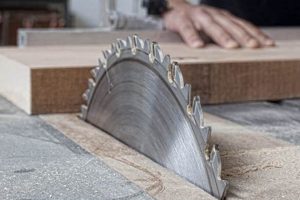
A specialized cutting tool is essential for achieving clean, precise results in detailed woodworking projects. This type of saw blade is engineered to minimize tear-out and produce smooth edges on delicate materials. An example includes blades with a high tooth count and specialized tooth geometry designed for specific wood types.
The selection of an appropriate cutting tool significantly impacts the quality and efficiency of woodworking. Employing a purpose-built blade reduces the need for extensive sanding and finishing, saving time and resources. Historically, woodworkers relied on hand tools for precision; the evolution to specialized power tool blades represents a significant advancement in achieving intricate cuts with greater ease and accuracy.
The subsequent sections will explore key factors in selecting the appropriate tool, including tooth count, grind type, blade material, and specific applications in fine woodworking projects. Different blade configurations are suitable for tasks such as cross-cutting, ripping, and creating dados. Understanding these characteristics is crucial for achieving optimal results.
Essential Guidance for Optimal Woodworking Cuts
Achieving superior results in fine woodworking necessitates careful consideration of blade selection and usage. The following tips provide guidance for maximizing the performance and longevity of specialized cutting tools.
Tip 1: Prioritize Tooth Count: Higher tooth counts generally yield smoother cuts, minimizing splintering and tear-out. Blades with 60 or more teeth are recommended for detailed work in hardwoods and delicate materials.
Tip 2: Select Appropriate Grind: Alternate Top Bevel (ATB) grinds are versatile and effective for cross-cutting, providing clean edges. Triple Chip Grind (TCG) blades are better suited for cutting abrasive materials or achieving a smoother finish on hardwoods.
Tip 3: Blade Material Considerations: Carbide-tipped blades offer enhanced durability and extended lifespan compared to high-speed steel (HSS) blades. Carbide is particularly advantageous when working with dense or abrasive woods.
Tip 4: Maintain Blade Sharpness: Dull blades can lead to increased friction, burning, and reduced cut quality. Regular sharpening or replacement of blades is essential for maintaining optimal performance and safety.
Tip 5: Control Feed Rate: Avoid forcing the blade through the material. A steady, controlled feed rate allows the blade to cut cleanly, reducing stress on the tool and minimizing the risk of kickback.
Tip 6: Stabilize the Workpiece: Securely clamp the workpiece to prevent movement during cutting. This ensures accurate cuts and minimizes the potential for splintering or chipping.
Effective blade selection and proper technique are paramount for achieving precise and aesthetically pleasing results in fine woodworking. Adhering to these recommendations will enhance the quality of finished pieces and extend the useful life of cutting tools.
The subsequent section will discuss specific applications and provide detailed comparisons of various blade types, further assisting in informed decision-making.
1. Tooth Count
The tooth count on a circular saw blade is a primary determinant of cut quality, directly influencing its suitability for fine woodworking. A blade’s tooth count specifies the number of individual cutting teeth present on its circumference. This characteristic is crucial for achieving clean, precise cuts on wood.
- Smoothness of Cut
Higher tooth counts typically produce smoother cuts. More teeth engage the material simultaneously, reducing the size of each individual chip and minimizing splintering or tear-out. This is particularly beneficial when working with hardwoods or delicate veneers where a clean edge is paramount. A blade with 60+ teeth is often preferred for these applications.
- Cutting Speed
Conversely, lower tooth counts generally lead to faster cutting speeds. With fewer teeth engaging the material, each tooth removes a larger volume of wood per revolution. While this increases cutting speed, it also increases the risk of a rougher cut. Blades with fewer teeth (e.g., 24-40 teeth) are better suited for ripping applications where speed is prioritized over finish quality.
- Material Thickness
The tooth count should also be considered in relation to the material’s thickness. Thicker materials require fewer teeth engaged at any given time to prevent the saw from bogging down. A higher tooth count might be appropriate for thin materials, whereas a lower tooth count might be preferable for thicker stock.
- Blade Vibration and Noise
Higher tooth count blades can sometimes produce more vibration and noise due to the increased number of teeth impacting the material. However, advancements in blade design, such as vibration-dampening features, can mitigate these effects, allowing for quieter and smoother operation.
In conclusion, tooth count is a critical consideration when selecting a circular saw blade for fine woodworking. The optimal tooth count will depend on the specific material being cut, the desired finish quality, and the balance between cutting speed and precision. Selecting a blade with an appropriate tooth count is essential for achieving professional results.
2. ATB Grind

The Alternate Top Bevel (ATB) grind is a significant characteristic influencing the performance of a circular saw blade, particularly when assessing its suitability for detailed woodworking. This grind type affects the blade’s ability to produce clean, precise cuts, making it a key consideration in determining the “best circular saw blade for fine woodworking.”
- Cutting Action and Edge Quality
ATB grinds feature teeth with alternating bevels on their top edges, angled in opposite directions. This configuration provides a slicing action as the blade cuts through the material, resulting in cleaner edges and reduced splintering. Examples include smooth crosscuts on hardwood panels or precise miter cuts for furniture construction. The ATB grind minimizes tear-out, crucial for achieving a professional finish.
- Versatility Across Wood Types
ATB blades offer a balance between cutting speed and finish quality, making them versatile across a range of wood types. They perform well on both hardwoods and softwoods, rendering them suitable for diverse woodworking projects. An ATB blade can effectively cut maple, cherry, pine, and cedar without significant degradation in cut quality, proving valuable for woodworkers working with various materials.
- Suitability for Crosscutting
The ATB grind is particularly well-suited for crosscutting applications, where the blade cuts perpendicular to the wood grain. The alternating bevels sever the wood fibers cleanly, preventing splintering and producing smooth edges. In applications such as trimming boards to length or cutting dados, the ATB grind excels at delivering precise, clean cuts.
- Limitations in Abrasive Materials
While effective in wood, ATB blades may not be the optimal choice for cutting abrasive materials, such as plywood or laminates. The bevelled teeth can wear down more quickly when subjected to abrasive particles. In such cases, a Triple Chip Grind (TCG) blade might provide better durability and performance. However, for natural wood applications, the ATB grind is a reliable choice.
The ATB grind plays a vital role in determining a circular saw blade’s suitability for fine woodworking. Its slicing action and versatility make it an excellent choice for achieving clean, precise cuts across various wood types, especially in crosscutting applications. While limitations exist in abrasive materials, the ATB grind remains a fundamental characteristic for blades intended for detailed woodworking projects, thereby influencing the selection of the “best circular saw blade for fine woodworking.”
3. Blade Material
The material composition of a circular saw blade directly determines its durability, cutting performance, and longevity, establishing a critical connection to its suitability for fine woodworking. The selection of blade material is not arbitrary; it is a key factor in achieving the precision and clean cuts demanded by this discipline. A blade crafted from inadequate materials will quickly dull, leading to splintering, tear-out, and inaccurate cuts, ultimately rendering it unsuitable for fine woodworking. The blade material influences its resistance to heat, wear, and impact, factors that directly affect its ability to maintain sharpness and precision over time.
Two primary materials are commonly used in the construction of circular saw blades: high-speed steel (HSS) and carbide. HSS blades are generally more affordable but are prone to rapid dulling, especially when cutting hardwoods or abrasive materials. In contrast, carbide-tipped blades feature teeth made of tungsten carbide, a material significantly harder and more resistant to wear than steel. A practical example illustrates this point: a woodworker cutting oak, a dense hardwood, will find that an HSS blade requires frequent sharpening or replacement, while a carbide-tipped blade can maintain its sharpness and cutting efficiency for a substantially longer period, resulting in a more consistent and precise cut. Therefore, the choice of blade material directly affects the consistency and quality of the work produced.
In conclusion, the blade material is an indispensable component when considering the optimal circular saw blade for fine woodworking. The superior durability and wear resistance of carbide-tipped blades, compared to HSS blades, translate directly into improved cutting performance, reduced maintenance, and enhanced longevity, ensuring consistently high-quality results. While HSS blades may serve certain purposes, carbide-tipped blades offer a clear advantage in fine woodworking applications where precision and durability are paramount. The selection of carbide as the blade material addresses the challenges inherent in working with hardwoods and other materials commonly encountered in fine woodworking, linking directly to the broader theme of optimizing tools for specific applications.
4. Kerf Width
Kerf width is an essential attribute of a circular saw blade that directly impacts material usage, cutting efficiency, and the overall precision achievable in woodworking projects. Its influence is substantial when evaluating the “best circular saw blade for fine woodworking.”
- Material Conservation
Kerf width defines the amount of material removed by the blade during a cut. A narrower kerf minimizes material waste, which is particularly critical when working with expensive hardwoods or when striving for maximum yield from a piece of lumber. For instance, utilizing a thin-kerf blade when cutting a series of closely spaced components from a valuable board can significantly reduce waste compared to using a standard-kerf blade. This conservation is essential for economical and sustainable woodworking practices.
- Cutting Efficiency and Power Requirements
Blades with narrower kerfs require less power to operate because they remove less material per pass. This reduced resistance translates into improved cutting efficiency, particularly beneficial for smaller or less powerful saws. As an example, a thin-kerf blade can allow a portable circular saw to cut through thicker hardwoods with greater ease than a standard-kerf blade, enhancing the saw’s versatility and performance.
- Cut Precision and Cleanliness
The kerf width impacts the precision and cleanliness of the cut. While a narrow kerf can offer advantages in material conservation and cutting efficiency, an excessively thin blade may be more prone to deflection or vibration during the cut, potentially reducing accuracy and increasing the risk of tear-out. Selecting an appropriate kerf width involves balancing material savings with the need for stability and precision. Employing a blade with sufficient rigidity for the material being cut is critical to achieving clean and accurate results.
- Blade Stability and Rigidity
A wider kerf often correlates with a thicker blade body, enhancing stability and reducing vibration during cutting. This can be particularly important when cutting thicker materials or when precision is paramount. Wider kerf blades also typically have larger carbide teeth, resulting in enhanced durability and longer blade life. Consequently, selecting between narrow and wider kerf blades involves weighing material conservation against blade stability and longevity.
In summary, kerf width is a key consideration when evaluating saw blades for woodworking. Selecting a blade with a kerf width that balances material conservation, cutting efficiency, precision, and stability is essential for achieving optimal results. The most suitable kerf width depends on the specific requirements of the project, the type of wood being cut, and the capabilities of the saw being used. By carefully considering kerf width, woodworkers can enhance the quality and efficiency of their work, underscoring its relevance to the “best circular saw blade for fine woodworking.”
5. Hook Angle

The hook angle, also referred to as the rake angle, is a fundamental characteristic of a circular saw blade, significantly affecting its cutting behavior and suitability for various woodworking applications. This angle describes the orientation of the tooth’s cutting face relative to a radial line extending from the center of the blade. The hook angle’s magnitude and direction influence the aggressiveness of the cut, the amount of force required, and the resulting finish quality. In the context of “best circular saw blade for fine woodworking,” understanding the impact of hook angle is paramount for achieving clean, precise results.
A higher, or more positive, hook angle results in a more aggressive cutting action. The blade teeth essentially “hook” into the wood, removing larger amounts of material with each pass. While this increases cutting speed, it also elevates the risk of tear-out, particularly in delicate hardwoods. Such blades are more suitable for ripping lumber where speed is prioritized over finish. Conversely, a lower, or even negative, hook angle produces a less aggressive cut. These blades excel at minimizing tear-out and delivering smoother edges, ideal for crosscutting and working with veneered or laminated materials. For example, a blade with a negative hook angle is commonly used for cutting melamine or other brittle materials to prevent chipping. The choice of hook angle, therefore, directly influences the quality of the finished edge.
Selecting an appropriate hook angle is crucial for achieving optimal results in fine woodworking. While aggressive, high hook angle blades may be suitable for rough cutting, blades with lower hook angles, often between 10 and 20 degrees, are generally preferred for detailed work. These blades offer a balance between cutting efficiency and finish quality, minimizing tear-out and producing clean, precise edges. Understanding the relationship between hook angle and cutting performance is essential for any woodworker seeking to select the “best circular saw blade for fine woodworking” and consistently achieve professional results. Ignoring this parameter can lead to suboptimal cuts, wasted material, and increased finishing time, negating the benefits of other advanced blade features.
6. Vibration Dampening
Vibration dampening represents a critical factor in the selection of circular saw blades designed for fine woodworking. Minimizing vibration during the cutting process directly translates to improved precision, reduced noise, and enhanced blade longevity. Blades lacking effective vibration dampening mechanisms often produce rougher cuts, increased material waste, and accelerated wear on both the blade and the saw itself.
- Impact on Cut Quality
Vibration during cutting leads to inconsistent tooth engagement, resulting in jagged edges, splintering, and tear-out. Incorporating vibration dampening features, such as laser-cut expansion slots filled with vibration-absorbing materials, stabilizes the blade, maintaining consistent tooth contact. As an example, a blade with effective dampening would produce significantly smoother cuts in delicate veneers compared to a standard blade. Reduced vibration enables cleaner, more accurate cuts, minimizing the need for subsequent sanding and finishing.
- Noise Reduction and User Comfort
Blade vibration generates significant noise, potentially causing discomfort and hearing fatigue for the operator. Vibration dampening technologies substantially reduce this noise, creating a more pleasant and safer working environment. Blades designed with advanced dampening features can lower noise levels by several decibels, a noticeable improvement during extended use. This contributes to enhanced focus and reduced strain, ultimately improving the quality and safety of woodworking tasks.
- Blade Stability and Accuracy
Excessive vibration can cause the blade to wobble or deflect during cutting, compromising accuracy and increasing the risk of kickback. Vibration dampening features enhance blade stability, allowing for straighter, more controlled cuts. A stabilized blade reduces the likelihood of deviation from the intended cut line, leading to more precise and repeatable results. This is particularly critical when cutting intricate patterns or joinery where accuracy is paramount.
- Extending Blade Life
Vibration places undue stress on the blade material, accelerating wear and reducing its lifespan. Vibration dampening technologies mitigate this stress, prolonging the blade’s sharpness and extending its overall service life. By minimizing vibration-induced fatigue, the blade maintains its cutting efficiency for a longer period, reducing the frequency of sharpening or replacement. This results in cost savings and improved efficiency over the blade’s lifespan.
These factors collectively underscore the significance of vibration dampening in the context of selecting a “best circular saw blade for fine woodworking”. The features not only improve the quality of the cut but also enhance user experience, safety, and the overall efficiency of woodworking operations. Blades with superior vibration dampening offer a clear advantage in achieving the precision and finish required for high-quality woodworking projects.
7. Blade Diameter

Blade diameter is a fundamental parameter when selecting a circular saw blade, particularly in the context of fine woodworking, as it directly dictates the saw’s cutting capacity and the blade’s potential applications. The diameter determines the maximum depth of cut achievable, influencing the thickness of material that can be processed. A blade of insufficient diameter will be unable to fully penetrate thicker workpieces, precluding its use in certain projects. Conversely, using a blade diameter significantly smaller than the saw’s maximum capacity might compromise stability and cutting efficiency. Therefore, matching the blade diameter to the saw’s specifications and the intended applications is crucial for optimal performance.
The selection of blade diameter also impacts the blade’s rigidity and resistance to deflection. Larger diameter blades, especially those designed for stationary saws, tend to exhibit greater stability, reducing vibration and improving cut accuracy. This is particularly important when performing intricate cuts or working with delicate materials where precision is paramount. In fine woodworking applications, a slight deviation in the cut line can compromise the integrity of the project. A blade with adequate diameter helps to maintain a true cutting path, minimizing the risk of errors and ensuring a clean, professional finish. For instance, when creating precise joinery for furniture construction, a stable, larger-diameter blade is often preferred.
In summary, blade diameter is a key determinant in selecting a circular saw blade for fine woodworking, influencing cutting capacity, stability, and overall precision. Choosing a blade diameter that aligns with the saw’s capabilities and the project’s specific requirements is essential for achieving high-quality results. Selecting a blade diameter appropriate for your needs ensures the safety, precision, and efficiency of fine woodworking tasks.
Frequently Asked Questions
The following addresses common inquiries regarding the selection and application of circular saw blades in fine woodworking, providing clarity on key considerations.
Question 1: What distinguishes a circular saw blade specifically designed for fine woodworking from standard blades?
Blades designed for fine woodworking typically feature a higher tooth count, specialized tooth geometry (such as Alternate Top Bevel), and often incorporate vibration-dampening features to minimize tear-out and deliver smoother, more precise cuts on delicate materials.
Question 2: Is carbide-tipped blade always superior to high-speed steel (HSS) blades for fine woodworking applications?
Carbide-tipped blades generally offer enhanced durability and longer lifespan compared to HSS blades, making them suitable for hardwoods and abrasive materials. However, HSS blades may suffice for softer woods or occasional use, provided they are kept sharp.
Question 3: How does the hook angle of a circular saw blade affect its performance in fine woodworking?
A lower hook angle (around 10-20 degrees) typically produces a less aggressive cut, minimizing tear-out and delivering smoother edges, ideal for crosscutting and working with veneered or laminated materials. Higher hook angles are better suited for ripping lumber where speed is prioritized.
Question 4: What role does kerf width play in achieving precision in fine woodworking projects?
A narrower kerf minimizes material waste, but excessively thin blades may be prone to deflection, reducing accuracy. Balancing material conservation with blade stability is crucial. Selecting a blade with sufficient rigidity for the material is important for achieving clean, accurate results.
Question 5: How frequently should a circular saw blade used for fine woodworking be sharpened?
Sharpening frequency depends on usage and material type. Dull blades lead to increased friction, burning, and reduced cut quality. Regular inspection and sharpening or replacement are essential for maintaining optimal performance.
Question 6: Can the same circular saw blade be used for both crosscutting and ripping in fine woodworking?
While some blades are versatile, dedicated crosscut blades (with a higher tooth count and ATB grind) generally produce cleaner cuts across the grain. Ripping blades (with a lower tooth count and flat-top grind) are more efficient for cutting along the grain. Using specialized blades optimizes performance for each application.
Optimal circular saw blade selection hinges on careful consideration of tooth count, blade material, hook angle, kerf width, and intended application. Consistent maintenance is equally crucial for sustained performance.
The following section summarizes key takeaways and recommendations for selecting a blade for achieving optimal results.
Determining the Optimal Cutting Tool
The preceding exploration of “best circular saw blade for fine woodworking” underscores the critical role that blade selection plays in achieving precision and quality. Factors such as tooth count, grind type, blade material, kerf width, hook angle, vibration dampening, and blade diameter collectively influence cutting performance and the final outcome of woodworking projects. Careful consideration of these attributes is essential for minimizing tear-out, ensuring clean cuts, and maximizing material yield.
Ultimately, selecting a circular saw blade should be a deliberate and informed decision, based on the specific requirements of the task at hand and the characteristics of the material being processed. Prioritizing quality and investing in a blade tailored to fine woodworking demands will result in superior craftsmanship and enhanced efficiency. Continued adherence to best practices in blade maintenance and utilization further ensures optimal and enduring results.