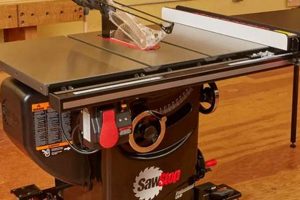
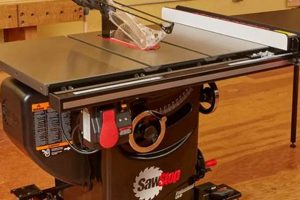
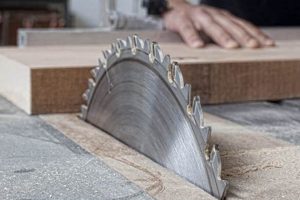
A woodworking tool designed for making accurate cuts in various types of wood, while remaining budget-friendly, is crucial for both hobbyists and professionals operating under financial constraints. Such a device typically offers a balance between functionality, power, and cost, enabling the user to perform essential woodworking tasks without a significant financial burden. An example is a 10-inch contractor saw with a cast iron top and a universal motor, available at a price point accessible to most woodworkers.
The availability of cost-effective cutting equipment expands access to woodworking, fostering creativity and skill development. It allows individuals with limited resources to engage in projects that would otherwise be unattainable. Historically, the introduction of smaller, less expensive power tools significantly democratized woodworking, shifting it from a predominantly professional trade to a widely accessible hobby and craft.
The following sections will delve into the specific features, brands, and considerations relevant to selecting such a tool, providing a detailed analysis of various models and their capabilities within a specified budget. This will encompass factors such as motor power, fence systems, safety features, and overall build quality, enabling informed purchasing decisions.
This section offers guidance on identifying a suitable woodworking saw that balances performance and cost. Adhering to these guidelines ensures the acquisition of a tool that meets project requirements without exceeding budgetary limitations.
Tip 1: Assess Project Requirements. Determine the typical size and type of wood to be processed. Smaller projects may be adequately addressed by compact models, whereas larger undertakings necessitate a saw with increased power and cutting capacity. Consider the need for specific cuts, such as dados or rabbets, which may influence the choice of features.
Tip 2: Evaluate Motor Power. The motor’s horsepower directly impacts the saw’s ability to cut through dense hardwoods. A minimum of 1.5 horsepower is generally recommended for handling a variety of wood types, while 2 horsepower or higher is preferable for demanding applications. Confirm that the electrical supply is compatible with the motor’s voltage and amperage requirements.
Tip 3: Inspect the Fence System. A precise and stable fence is crucial for accurate cuts. Look for a fence that locks securely and is easily adjustable. Cam-lock or t-square fences are often more reliable than basic clamp-style fences. Verify that the fence is parallel to the blade throughout its range of motion.
Tip 4: Examine Blade Quality. The included blade may not be optimal for all tasks. Consider investing in a high-quality blade designed for the specific type of wood being worked with. A sharp blade reduces the risk of kickback and produces cleaner cuts. Carbide-tipped blades offer increased durability and longevity compared to standard steel blades.
Tip 5: Prioritize Safety Features. Safety should be a paramount concern. Ensure the saw is equipped with essential features such as a blade guard, anti-kickback pawls, and a riving knife. Familiarize oneself with the proper operation of these features before commencing any cutting tasks.
Tip 6: Research Reputable Brands. Certain manufacturers have established a reputation for producing reliable and durable woodworking equipment at various price points. Research brands known for quality and customer support within the affordable segment.
Tip 7: Read User Reviews. Real-world feedback from other users can provide valuable insights into the saw’s performance, reliability, and any potential issues. Pay attention to reviews that discuss accuracy, ease of use, and customer service experiences.
Tip 8: Consider Used Options. A well-maintained used unit can offer significant savings. Thoroughly inspect any used unit for signs of damage or wear, and verify that all components are functioning correctly. Request a demonstration before making a purchase.
By carefully considering these aspects, individuals can confidently select a cost-effective sawing solution that aligns with their woodworking endeavors. The emphasis on thorough assessment and informed decision-making ensures that the chosen tool delivers optimal value and performance within the established budget.
These guidelines provide a solid foundation for choosing wisely. The subsequent steps involve comparing specific models and understanding their individual strengths and weaknesses.
1. Cutting Capacity
Cutting capacity, particularly rip capacity, defines the maximum width of material that can be cut parallel to the blade. For any woodworking saw seeking to provide value, this dimension directly correlates with its versatility. Insufficient rip capacity restricts the size of projects that can be undertaken, thereby limiting the tool’s overall utility. A smaller cutting capacity necessitates the use of alternative, potentially less precise, cutting methods for larger stock. For instance, a unit with only a 12-inch rip capacity would be unsuitable for cutting a standard 24-inch wide panel in a single pass, requiring multiple cuts and potentially compromising accuracy. The available cutting capacity, therefore, forms a crucial factor in evaluating a woodworking device.
Models aimed at affordability often make compromises in size and build quality to reduce manufacturing costs. This can manifest as a reduced table size and a shorter fence rail, directly affecting the achievable rip capacity. Conversely, some manufacturers achieve a reasonable cutting capacity by employing clever designs, such as extendable rails or folding tables, without significantly inflating the price. The effectiveness of these design choices hinges on their ability to maintain accuracy and stability, as a larger cutting capacity is rendered moot if the fence is prone to deflection or the table is prone to vibration. Therefore, the raw number alone is insufficient; it must be considered in conjunction with the overall rigidity and construction of the equipment.
Ultimately, the significance of cutting capacity hinges on the intended applications. For a hobbyist primarily engaged in small-scale projects, a modest capacity might suffice. However, for individuals anticipating larger builds or working with sheet goods, a more substantial cutting capacity is essential. The intersection of cutting capacity and affordability necessitates a careful evaluation of project needs and a realistic assessment of the tool’s capabilities, ensuring that the chosen device aligns with both budgetary constraints and practical requirements. A well-chosen machine balances these competing demands, providing adequate capacity without compromising essential features or overall reliability.
2. Motor Power

Motor power, measured in horsepower (HP) or amperes (amps), is a critical determinant of the performance characteristics of a woodworking saw, particularly within the realm of value-oriented models. It directly influences the saw’s capacity to cut through various wood types and thicknesses. Insufficient motor power results in reduced cutting speed, increased risk of kickback, and potential motor overheating, particularly when working with hardwoods or thicker materials. A typical manifestation of inadequate motor power is evident when attempting to rip a dense hardwood such as oak or maple; the saw blade slows significantly, requiring the operator to feed the material slowly and exerting excessive force. This diminished performance not only extends project completion times but also compromises the quality of the cut and increases the risk of accidents.
The selection of a sawing device necessitates a realistic assessment of typical project demands. For hobbyists primarily working with softwoods like pine or smaller dimension lumber, a lower horsepower motor may suffice. However, individuals anticipating working with hardwoods, thicker materials, or engaging in frequent use should prioritize a higher horsepower rating. A common compromise within the value segment is the use of universal motors, which offer higher power-to-weight ratios compared to induction motors but are typically louder and less durable. Conversely, some manufacturers offer induction motors in their entry-level models, prioritizing longevity and quieter operation at the expense of peak power output. Understanding the trade-offs between motor types is essential for making an informed purchasing decision.
Ultimately, the correlation between motor power and the utility of a budget-conscious sawing tool is undeniable. Adequate motor power not only enhances cutting performance but also contributes to increased safety and extended tool lifespan. While a higher horsepower rating often translates to a higher price point, under powering the saw can lead to frustration, compromised results, and potential safety hazards. Therefore, careful consideration of motor power, in conjunction with the intended applications and overall tool quality, is paramount when selecting such equipment.
3. Fence Accuracy

Fence accuracy stands as a pivotal factor when evaluating the suitability of an economically priced woodworking saw. The fence serves as a guide for the material being cut, and its precision directly influences the accuracy and quality of the final product. Compromises in fence accuracy can negate the benefits of other features, rendering the saw inadequate for demanding woodworking tasks.
- The Role of the Fence in Accurate Cutting
The fence ensures consistent alignment between the workpiece and the blade, allowing for straight and repeatable cuts. A fence that is not square to the blade or deflects during use introduces inaccuracies that accumulate with each subsequent cut. In cabinetry, for example, even a slight deviation in the fence angle can lead to misaligned joints and structural instability. A precise fence is, therefore, crucial for achieving professional-level results.
- Types of Fence Systems and Their Accuracy
Various fence systems exist, ranging from simple clamp-style fences to more sophisticated t-square designs. Clamp-style fences, often found on lower-priced models, are generally less accurate and prone to movement during use. T-square fences, characterized by their rigid construction and locking mechanism, offer improved accuracy and stability. The choice of fence system directly impacts the overall precision of the saw, influencing its suitability for different woodworking applications.
- Impact of Material Quality on Fence Accuracy
The materials used in the construction of the fence system significantly affect its ability to maintain accuracy over time. Fences constructed from lightweight or flexible materials are susceptible to bending or warping, leading to inaccuracies. Cast iron fences, while heavier and more expensive, provide superior rigidity and resistance to deformation. The selection of materials, therefore, constitutes a key consideration when evaluating the longevity and accuracy of a woodworking tool.
- Calibration and Adjustment of the Fence
Even a high-quality fence system requires periodic calibration to ensure accurate alignment with the blade. The ease of adjustment and the availability of clear instructions are important factors to consider. A fence that is difficult to adjust or lacks precise measurement scales can lead to frustration and inaccurate cuts. The ability to fine-tune the fence alignment is essential for maintaining consistent accuracy over the lifespan of the woodworking equipment.
The evaluation of fence accuracy, therefore, extends beyond the initial impression. It necessitates a thorough assessment of the fence system’s design, materials, adjustability, and stability under load. A saw that compromises on fence accuracy may initially appear affordable but ultimately proves costly due to wasted materials, rework, and compromised project outcomes. The correlation between fence accuracy and the overall value of a sawing device remains significant.
4. Safety Features

The integration of safety features into woodworking saws is paramount, particularly within the arena of affordable models. While cost considerations often dictate design choices, the omission or inadequacy of essential safety mechanisms elevates the risk of injury. The consequence of compromised safety features is a heightened probability of accidents, ranging from minor cuts to severe lacerations and amputations. An example is the absence of a riving knife, which increases the likelihood of kickback, a sudden and forceful ejection of the workpiece that can cause significant harm. Thus, safety features form an indispensable component of a truly valuable woodworking saw, irrespective of its price point.
The presence of blade guards, anti-kickback pawls, and push sticks represents tangible examples of safety provisions. Blade guards shield the operator from accidental contact with the rotating blade, while anti-kickback pawls prevent the workpiece from being thrown backward during a cut. Push sticks facilitate safe manipulation of the material, keeping hands away from the blade’s path. The practical application of these features lies in their ability to mitigate common woodworking hazards. For instance, a blade guard deflects debris and prevents inadvertent contact with the spinning blade, drastically reducing the risk of hand injuries. Furthermore, proper utilization of a push stick allows the operator to guide smaller workpieces safely, minimizing the risk of contact with the cutting edge.
A prudent assessment of a woodworking saw entails a critical evaluation of its safety features, recognizing that compromise in this area is unacceptable. While the allure of a lower price point may be strong, neglecting safety considerations can lead to devastating consequences. Understanding the function and importance of each safety feature empowers individuals to make informed purchasing decisions, prioritizing their well-being and ensuring a safe working environment. This underscores the broader theme of responsible tool selection and the imperative to balance affordability with safety in woodworking practices.
5. Blade Quality
Blade quality is a significant determinant of a woodworking saw’s effectiveness, particularly when considering models designed for affordability. The saw’s blade directly impacts the quality of cuts, the efficiency of material removal, and the overall safety of operation. The blade is, in effect, the primary cutting tool, and its characteristics dictate the precision and smoothness of the final product.
- Material Composition and Hardness
The material from which a blade is constructed dictates its durability and resistance to wear. High-speed steel (HSS) blades, for example, are less expensive but dull more quickly than carbide-tipped blades. Carbide-tipped blades, while more costly upfront, maintain their sharpness for a significantly longer period, reducing the frequency of replacements and enhancing overall cutting performance. For a budget-conscious woodworking saw, a durable blade can minimize long-term operating costs and ensure consistent cutting performance.
- Tooth Geometry and Configuration
The geometry and arrangement of the teeth on a blade determine its cutting characteristics. Different tooth configurations are optimized for specific tasks, such as ripping (cutting along the grain) or crosscutting (cutting across the grain). A blade designed for ripping features teeth with a more aggressive angle, facilitating rapid material removal. Conversely, a crosscutting blade features teeth with a shallower angle, producing cleaner, splinter-free cuts. An economical woodworking saw often includes a general-purpose blade, which attempts to balance ripping and crosscutting capabilities. However, investing in specialized blades can significantly improve performance for specific tasks.
- Blade Thickness and Kerf Width
The thickness of a blade, and consequently its kerf width (the width of the cut it creates), influences the amount of material removed during cutting. A thinner blade requires less power to operate and produces less waste, but it may be more prone to deflection, reducing accuracy. A thicker blade provides greater rigidity and stability but requires more power and generates more waste. An woodworking saw often strikes a balance between blade thickness and kerf width to optimize cutting efficiency and minimize material loss.
- Blade Coating and Surface Treatment
Some blades feature coatings or surface treatments that reduce friction, prevent rust, and improve cutting performance. Non-stick coatings, for example, minimize the buildup of resin and pitch, allowing the blade to glide more smoothly through the material. Corrosion-resistant coatings protect the blade from moisture and environmental factors, extending its lifespan. These surface treatments, while not always present on value-priced blades, can enhance the overall cutting experience and improve blade longevity.
The quality of the blade is not merely an accessory, but an essential component of an efficient woodworking saw. A high-quality blade, even when paired with an affordable saw, significantly enhances the tool’s cutting performance and ensures accurate and repeatable results. By considering these facets of blade quality, consumers can make informed decisions, optimizing their investment in an economically priced woodworking machine.
Frequently Asked Questions
The following addresses common inquiries regarding the selection and utilization of a woodworking saw that balances cost-effectiveness with performance capabilities.
Question 1: What constitutes an “affordable” woodworking saw?
The term “affordable” is relative and depends on individual budgets and project scopes. Generally, an economical sawing device represents a balance between price, features, and performance, typically falling within a lower price bracket compared to professional-grade models. However, affordability should not compromise essential safety features or minimal performance requirements.
Question 2: Is it possible to achieve accurate cuts with a budget-friendly woodworking saw?
Achieving accurate cuts with a value-priced sawing machine is possible, but it requires careful attention to setup, calibration, and technique. A stable fence, a sharp blade, and consistent feed rate are crucial. While premium models may offer greater inherent accuracy, a skilled operator can achieve satisfactory results with a well-maintained and calibrated unit.
Question 3: What is the minimum motor power required for basic woodworking tasks?
A motor with at least 1.5 horsepower is generally recommended for handling a variety of woodworking tasks. Lower horsepower motors may struggle with hardwoods or thicker materials, leading to reduced cutting speed and increased risk of kickback. For demanding applications, a 2 horsepower or greater motor is preferable.
Question 4: Are safety features compromised on entry-level sawing machines?
While some value-priced units may offer fewer safety features than premium models, essential safety components such as a blade guard, anti-kickback pawls, and a riving knife should be present. If such features are absent or inadequate, the safety risk is significantly elevated.
Question 5: Can the blade on a budget-conscious woodworking saw be upgraded?
Yes, upgrading the blade is a common and effective way to improve the cutting performance of an economically priced sawing device. Investing in a high-quality blade designed for the specific wood type and task can significantly enhance the quality of cuts and reduce the risk of splintering or tear-out.
Question 6: How does one maintain a value-oriented sawing machine to ensure longevity?
Regular maintenance is essential for prolonging the lifespan of any power tool. This includes cleaning the machine after each use, lubricating moving parts, inspecting the blade for sharpness, and ensuring that all components are properly tightened. Adhering to the manufacturer’s recommended maintenance schedule can significantly extend the service life of the sawing device.
The preceding information serves as a starting point for understanding the nuances of economical woodworking saws. Prudent decision-making requires careful consideration of individual needs and a thorough assessment of available options.
The subsequent section will explore specific models and brands currently available in the marketplace, providing a comparative analysis of their features, performance, and value proposition.
Concluding Remarks
The foregoing analysis elucidates the multifaceted considerations involved in acquiring a suitable “best affordable table saw for woodworking.” Key elements examined include cutting capacity, motor power, fence accuracy, safety features, and blade quality. Each factor plays a crucial role in determining the overall utility and value of the equipment, demanding careful scrutiny to ensure alignment with project requirements and budgetary constraints. Prudent selection necessitates a balance between initial cost and long-term performance, recognizing that compromises in essential features can lead to diminished accuracy, increased safety risks, and ultimately, reduced value.
The selection process should prioritize thorough research, comparative analysis, and realistic assessment of intended applications. While the pursuit of affordability is understandable, neglecting fundamental performance criteria can result in inefficient operation and potentially hazardous working conditions. Prospective purchasers are encouraged to leverage the insights presented herein to make informed decisions, optimizing their investment and ensuring the acquisition of a sawing device that effectively serves their woodworking endeavors. The judicious application of these principles will ultimately contribute to enhanced productivity and improved project outcomes.