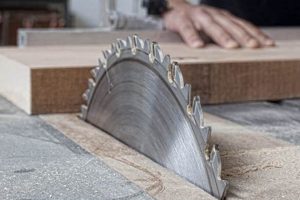
Handheld cutting tools designed for shaping wood represent fundamental instruments in woodworking. These tools, often characterized by a toothed blade and handle, rely on manual force to create precise cuts in various wood types. Examples include crosscut, rip, and coping models, each tailored to specific cutting tasks.
Proficiency with these tools forms the bedrock of woodworking skill. The ability to accurately dimension lumber, create joinery, and shape intricate details depends on a solid understanding of their application and technique. Historically, these tools were essential for construction, furniture making, and various crafts, shaping civilization itself through their contribution to the development of structures and objects. Their enduring relevance stems from the control and precision they offer, particularly for detail work and projects where power tools are impractical or unnecessary.
The following sections will delve into the specific types of tools within this category, exploring their respective uses, advantages, and proper methods of operation to provide a comprehensive overview for both beginners and experienced woodworkers.
Essential Guidance for Handheld Wood-Cutting Instruments
The following guidelines are designed to enhance the effectiveness and longevity of handheld wood-cutting instruments, thereby improving the quality of woodworking projects.
Tip 1: Blade Selection is Paramount: Employ the correct blade type for the specific wood and cut. Crosscut blades are optimized for cutting against the grain, while rip blades excel at cutting along the grain. A universal blade can offer versatility but may compromise performance on specialized tasks.
Tip 2: Maintain Blade Sharpness: A sharp blade is essential for efficient and safe operation. Dull blades require increased force, leading to fatigue and potential injury. Regular sharpening, either manually or professionally, preserves performance and control.
Tip 3: Proper Stance and Grip: Maintain a stable stance and firm grip on the tool. Distribute weight evenly and avoid overreaching. Secure the workpiece adequately to prevent movement during cutting.
Tip 4: Apply Consistent Pressure: Employ a smooth, consistent sawing motion. Avoid forcing the blade, as this can lead to binding, blade damage, and inaccurate cuts. Let the blade do the work, guiding it along the intended line.
Tip 5: Lubrication is Key: Apply a lubricant, such as beeswax or paraffin wax, to the blade. This reduces friction, facilitates smoother cuts, and prevents the blade from overheating.
Tip 6: Regular Cleaning and Maintenance: After each use, remove sawdust and debris from the tool. Apply a light coat of oil to prevent rust and corrosion, ensuring longevity.
Tip 7: Prioritize Safety Equipment: Always wear appropriate personal protective equipment, including safety glasses and, if necessary, a dust mask or respirator, to protect against flying debris and airborne particles.
Consistent application of these guidelines will result in improved accuracy, efficiency, and safety when utilizing these essential woodworking tools.
These tips lay the groundwork for a more detailed exploration of advanced techniques and project-specific applications, which will be covered in subsequent sections.
1. Hand Saw Types
The selection of appropriate handheld wood-cutting instruments directly impacts the outcome of any woodworking project. Understanding the diverse categories and their intended applications is crucial for achieving precision, efficiency, and a high-quality finish. This exploration highlights key categories that form the foundation of most woodworking endeavors.
- Rip Saws
Rip saws are specifically designed for cutting along the grain of the wood. Characterized by large teeth with minimal set, they efficiently remove material parallel to the wood fibers. In furniture making, rip saws are utilized to dimension lumber to the required width for components like table legs or frame members. Their aggressive cutting action necessitates a firm grip and consistent sawing motion to maintain a straight line.
- Crosscut Saws
Conversely, crosscut saws are engineered for cutting perpendicular to the grain. Finer teeth with greater set sever wood fibers cleanly, minimizing splintering. A common application involves cutting boards to length for cabinet construction or trimming the ends of molding. The tooth geometry promotes a smoother cut compared to rip saws, albeit with a slower cutting speed.
- Backsaws
Backsaws, distinguished by a rigid steel spine along the blade’s back edge, provide enhanced stability and control. The spine limits blade flex, enabling precise cuts for joinery, such as dovetails or tenons. Their fine teeth leave a clean, smooth surface, often eliminating the need for further refinement with planes or chisels. Examples include dovetail saws and tenon saws, each tailored for specific joinery applications.
- Coping Saws
Coping saws feature a thin, narrow blade held in a frame, allowing for intricate curved cuts. Their primary function lies in shaping coped joints, a method of fitting molding or trim together at inside corners. The fine blade allows for tight turns and detailed shaping, making it indispensable for decorative woodworking and restoration projects.
These examples represent core instruments within the broader category of fundamental handheld cutting tools. The appropriate tool selection, based on the project’s requirements and the wood’s properties, directly influences the quality and efficiency of the woodworking process. Further considerations, such as blade sharpness and proper sawing technique, complement these tools, contributing to successful project outcomes.
2. Blade Tooth Geometry

Blade tooth geometry represents a critical determinant in the performance and application of handheld wood-cutting instruments. The precise angles and configuration of the teeth directly influence the saw’s cutting speed, efficiency, and the quality of the resulting surface finish. Understanding these geometric parameters is essential for selecting the appropriate tool for a given woodworking task.
- Tooth Pitch
Tooth pitch refers to the number of teeth per inch (TPI) along the blade. A lower TPI (fewer teeth) is generally suited for ripping operations along the grain, allowing for rapid material removal. Conversely, a higher TPI (more teeth) is preferred for crosscutting operations, producing a smoother cut with reduced splintering. An example of this principle is the difference between a coarse rip saw used for quickly dimensioning lumber and a fine-toothed backsaw employed for delicate joinery.
- Rake Angle
The rake angle describes the angle of the tooth’s leading edge relative to a perpendicular line from the blade. A steeper, more aggressive rake angle promotes faster cutting but can result in a rougher surface. A shallower rake angle requires more force but yields a cleaner cut. The aggressiveness of a saw is therefore defined by its rake angle. Rake Angle is the workhorse to get a woodworking job.
- Set Angle
The set angle refers to the amount that the teeth are bent outward from the plane of the blade, alternating from side to side. This “set” creates a kerf (the width of the cut) that is wider than the blade’s thickness, preventing binding during sawing. Insufficient set can lead to friction and overheating, while excessive set results in a wider, less precise cut. Proper setting is critical for efficient and controlled sawing.
- Gullet Depth
Gullet depth describes the space between the teeth at their base. A deeper gullet provides more room for sawdust accumulation, preventing clogging and maintaining cutting efficiency, particularly in thicker materials or softer woods. Saws designed for ripping typically feature deeper gullets than those intended for crosscutting, accommodating the larger volume of waste produced during ripping operations.
These geometric parameters collectively dictate the suitability of a specific saw for various woodworking applications. Mastery of this knowledge base allows woodworkers to select the optimal tool for each task, maximizing efficiency, precision, and the overall quality of their work. These attributes give an impact to the work that the woodworker do. These are very important, and this is the root of the successfull work.
3. Cut Quality
Achieving a desirable level of finish and precision in woodworking is directly linked to the quality of the cut produced by handheld instruments. The characteristics of the cut impact subsequent operations and the final appearance of the project. Therefore, understanding the factors influencing cut quality when using basic woodworking saws is essential.
- Surface Smoothness
Surface smoothness refers to the lack of irregularities or roughness on the cut surface. A smoother cut minimizes the need for extensive sanding or planing, saving time and preserving material. Achieving a smooth surface depends on factors such as blade sharpness, tooth geometry (particularly TPI and set), and proper sawing technique. For instance, a fine-toothed backsaw, when used with controlled strokes, yields a significantly smoother surface compared to a coarse rip saw.
- Edge Cleanliness
Edge cleanliness describes the absence of splintering or tear-out along the edges of the cut. Clean edges are crucial for joinery, ensuring tight and accurate fitting of components. Factors influencing edge cleanliness include blade sharpness, tooth geometry (crosscut blades typically produce cleaner edges than rip blades), and the support provided to the wood during cutting. Using a sacrificial board or applying masking tape along the cut line can minimize tear-out in susceptible materials.
- Kerf Accuracy
Kerf accuracy refers to the consistency and precision of the cut width. A consistent kerf is particularly important when creating dados or grooves for joinery. Factors influencing kerf accuracy include blade set, the stability of the saw (a backsaw with its rigid spine offers better kerf accuracy), and the skill of the user in maintaining a straight cutting line. Deviations in kerf accuracy can compromise the integrity of the joint and necessitate adjustments.
- Angularity Precision
Angularity precision describes the accuracy of cuts made at specific angles, such as miters or bevels. Precise angularity is essential for creating visually appealing and structurally sound joints. Achieving accurate angles requires the use of jigs or guides in conjunction with the appropriate tool. For instance, a miter saw, when used with a calibrated fence, can produce highly accurate angled cuts, whereas freehand sawing may introduce errors.
These elements collectively define cut quality in woodworking. Optimizing these factors through proper tool selection, maintenance, and technique leads to superior results, reducing the need for corrective measures and enhancing the overall aesthetic and structural integrity of the finished piece. Prioritizing cut quality at each stage of the woodworking process ultimately contributes to a more professional and refined outcome when using basic handheld cutting instruments.
4. Material Compatibility

The effectiveness and longevity of handheld woodworking instruments are significantly influenced by the compatibility between the tool and the material being worked. Selecting the appropriate instrument for a given wood type is paramount for achieving clean cuts, preventing damage to the tool, and ensuring the overall success of the woodworking project.
- Hardwood vs. Softwood Considerations
Hardwoods, characterized by their density and tight grain structure, require saws with hardened teeth and appropriate set angles to effectively sever the fibers. Using a saw designed for softwoods on hardwoods can lead to premature dulling of the blade and inefficient cutting. Conversely, while instruments optimized for hardwoods can be used on softwoods, the aggressive cutting action may result in tear-out or a rough surface finish. Examples include oak, maple, and cherry as hardwoods, and pine, fir, and cedar as softwoods.
- Exotic Wood Challenges
Exotic woods often present unique challenges due to their unusual densities, oil content, or silica content. Some exotic species can rapidly dull saw blades, necessitating the use of specialized saw blades with carbide-tipped teeth. Examples include ebony, teak, and purpleheart. These materials may also require slower cutting speeds and increased lubrication to minimize friction and prevent overheating of the blade.
- Manufactured Wood Products
Manufactured wood products, such as plywood, MDF, and particleboard, exhibit different cutting characteristics compared to solid wood. Plywood is prone to splintering, requiring saws with fine teeth and scoring cuts to minimize tear-out. MDF produces a fine dust that can clog saw teeth and necessitate frequent cleaning. Particleboard is abrasive and can quickly dull saw blades. Selecting saw blades specifically designed for these materials is crucial for achieving clean cuts and extending tool life.
- Abrasive Material Impact
The presence of abrasive materials, such as embedded dirt or glue residue, can significantly accelerate wear on saw blades. Prior to cutting, it is essential to thoroughly clean the wood surface to remove any contaminants. The use of specialized saw blades with hardened teeth or diamond coatings can provide increased resistance to abrasion when working with reclaimed lumber or materials that may contain hidden abrasives.
In conclusion, careful consideration of material properties is essential when selecting and utilizing basic handheld cutting instruments. Matching the appropriate tool to the material not only enhances cutting efficiency and precision but also prolongs the life of the tool and ensures the overall quality of the woodworking project. A woodworker’s knowledge of material properties directly contributes to the successful completion of any task.
5. Maintenance Practices

Consistent maintenance is not merely an adjunct to using handheld wood-cutting instruments; it is integral to their proper function, longevity, and the quality of work they produce. Neglecting these practices results in diminished performance, increased risk of injury, and ultimately, the premature failure of these essential tools. The following facets outline core maintenance procedures critical for preserving the efficacy of basic woodworking saws.
- Blade Sharpening
Sharpening restores the cutting edge of the teeth, maximizing efficiency and reducing the force required for sawing. A dull blade requires increased pressure, leading to fatigue, inaccurate cuts, and a higher risk of slippage. The process involves filing the teeth to the correct angles using specialized files and techniques. Consistent sharpening ensures clean cuts, extends the tool’s lifespan, and reduces the strain on the woodworker. The frequency of sharpening depends on the type of wood being cut and the frequency of use.
- Rust Prevention
Exposure to moisture causes rust, which degrades the blade’s surface, increases friction, and accelerates wear. Applying a thin coat of oil or wax to the blade after each use creates a protective barrier against oxidation. Regularly inspecting for and removing any existing rust is also crucial. Proper storage in a dry environment further minimizes the risk of corrosion. Neglecting rust prevention leads to reduced cutting performance and eventual blade failure.
- Tooth Set Maintenance
The set, or outward bend of the teeth, creates a kerf wider than the blade’s body, preventing binding during sawing. Over time, the set can diminish, leading to increased friction and difficulty in cutting. Maintaining the correct set involves using specialized tools, such as a saw set, to precisely bend the teeth to the optimal angle. Correct set prevents binding, reduces effort, and ensures accurate cuts.
- Handle Security and Condition
A loose or damaged handle compromises control and increases the risk of injury. Regularly inspecting the handle for cracks, splits, or looseness is essential. Tightening loose handles and repairing or replacing damaged handles ensures a secure grip and optimal control during sawing. Neglecting handle maintenance can lead to accidents and inaccurate work.
These maintenance practices, although seemingly basic, are indispensable for preserving the functionality and safety of fundamental handheld cutting tools. Consistent adherence to these procedures prolongs tool life, improves cutting performance, and ultimately, contributes to the overall quality and success of woodworking projects. Furthermore, it reinforces the understanding that these tools, properly maintained, are a sound investment for any woodworker.
6. Safety Protocols

The implementation of stringent measures forms a non-negotiable aspect of woodworking practices, particularly when utilizing handheld instruments. These instruments, while fundamental to the craft, present inherent hazards that necessitate strict adherence to established guidelines to mitigate the risk of injury and ensure a safe working environment.
- Eye Protection Mandate
The use of safety glasses or face shields constitutes a primary defense against projectiles generated during cutting operations. Wood splinters, sawdust, and other debris pose a significant threat to ocular health. The consistent and unwavering employment of appropriate eye protection minimizes the potential for serious, and potentially irreversible, eye injuries. Example: A piece of wood splintering off during a cut and striking the eye, causing corneal abrasion or more severe damage. The implications of failing to wear eye protection are evident in countless woodworking accident reports.
- Hand and Body Positioning
Maintaining correct posture and hand placement relative to the tool and workpiece directly impacts control and reduces the likelihood of accidental contact with the blade. Hands should be positioned to avoid obstructing the cutting path and to maintain a firm grip on both the tool and the material being cut. Body positioning should ensure stability and balance, minimizing the risk of falls or sudden movements that could lead to injury. Example: Reaching across the cutting path to stabilize the workpiece creates a high-risk scenario for accidental cuts. Safe practices dictate securing the workpiece with clamps and maintaining a balanced stance.
- Sharp Tool Imperative
Counterintuitively, a sharp instrument is safer than a dull one. Dull instruments require increased force, increasing the likelihood of slippage and loss of control. Regular sharpening ensures that the instrument cuts efficiently with minimal effort, reducing the potential for accidents. Example: Attempting to force a dull backsaw through a dovetail joint can result in the instrument slipping and cutting the hand. A sharp backsaw requires less force and provides greater control.
- Workpiece Securing Practices
Properly securing the workpiece prevents movement during cutting, enhancing stability and accuracy. Clamps, vises, and other work-holding devices are essential for maintaining control and minimizing the risk of the material shifting during the cutting process. Example: Cutting a small piece of wood freehand is inherently dangerous, as the material is likely to move unexpectedly. Securing the piece in a vise or clamping it to a workbench provides a stable platform for controlled cutting.
These protocols represent a subset of the comprehensive safety measures essential for woodworking. Their consistent application, combined with ongoing awareness and a commitment to safe practices, is paramount for minimizing the risks associated with using basic cutting tools and cultivating a secure and productive woodworking environment.
Frequently Asked Questions
The following elucidates common inquiries regarding handheld wood-cutting instruments, addressing crucial aspects of their application and maintenance. These answers seek to provide clarity and promote safe, effective usage.
Question 1: What differentiates a rip saw from a crosscut saw, and when is each appropriately used?
Rip saws are optimized for cutting parallel to the wood grain, employing a tooth geometry designed for efficient material removal along the fiber direction. Crosscut saws, conversely, are designed for cutting perpendicular to the grain, featuring teeth that sever the wood fibers cleanly. The appropriate selection depends on the orientation of the cut relative to the wood’s grain structure.
Question 2: How frequently should a basic handheld wood-cutting instrument be sharpened?
The frequency of sharpening varies depending on factors such as wood type, usage intensity, and blade quality. A noticeable decrease in cutting efficiency, characterized by increased force required or a rough cut, indicates the need for sharpening. Regular visual inspection of the teeth can also reveal signs of dulling.
Question 3: What safety precautions are paramount when using these tools?
Essential safety measures include wearing appropriate eye protection, maintaining a secure grip on the tool, ensuring the workpiece is adequately secured, and using a sharp blade. Correct hand and body positioning is also critical to avoid accidental contact with the blade.
Question 4: How does wood hardness affect the choice of hand saw?
Hardwoods necessitate saws with hardened teeth to effectively sever the dense wood fibers. Softwoods, being less dense, can be cut with saws designed for general use. Attempting to cut hardwoods with saws designed for softwoods can result in premature dulling and inefficient cutting.
Question 5: What is the significance of tooth set in a hand saw?
Tooth set, the outward bend of the teeth, creates a kerf wider than the blade’s body, preventing binding during sawing. Insufficient set leads to increased friction and difficulty in cutting, while excessive set results in a wider, less precise cut. Maintaining the correct set is critical for efficient and controlled sawing.
Question 6: What are the best practices for storing handheld wood-cutting instruments?
Proper storage involves cleaning the blade after each use to remove sawdust and debris, applying a thin coat of oil or wax to prevent rust, and storing the instrument in a dry environment. Hanging the instrument or storing it in a protective sheath prevents damage to the blade and reduces the risk of accidental injury.
Adherence to these recommendations fosters safe and productive utilization of fundamental handheld cutting tools. A thorough comprehension of these aspects will empower woodworkers to achieve superior results while minimizing potential hazards.
The succeeding section will delve into advanced techniques and specialized applications, further expanding the knowledge base for proficient use of these essential tools.
In Summary
This examination has elucidated fundamental aspects of handheld wood-cutting instruments, covering their types, tooth geometry, cut quality determinants, material compatibility considerations, essential maintenance procedures, and critical safety protocols. Proficiency in these areas is indispensable for achieving accurate, efficient, and safe woodworking outcomes. A thorough understanding of the principles outlined herein forms the cornerstone of responsible and skilled craftsmanship.
Continued diligence in honing these skills and adhering to best practices remains paramount. The effective utilization of these tools not only enhances the quality of woodworking projects but also preserves the time-honored traditions of the craft. Further exploration of specialized techniques and innovative applications will undoubtedly contribute to continued growth and mastery within the field.