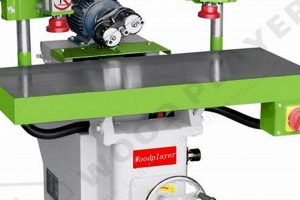
Equipment designed for shaping, cutting, and joining wood to create various products is fundamental to the woodworking industry. This specialized machinery encompasses a range of tools, from saws and planers to routers and sanders, enabling precise and efficient processing of timber into finished goods.
The application of these tools enhances productivity, precision, and safety within woodworking operations. Historically, the adoption of mechanized woodworking solutions has revolutionized the industry, facilitating mass production and complex designs while reducing manual labor. The availability of such systems has significantly impacted furniture manufacturing, construction, and other wood-related sectors.
The following sections will detail the types of woodworking machinery, their specific applications, maintenance considerations, and emerging trends within the sector.
Operational Guidance for Woodworking Equipment
Adherence to best practices is crucial for maximizing the lifespan and performance of specialized woodworking tools. The following guidelines provide essential insights for optimizing their operation and ensuring operator safety.
Tip 1: Prioritize Regular Maintenance: Consistent upkeep, including lubrication, blade sharpening, and belt tension adjustments, extends the operational life of the equipment. Neglecting these steps can lead to premature wear and reduced efficiency.
Tip 2: Implement Dust Collection Systems: Effective dust extraction is vital for maintaining a clean and safe working environment. Prolonged exposure to wood dust poses health risks and can also impact the performance of machinery components.
Tip 3: Utilize Appropriate Safety Measures: Strict adherence to safety protocols, including the use of safety glasses, hearing protection, and machine guards, is paramount. Operators should receive comprehensive training on the proper use of each piece of equipment.
Tip 4: Calibrate Equipment Regularly: Accurate calibration ensures precise cuts and minimizes material waste. Periodic checks and adjustments of fences, blades, and other critical components are essential.
Tip 5: Select the Correct Tool for the Task: Choosing the right machine for a specific operation optimizes efficiency and reduces the risk of damage to both the workpiece and the equipment. Utilizing a router for a task requiring a jointer, for example, is inefficient and potentially hazardous.
Tip 6: Conduct Routine Inspections: Before each use, a thorough inspection of all machinery components, including power cords, switches, and blades, is recommended. Identifying and addressing potential issues proactively prevents accidents and downtime.
Tip 7: Manage Blade Storage: Proper blade storage protects sharpness and reduces the risk of dull or damaged edges. Always store blades in dedicated containers or on racks to prevent contact with other objects.
Consistent application of these guidelines enhances equipment longevity, improves operational safety, and contributes to a more efficient woodworking process. By following these strategies, woodworkers can optimize their output and minimize potential risks.
The subsequent sections will delve into advanced techniques and emerging technologies within the woodworking machinery sector.
1. Precision Cutting

Precision cutting represents a foundational requirement for specialized equipment. The accuracy and consistency of cuts directly influence the quality and dimensional integrity of finished wood products. Deviation from prescribed dimensions can result in compromised structural integrity in construction applications or aesthetic imperfections in furniture manufacturing. Specific machines, such as CNC routers and precision saws, are engineered to deliver cuts within tightly controlled tolerances. The utilization of high-grade blades, automated control systems, and robust machine frames collectively contribute to the realization of precision cutting capabilities.
The incorporation of laser-guided cutting systems exemplifies the advancement of precision in woodworking. These systems project a laser beam onto the material, serving as a visual guide for manual operation or as a feedback mechanism for automated adjustments. In furniture production, precision cutting enables the creation of intricate designs and seamless joints, contributing to the overall aesthetic appeal and structural soundness of the final product. Furthermore, in construction, precise cuts ensure accurate framing and fitting of wood components, which is critical for structural stability and compliance with building codes.
Achieving precision cutting necessitates consistent maintenance and calibration. Regular inspection of blades, adjustments to machine settings, and proper material handling techniques are crucial for sustained accuracy. By understanding and addressing the factors that influence precision cutting, operators can optimize the performance of woodworking equipment and minimize the potential for errors, enhancing the efficiency and quality of wood processing operations.
2. Durability
Durability, as a defining characteristic of woodworking equipment, directly correlates with long-term operational cost-effectiveness and reliability. The capacity of these machines to withstand continuous usage, often in demanding industrial environments, is paramount. Selection criteria should prioritize equipment constructed with robust materials and engineered for prolonged service life.
- Material Composition
The selection of high-strength alloys and treated metals in the construction of load-bearing components significantly impacts durability. For example, machine frames manufactured from cast iron or hardened steel exhibit superior resistance to deformation and wear, thereby extending the operational lifespan of the equipment. Inferior materials may lead to premature failure and increased maintenance requirements.
- Component Quality and Engineering
The quality of bearings, motors, and control systems contributes significantly to the overall durability. Precision-engineered components reduce friction, heat generation, and stress on the machine, minimizing the risk of breakdowns. Instances of using substandard components often result in frequent repairs and reduced precision, especially in high-speed or high-load applications.
- Resistance to Environmental Factors
Woodworking environments are often characterized by high levels of dust, humidity, and temperature fluctuations. Equipment designed with sealed enclosures and corrosion-resistant coatings demonstrates enhanced resilience to these environmental factors, preventing damage to sensitive components. Exposure to such conditions can lead to accelerated degradation and diminished performance in machines lacking adequate protection.
- Design for Maintainability
Durable machines are engineered for ease of maintenance, with readily accessible components and clear service procedures. This design facilitates routine inspections, lubrication, and component replacement, minimizing downtime and prolonging the operational life of the equipment. Machines with complex, inaccessible designs often incur higher maintenance costs and extended periods of inactivity.
The cumulative effect of these factors directly impacts the long-term viability of woodworking machinery investments. Equipment exhibiting superior durability characteristics provides a more reliable and cost-effective solution for sustained woodworking operations, reducing the total cost of ownership and enhancing productivity.
3. Operational Safety

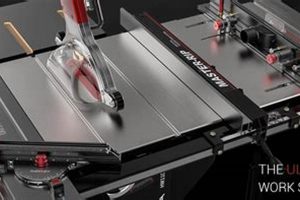
The integration of robust safety features within woodworking equipment is non-negotiable. The potential for serious injury necessitates diligent attention to machine design and operator training. A direct correlation exists between the safety mechanisms incorporated into machinery and the prevention of workplace accidents. Examples of these mechanisms include emergency stop systems, blade guards, and anti-kickback devices. The absence or malfunction of such features significantly elevates the risk of injury during operation.
Comprehensive operator training plays a pivotal role in mitigating risks, irrespective of the sophistication of the equipment. Training programs should encompass machine-specific operating procedures, hazard identification, and emergency response protocols. Regular refresher courses are essential to reinforce safety practices and address evolving operational contexts. Real-world examples underscore the importance of these measures. Cases of inadequate training have resulted in severe injuries, highlighting the direct link between operator proficiency and workplace safety.
Ultimately, operational safety is an intrinsic element of responsible equipment design and utilization. Prioritizing safety not only protects personnel but also minimizes downtime, reduces insurance costs, and fosters a culture of workplace responsibility. The effective implementation of safety protocols requires a sustained commitment from both equipment manufacturers and end-users, ensuring a safe and productive working environment.
4. Technological Integration

The incorporation of advanced technologies into woodworking equipment has fundamentally altered operational capabilities and precision. These integrations extend beyond basic automation, encompassing sophisticated control systems, data analytics, and sensor technologies that optimize performance and minimize waste.
- Computer Numerical Control (CNC)
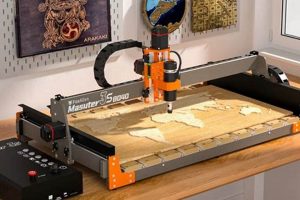
CNC technology enables the precise automated control of woodworking machines through pre-programmed instructions. This results in complex shapes and designs being executed with repeatability and accuracy. In furniture manufacturing, CNC routers create intricate carvings and precisely cut components, reducing manual labor and enhancing design possibilities. The implications include increased throughput, reduced material waste, and the capacity to produce highly customized products.
- Sensor-Based Optimization
The integration of sensors provides real-time feedback on machine performance and material characteristics. Sensors monitor factors such as cutting speed, blade wear, and material density, allowing for dynamic adjustments that optimize cutting parameters. In sawmills, sensor-based optimization minimizes waste by adjusting cutting patterns based on log characteristics. These systems improve efficiency, extend tool life, and enhance the quality of finished products.
- Digital Design and Modeling
The use of Computer-Aided Design (CAD) and Building Information Modeling (BIM) software facilitates the creation of detailed digital models of woodworking projects. These models serve as blueprints for automated manufacturing processes, ensuring accurate replication of designs. Architectural woodworking benefits significantly from digital design, enabling the creation of complex structures with precise dimensions and intricate details. This integration reduces errors, streamlines production, and enhances communication between designers, manufacturers, and installers.
- Data Analytics and Predictive Maintenance
The collection and analysis of machine performance data enable predictive maintenance strategies. By monitoring parameters such as vibration, temperature, and energy consumption, potential failures can be identified before they occur. Sawmills employ data analytics to optimize production schedules and predict equipment downtime, minimizing disruptions and maximizing output. Predictive maintenance reduces repair costs, extends equipment lifespan, and improves overall operational efficiency.
The synergistic effect of these technological integrations transforms woodworking operations into highly efficient, precise, and data-driven processes. By leveraging these advancements, woodworking businesses enhance their competitiveness, reduce costs, and deliver superior products to market.
5. Maintenance Demands

The operational lifespan and performance of specialized woodworking equipment are inextricably linked to diligent maintenance practices. These demands are not merely reactive responses to malfunctions but proactive measures necessary to ensure continuous, efficient operation. Failing to address maintenance demands precipitates equipment degradation, increased downtime, and compromised safety. Examples include the neglect of blade sharpening on saws, leading to inefficient cutting and potential kickback hazards; or the lack of lubrication on bearings, causing premature wear and potential motor failure.
The components and systems within woodworking machinery necessitate specific maintenance protocols. Hydraulic systems require fluid level checks and seal replacements to prevent leaks and maintain consistent pressure. Electrical systems demand regular inspections for frayed wiring and loose connections, mitigating fire risks and ensuring reliable power delivery. Dust collection systems need filter cleaning and ductwork inspections to maintain airflow efficiency, preventing health hazards and equipment overheating. Ignoring these maintenance tasks escalates operational costs and increases the likelihood of catastrophic equipment failure.
Therefore, understanding and addressing maintenance demands is paramount to the successful operation of woodworking equipment. Proactive maintenance schedules, coupled with trained personnel and readily available spare parts, are essential for maximizing equipment uptime, minimizing risks, and optimizing the return on investment. A comprehensive maintenance strategy serves as a foundational element in ensuring the sustained performance and safety of specialized woodworking machinery.
6. Energy Consumption

Energy consumption represents a significant operational cost and environmental consideration associated with woodworking equipment. The efficiency with which these machines convert electrical power into mechanical work directly influences profitability and sustainability. Understanding the factors contributing to energy consumption is crucial for informed equipment selection and optimized operational practices.
- Motor Efficiency
The electric motor constitutes a primary energy consumer in most woodworking machines. Motor efficiency, typically expressed as a percentage, indicates the proportion of electrical energy converted into useful mechanical energy. High-efficiency motors minimize energy waste in the form of heat, resulting in lower electricity bills and reduced environmental impact. Older or poorly maintained motors exhibit reduced efficiency, leading to increased energy consumption for the same operational output.
- Idle Time and Load Management
Energy is consumed even when woodworking machines are idling, particularly if motors are kept running unnecessarily. Optimizing work schedules and implementing load management strategies can minimize idle time. Additionally, operating machines at partial load can reduce efficiency; matching the equipment to the task ensures optimal energy use. Implementing variable frequency drives (VFDs) allows for motor speed adjustment based on load requirements, further minimizing energy consumption.
- Pneumatic Systems
Many woodworking machines utilize pneumatic systems for clamping, actuation, and dust collection. Compressed air generation is inherently energy-intensive, and leaks in the system further contribute to energy waste. Regular maintenance of pneumatic systems, including leak detection and repair, is essential for minimizing energy consumption. Consideration of alternative systems, such as electric actuators, can reduce reliance on compressed air and lower overall energy usage.
- Dust Collection Systems
Effective dust collection is critical for safety and air quality in woodworking environments, but it also represents a significant energy draw. Optimizing the design and operation of dust collection systems can minimize energy consumption. Strategies include using appropriately sized systems, employing efficient filter media, and implementing automated controls that adjust fan speed based on dust levels. Over-sized or continuously running dust collection systems consume excessive energy.
The interplay of these facets underscores the multifaceted nature of energy consumption in woodworking operations. Addressing these factors through informed equipment selection, diligent maintenance practices, and optimized operational strategies is critical for minimizing energy costs and promoting sustainable woodworking practices.
Frequently Asked Questions
This section addresses common inquiries regarding specialized equipment to provide clarity and informed decision-making.
Question 1: What factors determine the selection of appropriate woodworking machinery for a specific application?
Selection depends on project scale, material type, desired precision, and budget constraints. Evaluating these criteria ensures equipment aligns with operational needs.
Question 2: What are the essential safety precautions when operating woodworking equipment?
Essential precautions include the use of personal protective equipment, adherence to machine-specific safety protocols, and regular equipment inspections to mitigate risks.
Question 3: How frequently should woodworking equipment undergo maintenance?
Maintenance frequency varies based on usage and equipment type. A preventative maintenance schedule, including lubrication, blade sharpening, and component inspections, is recommended.
Question 4: What are the primary benefits of integrating CNC technology into woodworking operations?
Integration offers increased precision, automation, reduced material waste, and the capacity to produce complex designs, improving efficiency and product quality.
Question 5: What is the typical lifespan of specialized woodworking equipment?
Lifespan is influenced by usage intensity, maintenance practices, and equipment quality. Proper maintenance and moderate usage extend operational life.
Question 6: How can businesses minimize energy consumption associated with woodworking machinery?
Strategies include utilizing energy-efficient motors, optimizing dust collection systems, reducing idle time, and conducting regular equipment maintenance to minimize energy waste.
These answers provide foundational knowledge for effective equipment management and operational optimization.
The subsequent sections will examine case studies of successful equipment utilization in various woodworking applications.
Conclusion
This exploration of woodworking machinery has underscored essential considerations for operational efficiency, safety, and sustainability. From precision cutting to technological integration and energy management, the facets discussed directly impact the performance and longevity of equipment. Understanding these elements is paramount for informed decision-making in equipment selection, maintenance, and operational practices.
The woodworking sector’s continued evolution necessitates a commitment to informed investment and responsible operation. A proactive approach to equipment management, incorporating robust safety protocols and sustainable practices, is crucial for optimizing productivity and minimizing environmental impact. Ongoing diligence in these areas will ensure the sustained viability and responsible growth of woodworking operations.