



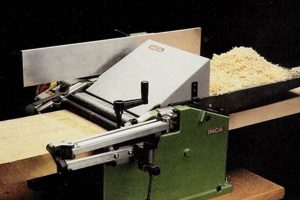
These components are crucial elements integrated into a variety of automated woodworking equipment. Characterized by their cylindrical shape and strategic placement, they mechanically advance material through the machine during operation. A common example includes their use in planers, where they grip and guide a board, ensuring consistent thickness as it passes beneath the cutting head.
Their employment enhances both safety and efficiency within woodworking processes. They minimize manual handling, reducing the risk of operator injury, while also enabling consistent and repeatable results. Historically, advancements in materials and design have led to improved grip, durability, and adaptability to different wood types and operating speeds, making them indispensable for high-volume and precision woodworking applications.
The subsequent sections will delve into the specific types of these mechanisms, the factors influencing their selection, maintenance best practices, and troubleshooting common issues to optimize their performance within diverse woodworking machinery.
Operational Tips for Woodworking Machinery Feed Mechanisms
The following guidelines aim to enhance the performance and longevity of material advancement systems within woodworking environments. Proper implementation of these practices will contribute to increased efficiency, reduced downtime, and improved safety.
Tip 1: Select Appropriate Durometer. Hardness, measured by durometer, should match material characteristics. Softer materials need high-grip soft rollers, while hardwoods perform better with harder, more durable formulations.
Tip 2: Ensure Parallel Alignment. Misalignment causes uneven feed rates and material defects. Routine checks with precision instruments are necessary to confirm that all such components are parallel to the machine bed.
Tip 3: Regulate Feed Pressure. Excessive force damages material and accelerates wear. Insufficient force leads to slippage and inconsistent results. Adjust pressure based on material density and thickness.
Tip 4: Implement Regular Cleaning Protocols. Resin buildup reduces grip and increases wear. Clean mechanisms frequently with appropriate solvents, adhering to manufacturer’s recommendations.
Tip 5: Conduct Periodic Inspections. Examine for cracks, tears, or deformation. Replace worn or damaged components promptly to prevent system failure.
Tip 6: Lubricate Moving Parts. Applies lubricant to the moving parts such as bearing or other that move to prevent friction. Use manufacturer’s recommendation lubrication for longer machine life
Tip 7: Implement a Preventative Maintenance Schedule. Consistent maintenance prevents failures and minimize downtime. Schedule maintenance routine based on machine usage and environmental conditions.
Adhering to these practical suggestions ensures optimal system operation, minimizes material waste, and extends the lifespan of these crucial woodworking machine components.
The subsequent section will address troubleshooting common problems associated with these system and explore advanced optimization techniques.
1. Material Composition

The material from which these components are constructed dictates their performance, lifespan, and suitability for various woodworking tasks. The selection of an appropriate compound is paramount to ensuring efficient and reliable material advancement.
- Polyurethane Characteristics
Polyurethane represents a common material choice due to its inherent abrasion resistance, high coefficient of friction, and chemical stability. Its ability to withstand repetitive contact with wood surfaces, coupled with resistance to common woodworking solvents, makes it a durable option for general-purpose applications. Various formulations allow tailoring the durometer (hardness) to match specific material types and feed pressures.
- Rubber Compounds and Applications
Rubber compounds, including neoprene and nitrile, offer enhanced grip capabilities, particularly beneficial when processing softwoods or materials with uneven surfaces. The inherent flexibility of rubber allows it to conform to slight variations in material thickness, ensuring consistent traction. However, rubber is generally less resistant to abrasion and certain solvents compared to polyurethane, potentially limiting its lifespan in high-volume or chemically intensive environments.
- Influence of Additives
The incorporation of additives during manufacturing can further refine the performance characteristics. Fillers such as carbon black can enhance tensile strength and resistance to tearing. Antistatic agents can prevent the buildup of electrostatic charge, which can attract dust and debris, potentially interfering with grip. The judicious use of additives allows for tailoring the compound to specific operational demands.
- Shore A Durometer Scale Correlation
Different numbers in shore A durometer scale will produce different feed force for the machines. If the scale is higher than the force will be lower. Material composition and hardness level directly correlates with feed efficiency.
The interplay between material composition and the operational environment is crucial for optimizing system performance. Selecting a material with appropriate durometer, chemical resistance, and abrasion resistance ensures reliable material advancement and extends the lifespan of these essential components, ultimately contributing to increased efficiency and reduced downtime in woodworking operations.
2. Durometer Rating

Durometer rating, a measure of material hardness, is a critical factor governing the performance of components integrated into woodworking machinery. It directly impacts the ability of these devices to grip and advance material through the machine. An inappropriate rating can lead to slippage, inconsistent feed rates, material damage, and reduced operational efficiency. The Shore durometer scale, most commonly the “A” scale for softer materials, quantifies this hardness, providing a standardized metric for selection. For example, a lower durometer rating (e.g., 60A) signifies a softer, more pliable material suitable for gripping delicate softwoods or materials with uneven surfaces, while a higher rating (e.g., 90A) denotes a harder, more rigid material better suited for dense hardwoods where durability and resistance to deformation are paramount.
Consider a planing operation. If the mechanisms possess an excessively low durometer rating relative to the wood being processed (e.g., attempting to plane hard maple with very soft rollers), they may deform excessively under pressure, resulting in inconsistent feeding and potential gouging of the workpiece. Conversely, if the mechanisms are too hard (possessing a high durometer rating), they may lack sufficient grip to adequately advance the material, leading to slippage and potential kickback, a dangerous situation for the operator. Similarly, in a profile molding machine, a precisely chosen rating is essential to maintaining constant pressure on the wood stock as it moves across the shaping blades for consistent final dimensions. Another example, consider the difference in the feed mechanism hardness when feeding thin plywood versus thick oak planks. The thin plywood needs softer rollers to avoid damaging or marking the surface, while the thick oak demands harder rollers to ensure a strong, reliable grip.
In summary, the selection of an appropriate durometer rating requires careful consideration of the material being processed, the feed force requirements, and the machine’s operational parameters. Optimizing this parameter enhances feeding precision, minimizes material defects, extends component lifespan, and promotes safer woodworking practices. Therefore, manufacturers’ specifications and material compatibility charts serve as invaluable resources for making informed decisions regarding durometer rating selection. Ignoring this critical parameter introduces the risk of operational inefficiencies, material waste, and potential safety hazards.
3. Surface Texture
Surface texture is a critical attribute influencing the interaction between the aforementioned machine component and the material being processed. It directly impacts frictional force, grip consistency, and the potential for material marring. Optimizing this characteristic is crucial for reliable and efficient material advancement through woodworking machinery.
- Role of Coefficient of Friction
The surface texture dictates the coefficient of friction between the mechanism and the workpiece. A higher coefficient of friction, achieved through appropriate surface roughness, enhances grip and minimizes slippage, particularly when processing dense hardwoods. However, excessive roughness can lead to increased wear on both the component and the material surface. The selection of an optimal texture balances the need for secure grip with the desire to minimize surface damage and prolong component lifespan.
- Influence of Texture Patterns
Various texture patterns, such as knurling, grooving, or the application of specialized coatings, can be employed to enhance grip and control. Knurled surfaces provide a high degree of friction, suitable for demanding applications requiring secure material advancement. Grooved surfaces can channel away debris and contaminants, maintaining consistent grip performance over extended periods. Specialized coatings, such as those incorporating micro-abrasives, offer enhanced grip without causing excessive surface damage.
- Impact on Material Marring
Aggressive surface textures, while providing excellent grip, can potentially mar the surface of delicate materials. Softer materials, such as thin veneers or pre-finished lumber, are particularly susceptible to surface damage. The selection of an appropriate surface texture must therefore consider the material’s susceptibility to marring, balancing the need for secure grip with the preservation of surface quality. Smoother textures or the use of compliant coatings can mitigate the risk of surface damage in these applications.
- Maintaining Texture Integrity
Over time, the surface texture can degrade due to wear, contamination, or material buildup. Regular cleaning and maintenance are essential to preserving texture integrity and ensuring consistent performance. Abrasive debris can smooth out the surface, reducing grip, while resin buildup can create an uneven surface, leading to inconsistent feed rates. Periodic inspection and cleaning, coupled with the replacement of worn or damaged components, are crucial for maintaining optimal system performance.
These interrelated factors underscore the critical role of surface texture in optimizing the function of material advancement systems. Careful consideration of frictional requirements, material characteristics, and maintenance protocols is paramount to achieving reliable and efficient material processing in woodworking operations. The selection of appropriate texture, coupled with diligent maintenance, contributes to increased productivity, reduced material waste, and improved product quality.
4. Drive Mechanism

The drive mechanism represents a critical element within automated woodworking machinery. It serves as the motive force behind the advancement of material, dictating the precision, speed, and consistency of the feed rate. Without a properly functioning drive system, the rollers, regardless of their material or surface texture, are rendered ineffective. The connection lies in the cause-and-effect relationship: the drive mechanism’s functionality directly causes the rollers to rotate and, consequently, move the workpiece. The importance of this component is highlighted by its direct influence on production throughput and the quality of the final product. For instance, a planer relies on a geared drive system to maintain a constant feed rate, ensuring a uniform thickness across the entire board. In contrast, a profile molding machine may employ a variable-speed drive to accommodate intricate designs and prevent burning or tearing of the wood.
Different types of drive mechanisms are employed depending on the specific requirements of the woodworking machine. Geared systems offer precise control and high torque, suitable for heavy-duty applications like timber processing. Friction-based drives, utilizing belts and pulleys, provide a smoother, more compliant feed, often preferred for delicate materials like veneers or thin stock. Pneumatic systems offer rapid acceleration and deceleration, beneficial in automated cutting processes. The selection of the appropriate drive mechanism must consider factors such as the weight and density of the material being processed, the desired feed rate, the required level of precision, and the operational environment. Improper selection can lead to slippage, inconsistent feed, material damage, and premature wear of the rollers and drive components.
In summary, the drive mechanism forms an integral part of these material advancement systems, acting as the catalyst for controlled material movement. An understanding of the various drive types, their strengths, and their limitations is essential for optimizing the performance of woodworking machinery. The selection and maintenance of the drive mechanism directly impact production efficiency, material quality, and the overall longevity of the equipment. The challenge lies in choosing a system that balances precision, power, and reliability while accommodating the specific demands of the woodworking application.
5. Alignment Precision
Alignment precision constitutes a foundational requirement for the effective operation of woodworking machinery utilizing material advancement systems. Deviations from precise alignment compromise the consistency and accuracy of the machining process, directly impacting product quality and material utilization.
- Parallelism of Rollers to Machine Bed
The parallelism between these rollers and the machine bed is paramount. Non-parallel alignment causes variations in feed pressure across the material width. In a planer, this manifests as uneven stock removal, resulting in thickness inconsistencies. Corrective action necessitates shimming or adjusting the mounting points to achieve strict parallelism. A dial indicator swept across the roller surface provides quantifiable data for precise adjustments.
- Co-planarity of Multiple Rollers
Machines employing multiple feed rollers demand co-planarity. If one roller sits higher or lower than the others, it bears a disproportionate share of the load. This leads to accelerated wear on that specific component and introduces uneven feeding. For example, in a wide-belt sander, misaligned rollers create sanding marks and thickness variations. Laser alignment tools facilitate accurate co-planarity adjustments, ensuring uniform load distribution.
- Axial Alignment and Drive System Synchronization
The axial alignment of rollers with the drive system is critical for synchronized rotation. Misalignment places undue stress on bearings, gears, and belts, leading to premature failure. Furthermore, it introduces inconsistencies in feed speed. Consider a multi-roller feed system where one roller is slightly misaligned. This roller may rotate at a different speed than the others, resulting in material skewing. Proper shimming and coupling techniques mitigate these issues.
- Impact on Material Tracking and Squaring
Precision alignment directly impacts material tracking through the machine. If the system is misaligned, the workpiece tends to drift laterally, resulting in inaccurate cuts or profiles. This is particularly problematic in operations requiring precise squaring, such as cabinet door construction. Precise alignment of components ensures the material maintains a consistent trajectory, minimizing waste and rework.
The aforementioned aspects of alignment precision represent interconnected elements crucial for the dependable and accurate operation of machines incorporating such feed systems. Addressing these factors through meticulous installation, regular maintenance, and the application of appropriate alignment techniques ensures optimal machine performance, reduces material waste, and enhances the quality of finished woodworking products.
6. Load Capacity

Load capacity, a critical parameter for these components in woodworking machinery, defines the maximum weight or force they can withstand without experiencing deformation, failure, or a degradation in performance. This characteristic directly influences the types of materials that can be processed and the efficiency of the machinery. Insufficient load capacity leads to slippage, inconsistent feed rates, and potential damage to the mechanism, ultimately impacting production output and product quality. For example, a feed system in a heavy-duty planer, tasked with processing thick hardwood planks, requires a substantially higher load capacity than one in a scroll saw designed for thin veneers. The rollers themselves, their supporting structures, and the driving mechanism must be engineered to handle the anticipated loads safely and effectively.
The significance of appropriate load capacity extends beyond simply preventing mechanical failure. Overloading creates excessive stress on the rollers, causing them to flatten or develop inconsistencies in their surface. This, in turn, leads to uneven feed pressure across the material, resulting in variations in thickness, surface marks, or inaccurate cuts. Furthermore, exceeding the specified load capacity accelerates wear on the rollers and associated components, shortening their lifespan and increasing maintenance costs. Consider a scenario where a feed system designed for processing softwood is inadvertently used to feed dense tropical hardwood. The excessive weight causes the rollers to deform, leading to inconsistent thickness and requiring frequent replacement. This results in increased downtime and reduced productivity.
In conclusion, understanding and respecting the load capacity is paramount for ensuring the reliable and efficient operation of woodworking machinery. Proper assessment of the material characteristics, combined with the selection of appropriately rated system, minimizes the risk of mechanical failure, material damage, and premature component wear. Adherence to these principles promotes consistent production quality, reduces maintenance costs, and extends the lifespan of the machinery, ultimately contributing to a more productive and cost-effective woodworking operation. The challenges lies in the diverse characteristics of wood, requiring an experienced operator or regular checking of load tolerance to ensure an optimal machine performance.
Frequently Asked Questions
The following questions address common concerns and misconceptions regarding the selection, operation, and maintenance of material feed systems in woodworking machinery. The information provided aims to offer clarity and promote best practices for optimized performance.
Question 1: What factors determine the correct durometer rating for feed rollers?
Material hardness, density, and surface characteristics influence the appropriate durometer. Softer materials require lower durometer ratings for enhanced grip without damage. Harder materials necessitate higher ratings to resist deformation and provide adequate traction. Consultation with manufacturer specifications is recommended.
Question 2: How often should feed rollers be inspected and cleaned?
Inspection frequency depends on machine usage and material type. Daily inspection for damage and debris is advisable. Cleaning should occur as frequently as necessary to remove resin buildup and maintain consistent grip, typically at least weekly.
Question 3: What are the symptoms of misaligned feed rollers?
Symptoms include uneven feed rates, inconsistent material thickness, skewed cuts, and increased motor load. Visual inspection for parallelism and co-planarity is crucial for identifying and correcting misalignment issues.
Question 4: Can feed rollers be resurfaced or rebuilt?
Resurfacing is possible for some materials, restoring the original surface texture and grip. Rebuilding involves replacing worn components, extending the lifespan of the system. The feasibility depends on the extent of wear and the construction of the system.
Question 5: What types of lubricants are appropriate for feed roller mechanisms?
The lubricant type varies based on the drive mechanism. Gear-based systems require high-viscosity lubricants. Belt-driven systems benefit from silicone-based lubricants to prevent slippage. Manufacturer recommendations should be strictly followed.
Question 6: How does load capacity impact feed roller selection?
Load capacity defines the maximum weight the system can handle without deformation or performance degradation. Selecting a system with insufficient load capacity results in slippage, inconsistent feed rates, and premature component failure. Careful consideration of material weight and dimensions is essential.
Understanding these points ensures proper application and maintenance, leading to optimized system performance and extended component lifespan.
The subsequent section will delve into advanced optimization strategies for maximizing the efficiency of such systems.
Conclusion
The preceding sections have detailed the function, selection criteria, operational considerations, and maintenance protocols associated with `feed rollers woodworking machines`. Key points include the influence of material composition, durometer rating, surface texture, drive mechanism, alignment precision, and load capacity on overall system performance. Understanding these interconnected factors is crucial for achieving optimal efficiency and precision in woodworking operations.
Continued adherence to best practices regarding system selection, maintenance, and operational parameters remains paramount. As woodworking technologies evolve, ongoing assessment and adaptation of practices related to `feed rollers woodworking machines` will be essential for maintaining competitive advantage and ensuring sustainable, high-quality production output.
![Best Wood Turning Machine [Guide] For Woodworking | Step-by-Step Guides, Tools & Inspiration to Build Beautiful Wooden Decor on a Budget](https://woodfromhome.com/wp-content/uploads/2026/04/th-9-300x200.jpg "Best Wood Turning Machine [Guide] For Woodworking Step-by-Step Guides, Tools & Inspiration to Build Beautiful Wooden Decor on a Budget")
![Top CNC: The Best CNC Machine for Woodworking Guide [Year] | Step-by-Step Guides, Tools & Inspiration to Build Beautiful Wooden Decor on a Budget](https://woodfromhome.com/wp-content/uploads/2026/03/th-467-300x200.jpg "Top CNC: The Best CNC Machine for Woodworking Guide [Year] Step-by-Step Guides, Tools & Inspiration to Build Beautiful Wooden Decor on a Budget")