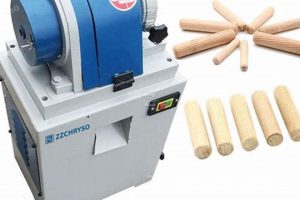
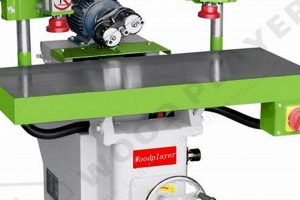
A power tool employed in woodworking, this equipment utilizes abrasive materials to smooth, shape, or prepare wooden surfaces. These devices range from handheld models for detail work to large, stationary machines designed for processing substantial quantities of material. Examples include belt, disc, drum, and orbital varieties, each suited to specific applications.
Its significance lies in the ability to achieve consistent and refined finishes efficiently. By removing imperfections, level uneven surfaces, and prepare wood for staining or painting, these tools contribute substantially to the quality and aesthetics of finished wood products. The development of motorized versions significantly reduced the manual labor required in woodworking, enabling increased productivity and precision.
The following sections will explore different types, operational principles, and selection criteria to provide a comprehensive understanding of the various options available. Factors such as abrasive grit selection, safety precautions, and maintenance procedures will also be addressed.
Operational Tips for Wood Surface Finishing Tools
Optimal performance and longevity of these devices depend on adherence to specific operational guidelines. This section provides essential tips for maximizing efficiency and minimizing potential hazards.
Tip 1: Abrasive Selection: Employ the appropriate grit for the task. Begin with a coarser grit to remove significant material or imperfections, progressing to finer grits for a smooth finish. Premature use of fine grits can clog the abrasive and reduce effectiveness.
Tip 2: Dust Collection: Utilize an effective dust collection system. Wood dust poses both a health hazard and a fire risk. Implementing a vacuum system or wearing a respirator is crucial for a safe working environment.
Tip 3: Feed Rate: Maintain a consistent feed rate. Avoid applying excessive pressure, which can overload the motor and lead to uneven results. Allow the abrasive to perform the work without forcing it.
Tip 4: Abrasive Pad Condition: Regularly inspect and replace worn or damaged abrasive pads or belts. A compromised abrasive surface will produce substandard results and potentially damage the workpiece.
Tip 5: Machine Maintenance: Perform routine maintenance as recommended by the manufacturer. This includes lubricating moving parts, cleaning dust accumulation, and inspecting electrical connections.
Tip 6: Wood Preparation: Before operation, ensure the wood surface is free of any foreign object such as nails and screw. It can damage surface of sanding and cause kickback.
Tip 7: Test Piece Operation: Use test piece before applying to final piece to get feel on operation and expected result. This helps you to determine right sand paper.
Implementing these tips contributes to enhanced efficiency, improved finish quality, and a safer operational environment, increasing the effectiveness of woodworking projects.
The following section will address the safety aspects associated with this equipment.
1. Abrasive Grit Selection

Abrasive grit selection is a fundamental aspect of utilizing a power tool effectively. The choice of grit directly influences the rate of material removal, the surface finish achieved, and the overall efficiency of the process. Incorrect selection can lead to substandard results, increased operational time, and potential damage to the workpiece.
- Material Removal Rate
Coarser grits, characterized by lower numbers (e.g., 40-60 grit), are designed for rapid material removal. These are typically employed to level uneven surfaces, remove significant imperfections, or shape wood. In the context of woodworking sanding, using too coarse a grit on a delicate surface can result in irreversible damage, while using too fine a grit on a heavily damaged surface will prove inefficient.
- Surface Finish Quality
Finer grits, identified by higher numbers (e.g., 220-400+ grit), are intended for refining surfaces and achieving a smooth finish. They remove minor imperfections and prepare the wood for staining or painting. A woodworking sanding machine equipped with a fine grit abrasive is essential for achieving a professional-quality finish on furniture or cabinetry.
- Abrasive Clogging
Using an inappropriate grit for the task can lead to clogging of the abrasive material. Attempting to remove a large amount of material with a very fine grit will quickly fill the abrasive with wood dust, rendering it ineffective and potentially damaging the sanding machine. Conversely, using a coarse grit on a surface already prepared to a smooth finish can result in unnecessary scratching and require additional finishing steps.
- Abrasive Type and Application
Beyond grit size, the type of abrasive material also influences its effectiveness. Aluminum oxide, silicon carbide, and garnet are common abrasive materials, each possessing distinct properties that make them suitable for different applications. Matching the abrasive material to the specific wood type and desired outcome is critical. For instance, harder woods often require more aggressive abrasives.
The careful consideration of abrasive grit selection is paramount to maximizing the utility of a power tool. By understanding the relationship between grit size, material removal rate, surface finish quality, abrasive clogging, and abrasive type, operators can optimize the sanding process and achieve superior results. Therefore, selecting the correct sanding paper or material is one of the most crucial factors for woodworking project.
2. Dust Collection Systems

The integration of dust collection systems with woodworking power tools is paramount to ensuring both operator safety and optimal tool performance. Power tools, by their very nature, generate substantial quantities of fine particulate matter during operation. The absence of an effective dust collection mechanism directly contributes to a degraded work environment, potential health hazards, and reduced tool efficiency. Without efficient dust removal, the abrasive surface of the tool becomes clogged, diminishing its effectiveness and necessitating more frequent replacement.
Consider, for example, a belt type frequently used in cabinetry shops. Without an attached dust collector, fine wood dust rapidly accumulates, obscuring the operator’s view of the workpiece and increasing the risk of inaccuracies. More critically, prolonged exposure to wood dust can lead to respiratory illnesses, allergic reactions, and, in certain cases, more severe health complications. The presence of a dedicated dust collection system mitigates these risks by capturing the dust at its source before it can disperse into the air. Furthermore, the consistent removal of debris from the workpiece surface allows for more precise and efficient sanding, resulting in a superior finish quality.
In conclusion, a dust collection system is not merely an accessory but an integral component of any woodworking sanding setup. It directly impacts operator well-being, tool longevity, and the overall quality of the finished product. Understanding the necessity of this integration, and selecting an appropriately sized and effective dust collection system, is a critical aspect of responsible and professional woodworking practice.
3. Feed Rate Control

Feed rate control, defined as the speed at which a workpiece is presented to an abrasive surface, directly influences the effectiveness, safety, and quality of outcomes. Maintaining appropriate feed rates is paramount for optimal material removal, surface finish, and tool longevity when utilizing a woodworking sanding machine.
- Material Removal Efficiency
Excessive feed rates force the abrasive to remove material beyond its capacity, resulting in inefficient stock removal, motor strain, and potential workpiece damage. Conversely, insufficient feed rates may lead to overheating of the abrasive, glazing, and an uneven surface finish. Optimal feed rates allow the abrasive to cut cleanly and efficiently, maximizing material removal without compromising surface quality. Consider a wide belt sander used for dimensioning lumber: a properly calibrated feed rate ensures consistent thickness and minimizes the need for subsequent passes.
- Surface Finish Quality
The consistency of the surface finish is inherently linked to the uniformity of the feed rate. Erratic or inconsistent feed rates produce uneven abrasive patterns, leading to visible scratches, swirl marks, or gouges on the workpiece surface. Maintaining a steady, controlled feed rate allows the abrasive to uniformly interact with the material, resulting in a smooth, even finish. Orbital machines are used to avoid sanding marks, and consistent feed rate will help to achieve the desired result.
- Abrasive and Machine Longevity
Improper feed rates can significantly reduce the lifespan of both the abrasive and the sanding machine. Overloading the abrasive by forcing an excessively fast feed rate causes premature wear, clogging, and reduced cutting efficiency. Similarly, straining the machine’s motor and components by pushing the material too quickly can lead to overheating, damage, and decreased performance. Selecting the appropriate feed rate will maintain the equipment’s service life, while helping the wood sanding process.
- Safety Considerations
Uncontrolled feed rates increase the risk of kickback, workpiece ejection, and potential injury to the operator. When the material is forced through the sanding machine too quickly, the abrasive can bind or grab, causing the machine to jerk or violently eject the workpiece. Maintaining a controlled feed rate allows the operator to maintain a firm grip on the material and react quickly to any unexpected movements.
In summary, feed rate control constitutes a critical factor in woodworking applications. Proper management will result in efficient operations, product quality, equipment longevity, and operator safety. Skilled woodworking requires attention to these parameters to maximize the utility and benefits of the machinery employed. Ignoring these facts may lead to potential machine damage.
4. Machine Maintenance

Regular and thorough equipment upkeep is critical for the consistent performance and longevity of any woodworking sanding machine. Preventative maintenance minimizes downtime, ensures operational safety, and optimizes the quality of finished products. Neglecting this aspect can lead to decreased efficiency, increased repair costs, and potential safety hazards.
- Component Inspection and Replacement
Woodworking sanding machines consist of various components subject to wear and tear. Belts, drums, platens, and bearings require routine inspection for signs of damage or degradation. Timely replacement of worn components prevents catastrophic failure and maintains consistent performance. For example, a worn belt on a belt sander can cause uneven sanding and potential motor overload.
- Lubrication
Proper lubrication of moving parts reduces friction, minimizes wear, and prevents overheating. Bearings, gears, and drive mechanisms should be lubricated according to the manufacturer’s recommendations. Insufficient lubrication can lead to premature component failure and increased energy consumption. A lack of lubrication in a drum sanders bearings, for example, can cause the drum to seize, damaging the machine and the workpiece.
- Dust Removal and Cleaning
The accumulation of wood dust within the machine can impede performance and pose a fire hazard. Regular cleaning of dust collection systems, motors, and internal components is essential. Compressed air and vacuum systems are commonly used for this purpose. Failure to remove dust can lead to motor overheating, reduced abrasive efficiency, and potential fire ignition.
- Electrical System Maintenance
Electrical components, including wiring, switches, and motors, should be inspected regularly for signs of damage or wear. Loose connections, frayed wires, and malfunctioning switches can create safety hazards and disrupt machine operation. Electrical system maintenance should be performed by qualified personnel to prevent electrical shock or fire. Regular inspection of the power cord for cuts or abrasions, for example, is essential for operator safety.
In summary, adhering to a consistent maintenance schedule is essential for the reliable and safe operation of any woodworking sanding machine. Through regular inspection, lubrication, cleaning, and electrical system maintenance, users can prolong the lifespan of their equipment, minimize downtime, and ensure consistent, high-quality results. A well-maintained machine is a safer, more efficient, and more cost-effective machine.
5. Material Preparation
Effective utilization of sanding machinery hinges upon proper material preparation. This stage dictates the efficiency of the abrasive process and the quality of the final finish. Material preparation encompasses several critical steps, including moisture content stabilization, defect identification, and initial dimensioning. For instance, lumber with excessive moisture content is prone to warping and uneven stock removal during sanding, directly impacting the flatness and uniformity of the resulting surface. Conversely, timber that has been properly dried and acclimated provides a stable base for sanding, minimizing the risk of distortion and ensuring consistent results.
Furthermore, identifying and addressing defects such as knots, cracks, and cupping prior to sanding is essential. Large knots, if sanded directly, may splinter or cause uneven removal, necessitating extensive repairs or rework. Similarly, cupped boards require flattening prior to sanding to achieve a uniform surface. Failure to address these issues upfront leads to increased sanding time, excessive abrasive consumption, and a compromised final product. A common example is the surfacing of reclaimed lumber; removing embedded debris such as nails and screws prevents damage to the sanding belt and ensures efficient material removal.
In conclusion, meticulous material preparation forms a crucial antecedent to effective woodworking sanding. Addressing moisture content, identifying defects, and ensuring dimensional accuracy prior to sanding optimizes machine performance, minimizes waste, and contributes significantly to the attainment of high-quality finishes. The investment in proper preparation translates directly into reduced sanding time, improved abrasive lifespan, and a superior final product, underscoring the inextricable link between preparation and successful abrasive finishing.
6. Safety Protocols

Adherence to defined safety protocols is paramount during the operation of woodworking equipment. The implementation of these measures minimizes the potential for injury, equipment damage, and adverse health effects associated with the use of such machinery.
- Eye and Face Protection
The use of appropriate eye and face protection, such as safety glasses or a face shield, shields the operator from flying debris generated during the sanding process. This debris may include wood particles, abrasive fragments, and other foreign objects that can cause eye injury or facial lacerations. Consistent use of eye protection is non-negotiable when operating a woodworking sanding machine.
- Respiratory Protection
Sanding operations produce fine particulate matter that poses a respiratory hazard. A properly fitted respirator or dust mask filters out these particles, preventing inhalation and reducing the risk of respiratory illnesses. Wood dust, in particular, can cause allergic reactions, asthma exacerbations, and, in some cases, more serious respiratory conditions with prolonged exposure. Adherence to respiratory protection guidelines is crucial for safeguarding operator health.
- Hearing Protection
Woodworking sanding machines can generate significant noise levels, potentially leading to hearing damage with prolonged exposure. Earplugs or earmuffs attenuate the noise, reducing the risk of noise-induced hearing loss. The selection of appropriate hearing protection should be based on the noise level produced by the machine and the duration of exposure. Consistent use of hearing protection is imperative for maintaining auditory health.
- Safe Work Practices
Safe work practices encompass a range of behaviors and procedures designed to minimize the risk of accidents. These practices include maintaining a clear workspace, avoiding loose clothing or jewelry that could become entangled in the machinery, ensuring adequate lighting, and adhering to manufacturer’s operating instructions. Proper training and a thorough understanding of the machine’s capabilities and limitations are essential components of safe work practices. Furthermore, regular inspection of equipment for defects and prompt reporting of any safety concerns are crucial for maintaining a safe working environment.
These protocols represent a fundamental aspect of operating any woodworking sanding machine. They mitigate the risks associated with this equipment, ensuring operator safety and promoting a responsible approach to woodworking practices.
7. Machine Types

The spectrum of woodworking sanding machines is broad, with each type engineered for specific applications and scales of production. Selecting the appropriate machine is crucial for achieving desired results, maximizing efficiency, and ensuring operator safety. The selection process is largely dictated by the size and shape of the workpiece, the desired surface finish, and the volume of material to be processed.
- Belt Sanders
Belt models are characterized by a continuous loop of abrasive material spanning two or more drums. These machines are effective for rapid material removal and dimensioning of large, flat surfaces. Applications include leveling tabletops, preparing lumber for joinery, and removing paint or varnish. Stationary belt sanders are typically employed in production environments, while portable belt sanders offer versatility for on-site or small-scale operations.
- Disc Sanders
Disc models utilize a rotating abrasive disc to shape and smooth materials. They are particularly well-suited for contour sanding and creating curves. Applications include shaping furniture components, sanding end grain, and deburring edges. Disc sanders are often integrated into combination machines or benchtop configurations, offering a compact and versatile solution for various woodworking tasks.
- Drum Sanders
Drum sanders feature a rotating cylindrical drum covered with abrasive material. They are designed for sanding wide panels and achieving consistent thickness. Applications include calibrating cabinet doors, surfacing plywood, and creating uniform finishes on large surfaces. Single-drum and dual-drum models are available, with dual-drum machines offering increased efficiency for heavy material removal and fine finishing.
- Orbital Sanders
Orbital machines, also known as palm models, employ a vibrating sanding pad that moves in small, circular orbits. They are ideal for achieving a smooth, swirl-free finish on various surfaces. Applications include finish sanding furniture, preparing surfaces for painting or staining, and removing minor imperfections. Random orbital machines, a variation of orbital versions, utilize a random orbital motion that further minimizes the risk of swirl marks, making them particularly well-suited for demanding finishing applications.
The diverse range of woodworking sanding machines underscores the importance of selecting the right tool for the job. A comprehensive understanding of each machine type’s capabilities and limitations enables woodworkers to optimize their processes, achieve superior results, and ensure a safe and efficient working environment. The chosen machine is frequently driven by the scale and particular sanding requirements of the woodworking endeavor.
Frequently Asked Questions
The following addresses common inquiries regarding the application, selection, and maintenance of woodworking equipment. It is intended to provide clarity on frequently encountered topics.
Question 1: What grit sequence is recommended for achieving a smooth finish on hardwood?
A typical grit sequence involves starting with 80-grit to remove imperfections, followed by 120-grit, 180-grit, and finally, 220-grit for a refined surface. The specific sequence may vary depending on the initial condition of the wood and the desired level of smoothness.
Question 2: How often should abrasive belts be replaced?
The replacement frequency depends on usage intensity and the type of material being sanded. Visual indicators include decreased abrasive effectiveness, tearing, or visible wear. Regular inspection is essential for maintaining optimal performance and preventing damage to the workpiece.
Question 3: What are the key considerations when selecting a dust collection system?
Factors to consider include airflow capacity (CFM), filtration efficiency, hose diameter, and the size of the machine. A system with adequate airflow and filtration is crucial for capturing fine dust particles and maintaining a clean, safe working environment.
Question 4: What are the common causes of swirl marks on a sanded surface?
Swirl marks can result from using a machine with excessive pressure, employing worn-out abrasive pads, or failing to overlap passes sufficiently. Proper technique and regular maintenance are essential for minimizing this issue.
Question 5: How can the risk of fire be mitigated when operating the equipment?
Regular cleaning of dust collection systems, the removal of accumulated dust from the machine and surrounding area, and the proper grounding of electrical equipment are essential fire prevention measures. A fire extinguisher should be readily accessible in the workspace.
Question 6: What are the appropriate safety measures to take prior to operate the machine?
The first, one should ensure that the workpiece is free of any metallic objects. Eye protection, ear protection, and a dust mask should be worn at all times. Make sure that all safety guards are intact and secure. Review manufacturer guidelines before starting the machine.
These answers should provide a solid foundation for understanding these intricate tools. Proper care and understanding ensures efficient and safe operation.
The subsequent section addresses best practices for using the tool.
Conclusion
This exploration has illuminated various facets of the equipment used to smooth, shape, and finish wood. From abrasive selection to safety protocols, the preceding sections have emphasized the critical elements for effective and responsible utilization. Understanding machine types, maintenance procedures, and material preparation is fundamental to achieving desired outcomes and ensuring operator well-being.
The woodworking sanding machine represents a pivotal tool in modern woodworking. Its proper implementation and adherence to safety protocols are essential not only for achieving high-quality results but also for fostering a safe and productive working environment. Continued awareness and application of best practices will further enhance the craft and ensure its continued success.