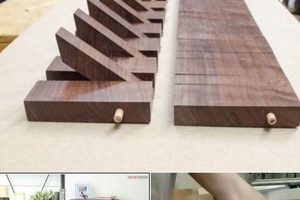
The endeavor of marketing and distributing handcrafted wooden items involves a strategic approach to reach potential customers and facilitate transactions. This encompasses various methods, ranging from online platforms to local markets, each demanding a specific skillset and understanding of consumer behavior. An example includes establishing an online store featuring detailed product descriptions and high-quality photographs to attract buyers.
Successful commercialization of these artisanal creations offers multiple advantages. It provides a channel for income generation, transforms a hobby into a viable business, and allows for the preservation and promotion of traditional craftsmanship. Historically, artisans relied on local trade and word-of-mouth; contemporary options broaden reach exponentially.
Effective strategies for realizing financial returns from woodworking endeavors include determining optimal pricing, developing compelling marketing materials, and choosing suitable sales outlets. Subsequent sections will delve into specifics of these key areas, providing a roadmap for successful commercial ventures.
Strategies for Commercializing Woodworking Endeavors
Optimizing the sale of handcrafted wooden items necessitates a strategic approach covering various facets of business. Key elements include product presentation, pricing models, and market reach.
Tip 1: Product Photography. Professional-grade photographs are essential for online sales. Images should showcase the product from multiple angles, highlight details, and accurately represent color and finish. Utilizing a neutral background minimizes distractions.
Tip 2: Detailed Product Descriptions. Provide comprehensive information about each item. Include dimensions, materials used, construction methods, and any unique characteristics. Transparency builds trust with potential buyers.
Tip 3: Competitive Pricing Analysis. Research comparable products in the market to establish a competitive price point. Consider material costs, labor hours, and desired profit margin when determining the final price.
Tip 4: Establish an Online Presence. Utilize e-commerce platforms or create a dedicated website to showcase products. Ensure the platform is user-friendly and facilitates secure transactions.
Tip 5: Local Craft Fairs and Markets. Participate in local events to reach a targeted audience. Direct interaction with customers provides valuable feedback and builds brand awareness.
Tip 6: Networking with Related Businesses. Collaborate with interior designers, furniture stores, or art galleries to expand reach and access new customer segments.
Tip 7: Social Media Marketing. Employ social media platforms to showcase craftsmanship and engage with potential customers. Regular posts featuring new products, behind-the-scenes glimpses, and customer testimonials can enhance brand visibility.
Effective execution of these strategies facilitates a higher probability of success in commercializing woodworking endeavors. Attention to detail in each area contributes to overall business growth.
Subsequent sections will provide guidance on addressing potential challenges and developing sustainable business models.
1. Craftsmanship Quality

Craftsmanship quality serves as a cornerstone element determining the potential for successful commercialization of woodworking projects. It impacts perceived value, market competitiveness, and long-term sustainability.
- Precision and Accuracy
Attaining a high degree of precision in joinery, shaping, and finishing enhances the visual appeal and structural integrity of the product. For example, dovetail joints executed with tight tolerances signify superior craftsmanship, contributing to increased perceived value and subsequent saleability. Deviations from accurate dimensions or inconsistent finishes detract from the overall product quality.
- Material Selection and Application
Utilizing appropriate materials for the intended application impacts both durability and aesthetic appeal. Employing hardwoods, such as oak or maple, for load-bearing components demonstrates a commitment to longevity. Conversely, selecting inferior materials or applying improper finishes compromises the product’s lifespan and diminishes its market value.
- Attention to Detail
The inclusion of subtle refinements and meticulous finishing distinguishes exceptional pieces from mass-produced alternatives. Smooth, hand-sanded surfaces, precisely fitted hardware, and artful embellishments contribute to the overall impression of quality. Overlooking these finer details detracts from the perceived value and hinders the ability to command premium pricing.
- Design and Functionality
A well-conceived design that seamlessly integrates form and function enhances the user experience and increases market appeal. Ergonomic considerations, intuitive operation, and aesthetically pleasing proportions are essential elements. Designs lacking functionality or exhibiting poor aesthetic execution limit the product’s attractiveness and subsequent sales potential.
In summary, craftsmanship quality is inextricably linked to the effective commercialization of woodworking projects. Superior craftsmanship translates to increased perceived value, enhanced market competitiveness, and greater potential for profitability. Focusing on precision, material selection, attention to detail, and design fosters long-term success.
2. Market Research

Market research is a foundational component when determining strategies to commercialize woodworking projects. A comprehensive understanding of the target market, competitive landscape, and prevailing trends directly influences pricing, product development, and marketing initiatives. Lack of sufficient market research increases the risk of misaligned offerings and limited sales.
- Identifying Target Demographics
Determining the specific characteristics of potential customers is crucial. Factors include age, income, lifestyle, and geographic location. For example, targeting high-income homeowners in suburban areas may indicate a demand for custom-built furniture. Conversely, targeting young adults in urban settings might suggest a market for smaller, more affordable items. Inaccurate demographic profiling can result in wasted marketing efforts and reduced sales conversion rates.
- Analyzing Competitor Offerings
Assessing the products and pricing strategies of other woodworking businesses provides valuable insights. This includes identifying their strengths and weaknesses, as well as the level of market saturation. If several businesses offer similar products at lower prices, differentiation through unique designs, superior craftsmanship, or specialized services becomes imperative. Failure to assess the competitive landscape can lead to pricing disadvantages and decreased market share.
- Assessing Demand and Trends
Evaluating current market trends and predicting future demand allows for informed product development and inventory management. Staying abreast of prevailing design aesthetics, material preferences, and functional requirements is essential. For instance, a growing interest in sustainable materials may prompt the use of reclaimed wood or eco-friendly finishes. Ignoring emerging trends can result in outdated product offerings and diminished customer appeal.
- Determining Optimal Pricing Strategies
Market research informs the development of pricing strategies that balance profitability and market competitiveness. Understanding customer willingness to pay and price sensitivity is crucial. Conducting surveys, analyzing competitor pricing, and assessing perceived value can guide pricing decisions. Overpricing may deter potential customers, while underpricing can erode profit margins. A well-informed pricing strategy maximizes revenue potential.
The insights gained from thorough market research directly inform the strategic decisions necessary to successfully commercialize woodworking projects. Aligning product offerings with customer demand, differentiating from competitors, adapting to market trends, and implementing effective pricing strategies are all essential for maximizing sales potential.
3. Pricing Strategy

Pricing strategy is a critical determinant of success in the commercialization of woodworking projects. It directly influences profitability, sales volume, and brand perception. An effective pricing model reflects material costs, labor hours, overhead expenses, and desired profit margins while also considering market demand and competitive pressures. A misaligned pricing strategy can render even the most skillfully crafted woodworking project commercially unviable. For instance, a meticulously crafted dining table using premium hardwoods may fail to sell if priced significantly higher than comparable items from established furniture retailers, regardless of the demonstrable superior quality. Conversely, underpricing a unique, high-demand item can leave potential profits unrealized and devalue the perceived quality of the work.
Implementation of a suitable pricing strategy involves several key considerations. Cost-plus pricing, where a fixed percentage is added to the total cost of production, provides a straightforward approach. However, it may not adequately account for market dynamics or the perceived value of artisanal craftsmanship. Value-based pricing, which sets prices based on the perceived benefits and unique qualities of the product, allows for premium pricing of exceptional pieces. Competitive pricing involves aligning prices with similar offerings in the market, requiring careful assessment of competitor strategies and product differentiation. For example, a woodworker creating custom-designed cutting boards might research the prices of similar boards on platforms like Etsy and adjust accordingly, taking into account unique design elements or material quality.
In summary, pricing strategy constitutes an indispensable element when commercializing woodworking projects. A well-defined pricing model ensures profitability, attracts customers, and establishes brand value. Challenges include accurately calculating costs, adapting to fluctuating market conditions, and communicating the value proposition of handcrafted items. By carefully considering these factors, woodworkers can effectively position their projects in the market and achieve sustainable sales.
4. Online Platform

The establishment of an online platform functions as a critical conduit for realizing revenue from woodworking projects. It overcomes geographical limitations inherent in traditional brick-and-mortar retail, thereby broadening the potential customer base exponentially. Effective utilization of an online platform directly impacts the viability of “how to sell my woodworking projects” by providing a virtual storefront accessible to a global market. For example, a woodworker in a rural area can showcase intricate carvings to customers in urban centers, a scenario impractical without the internet. Without a strategically managed online presence, the ability to reach a sufficient number of potential buyers is severely restricted, hindering sales volume and limiting market penetration.
Strategic choices regarding the online platform include selecting between establishing an independent e-commerce website or utilizing existing online marketplaces. An independent website offers greater control over branding and customer experience but necessitates significant investment in web development, security, and marketing. Marketplaces like Etsy or Amazon provide immediate access to a large customer base, but impose fees and restrictions on customization. The choice depends on factors such as budget, technical expertise, and desired level of brand control. Furthermore, the platform must integrate secure payment processing, efficient shipping options, and responsive customer support to ensure a positive buyer experience, all crucial for establishing trust and encouraging repeat business.
In summary, the online platform is inextricably linked to the success of any strategy aimed at “how to sell my woodworking projects”. It facilitates market access, enables direct-to-consumer sales, and supports brand building. Addressing the challenges associated with platform selection, website management, and customer service is paramount. Optimizing the online presence directly contributes to increased sales and sustained business growth.
5. Local Presence

Local presence represents a critical facet in strategies aimed at marketing handcrafted woodworking projects. While online platforms extend reach globally, cultivation of a local network and engagement within the community contributes significantly to brand building, customer acquisition, and sustained business growth.
- Participation in Craft Fairs and Markets
Direct engagement with potential customers at local craft fairs and markets provides opportunities to showcase products, receive immediate feedback, and build relationships. Setting up a booth allows artisans to demonstrate craftsmanship, answer questions, and cultivate a personal connection with buyers. For instance, attending a regional harvest festival can expose woodworking projects to a demographic interested in artisanal goods, resulting in direct sales and increased brand recognition within the local community. Failure to participate in relevant local events limits exposure to potential local clientele.
- Collaborations with Local Businesses
Forming partnerships with complementary local businesses, such as interior design firms or furniture stores, expands reach and access to new customer segments. A partnership could involve displaying woodworking projects in a showroom or creating custom pieces for a local restaurant. This collaboration enables cross-promotion and increases visibility within the community. Neglecting to foster such relationships limits access to potential referral networks and collaborative marketing opportunities.
- Community Involvement and Workshops
Offering woodworking workshops or participating in community events reinforces local presence and builds goodwill. Conducting a workshop at a local community center or donating handcrafted items to a charity auction demonstrates a commitment to the community and enhances brand reputation. This type of involvement fosters positive associations and attracts customers who value local engagement. A lack of community engagement can result in a perception of detachment from the local market.
- Networking with Local Artisans and Organizations
Establishing connections with other local artisans and industry organizations creates a supportive network and expands access to resources and opportunities. Participating in local artisan guilds or attending industry events facilitates knowledge sharing and collaboration. This networking can lead to joint marketing initiatives, shared retail spaces, and access to valuable resources. Isolating oneself from the local artisan community limits potential collaborations and knowledge acquisition.
In conclusion, a strong local presence complements online efforts and fosters long-term sustainability in strategies for “how to sell my woodworking projects.” By actively engaging in the local community, forming partnerships, and building relationships, woodworkers can cultivate a loyal customer base and establish a recognizable brand within their geographic area, resulting in increased sales and sustained business growth.
6. Marketing Efforts

Marketing efforts function as a critical catalyst in the endeavor to commercialize woodworking projects. The direct connection between strategic marketing initiatives and sales volume is demonstrable. Effective marketing generates awareness, cultivates interest, and ultimately drives purchasing decisions. Without dedicated marketing endeavors, even the most skillfully crafted woodworking items may remain unsold due to lack of visibility among potential consumers. For example, a furniture maker specializing in handcrafted chairs may produce items of exceptional quality, but without targeted advertising campaigns or participation in relevant trade shows, the potential customer base remains unaware of the product offering.
Practical application of marketing principles requires a multi-faceted approach, encompassing both online and offline strategies. This includes the development of a visually appealing website or online storefront, utilization of social media platforms for product promotion and customer engagement, participation in local craft fairs and markets, and collaboration with related businesses such as interior design firms. For instance, creating high-quality photographs of woodworking projects and showcasing them on platforms like Instagram can attract a wider audience and generate sales leads. Similarly, offering promotional discounts or free shipping incentives can encourage initial purchases and build customer loyalty. Careful analysis of marketing campaign performance metrics is also crucial for optimizing future initiatives.
In summary, marketing efforts are indispensable for translating woodworking skills into viable commercial ventures. The success of marketing strategies directly influences the realization of financial returns from handcrafted projects. Challenges include budget constraints, competition from mass-produced alternatives, and the need to effectively communicate the value proposition of artisanal craftsmanship. However, through persistent and targeted marketing endeavors, woodworkers can increase brand visibility, attract customers, and achieve sustained business growth.
7. Customer Service

Customer service constitutes a pivotal element in the successful commercialization of woodworking projects. It extends beyond mere transactional interactions, shaping customer perceptions, fostering loyalty, and influencing future sales opportunities. Superior customer service differentiates a woodworking business from competitors and drives long-term sustainability.
- Prompt and Courteous Communication
Timely and respectful responses to customer inquiries, whether regarding product details, order status, or potential issues, demonstrate professionalism and attentiveness. For example, acknowledging an email within 24 hours, even to indicate that a more detailed response is forthcoming, assures the customer that their inquiry is valued. Failure to provide prompt communication can lead to customer frustration and lost sales opportunities.
- Personalized Attention and Customization
Tailoring products or services to meet individual customer needs enhances satisfaction and builds a stronger connection. Offering custom engraving, adjusting dimensions to fit a specific space, or providing design consultations elevates the customer experience. A woodworker who accommodates a customer’s request for a specific wood type or finish is more likely to secure the sale and foster repeat business. Ignoring personalization opportunities reduces the potential for customer loyalty.
- Effective Resolution of Issues and Complaints
Addressing customer concerns with empathy and efficiency transforms potential negative experiences into opportunities to build trust. Promptly resolving issues such as damaged shipments, incorrect orders, or product defects demonstrates a commitment to customer satisfaction. A woodworker who readily replaces a damaged item or offers a refund reinforces customer confidence. Failing to address complaints effectively can damage reputation and deter future customers.
- Post-Sale Support and Follow-Up
Providing ongoing support and checking in with customers after a purchase demonstrates a continued commitment to their satisfaction. Offering care instructions, providing warranty information, or soliciting feedback ensures that customers feel valued beyond the initial transaction. Following up with a customer a few weeks after delivery to ensure satisfaction with their new furniture demonstrates a commitment to their long-term happiness. Neglecting post-sale support limits the potential for repeat business and positive word-of-mouth referrals.
In conclusion, customer service is intrinsically linked to the success of any strategy focused on generating revenue from woodworking endeavors. It is not merely a reactive function but a proactive approach to building relationships, fostering loyalty, and maximizing sales potential. By prioritizing prompt communication, personalized attention, effective issue resolution, and post-sale support, woodworkers can differentiate themselves in the market and achieve sustained business growth.
Frequently Asked Questions
The subsequent queries address common concerns and misconceptions regarding the effective commercialization of woodworking projects. The responses provide concise and informative guidance based on industry best practices.
Question 1: What initial investment is typically required to begin selling woodworking projects?
The initial investment varies substantially depending on the scale of operation. Establishing a fully equipped workshop necessitates significant capital outlay for tools, machinery, and materials. Conversely, starting with a limited selection of hand tools and focusing on smaller projects reduces the initial financial burden. Establishing an online presence also incurs costs related to website development, hosting, and marketing materials.
Question 2: Which online platforms are most suitable for selling handcrafted wooden items?
Several online platforms cater to the sale of handcrafted goods. Etsy is a popular option, providing a dedicated marketplace for artisanal products. Shopify enables the creation of independent e-commerce websites with greater control over branding and design. Amazon Handmade offers access to a vast customer base but imposes stricter requirements. The optimal platform depends on factors such as budget, technical expertise, and desired level of brand control.
Question 3: How does one determine the appropriate pricing for woodworking projects?
Pricing requires a comprehensive analysis of several factors. Material costs, labor hours, overhead expenses, and desired profit margins must be carefully considered. Market research is essential to assess comparable products and establish a competitive price point. Value-based pricing, which reflects the unique qualities and perceived benefits of the item, allows for premium pricing of exceptional craftsmanship.
Question 4: What legal considerations should be addressed when selling woodworking projects?
Adherence to relevant legal requirements is essential. This includes obtaining necessary business licenses and permits, complying with sales tax regulations, and adhering to consumer protection laws. If employing others, adherence to labor laws and insurance requirements is also mandatory. Consulting with legal professionals ensures compliance and minimizes potential liabilities.
Question 5: How does one effectively market woodworking projects to attract customers?
Effective marketing necessitates a multi-faceted approach. High-quality product photography, detailed descriptions, and a user-friendly website are crucial. Social media marketing, participation in local craft fairs, and collaborations with related businesses can expand reach. Targeted advertising campaigns and customer testimonials can enhance brand visibility and drive sales conversions.
Question 6: How can one ensure customer satisfaction and encourage repeat business?
Providing exceptional customer service is paramount. This includes prompt and courteous communication, personalized attention, and efficient resolution of issues. Offering warranties, providing care instructions, and soliciting feedback demonstrates a commitment to customer satisfaction. Building strong relationships fosters loyalty and encourages repeat purchases.
These frequently asked questions provide a starting point for navigating the complexities of selling woodworking projects. Further research and consultation with experienced professionals are recommended for addressing specific circumstances.
The subsequent section will explore strategies for scaling a woodworking business and achieving long-term sustainability.
Concluding Remarks
This exploration of “how to sell my woodworking projects” has underscored the multi-faceted nature of successfully commercializing artisanal creations. Effective strategies encompass craftsmanship quality, comprehensive market research, strategic pricing, robust online presence, proactive local engagement, targeted marketing, and exemplary customer service. Each component necessitates diligent planning and execution to maximize sales potential.
Sustainable success in the woodworking business demands a commitment to continuous improvement and adaptation to evolving market dynamics. The meticulous application of the principles outlined provides a foundation for transforming woodworking skills into a viable and rewarding commercial endeavor. Further dedication to refining these methods will dictate long-term profitability and market position.