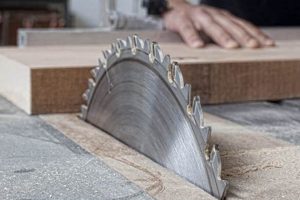
Selecting appropriate cutting tools is essential for successful woodworking projects. These tools provide the means to create intricate shapes, precise cuts, and smooth finishes in various wood types. An example would be employing a specialized electric saw to achieve curved cuts on furniture pieces.
The utility of such tools is paramount in both professional workshops and hobbyist settings. They offer efficiency, versatility, and control that hand tools often cannot match, thereby reducing project time and enhancing the quality of the finished product. Historically, advancements in power tool technology have significantly impacted woodworking techniques, leading to greater design possibilities and increased productivity.
This article will explore key considerations when choosing suitable cutting tools, examining factors such as power, blade options, ergonomic design, and specific application needs. Subsequent sections will delve into product categories and their respective features.
Guidance for Optimal Selection and Utilization
The following section provides valuable insights to ensure effective tool selection and operation for woodworking endeavors.
Tip 1: Prioritize Variable Speed Control: Look for models offering adjustable speed settings. Different wood densities and thicknesses require varying blade speeds to achieve clean cuts and minimize splintering. For instance, slower speeds are generally preferable for hardwoods, while softer woods can be cut more efficiently at higher speeds.
Tip 2: Assess Blade Compatibility: Ensure the chosen tool accepts a broad range of blade types and mounting systems. Compatibility with T-shank blades is crucial for quick and easy blade changes. Additionally, consider the availability of specialized blades designed for specific materials, such as metal or plastic, to expand the tool’s versatility.
Tip 3: Evaluate Ergonomic Design: Opt for a design that minimizes user fatigue and maximizes control. A comfortable grip, balanced weight distribution, and a clear line of sight to the cutting path are essential for accurate cuts and prolonged use. Vibration dampening features also contribute to user comfort and reduce the risk of hand-arm vibration syndrome.
Tip 4: Examine Orbital Action Settings: Models equipped with orbital action provide more aggressive cutting capabilities. Adjusting the orbital action can optimize performance for different cutting tasks. Use minimal or no orbital action for intricate curves or when cutting delicate materials to prevent excessive chipping.
Tip 5: Consider Corded Versus Cordless Options: Corded models generally offer higher power and consistent performance for extended periods. Cordless models provide greater maneuverability and convenience, particularly in situations where power outlets are limited. Evaluate project needs to determine the appropriate power source.
Tip 6: Investigate Dust Extraction Capabilities: Effective dust extraction is critical for maintaining a clean work environment and improving visibility. Models with integrated dust ports allow for easy connection to a vacuum system, reducing airborne particles and minimizing cleanup time.
Tip 7: Check for Bevel Cutting Features: The ability to make bevel cuts expands the tool’s functionality for creating angled edges and joinery. Verify the tool’s bevel cutting range and the ease of adjusting the bevel angle.
Employing these guidelines can enhance the precision and effectiveness of woodworking endeavors, ultimately leading to superior results and increased user satisfaction.
The subsequent sections will explore specific tool models and their applications in diverse woodworking scenarios.
1. Cutting Capacity

Cutting capacity is a primary specification to assess when selecting a jigsaw. It defines the maximum thickness of material the tool can effectively cut, directly impacting the range of projects for which the saw is suitable. Disregarding this specification can lead to inefficient cuts, blade binding, and potential damage to the tool or workpiece.
- Maximum Thickness in Wood
Manufacturers typically specify a maximum cutting thickness for wood, often ranging from 1 inch to over 4 inches. This rating represents the depth to which the saw can cut cleanly and efficiently. Exceeding this limit can strain the motor, leading to reduced performance and shortened tool lifespan. Consider the typical thickness of materials used in woodworking projects to select a saw with adequate capacity.
- Impact of Wood Density
Cutting capacity specifications generally refer to softwood materials. Denser hardwoods, such as oak or maple, may require saws with higher power ratings or reduced feed rates to achieve comparable cutting performance. A saw rated for 2 inches in softwood may struggle with 1.5 inches of dense hardwood. Adjustments to cutting speed and blade selection become critical when working with varying wood densities.
- Blade Length and Stroke
Effective cutting capacity is also influenced by blade length and stroke length. Longer blades and stroke lengths allow for deeper cuts and improved chip clearance. However, excessively long blades can be prone to bending or vibration, particularly in thinner materials. The optimal blade length should be selected based on the workpiece thickness and intended cutting action.
- Bevel Cutting Considerations
Bevel cutting, where the blade is angled relative to the workpiece, reduces the effective cutting capacity. As the bevel angle increases, the maximum cut depth decreases. Therefore, saws intended for frequent bevel cuts should possess sufficient cutting capacity to compensate for this reduction, ensuring they can still handle the desired material thickness at the required angle.
Therefore, matching cutting capacity to project demands is essential for efficient and effective woodworking. Selecting a jigsaw with sufficient capacity, while also considering wood density, blade characteristics, and bevel cutting requirements, ensures the tool’s performance aligns with the user’s specific needs.
2. Blade Control

Effective blade control is paramount in jigsaw operation, directly impacting the precision and quality of cuts achieved. In the context of selecting appropriate jig saws for woodworking, superior blade control emerges as a critical determinant. Insufficient blade control results in wandering cuts, splintering, and deviations from the intended cutting line, compromising the integrity of woodworking projects. The ability of a jigsaw to maintain consistent blade alignment throughout the cutting process distinguishes high-performing models from those with limited capabilities.
Features contributing to enhanced blade control include robust blade clamping mechanisms, precision-engineered guide rollers, and variable speed settings. A secure blade clamp minimizes blade deflection during operation, ensuring straight and accurate cuts, particularly in denser materials. Guide rollers positioned above and below the workpiece stabilize the blade, reducing lateral movement and preventing unwanted flexing. Variable speed control allows users to adjust the blade speed to match the material being cut, mitigating the risk of overheating, burning, or splintering. For instance, when cutting intricate curves in hardwood, a slower blade speed and precise guide rollers are essential for maintaining control and achieving a smooth, clean edge.
In summation, blade control directly influences the quality and accuracy of jigsaw cuts in woodworking. High-performing saws offer robust blade clamping, guide rollers, and variable speed options to ensure minimal blade deflection and precise cutting. Understanding the significance of these factors aids in the selection of optimal tools for various woodworking projects. Ignoring blade control characteristics can lead to substandard results, increased material waste, and compromised project outcomes.
3. Ergonomic Design

Ergonomic design plays a pivotal role in determining the usability and efficiency of power tools, particularly jig saws employed in woodworking. The integration of ergonomic principles directly influences user comfort, reduces fatigue, and enhances precision, ultimately contributing to the selection of suitable jig saws for woodworking tasks.
- Grip Comfort and Control
Handle design and material selection significantly impact grip comfort and control. Contoured grips made of non-slip materials reduce hand strain during extended use. A grip that fits comfortably in the hand enables better maneuverability and reduces the risk of slippage, particularly when cutting intricate patterns or working with dense materials. The selection of a jigsaw should prioritize grip design that promotes a secure and comfortable hold, minimizing fatigue and enhancing control.
- Weight Distribution and Balance
The distribution of weight within the tool body affects balance and ease of handling. A well-balanced jigsaw minimizes wrist and arm strain, allowing for more precise cuts and reduced operator fatigue. Saws with a top-heavy or unbalanced design can be more difficult to control, leading to inaccurate cuts and increased risk of injury. Optimal weight distribution is essential for maintaining stability and control throughout the cutting process.
- Vibration Dampening Systems
Vibration generated by the motor and blade during operation can cause discomfort and fatigue, potentially leading to long-term health issues. Effective vibration dampening systems minimize the transmission of vibration to the user’s hands and arms. These systems often incorporate rubberized components or counterbalancing mechanisms to absorb and reduce vibration. Lower vibration levels improve comfort, reduce fatigue, and enhance accuracy by minimizing hand tremor.
- Trigger and Switch Placement
The location and design of triggers and switches impact ease of operation and user safety. Ergonomically designed triggers require minimal force to activate, reducing finger strain. Readily accessible switches allow for quick adjustments without disrupting the cutting process. Properly placed controls contribute to a more comfortable and efficient user experience, reducing the likelihood of accidental activation or fatigue-related errors.
The confluence of these ergonomic factors significantly influences the overall suitability of a jigsaw for woodworking applications. Tools designed with user comfort and control in mind enhance productivity, reduce the risk of injury, and contribute to higher-quality workmanship. Ignoring ergonomic considerations can lead to operator fatigue, decreased accuracy, and potential long-term health problems, ultimately impacting the success of woodworking projects.
4. Power Source
The power source of a jigsaw fundamentally dictates its performance characteristics, influencing factors such as portability, sustained output, and overall suitability for various woodworking applications. Distinctions between corded and cordless models necessitate careful evaluation based on specific project requirements.
- Corded Jigsaws: Consistent Power Delivery
Corded jigsaws derive power directly from an electrical outlet, ensuring a consistent and uninterrupted power supply. This characteristic is advantageous for extended periods of use and demanding applications involving dense hardwoods. The continuous power delivery mitigates the risk of performance degradation associated with battery depletion, maintaining optimal cutting efficiency. However, corded models restrict maneuverability due to the tethered power connection, potentially limiting access in certain work environments.
- Cordless Jigsaws: Enhanced Portability and Maneuverability
Cordless jigsaws, powered by rechargeable batteries, offer enhanced portability and maneuverability, enabling unrestricted movement across the workspace. This feature proves particularly valuable in situations where access to electrical outlets is limited or impractical. However, cordless models exhibit finite operational time dictated by battery capacity. The performance of cordless jigsaws may also diminish as the battery charge depletes, potentially affecting cut quality. Battery technology continues to advance, with newer models offering extended run times and improved power output, narrowing the performance gap between corded and cordless options.
- Voltage and Ampere Ratings: Indicating Power Output
The voltage rating of cordless jigsaws, typically ranging from 18V to 20V, serves as an indicator of potential power output. Higher voltage ratings generally correlate with increased cutting power and torque. Similarly, the ampere rating of corded jigsaws indicates the current draw, reflecting the tool’s power consumption and potential performance. Evaluating voltage and ampere ratings provides insights into the jigsaw’s ability to handle demanding cutting tasks and maintain consistent performance under load.
- Brushless Motor Technology: Efficiency and Longevity
Brushless motors represent a significant advancement in jigsaw technology, offering improved efficiency, extended lifespan, and reduced maintenance requirements compared to traditional brushed motors. Brushless motors generate less friction, resulting in cooler operation and reduced energy waste. Cordless jigsaws equipped with brushless motors typically exhibit longer run times and improved power output. The increased efficiency of brushless motors contributes to enhanced overall performance and longevity of the tool.
The choice between corded and cordless jigsaws hinges on a balance between power requirements, portability needs, and budget considerations. Corded models provide consistent power for demanding applications, while cordless options offer unparalleled maneuverability. Newer cordless technologies, particularly those incorporating brushless motors and higher voltage ratings, increasingly bridge the performance gap, providing viable alternatives for many woodworking tasks. Assessing project demands and power source characteristics enables informed selection, optimizing efficiency and productivity.
5. Vibration Reduction

Effective vibration reduction is an essential characteristic of high-quality jig saws used in woodworking. Excessive vibration negatively impacts cut precision, user comfort, and tool longevity, therefore necessitating careful consideration during tool selection.
- Impact on Cut Precision
Jigsaw vibration compromises cut accuracy. Uncontrolled vibrations induce blade oscillations, resulting in wandering cuts and deviations from the intended line. Fine woodworking applications demanding precise curves and intricate patterns are particularly susceptible to the negative effects of vibration. Vibration reduction systems, such as counterbalancing mechanisms and dampening materials, stabilize the blade, mitigating unwanted movements and promoting cleaner, more accurate cuts.
- Influence on User Comfort and Fatigue
Prolonged exposure to high levels of vibration can lead to user fatigue and discomfort, potentially contributing to long-term health issues, such as hand-arm vibration syndrome (HAVS). Jigsaws equipped with effective vibration reduction features minimize the transmission of vibrations to the operator’s hands and arms, allowing for extended periods of use without significant discomfort. Ergonomic handles constructed from vibration-dampening materials further enhance user comfort and reduce fatigue.
- Effects on Tool Longevity
Excessive vibration places undue stress on jigsaw components, accelerating wear and tear and potentially shortening the tool’s lifespan. Constant vibration can loosen screws, damage internal mechanisms, and degrade the overall structural integrity of the saw. Jigsaws designed with vibration reduction in mind typically incorporate reinforced components and robust construction methods, enhancing durability and extending the tool’s operational life.
- Design and Implementation of Vibration Reduction Systems
Vibration reduction systems in jig saws employ various techniques to minimize the transmission of vibrations. Counterbalancing mechanisms counteract the reciprocating motion of the blade, reducing overall vibration levels. Vibration-dampening materials, such as rubber or gel, are strategically placed within the tool body to absorb and dissipate vibrations. The effectiveness of these systems varies between models, necessitating careful evaluation based on user needs and application demands. High-quality jigsaws often incorporate a combination of these techniques to achieve optimal vibration reduction performance.
Effective vibration reduction is a defining attribute of woodworking jig saws. Superior vibration mitigation leads to increased cut precision, enhanced user comfort, and improved tool longevity. Ignoring vibration characteristics during tool selection can result in compromised cut quality, operator fatigue, and premature tool failure.
Frequently Asked Questions
This section addresses common inquiries regarding the selection and utilization of appropriate jig saws for woodworking applications. The following questions aim to clarify key considerations for informed decision-making.
Question 1: How does the jigsaw’s orbital action affect cutting performance?
Orbital action influences the aggressiveness of the cut. A higher orbital setting yields faster cuts but may increase splintering. Lower orbital settings are preferred for intricate cuts and delicate materials to minimize damage. Appropriate adjustment is crucial for optimal results.
Question 2: What blade types are essential for diverse woodworking projects?
Standard blades for general-purpose wood cutting, fine-tooth blades for clean, splinter-free cuts, and specialized blades for hardwoods are essential. T-shank blades are widely compatible and facilitate quick changes. Blade selection significantly impacts cut quality and efficiency.
Question 3: Is a variable speed control feature necessary for all woodworking applications?
Variable speed control is highly recommended. It allows for adjusting the blade speed to match the material being cut, preventing overheating, splintering, and burning. Slower speeds are preferable for hardwoods, while faster speeds are suitable for softer woods. This feature enhances versatility and control.
Question 4: How does the power source (corded vs. cordless) influence jigsaw performance?
Corded jigsaws provide consistent power for extended use, while cordless models offer enhanced portability. Cordless models operate on battery power, potentially limiting run time and power output. The choice depends on project demands and accessibility to power outlets.
Question 5: What role does vibration reduction play in jigsaw operation?
Vibration reduction minimizes operator fatigue and improves cut precision. Excessive vibration can lead to inaccurate cuts and discomfort. Effective vibration dampening systems contribute to a more controlled and comfortable user experience.
Question 6: How important is the jigsaw’s cutting capacity for woodworking projects?
The cutting capacity determines the maximum material thickness the jigsaw can handle. Selecting a jigsaw with sufficient capacity ensures it can effectively cut the wood types and thicknesses used in woodworking projects. Exceeding the capacity can damage the tool and workpiece.
In summary, several factors influence the selection of optimal jig saws for woodworking. Understanding the impact of orbital action, blade selection, speed control, power source, vibration reduction, and cutting capacity enables informed decision-making. Ignoring these considerations can lead to substandard results and compromised project outcomes.
The next section will provide a comparative analysis of specific jigsaw models and their respective strengths and weaknesses.
Conclusion
This article has explored critical aspects of selecting suitable cutting tools for woodworking. Evaluation of cutting capacity, blade control, ergonomic design, power source, and vibration reduction reveals their influence on the quality and efficiency of woodworking. An appropriate instrument, selected with careful consideration of these factors, contributes significantly to project success.
Woodworking professionals and hobbyists can utilize the information outlined to select a product tailored to their specific needs. Continued advancements in power tool technology will likely yield further improvements in performance and usability. Diligent application of these principles enhances craftsmanship, optimizes resource utilization, and fosters a safe working environment.