



A collection of tools designed to secure workpieces together tightly is essential for numerous fabrication and assembly tasks. These curated assortments typically contain various sizes and styles to accommodate diverse project requirements. For example, a beginning woodworker might acquire a set including bar clamps, spring clamps, and pipe clamps to handle a wide range of gluing and assembly operations.
The availability of a comprehensive selection offers significant advantages, ensuring the right tool is available for a given task, thereby improving precision and efficiency. Historically, these collections have evolved from rudimentary devices to sophisticated mechanisms with adjustable pressure and ergonomic designs. The use of an appropriate clamping strategy leads to stronger, more accurate, and visually appealing finished products. This practice saves time and material by minimizing errors and rework.
The following sections will explore the specific types included, proper usage techniques, maintenance, and considerations for selecting the optimal assortment based on individual needs and woodworking applications.
Optimizing the Use of Workpiece Securing Collections
This section offers practical guidance on maximizing the utility and longevity of assembled workpiece securing tools. Consistent application of these techniques will enhance project outcomes and extend the life of the included components.
Tip 1: Select the Appropriate Tool for the Task: The choice of clamping device should correspond directly to the size, shape, and material of the workpieces being joined. Over or under-sizing can compromise joint integrity.
Tip 2: Utilize Protective Jaws: Implement soft pads or cauls between the jaws and the material surface to prevent indentation or marring, especially when working with delicate woods.
Tip 3: Distribute Pressure Evenly: Avoid over-tightening individual units. Instead, employ multiple clamps and gradually increase pressure across the entire joint to ensure uniform bonding.
Tip 4: Clean After Each Use: Remove glue residue and debris from the threads and surfaces to maintain smooth operation and prevent corrosion. A wire brush and solvent are effective cleaning agents.
Tip 5: Lubricate Regularly: Apply a light oil or dry lubricant to the threads and moving parts to ensure smooth adjustment and prevent seizing. This is particularly important for threaded rod style.
Tip 6: Store Properly: Organize in a designated area, such as a rack or cabinet, to prevent damage and ensure easy access. Proper storage also minimizes the risk of tripping hazards.
Tip 7: Inspect Before Use: Regularly examine each unit for signs of wear, damage, or misalignment. Replace or repair any compromised components to maintain safety and efficiency.
Adherence to these guidelines will optimize the effectiveness and extend the lifespan of these essential woodworking tools. Careful selection, proper application, and routine maintenance are crucial for achieving professional results.
The concluding section will summarize the key considerations for building a robust and versatile assortment of workpiece securing devices tailored to individual woodworking needs.
1. Versatility

Versatility, as applied to workpiece securing collections, refers to the breadth of tasks a given assortment can accommodate. A set exhibiting limited diversity may prove inadequate for projects with non-standard dimensions or intricate geometries. Conversely, a comprehensive selection containing various types such as bar, pipe, spring, and hand-screw configurations, enables a user to address a wider spectrum of woodworking challenges. The absence of appropriate securing devices necessitates improvised solutions, potentially compromising the integrity of the final product. For example, a project involving the construction of a curved table leg demands flexible securing solutions unavailable in a basic, uniform set. This need for adaptation directly impacts the quality and efficiency of the woodworking process.
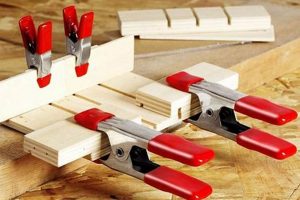
The practical significance of a versatile set lies in its ability to minimize the need for additional purchases and workarounds. A woodworker equipped with diverse options can efficiently manage tasks ranging from simple edge gluing to complex joinery. Furthermore, versatility mitigates the risk of damaging workpieces due to the application of inappropriate securing forces or techniques. A spring securing device, for instance, is suitable for light-duty tasks, while heavier-duty bar versions are essential for larger assemblies. Failure to account for these differences can result in misalignment, surface marring, or structural weakness.
In summary, versatility is not merely a desirable attribute, but a critical component for a set intended to facilitate a wide range of woodworking endeavors. Its absence introduces limitations, impacting project quality and increasing the likelihood of errors or damage. A well-considered collection prioritizing diversity represents a strategic investment, enhancing both efficiency and the overall quality of finished woodworking products.
2. Application

The concept of “Application” is intrinsically linked to the selection and utilization of any workpiece securing collection. It dictates the necessary type, size, and quantity of devices based on the specific woodworking task at hand. A fundamental understanding of how application impacts these choices is paramount for achieving optimal results and preventing damage to materials.
- Project Size and Complexity
The scale and intricacy of a woodworking project directly determine securing requirements. Small projects, such as assembling a picture frame, may only require simple spring units. Larger, more complex projects, like constructing a cabinet, demand heavier-duty bar units and potentially pipe versions for greater reach and holding power. A failure to assess project dimensions accurately can result in inadequate securing force, leading to joint failure or misalignment.
- Material Properties
The type of wood or composite material used significantly influences the choice of clamping pressure and jaw protection. Softwoods, such as pine, are susceptible to indentation, necessitating the use of protective cauls or softer jaws. Hardwoods, like oak, can withstand greater pressure but may still require protection to prevent marring. Furthermore, the presence of delicate veneers or intricate inlays necessitates extreme care and the application of gentle securing forces to avoid damage.
- Joint Type and Geometry
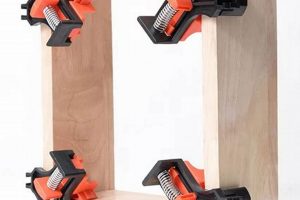
Different joint types, such as butt joints, miter joints, or mortise and tenon joints, require specific securing strategies. Miter joints, for example, demand precise alignment and uniform pressure across the angled surfaces, often requiring specialized miter versions. Mortise and tenon joints, on the other hand, may benefit from parallel jaw units to ensure tight engagement and prevent racking. The geometry of the workpiece, including curves or irregular shapes, further complicates securing and may necessitate custom-built jigs or specialized securing devices.
- Glue-Up Process
The type of adhesive used and its open time dictate the necessary clamping duration and pressure. Fast-setting glues may require only minimal securing, while slow-curing epoxy resins may necessitate prolonged clamping for optimal bond strength. Furthermore, certain adhesives may require specific pressure levels to achieve a proper bond line. It is essential to follow the manufacturer’s recommendations for adhesive application and securing to ensure a reliable and durable joint.
In conclusion, the successful application of workpiece securing tools hinges on a thorough understanding of project parameters, material characteristics, joint geometry, and adhesive requirements. A considered approach to application ensures that the correct devices are selected and utilized effectively, minimizing the risk of errors, maximizing joint strength, and ultimately contributing to a superior finished product. Selecting or assembling ones own collection depends greatly on having addressed this facet in full.
3. Durability

Durability, in the context of tools designed to secure workpieces together tightly, is a paramount consideration, impacting the longevity, reliability, and overall value of the collection. The ability of these tools to withstand repeated use under varying conditions directly affects woodworking outcomes.
- Material Composition and Construction
The materials used in the manufacturing process significantly influence durability. High-carbon steel, known for its strength and resistance to deformation, is a common choice for the frames and bars of bar or pipe types. Cast iron, while less strong than steel, provides stability and vibration dampening for jaws and handles. The quality of the construction, including the precision of welds and the fit of moving parts, also contributes to longevity. Securing devices constructed from inferior materials or assembled with poor craftsmanship are prone to premature failure under stress.
- Thread Integrity and Clamping Force
For tools with threaded components, such as screw-type and pipe securing devices, the integrity of the threads is crucial. Threads that are poorly cut, misaligned, or manufactured from low-grade materials are susceptible to stripping or binding, rendering the securing device unusable. The maximum clamping force a securing device can generate and maintain without failure is a direct indicator of its durability. Overloading securing devices beyond their rated capacity can result in damage, posing a safety risk to the user and compromising the project.
- Corrosion Resistance and Environmental Factors
Woodworking environments often expose tools to moisture, glue, and other corrosive substances. Securing devices with a protective coating, such as zinc plating or powder coating, exhibit enhanced resistance to rust and corrosion, extending their lifespan. The type of wood being worked also plays a role; woods with high acidity levels can accelerate corrosion if tools are not properly protected and maintained.
- Maintenance and Longevity
Regular maintenance, including cleaning and lubrication, is essential for maximizing the lifespan of tools designed to secure workpieces together tightly. Removing glue residue, dust, and other debris prevents binding and corrosion. Applying a light oil or dry lubricant to threaded components ensures smooth operation and reduces wear. Proper storage, away from excessive moisture and temperature fluctuations, also contributes to durability. Well-maintained securing devices can provide decades of reliable service, representing a cost-effective investment over time.
These facets underscore the importance of selecting a collection engineered for sustained performance. Tools demonstrating robust construction, corrosion resistance, and ease of maintenance offer the greatest long-term value to the woodworker. A focus on durability translates to reduced replacement costs, enhanced safety, and consistent results across numerous woodworking projects.
4. Precision
The attainment of precise joinery and accurate assemblies in woodworking relies heavily on the securing mechanisms employed. These devices, when properly selected and applied, play a critical role in maintaining alignment, ensuring tight joints, and minimizing dimensional deviations throughout the construction process.
- Maintaining Alignment During Adhesive Curing
The primary function involves holding components in precise alignment while adhesives cure. Even slight misalignments during this phase can compromise the structural integrity and aesthetic quality of the finished product. Securing devices must exert sufficient and uniform pressure to prevent shifting or movement caused by adhesive shrinkage or expansion. For example, when assembling a mitered frame, the units must maintain perfect 45-degree angles to avoid visible gaps or distortions.
- Ensuring Uniform Pressure Distribution
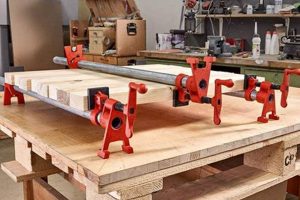
Consistent pressure distribution across the joint surfaces is essential for maximizing bond strength. Uneven pressure can result in weak spots or air pockets within the adhesive layer, reducing the overall durability of the assembly. Securing devices with adjustable pressure settings and broad, flat jaws are preferred for achieving uniform clamping force. Consider the application of a long bar unit along the length of a glued-up table top. It ensures consistent adhesion across the entire surface.
- Minimizing Dimensional Deviations
Dimensional accuracy is paramount in woodworking, and securing devices contribute to this by preventing warping or distortion during assembly. The application of counteracting forces with strategically placed versions can mitigate the effects of internal stresses within the wood. When constructing a large cabinet, securing devices prevent the panels from bowing or twisting during assembly. This maintains the intended dimensions and ensures a professional-looking result.
- Facilitating Accurate Jointing Techniques
Certain joinery techniques, such as dovetailing or mortise and tenon joints, require precise alignment and tight fits. Securing devices hold components firmly in place while these joints are cut or assembled, minimizing the risk of errors and ensuring a strong, seamless connection. The use of hand-screw versions to secure a workpiece in a vise while cutting dovetails allows for greater control and precision.
In summary, precision in woodworking is inextricably linked to the effectiveness. A carefully selected and properly applied array of these tools ensures accurate alignment, uniform pressure distribution, minimal dimensional deviations, and facilitates accurate jointing techniques. These factors collectively contribute to the creation of high-quality, durable, and aesthetically pleasing woodworking projects.
5. Accessibility

Accessibility, within the context of a workpiece securing collection, encompasses the ease with which a woodworker can select, retrieve, and utilize the appropriate tool for a given task. The degree of accessibility directly impacts efficiency, workflow, and the overall enjoyment of the woodworking process. A poorly organized or inadequately inventoried collection can lead to wasted time, frustration, and potentially compromised project outcomes. For example, a woodworker attempting to assemble a complex frame may encounter significant delays if the required miter versions are buried beneath other tools or are difficult to identify quickly. This lack of accessibility translates directly into reduced productivity and increased potential for errors.
Factors influencing accessibility include the storage system employed, the clarity of labeling or organization, and the physical location of the collection within the workshop. A well-designed storage rack or cabinet allows for easy visual identification and retrieval of each unit. Color-coding or labeling devices according to type or size can further enhance accessibility. Positioning the collection within close proximity to the primary work area minimizes travel time and streamlines the workflow. Conversely, a disorganized pile of securing devices stored in a remote corner of the shop represents a significant impediment to efficiency. The physical effort required to locate and retrieve a specific securing device detracts from the creative process and can lead to fatigue, especially during extended woodworking sessions.
In conclusion, accessibility is not merely a matter of convenience, but a critical component of a well-functioning woodworking environment. A thoughtfully organized and readily accessible collection enhances productivity, reduces frustration, and ultimately contributes to the creation of higher-quality woodworking projects. Prioritizing accessibility through strategic storage solutions and clear organization practices is an investment in efficiency and enjoyment.
6. Affordability
Affordability significantly influences access to effective workpiece securing solutions. The initial cost of acquiring a functional set dictates the feasibility for both hobbyist woodworkers and professional shops operating under budget constraints. Higher-priced collections often boast superior materials and construction, theoretically offering greater longevity and precision. However, budget limitations may necessitate the purchase of less expensive sets constructed from lower-grade materials, potentially impacting the quality and durability of finished projects. For example, a small woodworking business might opt for a less expensive set to manage initial capital expenditure, understanding the compromise in potential lifespan and opting for phased upgrades as financial capacity increases.
Conversely, investing in a comprehensive and durable collection upfront, while requiring a larger initial outlay, can prove more economical in the long run. The reduced need for replacements and the enhanced precision afforded by higher-quality devices can minimize material waste and rework time. Furthermore, the versatility of a well-stocked, albeit pricier, collection allows for a wider range of projects to be undertaken, expanding the potential for revenue generation. The individual’s or business’s risk tolerance and planning horizon play a substantial role in the affordability calculation. Some users prefer to build their collections piecemeal, purchasing individual tools as specific project needs arise, thereby spreading the cost over time. This approach, while mitigating the upfront financial burden, may result in higher overall expenses due to the lack of bulk discounts and the potential for purchasing incompatible or redundant tools.
Ultimately, the concept of affordability necessitates a holistic evaluation of cost versus benefit, considering factors such as material quality, construction, long-term durability, and project requirements. A careful assessment of individual needs and budget constraints is essential for making an informed purchasing decision that balances immediate financial limitations with the long-term value and utility of a given collection. Balancing upfront costs with tool longevity and project quality is key to woodworking success.
Frequently Asked Questions
This section addresses common inquiries and clarifies misconceptions surrounding the selection and use of tools designed to secure workpieces together tightly.
Question 1: What constitutes a comprehensive collection of these devices for general woodworking?
A well-rounded assortment typically includes bar securing devices in varying lengths (12″, 24″, 36″), pipe securing devices (with compatible pipe lengths determined by project needs), an assortment of spring securing devices in small and medium sizes, and potentially hand-screw securing devices for delicate or intricate work. Speciality versions such as miter securing devices are valuable for frame construction.
Question 2: How does one determine the appropriate size of securing device for a given project?
The length of the securing device should exceed the widest dimension of the workpiece being secured. For example, when gluing up a tabletop 30 inches wide, securing devices with a minimum reach of 30 inches are required. Excessively long securing devices can be cumbersome, while those that are too short will be ineffective.
Question 3: What is the recommended clamping pressure for various wood types?
As a general guideline, softwoods require less pressure than hardwoods. Excessive pressure can damage softwoods, while insufficient pressure may compromise the bond strength in hardwoods. A moderate, even pressure is ideal, and testing on scrap material is advisable to determine the optimal pressure for a specific wood species and adhesive.
Question 4: How frequently should securing devices be cleaned and maintained?
Securing devices should be cleaned after each use to remove glue residue, sawdust, and other debris. Threads should be lubricated regularly with a light oil or dry lubricant to ensure smooth operation and prevent corrosion. A thorough inspection for damage or wear should be conducted periodically.
Question 5: What are the potential consequences of using damaged or improperly functioning securing devices?
Damaged or malfunctioning securing devices can compromise the safety of the user and the quality of the finished product. Stripped threads can cause the securing device to slip, leading to misalignment or injury. Bent or broken frames can result in uneven pressure distribution and joint failure.
Question 6: Is it more cost-effective to purchase a pre-assembled collection or to acquire individual securing devices as needed?
Purchasing a pre-assembled collection often represents a cost savings compared to acquiring individual securing devices separately, particularly if a wide variety of sizes and types are required. However, building a collection piecemeal allows for greater customization based on specific project needs and budget constraints.
Selecting and maintaining the appropriate instruments for tightly securing workpieces together is essential for woodworking. Understanding these tools can improve results.
The subsequent section will address the safe operating procedures for these workpiece securing instruments.
Conclusion
The preceding exploration of a clamp set for woodworking has illuminated critical facets essential for effective and precise joinery. The selection of appropriate devices, their proper application, diligent maintenance, and strategic storage collectively dictate the quality and longevity of woodworking projects. The factors of versatility, application-specificity, durability, precision, accessibility, and affordability each contribute to the overall value and utility of a given assortment.
The understanding and careful consideration of these elements empowers woodworkers to optimize their processes, minimize material waste, and achieve consistently superior results. Mastering these techniques not only enhances the craft but also ensures the creation of durable and aesthetically pleasing pieces for years to come. Continued refinement of these practices is encouraged for all practitioners seeking excellence in their woodworking endeavors.
![Top-Rated: Best Quick Clamps for Woodworking Projects [2024] | Step-by-Step Guides, Tools & Inspiration to Build Beautiful Wooden Decor on a Budget](https://woodfromhome.com/wp-content/uploads/2026/04/th-264-300x200.jpg "Top-Rated: Best Quick Clamps for Woodworking Projects [2024] Step-by-Step Guides, Tools & Inspiration to Build Beautiful Wooden Decor on a Budget")