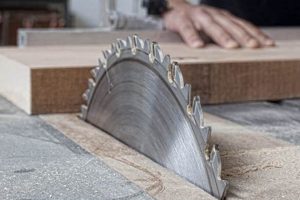
A specific hand tool enables precise cuts perfectly level with an adjacent surface. This capability is essential for trimming dowels, plugs, or tenons without marring the surrounding material. For instance, consider concealing a screw hole with a wooden plug; after gluing the plug in place, this specialized saw allows removal of the excess material, leaving a seamless, flush finish.
The utility of this technique lies in its ability to create clean, professional-looking joinery. It eliminates the need for chisels or other tools that might accidentally damage the surrounding wood. Its historical significance stems from cabinetmaking traditions, where meticulous detail and invisible joinery are highly valued. This approach enhances both the aesthetic appeal and the structural integrity of finished pieces.
The following sections will delve into the different types of these tools available, the techniques for their effective use, and the factors to consider when selecting the appropriate tool for a given woodworking project. Further discussion will address maintenance procedures to ensure longevity and optimal performance.
Techniques for Optimal Results
Achieving clean and precise cuts requires employing proper techniques and understanding the tool’s capabilities. The following tips offer guidance for utilizing flush saw woodworking effectively.
Tip 1: Secure the Workpiece: Ensure the material is firmly clamped or held to prevent movement during the cut. Vibration can lead to splintering and an uneven surface.
Tip 2: Use a Gentle Starting Angle: Initiate the cut at a shallow angle, gradually increasing the angle as the saw engages. This prevents the blade from skipping or digging into the wood.
Tip 3: Employ a Pull Stroke: Most of these saws are designed to cut on the pull stroke. Apply consistent pressure during the pull motion and release pressure on the push stroke. This minimizes blade flex and promotes a cleaner cut.
Tip 4: Maintain a Consistent Angle: Hold the saw flat against the surface being trimmed to ensure a perfectly level cut. Visual alignment is crucial; consider using a guide for challenging situations.
Tip 5: Sharpen Regularly: A sharp blade is essential for clean, efficient cutting. Use appropriate sharpening tools and techniques to maintain the blade’s edge. A dull blade will require more force, increasing the risk of errors.
Tip 6: Consider Blade Flexibility: Different blade thicknesses offer varying degrees of flexibility. Thicker blades provide greater stability for dense hardwoods, while thinner blades excel in delicate trimming tasks.
Tip 7: Practice on Scrap Material: Before working on a finished piece, practice on scrap wood to refine technique and familiarize oneself with the tool’s behavior. This allows for adjustments and minimizes the risk of mistakes on valuable projects.
Adherence to these techniques will result in precise, clean cuts, enhancing the quality and appearance of woodworking projects. Proper use of these tools maximizes efficiency and minimizes the risk of damage to the surrounding material.
The following section will address the different types of saws available and how to select the appropriate one for specific applications.
1. Blade Flexibility

Blade flexibility, in the context of flush saw woodworking, is a critical characteristic influencing the tool’s maneuverability and suitability for specific tasks. It refers to the blade’s ability to bend or conform to contoured surfaces or restricted spaces while maintaining its cutting function.
- Access to Confined Spaces
A flexible blade allows access to tight corners, concave surfaces, and other hard-to-reach areas where rigid blades would be ineffective. This is particularly useful when trimming plugs or dowels set deeply within a joint or near obstructions. The blade’s ability to bend around these obstacles enables a precise cut without damaging surrounding material.
- Contoured Surface Trimming
When working with curved or irregular surfaces, a flexible blade can conform to the contours, ensuring a flush cut that follows the shape of the workpiece. This is essential in applications such as furniture restoration or shaping where maintaining the original profile is paramount. A rigid blade would likely gouge or distort the surface.
- Risk Mitigation in Delicate Operations
Increased flexibility can reduce the risk of splintering or tear-out, especially when working with brittle or highly figured woods. A more yielding blade is less likely to exert excessive force on the surrounding fibers, resulting in a cleaner, more controlled cut. This is particularly beneficial when trimming delicate inlays or veneers.
- Trade-offs with Stability
While flexibility offers advantages in maneuverability, it can also compromise stability. Highly flexible blades may be more prone to deflection, leading to inaccuracies in the cut. Therefore, the ideal blade flexibility depends on the specific application, balancing the need for maneuverability with the requirement for precision.
The interplay between blade flexibility and the requirements of the woodworking task determines the tool’s effectiveness. Careful consideration of these factors is crucial for achieving optimal results and minimizing the risk of damage to the workpiece, directly impacting the quality of the final flush saw woodworking operation.
2. Tooth Geometry

Tooth geometry is a determining factor in the performance of a saw used in flush saw woodworking. The shape, size, and set of the teeth directly influence the cutting speed, smoothness, and overall efficiency of the tool. Different tooth geometries are designed for specific purposes, impacting the final quality of the flush cut.
- TPI (Teeth Per Inch) and Cut Aggressiveness
The number of teeth per inch dictates the fineness of the cut. Higher TPI values result in smoother cuts with less tear-out, which is crucial for achieving a clean, flush surface. Conversely, lower TPI values provide faster material removal but may produce a rougher finish. Selecting the appropriate TPI is essential for balancing cutting speed and surface quality in flush saw woodworking.
- Tooth Shape and Cutting Action
Various tooth shapes, such as rip, crosscut, and universal, are designed for different cutting actions. Rip teeth are optimized for cutting along the grain, while crosscut teeth excel at cutting against the grain. Universal teeth offer a compromise for both directions. For flush saw woodworking, a fine crosscut or universal tooth shape is generally preferred for its ability to produce clean, precise cuts without splintering.
- Tooth Set and Clearance
Tooth set refers to the alternating offset of teeth to either side of the blade. This creates a kerf, or channel, wider than the blade thickness, preventing the blade from binding in the cut. Insufficient set can lead to friction and overheating, while excessive set can result in a wider, less precise cut. Optimal tooth set is essential for smooth, efficient flush saw woodworking.
- Hardness and Durability
The material and hardening process of the teeth influence their durability and resistance to wear. Harder teeth retain their sharpness longer, requiring less frequent sharpening. This is particularly important in flush saw woodworking, where precision is paramount and a dull blade can compromise the quality of the cut. High-quality steel and proper hardening techniques contribute to the longevity and performance of the saw.
In summary, the tooth geometry of a saw directly affects its suitability for flush saw woodworking. Factors such as TPI, tooth shape, tooth set, and hardness must be carefully considered to achieve clean, precise cuts and optimal performance. A thorough understanding of these elements allows woodworkers to select the appropriate tool for their specific needs and ensure high-quality results.
3. Handle Ergonomics

Handle ergonomics directly influence the control, precision, and user comfort associated with flush saw woodworking. A well-designed handle minimizes fatigue and enhances the ability to execute precise cuts, contributing significantly to the quality and efficiency of the process.
- Grip Size and Shape
The circumference and contour of the handle must accommodate the user’s hand size and grip style. A handle that is too large or too small can lead to discomfort, reduced control, and increased risk of slippage. For instance, a handle with a slightly oval cross-section may provide a more secure grip than a perfectly round one, especially during prolonged use. Proper grip ensures consistent force application and prevents unnecessary strain.
- Material Composition
The handle material influences both grip and vibration absorption. Wood, such as hardwood, provides a natural grip and absorbs some vibration. Synthetic materials, such as polymers or elastomers, can offer enhanced grip and durability. The choice of material should balance comfort, durability, and resistance to moisture or solvents. A comfortable grip reduces fatigue and improves control, especially during intricate tasks in flush saw woodworking.
- Handle Angle and Offset
The angle and offset of the handle relative to the blade affect the user’s wrist position and the force applied during cutting. An ergonomically designed handle minimizes wrist strain by promoting a neutral wrist position. The offset can also provide clearance for the user’s hand, preventing interference with the workpiece. Reduced wrist strain enhances precision and allows for longer periods of focused work.
- Surface Texture and Finish
The surface texture of the handle provides additional grip and prevents slippage, particularly when hands are sweaty or oily. A slightly textured surface, such as knurling or stippling, enhances friction without causing discomfort. The finish should also be durable and resistant to wear. Improved grip translates to better control and reduces the likelihood of errors during flush saw woodworking.
These facets of handle ergonomics collectively impact the effectiveness of flush saw woodworking. A carefully considered handle design enhances user comfort, improves control, and reduces fatigue, ultimately contributing to more precise and efficient cuts. Consequently, the selection of a saw should prioritize handle ergonomics alongside blade characteristics to optimize the overall woodworking experience and outcome.
4. Cutting Angle

The cutting angle constitutes a critical variable in flush saw woodworking, directly impacting the resultant finish. Deviation from the optimal angle introduces imperfections and compromises the aesthetic and functional integrity of the joint. A cutting angle too steep risks gouging the adjacent surface, while an angle too shallow may leave residual material requiring further refinement. The correlation between precision in the cutting angle and the quality of the flush cut is therefore axiomatic.
Consider the task of trimming a wooden plug used to conceal a screw head. An incorrect cutting angle, even by a small degree, leaves either a protruding section or an indentation relative to the surrounding surface. This necessitates secondary corrective measures, such as sanding or filling, thereby increasing the likelihood of visible imperfections. Conversely, maintaining a consistent, near-zero-degree cutting angle results in a seamless transition between the plug and the surrounding wood, achieving the desired flush finish with minimal post-processing.
In summation, mastery of the cutting angle is paramount in flush saw woodworking. The challenges lie in maintaining this angle consistently throughout the cut, particularly when working with irregular grain patterns or varying wood densities. However, a thorough understanding of the principles governing the cutting angle, coupled with the appropriate tool and technique, ensures a successful outcome, reinforcing the value of this parameter in the broader context of precision woodworking.
5. Surface Protection
Surface protection is an indispensable consideration within flush saw woodworking. It directly mitigates the risk of inadvertent damage to adjacent surfaces during the cutting process, thereby preserving the aesthetic and structural integrity of the workpiece.
- Application of Protective Barriers
The strategic deployment of protective barriers, such as masking tape or thin shims, serves to shield the surrounding area from the saw’s teeth. Masking tape provides a temporary, sacrificial layer that absorbs minor abrasions, while shims, inserted between the saw and the workpiece, maintain a consistent separation distance, preventing direct contact. For example, when trimming a plug flush with a delicate veneer, a layer of low-tack tape minimizes the risk of scratching the veneer’s surface.
- Controlled Blade Depth and Angle
Careful regulation of the blade’s depth and cutting angle is crucial for preventing unintended contact with the surrounding material. Employing a saw with adjustable depth settings allows precise control over the cut, ensuring that only the excess material is removed. Similarly, maintaining a consistent, shallow cutting angle minimizes the risk of the saw blade inadvertently contacting and marring adjacent surfaces. This is particularly relevant when working in confined spaces or with intricate joinery.
- Use of Specialized Saws with Protective Features
Certain saws designed for flush cutting incorporate specific features intended to minimize surface damage. These include blades with minimal set, which reduces the width of the kerf and thus the likelihood of accidental contact, and saws with built-in depth stops or guides that limit the blade’s travel. For example, some Japanese-style flush-cut saws feature extremely thin, flexible blades with minimal set, enabling precise cuts with minimal risk of surface damage.
- Post-Cutting Refinement Techniques
Even with meticulous execution, minor imperfections may still occur during flush saw woodworking. Employing gentle post-cutting refinement techniques, such as light sanding with fine-grit sandpaper or careful paring with a sharp chisel, allows for the removal of any remaining irregularities without further damaging the surrounding surface. These techniques must be applied with caution and precision to avoid exacerbating the initial problem.
In summary, surface protection constitutes a multifaceted approach to safeguarding the workpiece during flush saw woodworking. The strategic application of protective barriers, careful control of blade parameters, utilization of specialized tools, and implementation of appropriate refinement techniques collectively contribute to minimizing the risk of damage and achieving a clean, professional finish. The integration of these principles is essential for maintaining the aesthetic and structural integrity of woodworking projects.
Frequently Asked Questions
This section addresses common inquiries regarding flush saw woodworking, providing concise and informative answers to aid in the understanding and application of this technique.
Question 1: What distinguishes a flush saw from other types of saws?
A flush saw is specifically designed to cut materials perfectly level with an adjacent surface. Its blade lacks significant set, allowing it to lie flat against the reference surface without marring it. Other saws, such as crosscut or rip saws, are designed for different cutting tasks and typically have more blade set, making them unsuitable for achieving a flush finish.
Question 2: What types of materials can be effectively cut using flush saw woodworking techniques?
Flush saw woodworking is applicable to a range of materials, including hardwoods, softwoods, and composite materials such as plywood and MDF. However, the selection of the appropriate blade and technique is crucial for each material. Softer materials may require a finer tooth pitch to prevent tear-out, while harder materials may necessitate a more robust blade.
Question 3: How does one maintain the sharpness of a flush saw blade?
Maintaining a sharp blade is essential for efficient and precise flush saw woodworking. Sharpening typically involves the use of specialized files designed for saw teeth. The process requires careful attention to the tooth geometry and angle to ensure consistent cutting performance. Regular sharpening is recommended to prevent the blade from becoming dull and producing rough or uneven cuts.
Question 4: What safety precautions should be observed when performing flush saw woodworking?
As with any woodworking activity, adherence to safety protocols is paramount. It is recommended to secure the workpiece firmly to prevent movement during cutting. The use of eye protection is essential to guard against flying debris. Furthermore, care should be taken to avoid contacting the blade with fingers or other body parts. A controlled and deliberate approach is crucial for safe and effective flush saw woodworking.
Question 5: What factors influence the selection of the correct flush saw for a specific project?
The choice of flush saw depends on several factors, including the type of material being cut, the size and shape of the workpiece, and the desired level of precision. Blades with finer teeth are suitable for delicate work, while those with coarser teeth are better for rapid material removal. The handle design and ergonomics should also be considered to ensure comfortable and controlled operation.
Question 6: Can flush saw woodworking techniques be effectively employed in restoration projects?
Yes, flush saw woodworking is frequently used in restoration projects to repair or replace damaged components. It allows for the precise trimming of patches, plugs, or inlays to match the original surface. The ability to achieve a seamless, flush finish is particularly valuable in preserving the aesthetic integrity of antique furniture or architectural elements.
In conclusion, flush saw woodworking, when executed with the proper knowledge and tools, offers a valuable method for achieving precise and clean cuts. Understanding the nuances of blade selection, technique, and safety is essential for successful implementation.
The following segment will explore practical applications of flush saw woodworking in various woodworking projects.
Conclusion
The preceding analysis has elucidated the core principles and practical applications of flush saw woodworking. Key factors, including blade geometry, handle ergonomics, and cutting angle, directly influence the precision and efficacy of the technique. The strategic implementation of surface protection measures further mitigates the risk of collateral damage, ensuring the integrity of the workpiece. Mastery of these elements is paramount for achieving a professional standard in woodworking projects necessitating seamless surface transitions.
Given its capacity to deliver refined results across diverse materials and applications, the continued exploration and refinement of flush saw woodworking techniques remains vital. The pursuit of enhanced precision, efficiency, and safety in this domain will undoubtedly yield further advancements, solidifying its significance in both traditional and contemporary woodworking practices. Continued study and application are therefore encouraged to fully realize the potential of this critical skill.