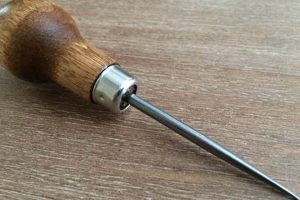
The implements employed in historical carpentry represent a tangible connection to craftsmanship of past eras. Examples include hand planes for smoothing surfaces, saws for cutting lumber to size, chisels for shaping intricate details, and braces with bits for drilling holes. These manual instruments, powered by human effort alone, stand in contrast to contemporary electric machinery.
The utilization of these vintage instruments offers benefits beyond mere task completion. It fosters a deeper understanding of material properties and promotes a slower, more deliberate approach to woodworking. The practice connects individuals to a rich tradition of skill and ingenuity, providing insight into the methods used by generations of artisans. Furthermore, the products created often bear a unique character absent in mass-produced items.
This exposition will delve into specific categories of these devices, examining their construction, purpose, and significance within the history of woodworking. It will explore edged tools, fastening devices, measuring instruments, and the techniques used to maintain these valued pieces of historical equipment.
Preserving and Utilizing Historical Carpentry Equipment
The responsible stewardship of historical carpentry equipment requires diligent care and informed application. The following tips aim to guide individuals in the effective preservation and utilization of such tools.
Tip 1: Sharpening is Paramount: Edged tools, such as chisels and planes, must be maintained with a keen edge. Proper sharpening techniques, including honing and lapping, are essential for efficient and safe operation.
Tip 2: Understanding Wood Grain: Recognize the direction of the wood grain before initiating any cut. Cutting against the grain can lead to splintering and inaccurate results.
Tip 3: Proper Tool Storage: Store all instruments in a dry environment to prevent rust and corrosion. A dedicated tool chest or cabinet is advisable for organized safekeeping.
Tip 4: Implement Traditional Joinery: Experiment with time-honored joinery techniques, such as mortise and tenon, dovetail, and rabbet joints, to achieve strong and aesthetically pleasing connections.
Tip 5: Preserve Original Finishes: When possible, retain the original finish on the instruments. If restoration is necessary, use historically appropriate materials and techniques.
Tip 6: Learn Traditional Layout Methods: Familiarize oneself with traditional layout methods using marking gauges, squares, and compasses for accurate workpiece preparation.
Tip 7: Regular Maintenance: Routinely inspect tools for damage, loose parts, or excessive wear. Address any issues promptly to ensure continued functionality and safety.
Adherence to these guidelines can enhance the longevity and usability of vintage carpentry implements, allowing for the continuation of traditional woodworking skills and the production of high-quality projects.
The subsequent sections will explore the application of these tools in specific woodworking projects, showcasing their versatility and enduring value.
1. Manual Operation

The term “manual operation,” when applied to historical carpentry implements, signifies the absence of motorized power. Every function, from sawing a board to driving a nail, relies solely on human strength and dexterity. This necessitates a profound understanding of tool mechanics and material properties. The user becomes the power source, carefully directing force and applying technique to achieve the desired result. A hand saw, for example, demands a rhythmic push and pull, maintaining a precise angle and pressure to ensure a straight cut. The efficiency of this process depends entirely on the operator’s skill and physical endurance. The practical significance lies in the direct feedback the artisan receives, allowing for immediate adjustments based on the feel of the wood and the tool’s response.
Consider the operation of a brace and bit for drilling holes. Unlike a modern power drill, the brace relies on the user’s consistent rotation of the handle, applying downward pressure while maintaining alignment. This slower, more deliberate process allows for greater control over the depth and precision of the hole. A skilled craftsman can sense subtle changes in resistance, indicating knots or variations in wood density, and adjust their technique accordingly. Furthermore, the manual nature promotes a mindful approach to woodworking, reducing the risk of errors associated with the speed and force of power tools. Traditional mortise and tenon joinery, often executed with hand tools, exemplifies this process, requiring meticulous chisel work and precise fitting to achieve a strong and lasting connection.
In summary, manual operation is a defining characteristic of historical carpentry tools. It emphasizes skill, control, and a deep understanding of materials, fostering a connection between the artisan and the work. While slower and more physically demanding than mechanized alternatives, it offers unique benefits in terms of precision, feedback, and the creation of durable, handcrafted objects. The challenge lies in preserving and transmitting these skills to future generations, ensuring that the legacy of manual woodworking endures.
2. Material Quality

The longevity and effectiveness of historical carpentry implements are intrinsically linked to the quality of materials used in their construction. A commitment to durable, high-grade components ensured that these tools could withstand the rigors of daily use and remain functional for generations. This emphasis on material selection stands in stark contrast to some contemporary manufacturing practices.
- Steel Composition in Cutting Edges
The blades of planes, chisels, and saws were typically fashioned from high-carbon steel, carefully hardened and tempered to achieve a balance between edge retention and resistance to chipping. The specific alloy composition and heat treatment processes determined the tool’s ability to hold a sharp edge under repeated use. Wrought iron was sometimes incorporated to provide toughness and prevent catastrophic failure. The selection process was not arbitrary; experienced toolmakers understood the correlation between steel properties and performance.
- Hardwood Selection for Tool Bodies
The bodies of hand planes, mallets, and other tools were crafted from dense hardwoods, such as beech, rosewood, or lignum vitae. These materials provided dimensional stability, resistance to wear, and the ability to withstand repeated impacts. The close grain and inherent strength of these woods minimized warping and splitting, preserving the tool’s accuracy and functionality. The choice of wood also influenced the tool’s weight and feel, impacting the user’s comfort and control.
- Fastener and Hardware Durability
Screws, bolts, and other hardware components were manufactured from robust metals, such as brass or iron, chosen for their resistance to corrosion and their ability to maintain a secure hold over time. These fasteners were often handcrafted to precise dimensions, ensuring a tight fit and preventing loosening under stress. The quality of these small but essential components directly impacted the tool’s overall reliability and safety.
- Handle and Grip Considerations
Tool handles were typically constructed from hardwoods like ash or hickory, known for their shock-absorbing properties and comfortable grip. The shape and finish of the handle were carefully considered to maximize the user’s control and minimize fatigue. A well-designed handle provided a secure and ergonomic connection between the user and the tool, enhancing both efficiency and safety.
The interplay of these material considerations underlines the holistic approach to toolmaking prevalent in past eras. The inherent value placed on durability and performance ensured that implements were not merely disposable commodities but rather enduring investments designed to facilitate high-quality workmanship. These surviving tools provide a tangible link to a tradition where material quality was paramount, fostering a deep appreciation for the resources and craftsmanship involved.
3. Craftsmanship Standards

The integrity of historical carpentry rests substantially on the stringent craftsmanship standards prevalent during the periods in which these tools were utilized. The implements themselves were both a product of and a prerequisite for maintaining these high standards. Each tool, from the shaping of its handle to the tempering of its blade, reflected a commitment to precision and durability. The effectiveness of these tools, in turn, dictated the quality of the final product. A poorly constructed plane, for instance, would hinder the creation of a smooth, even surface, thus compromising the overall aesthetic and structural integrity of the woodworking project. The direct connection between the quality of the tool and the potential for superior craftsmanship underscores the critical role of these standards.
Examination of antique furniture or architectural details readily demonstrates the tangible effects of these standards. Dovetail joints, meticulously cut and fitted using hand tools, exemplify the precision achievable through skilled application. The tight, interlocking nature of these joints provides exceptional strength and resistance to racking forces, often exceeding the performance of modern mass-produced joinery. Similarly, the smooth, unblemished surfaces of hand-planed panels reveal a level of surface finish unattainable with coarse abrasive techniques. The enduring quality of these artifacts serves as a testament to the rigor and expertise embedded within the era’s carpentry practices. Toolmaking itself was a highly specialized craft, with individual artisans often focusing on specific types of implements. This specialization fostered deep expertise and a relentless pursuit of perfection.
Understanding the connection between craftsmanship standards and historical carpentry equipment provides valuable insight into the values and priorities of past societies. It also informs contemporary woodworking practices, encouraging a more deliberate and thoughtful approach to design and execution. While modern technology offers speed and efficiency, the lessons learned from historical methods emphasize the importance of precision, material knowledge, and a dedication to quality that transcends mere expediency. The preservation and study of these tools, therefore, is vital for maintaining an appreciation for the art and science of fine woodworking.
4. Durability

Durability is a defining characteristic of historical carpentry implements, reflecting a design philosophy centered on longevity and resistance to wear. The inherent reliability of these tools ensured their continued functionality across extended periods, often surpassing the lifespan of modern, mass-produced alternatives. This emphasis on endurance stemmed from the significant investment of time and resources required to produce each item.
- Material Selection and Structural Integrity
The careful selection of robust materials, such as high-carbon steel for cutting edges and dense hardwoods for handles and bodies, contributed significantly to the extended lifespan of these tools. Structural integrity was further enhanced through meticulous construction techniques, minimizing stress points and reinforcing areas prone to failure. A well-made wooden plane, for example, could maintain its shape and function for decades, owing to the stability of its hardwood body and the precise fit of its internal components.
- Repairability and Maintainability
Unlike many contemporary tools designed for disposability, historical carpentry equipment was engineered for ease of repair and maintenance. Individual components could be replaced or refurbished, extending the tool’s useful life indefinitely. Sharpening, lubrication, and occasional parts replacement were routine practices, ensuring optimal performance and preventing premature degradation. This repairability significantly reduced the need for frequent replacements, minimizing waste and maximizing resource utilization.
- Resistance to Environmental Factors
Traditional toolmaking processes often incorporated protective measures to enhance resistance to environmental factors, such as moisture and corrosion. Varnishes, oils, and other surface treatments were applied to wooden components to prevent warping and decay. Metal parts were frequently coated with protective layers to inhibit rust formation. These precautions ensured that tools could withstand exposure to a variety of climates and working conditions without compromising their structural integrity or functionality.
- Design Simplicity and Functional Robustness
The inherent design simplicity of historical carpentry tools contributed to their exceptional durability. The absence of complex mechanisms reduced the potential for mechanical failure. Each component served a clearly defined purpose, and the overall design emphasized functional robustness. A basic hand saw, for example, relies on a simple blade and handle configuration, minimizing the risk of breakage or malfunction. This design philosophy prioritized reliability over technological complexity, resulting in tools that could withstand years of demanding use.
The enduring nature of these tools serves as a testament to the craftsmanship, materials, and design principles employed in their creation. These instruments offer a valuable lesson in sustainable design, demonstrating the long-term benefits of prioritizing quality, repairability, and resistance to wear. The continued use and preservation of historical carpentry tools reflect an appreciation for their inherent durability and the enduring legacy of their creators.
5. Tool Specificity

The concept of tool specificity is intrinsically linked to historical carpentry implements. This characteristic denotes that each tool was generally designed and manufactured to perform a restricted set of tasks, often a singular function. This specialization arose from the absence of powered multi-tools and the reliance on manual skill. The effect was a proliferation of distinct implements, each optimized for a narrow range of operations. This specialization was not merely a matter of convenience; it was a prerequisite for achieving the precision and quality demanded in traditional woodworking practices. Without the nuanced capabilities afforded by specialized tools, complex joinery, intricate carvings, and flawlessly smooth surfaces would have been exceedingly difficult, if not impossible, to produce.
Examples of this specificity abound. A mortise chisel, with its thick, robust blade, was designed solely for creating mortises, while a paring chisel, possessing a thinner, more delicate blade, was intended for refining joints. Similarly, a smoothing plane, with its short sole and finely adjusted blade, was used exclusively for achieving a glass-like surface, whereas a scrub plane, with its curved blade, was employed for rapidly removing stock. Each tool’s design reflected a deep understanding of the task at hand, optimizing its form and function for a specific purpose. The practical implication of this specificity is that a craftsman required a comprehensive toolkit to undertake a wide range of woodworking projects. These tools demanded proficiency in their use, leading to specialized skills and a deeper appreciation for the nuances of the craft.
In conclusion, the concept of tool specificity is a cornerstone of understanding historical carpentry implements. Its presence was not merely an artifact of technological limitations but a deliberate strategy to achieve precision and quality. The proliferation of specialized tools fostered a culture of skilled craftsmanship and a deep understanding of materials. While modern multi-tools offer versatility, the specialized nature of these implements provides a focused approach to each woodworking operation, offering quality with efficiency. The continued study and appreciation of these implements provides an important perspective on modern woodworking practices and the pursuit of excellence in craftsmanship.
6. Maintenance Demands

The sustained functionality of historical carpentry implements was directly contingent upon rigorous maintenance. The absence of readily available replacement parts or the affordability of new tools necessitated diligent care to prolong each item’s lifespan. Maintenance demands encompassed a range of activities, from sharpening cutting edges and lubricating moving parts to preventing rust and repairing damage. Failure to meet these demands resulted in diminished performance, accelerated wear, and, ultimately, tool failure. Thus, understanding and adhering to maintenance protocols was an integral part of utilizing these tools effectively. This proactive care also represented a significant investment of time and skill, underscoring the value placed upon these instruments.
Examples of maintenance imperatives are plentiful. The keen edge of a plane or chisel required frequent honing and occasional grinding to maintain its cutting ability. A dull edge not only reduced efficiency but also increased the risk of tear-out and inaccurate cuts. Similarly, wooden components, such as plane bodies and mallet heads, required regular applications of oil or wax to prevent warping and cracking. Metal surfaces, particularly those of saws and braces, were susceptible to rust and corrosion, necessitating protective coatings and regular cleaning. Even seemingly minor tasks, such as tightening loose screws or replacing worn handles, were crucial for maintaining the tool’s structural integrity and preventing accidents. Consider the case of a hand saw; without proper cleaning and sharpening, the blade would quickly become clogged with pitch and sawdust, rendering it difficult to use and prone to buckling. Therefore, regular maintenance was not merely a matter of cosmetic preservation but an essential requirement for continued operation.
In summary, the maintenance demands associated with historical carpentry instruments reflect a commitment to both resourcefulness and quality. These demands were not merely burdens but essential aspects of tool ownership, inextricably linked to the achievement of precise and durable woodworking. The careful attention and skilled labor invested in tool maintenance served as a practical embodiment of the era’s broader emphasis on craftsmanship and the responsible stewardship of resources. The lessons learned from studying these practices remain relevant today, offering insights into sustainable tool use and the enduring value of skilled labor.
Frequently Asked Questions
The following questions address common inquiries regarding the nature, use, and preservation of vintage woodworking tools. The answers provided aim to clarify misunderstandings and promote a deeper understanding of these valuable historical artifacts.
Question 1: What differentiates historical woodworking tools from their modern counterparts?
Historical woodworking tools primarily rely on manual power, demanding a higher degree of skill and physical exertion. Modern tools typically employ electric motors or other forms of power assistance, increasing efficiency but potentially sacrificing precision and tactile feedback.
Question 2: Are historical woodworking tools still practical for contemporary use?
Despite the advent of modern power tools, historical implements remain practical for specific tasks and applications. They offer unparalleled control for intricate work, excel in situations where noise or dust is a concern, and can provide a unique sense of connection to traditional woodworking practices.
Question 3: What are the primary concerns associated with acquiring and using old tools?
Concerns include the potential for rust, damage, or missing components. Additionally, the user must possess the skills necessary to sharpen, maintain, and operate these tools safely and effectively. A thorough inspection and careful assessment of condition are essential before purchase.
Question 4: How should historical woodworking tools be properly stored and maintained?
Storage in a dry, climate-controlled environment is crucial to prevent rust and warping. Regular cleaning, sharpening, and lubrication are also essential. Wooden components should be treated with appropriate oils or waxes, and metal parts should be protected with rust inhibitors.
Question 5: Is it necessary to restore or refurbish old woodworking tools?
The decision to restore or refurbish depends on the tool’s condition and intended use. Minor cleaning and sharpening may suffice for tools in good working order. More extensive restoration may be necessary for tools with significant damage or corrosion. However, preserving original features is often desirable for historical value.
Question 6: Where can individuals learn more about historical woodworking tools and techniques?
Resources include woodworking guilds, historical societies, museums with tool collections, and online forums dedicated to traditional woodworking. Numerous books and articles also provide valuable information on the history, use, and maintenance of vintage tools.
In summary, the use and preservation of historical carpentry instruments require an understanding of their unique characteristics and maintenance needs. These implements offer a tangible connection to the past and a pathway to mastering traditional woodworking skills.
The subsequent section will explore specific types of historical woodworking tools in greater detail.
Conclusion
This exploration of implements employed in historical carpentry has revealed their defining characteristics: manual operation, material quality, craftsmanship standards, durability, tool specificity, and maintenance demands. Each aspect contributes to the tools’ unique value and provides insights into the skills and values of past artisans. The absence of mechanization necessitates a deep understanding of materials and techniques, while the emphasis on durable materials and careful construction ensures longevity.
The continued study and preservation of these tools offers a tangible connection to woodworking’s history and a valuable perspective on contemporary practices. Appreciation for old time woodworking tools encourages a thoughtful approach to craftsmanship, prompting a reassessment of efficiency-driven methods in favor of quality, precision, and sustainable practices. These instruments remain a valuable source of knowledge and inspiration for woodworkers today, offering a way to appreciate the past while looking towards the future.